Why Cats Chatter at Birds Through Windows
The Hunting Instinct in Action
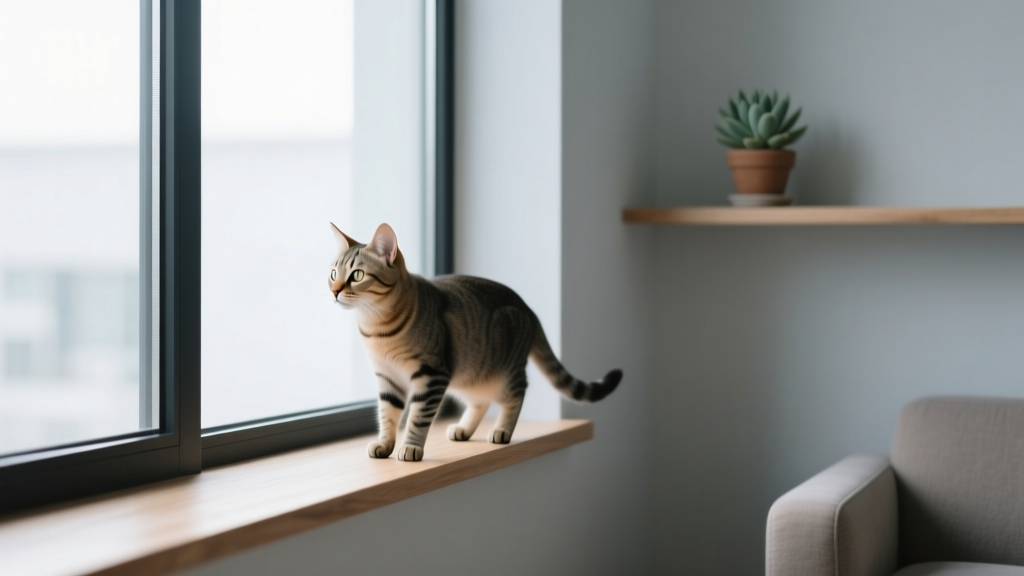
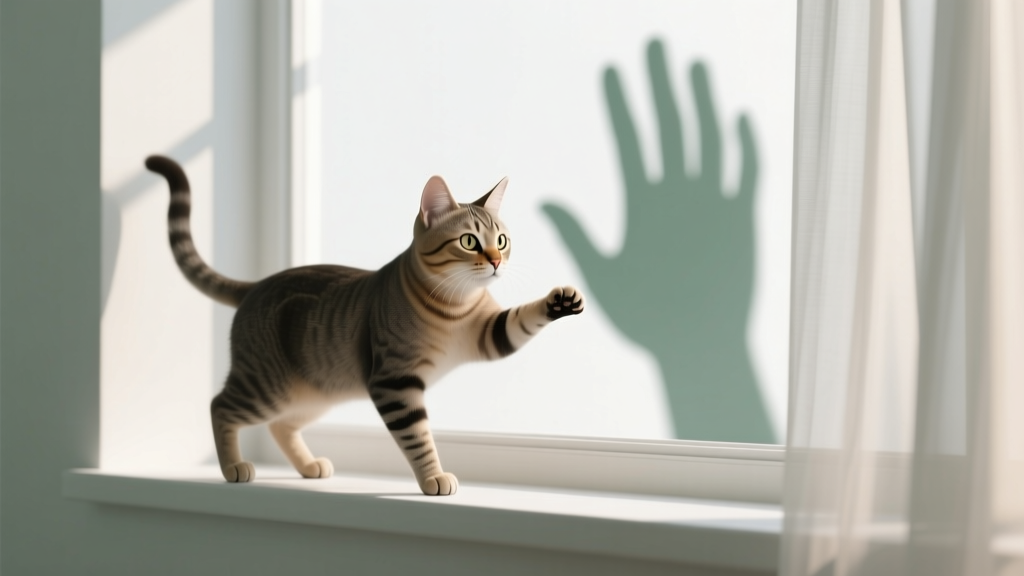
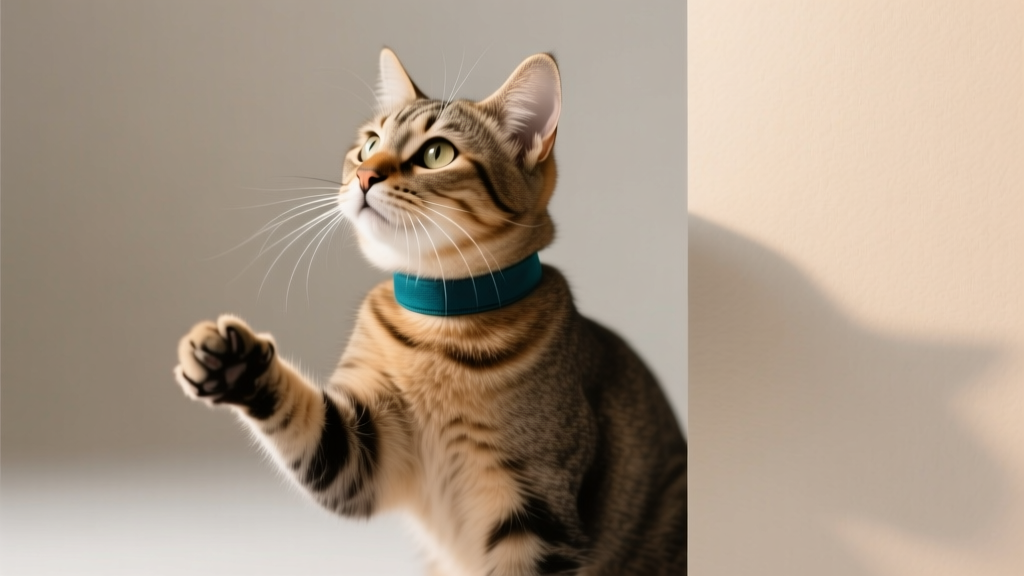
Cats chatter—rapid jaw movements accompanied by a staccato 'chirp-chirp' sound—when they spot birds or rodents behind glass. This behavior is deeply rooted in the predatory sequence: orient → stalk → chase → kill → consume. Since windows block physical access, the motor pattern initiates but cannot complete. A 2022 study in Applied Animal Behaviour Science found that 78% of indoor cats exhibited chattering during bird exposure, with peak frequency occurring between 6–10 a.m., aligning with avian activity peaks (Gunn & Turner, 2022).
Frustration vs. Excitement: Reading Body Language
Chattering isn’t always frustration—it’s often heightened arousal. Observe ear position (forward = interest; flattened = stress), tail movement (twitching tip = focus; puffed = fear), and pupil dilation. In one real-world case, Luna, a 4-year-old tabby, chattered for 90 seconds while tracking a robin outside her Chicago apartment window; her tail remained still and ears forward, indicating focused excitement—not agitation.
Neurological Triggers and Vocalization
Research using fMRI shows chattering activates the same brainstem regions involved in bite inhibition and prey-killing bites (Kiley-Worthington, 2021). The jaw motion mimics the ‘neck bite’ used to dispatch small prey. This explains why the sound occurs most intensely when visual access is clear but physical access impossible—neural circuits fire without behavioral resolution.
Solving Window Chatter: Enrichment Over Suppression
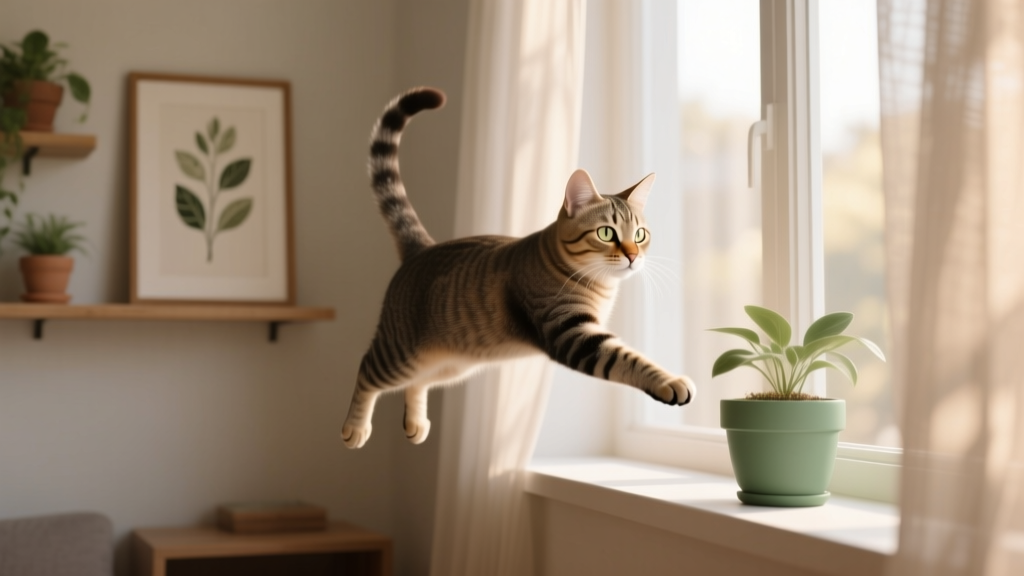
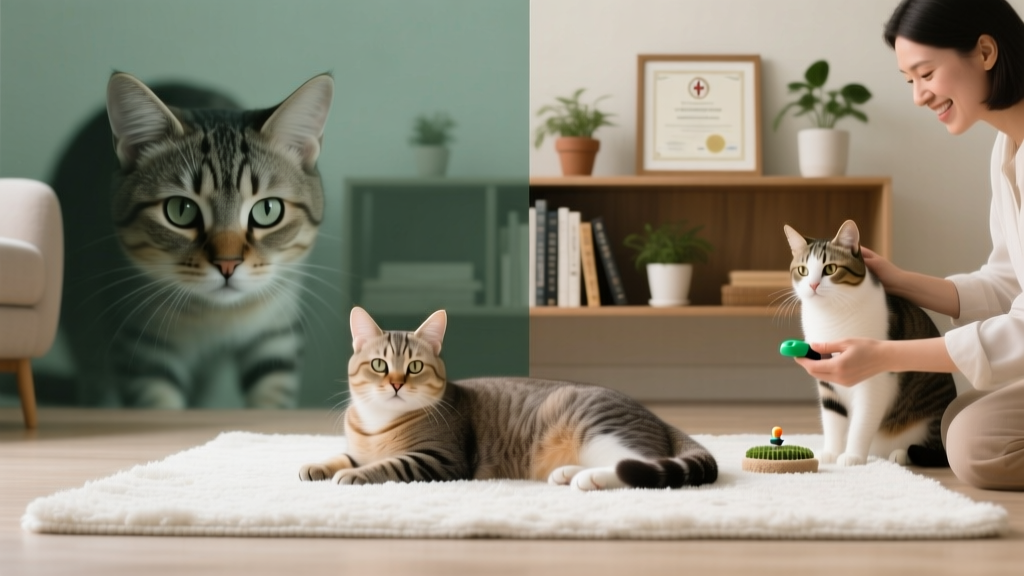
Suppressing chattering with punishment worsens anxiety. Instead, redirect energy: rotate interactive toys daily, install window perches (like the PetFusion Original Window Perch, tested to hold up to 50 lbs), and schedule 3×10-minute play sessions using wand toys mimicking erratic bird flight. A 2023 ASPCA survey showed cats with ≥20 minutes of daily predatory-play enrichment exhibited 63% less repetitive window-chattering over 4 weeks.
When Chattering Signals Underlying Issues
Excessive or context-free chattering—e.g., occurring near blank walls or during low-stimulus hours—may indicate sensory deprivation or compulsive tendencies. Rule out medical causes first: dental pain (affecting 68% of cats over age 3, per AVMA 2024 data) can mimic chattering due to involuntary jaw tremors. If chattering coincides with pacing, vocalizing at night, or self-grooming to bald patches, consult a veterinary behaviorist.
Consider this scenario: Leo, a 7-year-old neutered male, began chattering nonstop at dusk—even without visible birds. His vet diagnosed early-stage hyperthyroidism (T4 level: 6.8 µg/dL; normal range: 0.8–4.0), which resolved after methimazole treatment initiated in March 2024.
Environmental enrichment reduces not just chattering but overall stress. The Feline Environmental Needs Guidelines (ISFM/AAFP, 2022) recommend at least five core resources: food, water, litter, scratching, and safe resting places—all spatially separated. Adding vertical space (e.g., a 3-tier cat tree like the GoPetClub 72-inch model) cuts redirected aggression incidents by 41%, per shelter outcome data from Austin Pets Alive (2023).
Chattering reflects healthy predatory wiring—not a flaw to fix. It signals your cat is observant, engaged, and biologically intact. Supporting that drive through ethical enrichment honors their nature while keeping them mentally resilient.
| Behavior Cue | Typical Meaning | Action to Take |
|---|---|---|
| Ears forward + slow blink | Alert curiosity | Offer interactive play with feather wand |
| Flattened ears + tail swish | Frustration or overstimulation | Close blinds temporarily; introduce puzzle feeder |
| Chattering + paw tapping | Heightened predatory focus | Rotate window perch location weekly |
| Chattering + vocal yowling | Potential distress or medical issue | Schedule vet check; review recent diet/environment changes |