What to Do About Aggressive Cat Behavior
Why Your Cat’s Aggression Isn’t ‘Just Being a Cat’—And What You Can Do Today
If you're searching for what to do about aggressive cat behavior, you're likely exhausted, worried, or even frightened—especially if your usually affectionate cat has suddenly started lunging, biting unprovoked, or hissing at family members or other pets. This isn’t normal 'catness'—it’s a distress signal. Aggression is the most common reason cats are surrendered to shelters (ASPCA, 2023), yet over 85% of cases are fully manageable with targeted, compassionate intervention. The good news? Most aggressive cat behavior stems from fear, pain, miscommunication, or environmental stress—not malice—and responds remarkably well to evidence-based strategies when applied consistently.
Step 1: Rule Out Pain & Medical Causes—Before Assuming It’s ‘Behavioral’
Aggression is often the last symptom—not the first—of an underlying medical problem. A 2022 study in the Journal of Feline Medicine and Surgery found that 42% of cats referred for aggression had undiagnosed pain conditions: dental disease, arthritis, hyperthyroidism, urinary tract infections, or even neurological issues like feline cognitive dysfunction. One case study followed ‘Mochi’, a 9-year-old domestic shorthair who began swatting at his owner’s ankles every morning. After a full geriatric workup—including dental X-rays and thyroid panel—he was diagnosed with severe gingivitis and chronic joint discomfort. Once treated, his aggression vanished within 10 days.
Start here: Schedule a comprehensive veterinary exam—including bloodwork, urinalysis, orthopedic assessment, and oral evaluation—even if your cat seems otherwise healthy. Ask specifically: “Could pain be driving this behavior?” Don’t skip this step. As Dr. Sophia Yin, DVM, MS, emphasized in her landmark text Low-Stress Handling, Restraint and Behavior Modification: “Assuming aggression is purely behavioral without ruling out pain is not just ineffective—it’s ethically negligent.”
Step 2: Decode the Type of Aggression—Because Not All Aggression Is the Same
Cats don’t attack randomly. Each form of aggression serves a different function—and demands a different response. Misidentifying the type leads to counterproductive interventions. For example, punishing a fearful cat for hissing only deepens their terror; meanwhile, ignoring play-related aggression can escalate into injury as the cat matures.
Here’s how to distinguish the five most common types:
- Fear-based aggression: Crouched posture, flattened ears, dilated pupils, tail tucked. Triggered by sudden movement, strangers, loud noises, or forced handling.
- Redirected aggression: Cat stares intently at something outside (e.g., another cat), then lashes out at the nearest person or pet—even if they’re calm and nearby.
- Play-related aggression: Common in kittens and young adults; involves pouncing, biting ankles, ‘ambushing’ feet—but usually lacks growling or piloerection (fur standing up).
- Petting-induced aggression: Starts during gentle stroking—suddenly bites or scratches while purring. Often linked to overstimulation of sensitive nerve endings along the back or tail base.
- Idiopathic (unexplained) aggression: Rare, but possible—no clear trigger, inconsistent patterns, may indicate neurological or metabolic involvement. Requires specialist referral.
Keep a simple log for 7–10 days: Note time, location, who was present, what happened immediately before, your cat’s body language, and the outcome. Patterns will emerge—and that’s your roadmap.
Step 3: Rebuild Safety & Trust Using Positive Reinforcement & Environmental Enrichment
Once medical causes are ruled out and the aggression type identified, the real work begins: rewiring your cat’s emotional response. Punishment—yelling, spraying water, clapping—increases fear and erodes trust. Instead, use classical conditioning and operant learning principles validated by veterinary behaviorists.
Start with safe distance desensitization: If your cat hisses when approached, begin at a distance where they remain relaxed (e.g., 6 feet). Toss high-value treats (freeze-dried chicken, tuna flakes) *without making eye contact or speaking*. Repeat 3x/day for 5 minutes. Gradually decrease distance by 6 inches only when your cat consistently looks toward you expectantly—not tense or avoiding. This teaches: “Your presence = good things happen.”
Simultaneously, enrich their environment using the ‘Five Pillars of a Healthy Feline Environment’ (AAFP/ISFM guidelines):
- Provide safe, elevated spaces (shelves, cat trees, window perches)
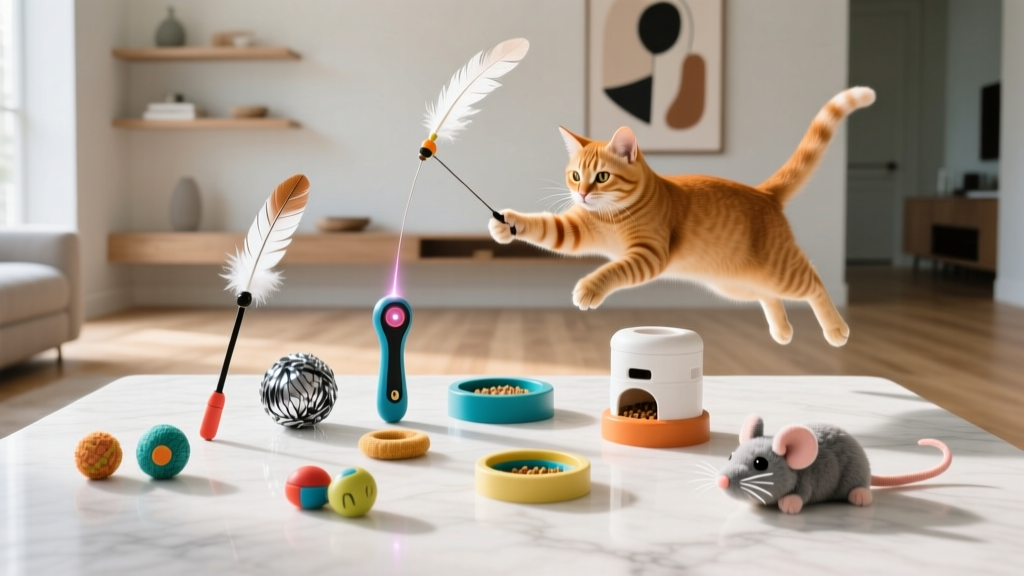
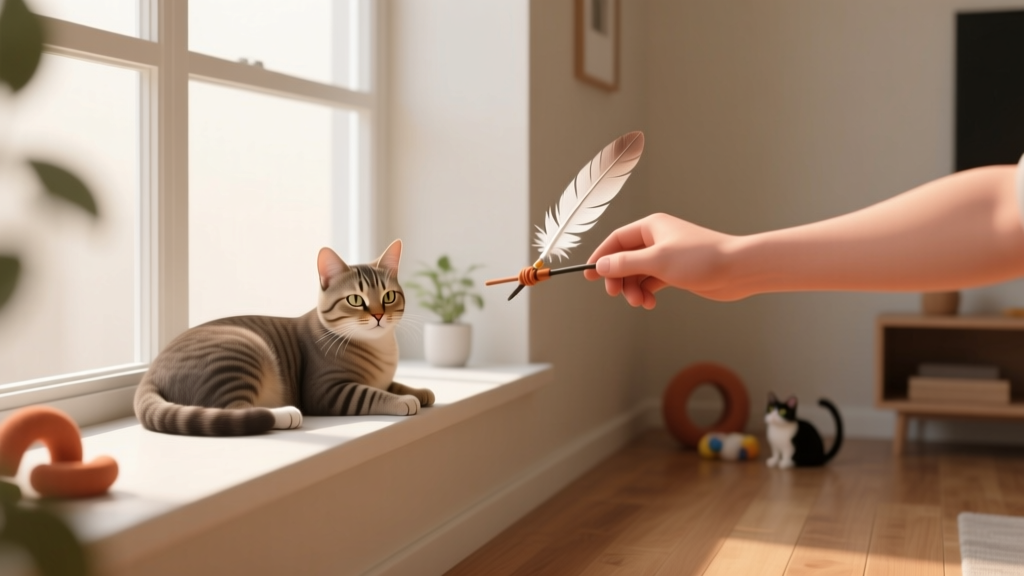
- Offer opportunities for predatory play (2x daily 15-min wand sessions ending with a ‘kill’—a treat placed on the floor)
- Create positive, predictable human interaction (learn your cat’s preferred touch zones—many dislike belly rubs or tail handling)
- Respect their need for solitude (provide quiet, low-traffic retreats)
- Maintain consistent routines (feeding, play, bedtime—cats thrive on predictability)
In a 2021 University of Lincoln study, cats in enriched homes showed 63% fewer aggressive incidents over 8 weeks versus control groups—and owners reported significantly higher relationship satisfaction.
Step 4: Manage Triggers & Prevent Escalation—With Real-Time Tools
Even with long-term training, daily life throws curveballs. Here’s how to intervene *in the moment*—safely and effectively:
- For redirected aggression: Immediately separate cats/pets involved. Avoid touching the aroused cat—wait 15–20 minutes until breathing slows and pupils constrict. Block visual access to outdoor triggers with opaque window film or curtains.
- For petting-induced aggression: Watch for early warning signs—tail flicking, skin twitching, flattened ears, slow blinking cessation. Stop petting *before* the bite. Offer a treat instead. Gradually increase tolerance by adding one extra stroke per session—only if the cat remains relaxed.
- For fear-based aggression: Never corner or chase. Back away slowly. Use a large towel or blanket to gently cover and lift if urgent removal is needed (e.g., vet transport). Never force interaction.
Consider pheromone support: Feliway Optimum diffusers (clinically shown to reduce stress-related aggression by 47% in multi-cat households) and calming supplements like Solliquin® (vet-approved, non-sedating) can support behavioral work—but never replace it.
| Aggression Type | Immediate Response | Long-Term Strategy | When to Seek Professional Help |
|---|---|---|---|
| Fear-Based | Stop approaching. Create space. Offer treats from a distance. | Systematic desensitization + counterconditioning. Environmental safety audit. | Within 2 weeks if no improvement—or if aggression escalates to biting/hissing during routine care (e.g., nail trims, brushing). |
| Redirected | Separate animals. Block visual triggers. Wait 15+ mins before re-engaging. | Install motion-activated deterrents outside windows. Increase indoor play to reduce arousal. | After ≥2 episodes in 30 days—or if redirected aggression injures people or other pets. |
| Play-Related | Immediately stop moving. Redirect with wand toy. End session with treat reward. | Structured daily play (2x 15 min). Rotate toys weekly. Provide puzzle feeders. | If biting breaks skin after 6 months of consistent training—or if aggression persists past 2 years of age. |
| Petting-Induced | Stop touching at first sign of tension. Reward calm behavior with treat. | Shorten petting sessions. Focus on chin/cheek strokes. Use clicker training to extend tolerance. | If cat bites hard enough to draw blood—or avoids all human contact despite management. |
| Idiopathic | Minimize stimulation. Ensure safe, quiet space. Document episodes meticulously. | Veterinary neurology consult. Consider EEG or MRI if indicated. | At first occurrence—requires urgent differential diagnosis. |
Frequently Asked Questions
Why does my cat suddenly become aggressive after being sweet for years?
Sudden-onset aggression in previously friendly cats is almost always medical—or tied to environmental change. Think: new pet, baby, construction noise, moving furniture, or even subtle shifts in your schedule. Senior cats commonly develop pain-related aggression due to undiagnosed arthritis or dental disease. A full veterinary workup is essential before assuming it’s ‘just aging.’
Can I train an aggressive cat to like being held or cuddled?
Not necessarily—and that’s okay. Cats aren’t wired for sustained physical restraint. What you *can* train is voluntary proximity, relaxed handling, and cooperative care (e.g., accepting ear cleaning or nail trims). Focus on building choice and consent: let your cat approach, offer treats for stepping onto your lap, and always allow exit. Forced cuddling reinforces fear and undermines trust.
Will neutering/spaying fix aggressive behavior?
It depends. Intact males may show territorial or mating-related aggression (spraying, fighting)—which often improves post-neuter. But fear-, pain-, or play-related aggression is unaffected by sterilization. In fact, spaying/neutering too early (<6 months) may increase anxiety-related behaviors in some individuals. Always address root causes first.
Is it safe to use CBD oil or calming collars for aggressive cats?
Evidence is limited and quality varies widely. The FDA has not approved any CBD product for cats. Some calming collars release synthetic pheromones (like Feliway) with moderate efficacy—but they’re adjuncts, not solutions. Never substitute supplements for veterinary diagnosis or behavior modification. Discuss all options with your vet first.
How long does it take to see improvement in aggressive cat behavior?
Most owners notice subtle shifts—less hissing, longer calm periods—within 2–4 weeks of consistent implementation. Significant reduction typically takes 8–12 weeks. Progress isn’t linear: expect plateaus and occasional setbacks (especially during stressors like holidays or vet visits). Patience, consistency, and celebrating micro-wins are critical.
Common Myths About Aggressive Cat Behavior
Myth #1: “Aggressive cats are just mean or spiteful.”
Aggression is a survival response—not personality. Cats lack the cognitive capacity for ‘spite’. What looks like revenge (e.g., peeing on your bed after a vacation) is usually stress-induced marking or anxiety-driven behavior.
Myth #2: “If I ignore the aggression, it’ll go away on its own.”
Untreated aggression rarely resolves—and often worsens. Fear-based aggression can generalize (e.g., from one person to all men); play aggression can become painful and dangerous with age. Early, informed intervention yields the best outcomes.
Related Topics
- Feline Stress Signs — suggested anchor text: "subtle signs your cat is stressed"
- How to Introduce Cats Safely — suggested anchor text: "step-by-step cat introduction guide"
- Best Toys for Aggressive Kittens — suggested anchor text: "toys that redirect play aggression"
- When to See a Veterinary Behaviorist — suggested anchor text: "certified cat behaviorist near me"
- Cat Body Language Guide — suggested anchor text: "what your cat's tail and ears really mean"
Your Next Step Starts With One Small, Compassionate Choice
You now know what to do about aggressive cat behavior—not as a quick fix, but as a thoughtful, science-backed journey rooted in empathy and observation. The single most impactful action you can take today? Grab a notebook and start your 7-day behavior log. Note what happens *before*, *during*, and *after* each incident—not to assign blame, but to uncover patterns. Then, call your veterinarian and request a full wellness exam with a focus on pain screening. From there, build your plan: safety first, then trust, then gradual reconnection. You don’t need perfection—you need persistence, patience, and partnership. And if you feel overwhelmed? Reach out to a certified cat behavior consultant (find one at IAABC.org). Your cat isn’t broken—they’re asking for help in the only language they have. And you? You’re already answering.