How to Understand Cat Behavior Natural
Why Understanding Cat Behavior Natural Is the Single Most Underrated Skill in Cat Guardianship
If you’ve ever stared at your cat mid-blink, watched them stalk an invisible prey across the living room floor, or wondered why they knead your sweater while ignoring your outstretched hand—you’re not confused. You’re encountering a species whose communication evolved for subtlety, not shouting. Learning how to understand cat behavior natural isn’t about training them to act more ‘dog-like’; it’s about shifting your lens from human expectations to feline ecology. This skill transforms frustration into connection, misinterpretation into empathy—and it’s the foundation of every healthy, trusting, long-term relationship with a cat.
Unlike dogs—who co-evolved alongside humans for millennia with strong selection for social responsiveness—cats domesticated themselves around 12,000 years ago near early grain stores in the Fertile Crescent. Their behavior remains deeply rooted in solitary hunting, territorial awareness, and low-threshold stress reactivity. That means ‘natural’ cat behavior isn’t broken or deficient—it’s perfectly adapted. The problem isn’t the cat. It’s the mismatch between our assumptions and their evolutionary reality.
The 3 Pillars of Natural Cat Communication
Feline communication operates on three interlocking systems: visual (body posture, ear position, tail movement), auditory (vocalizations beyond meowing), and olfactory (scent marking, pheromones). Humans tend to over-index on vocalizations—especially meows—because that’s how cats learned to speak *our* language. But in nature? Adult cats rarely meow at each other. Meowing is almost exclusively a human-directed behavior. To truly understand cat behavior natural, you must learn to read what they say *without words*.
Dr. Mikel Delgado, certified applied animal behaviorist and researcher at the University of California, Davis, emphasizes: “When people focus only on meows or purrs, they miss 80% of the message. A cat’s tail flick isn’t ‘annoyance’—it’s a precise gauge of arousal level. Their ear swivel isn’t just ‘listening’—it’s directional threat assessment.”
Here’s how to start building fluency:
- Observe context first: Before labeling a behavior as ‘aggressive’ or ‘affectionate,’ ask: What happened 90 seconds before? Where are they positioned relative to exits, resources, or other animals?
- Track micro-signals: Blink rate, pupil dilation, whisker angle, and even the tension in shoulder muscles reveal emotional state more accurately than tail position alone.
- Respect temporal patterns: Cats are crepuscular—not nocturnal. Their ‘odd’ 3 a.m. zoomies aren’t random; they reflect peak biological alertness during dawn/dusk windows.
Decoding the 5 Most Misread Natural Behaviors (With Real-Life Examples)
Let’s demystify five behaviors routinely misinterpreted—even by experienced guardians—when viewed through a human lens rather than a feline-ecological one.
1. Slow Blinking: Not Sleepiness—It’s a Social Bonding Signal
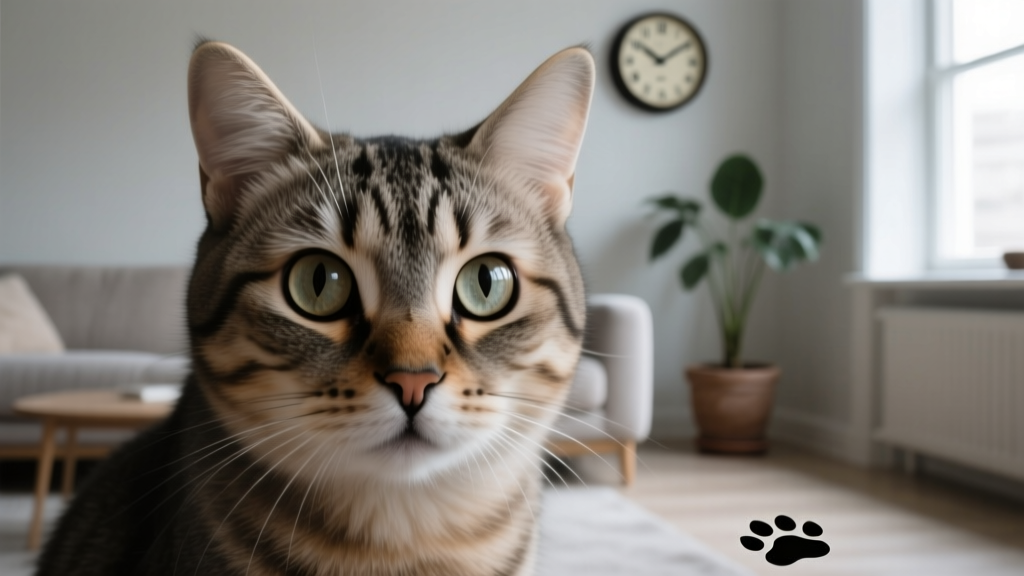
When your cat locks eyes with you and slowly closes and opens their eyes, they’re not drifting off. They’re offering a ‘cat kiss’—a deliberate, low-risk signal of trust. In wild colonies, cats avoid prolonged direct eye contact (a threat signal); slow blinking is their version of saying, “I see you, and I’m not afraid.” A 2020 study published in Scientific Reports confirmed that cats were significantly more likely to reciprocate slow blinks from humans who initiated them—and spent more time in proximity afterward.
2. Kneading: A Neonatal Reflex With Lifelong Emotional Function
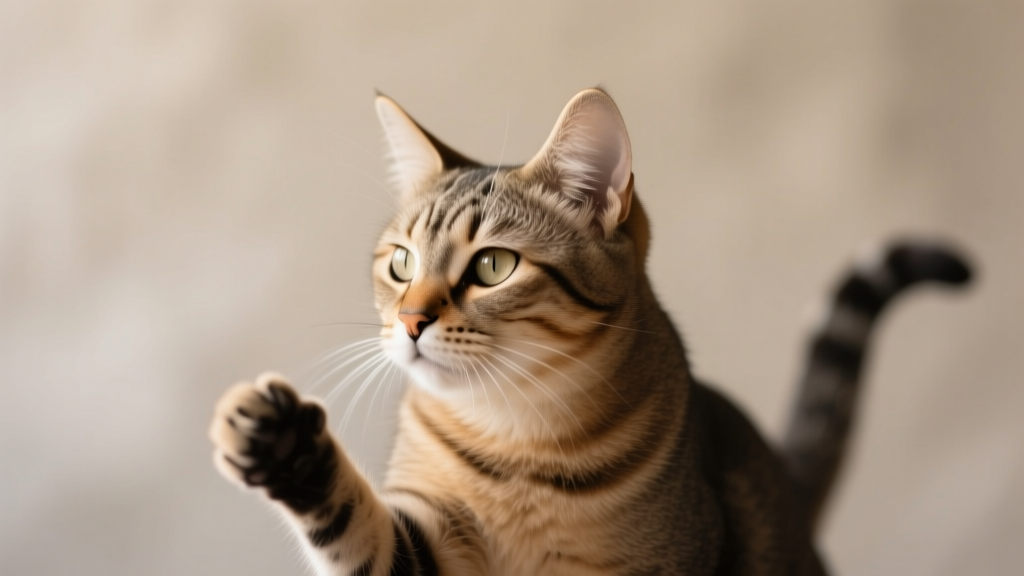
Kneading—the rhythmic pushing of paws against soft surfaces—is often dismissed as ‘cute but meaningless.’ In truth, it’s a hardwired comfort behavior linked to kitten nursing: stimulating milk flow from the mother. Adults retain it as a self-soothing mechanism tied to safety and contentment. If your cat kneads your lap while purring, they’re accessing deep-seated feelings of security—not ‘claiming’ you as territory (a common myth).
3. Tail Twitching at the Tip: The ‘Threshold Meter’
A rapid, fine twitch at the very tip of an otherwise still tail? That’s not irritation—it’s hyperfocus. Think of it like a sniper’s steady breath before the shot. Your cat may be tracking a fly, listening to rustling leaves outside, or assessing a new person’s posture. Full tail lashing? That’s escalation—stress or overstimulation. But the tip-twitch is pure, undiluted attention. Confusing the two leads to missed opportunities for positive engagement—or worse, forced petting during high-arousal states.
4. Bringing You ‘Gifts’ (Dead Mice, Toys, Socks)
This isn’t guilt, dominance, or a cry for help—it’s inclusive hunting behavior. In multi-cat colonies, successful hunters bring prey back to share with kittens or non-hunters. When your cat drops a toy at your feet, they’re inviting you into their social unit. Punishing or ignoring this gesture breaks trust. Instead, thank them calmly and redirect with interactive play—reinforcing the bond without reinforcing rodent acquisition.
5. Hiding After a Vet Visit: Not ‘Holding a Grudge’—It’s Neurobiological Recovery
Cats don’t ‘hold grudges.’ Their amygdala processes novel, stressful stimuli with extreme efficiency—and recovery isn’t linear. A post-vet hiding episode can last 24–72 hours as cortisol metabolizes and the nervous system resets. Forcing interaction prolongs stress. Instead, provide a quiet, elevated perch with food/water nearby and let them re-emerge on their own timeline. This isn’t rejection—it’s neurochemical recalibration.
Your Step-by-Step Field Guide to Reading Natural Cat Behavior
You don’t need a degree in ethology—just consistent, compassionate observation. Use this field-tested protocol to build real-time interpretation skills over 10 days:
- Day 1–2: Baseline Mapping — Sit quietly for 15 minutes, twice daily. Note: resting locations, preferred napping surfaces, how they enter/exit rooms, and where they choose to observe from.
- Day 3–4: Signal Logging — Track three specific signals: ear orientation (forward/flattened/sideways), tail base tension (relaxed vs. rigid), and blink frequency per minute during calm interaction.
- Day 5–6: Context Correlation — Introduce one mild variable (e.g., open a window, place a new blanket, have a guest sit silently nearby) and log changes in those three signals *plus* duration until return to baseline.
- Day 7–10: Predictive Practice — Before petting or picking up your cat, predict their response based on observed signals. Record accuracy. Refine hypotheses. Celebrate small wins—even correctly anticipating a head-butt versus a lip-curl is progress.
This method mirrors how certified feline behavior consultants assess clients: not by judging behavior, but by mapping antecedents, behaviors, and consequences (the ABC model). As Dr. Sarah Heath, European Veterinary Specialist in Behavioral Medicine, notes: “Behavior is never random. It’s always functional. Our job is to uncover the function—not suppress the symptom.”
| Signal | What It Usually Means | What to Do Next | Red Flag Threshold |
|---|---|---|---|
| Ears rotated sideways (“airplane ears”) | Mild uncertainty or low-level conflict—often prelude to withdrawal | Pause interaction. Offer space. Avoid direct approach. | Progresses to flattened ears + dilated pupils + tail tucked = immediate retreat needed |
| Pupil dilation in normal light | Heightened arousal—could be excitement OR fear. Check context & body posture. | Observe for other signals: relaxed posture = play readiness; crouched + tense = potential flight trigger. | Dilated pupils + flattened ears + growl = imminent defensive aggression |
| Horizontal tail sweep (low to ground) | Intense focus or preparation for pounce—common before play or stalking | Engage with wand toy or laser pointer *if invited*. Don’t interrupt unless safety risk. | Sweep becomes stiff, jerky, or paired with hissing = stop all movement and back away |
| Chattering jaw (teeth-clicking) | Frustration or predatory excitement—typically when viewing birds through glass | Redirect with indoor hunting games (food puzzles, feather wands). Never punish—it’s instinctual. | Accompanied by yowling, pacing, or self-directed licking = chronic frustration needing environmental enrichment |
| Rolling onto back exposing belly | Sign of deep trust *or* invitation to play—NOT universal invitation to rub belly | Watch for relaxed eyes and slow blinks. If tail flicks or legs tense, stop immediately. Try gentle chin scritches instead. | Belly exposure + flattened ears + tail thrashing = defensive posture—touch triggers bite |
Frequently Asked Questions
Why does my cat stare at me silently—and should I stare back?
No—don’t stare back. Prolonged, unbroken eye contact is perceived as a challenge or threat in cat communication. If your cat holds your gaze, they’re likely assessing safety or signaling curiosity. The kindest response is a slow blink (‘cat kiss’) or looking away gently while keeping your body relaxed. This tells them, “I see you, and I mean no harm.” Research shows cats prefer owners who use slow blinks over those who maintain direct stares—even if both offer treats.
My cat used to be affectionate, but now avoids me. Is this normal—or a sign of illness?
Sudden withdrawal *can* indicate pain or illness (e.g., dental disease, arthritis, hyperthyroidism), especially in older cats. But it’s equally likely a response to environmental change: new furniture, altered routines, undetected stressors (e.g., outdoor cats visible through windows), or even your own shifted scent (new soap, perfume, or medication). Rule out medical causes first with a vet visit—including bloodwork and orthopedic exam—then conduct a ‘stress audit’ of your home using the Feline Environmental Needs Guidelines (FENG). Often, the fix is adding vertical space or adjusting feeding schedules—not medication.
Do cats really recognize their names—or are they just responding to tone?
Yes—they do recognize their names. A landmark 2019 study led by Atsuko Saito at Sophia University demonstrated that cats distinguish their own name from similar-sounding words and other cats’ names—even when spoken by strangers. However, they choose whether to respond based on motivation, not obedience. Your cat knows their name. They’re just weighing the cost-benefit of answering. Calling them warmly *while holding a treat or favorite toy* increases response rate dramatically—proving it’s about association, not defiance.
Is it okay to punish a cat for scratching furniture?
No—punishment is counterproductive and damages trust. Scratching is essential for claw maintenance, muscle stretching, and scent-marking (paw pads contain glands). Instead, provide appealing alternatives: tall, stable scratching posts covered in sisal or cardboard, placed *next to* the furniture they target. Rub catnip on them. Reward use with treats and praise. Cover the furniture temporarily with double-sided tape or aluminum foil (textures cats dislike). Consistency beats correction every time.
Why does my cat ‘make biscuits’ on my chest but bite me when I pet them too long?
This is called petting-induced aggression—and it’s incredibly common. Kneading signals deep comfort, but many cats have a low threshold for tactile overstimulation. The bite isn’t anger; it’s a hard-wired ‘off switch’ triggered by nerve overload. Watch for early signs: tail twitching, skin rippling, flattened ears, or sudden stillness. Stop petting *before* the bite—not after. Gradually increase tolerance by ending sessions just before discomfort appears, then rewarding calm disengagement with treats. Over weeks, their threshold often expands.
Common Myths About Natural Cat Behavior
Myth #1: “Cats are aloof because they’re not social animals.”
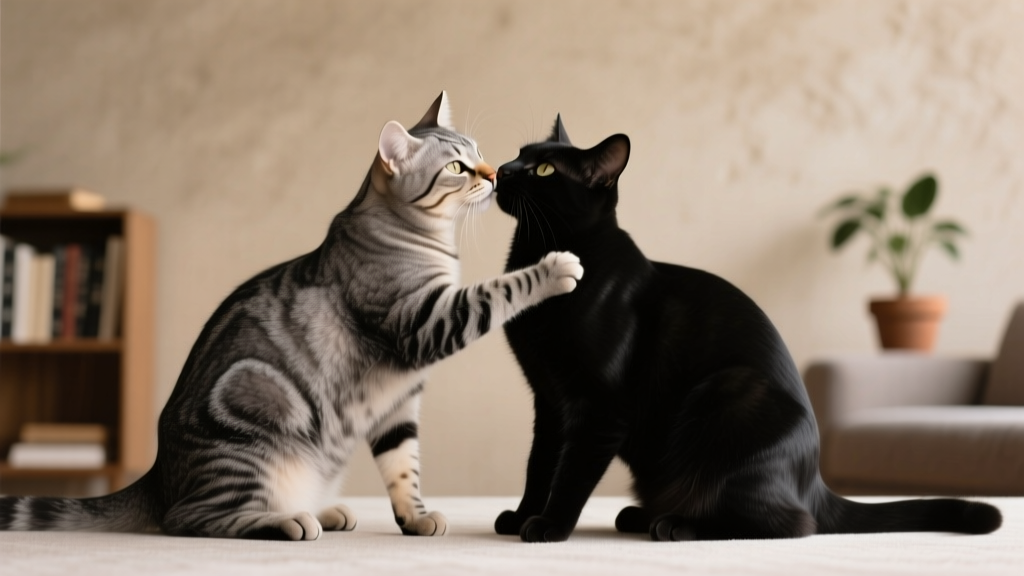
False. Cats are facultatively social—they choose companionship strategically. In optimal environments (safe, resource-rich, low competition), they form complex, cooperative colonies with shared grooming, kitten care, and communal resting. Their independence is ecological adaptation—not emotional deficiency. As Dr. John Bradshaw writes in Cat Sense: “Calling cats ‘asocial’ is like calling bees ‘antisocial’ because they don’t hug.”
Myth #2: “If my cat sleeps on me, they’re bonding—but if they sleep beside me, they don’t love me.”
Also false. Sleeping location reflects thermoregulation and security needs—not affection ranking. Some cats prefer the warmth and vibration of your chest; others find it overwhelming and choose proximity with escape routes. Both indicate trust. Watch for *voluntary* closeness over time—not just physical position.
Related Topics (Internal Link Suggestions)
- Feline Body Language Dictionary — suggested anchor text: "complete cat body language guide"
- Cat Stress Signals You’re Missing — suggested anchor text: "subtle signs of cat anxiety"
- Enrichment Ideas for Indoor Cats — suggested anchor text: "indoor cat enrichment activities"
- How to Introduce a New Cat Naturally — suggested anchor text: "stress-free cat introduction method"
- Why Does My Cat Bite Gently? — suggested anchor text: "love bites vs. aggressive biting in cats"
Your Next Step: Start Today With One 5-Minute Observation Session
Understanding cat behavior natural isn’t about mastering every nuance overnight—it’s about cultivating presence, patience, and pattern recognition. You already have everything you need: your eyes, your curiosity, and your willingness to see your cat not as a puzzle to solve, but as a fellow creature with a rich inner world shaped by evolution, not expectation. So grab a notebook or open a voice memo. Choose one quiet moment today—maybe while your cat sunbathes or watches birds—and simply watch. No labels. No judgments. Just notice: How do their ears shift when the furnace kicks on? What does their tail do when you walk into the room? How long do they hold your gaze before blinking?
This is where true understanding begins—not in textbooks, but in the quiet, sacred space between observer and observed. Ready to deepen the bond? Download our free Natural Behavior Tracker worksheet (PDF) to log your first week of observations—and receive personalized tips based on your cat’s unique signals.