What Is Typical Cat Behavior for Sleeping? 7 Surprising...
Why Your Cat’s Sleep Isn’t Lazy — It’s Evolutionary Genius
What is typical cat behavior for sleeping? It’s far more complex—and biologically essential—than most owners realize. Cats spend 12–16 hours per day asleep, often in fragmented bursts that defy human circadian logic. But this isn’t idleness: it’s a finely tuned survival strategy shaped over 30 million years of evolution. Understanding what is typical cat behavior for sleeping helps you spot early signs of pain, anxiety, or illness—and deepen your bond with a creature whose rest is as intentional as its pounce.
The Science Behind the Snooze: How & Why Cats Sleep So Much
Cats are obligate predators—but unlike lions that hunt in coordinated prides, domestic cats evolved as solitary, energy-conserving ambush hunters. Their metabolism burns calories rapidly during short, explosive bursts (up to 30 mph in under 2 seconds), so they must offset that with extended recovery periods. According to Dr. Sarah Wooten, DVM and veterinary advisor for the American Animal Hospital Association, 'A cat’s sleep isn’t downtime—it’s active neural recalibration. During deep sleep, their brain consolidates hunting sequences, processes environmental threats, and repairs muscle tissue used in micro-movements like ear swiveling and whisker tracking.'
Unlike humans, cats are polyphasic sleepers: they cycle through multiple short bouts of sleep (15–30 minutes) rather than one consolidated block. Research published in Physiology & Behavior (2022) tracked 42 indoor cats via collar-mounted accelerometers and found an average of 47 discrete sleep episodes per 24-hour period—with peak activity windows at dawn and dusk (crepuscular rhythm). This pattern persists even in homes without outdoor access, proving it’s hardwired—not learned.
Here’s what those sleep phases look like:
- Light sleep (60–70% of total sleep time): Ears twitch, eyes may flutter under lids, limbs stay semi-tense—ready to spring up in <0.8 seconds. This is where cats monitor ambient sounds, air currents, and scent shifts.
- Deep sleep (20–25%): Muscles fully relax, breathing slows, body temperature drops slightly. Critical for immune function and growth hormone release.
- REM sleep (10–15%): Rapid eye movement, facial twitches, paw paddling, and occasional soft vocalizations. Studies using fMRI confirm cats dream—likely replaying successful hunts or navigating familiar terrain.
7 Signature Sleep Positions — And What Each Reveals About Your Cat’s State of Mind
Your cat’s chosen posture isn’t random—it’s a real-time biofeedback system. Veterinarian behaviorist Dr. Tony Buffington (Ohio State University) notes, 'Sleep position is the most honest behavioral indicator we have. It requires zero training, no treats—just pure, unguarded physiology.'
Here’s how to decode them:
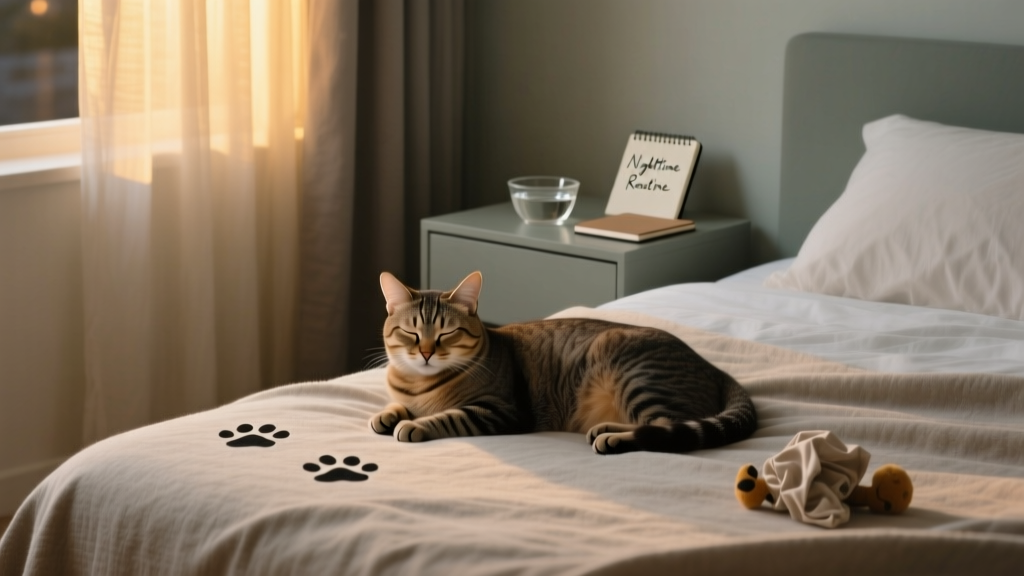
- The Loaf (paws tucked, back rounded, eyes half-closed): A low-risk alertness stance. Common in multi-cat households or new environments. Signals 'I’m resting but reserving judgment.'
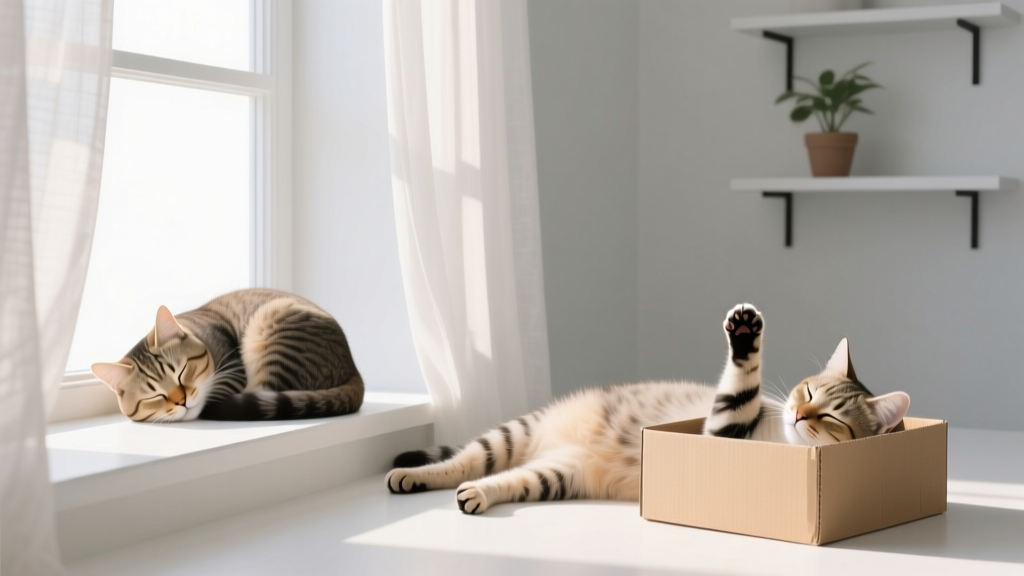
- The Pancake (belly fully exposed, legs splayed): The gold standard of trust. Only occurs when cortisol levels are low and safety is absolute. Rare in shelters—even after months of care.
- The Donut (tightly curled, nose to tail): Maximizes heat retention and protects vital organs. Dominant in kittens and senior cats; also common during cold weather or post-illness recovery.
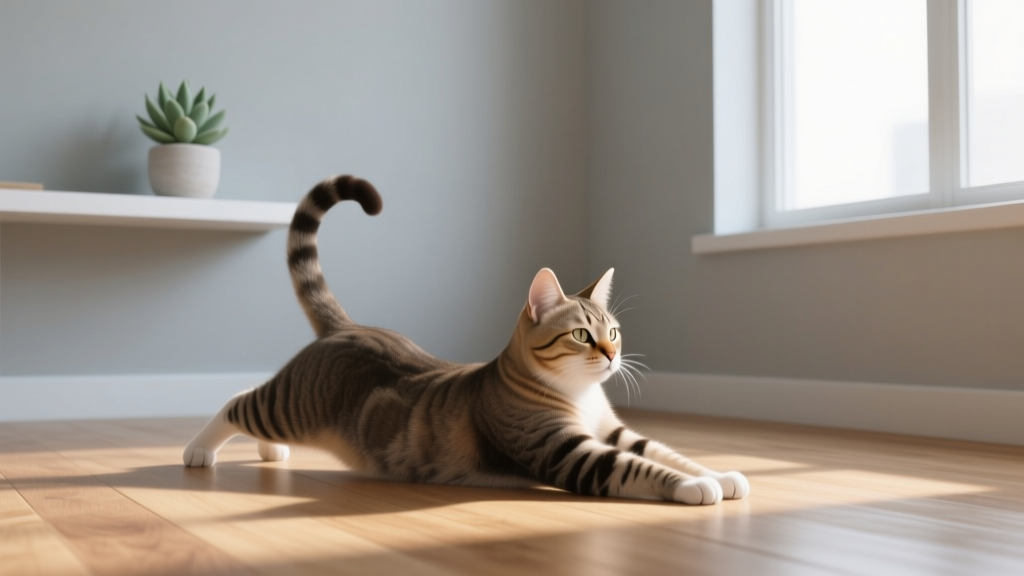
- The Superman (front legs stretched forward, hind legs extended back): Often seen on cool surfaces (tile, hardwood). Indicates thermoregulation + readiness—common before play sessions.
- The Face-Down Flop (chin on floor, limbs limp): Signals exhaustion after intense mental stimulation (e.g., puzzle feeder success or prolonged bird-watching).
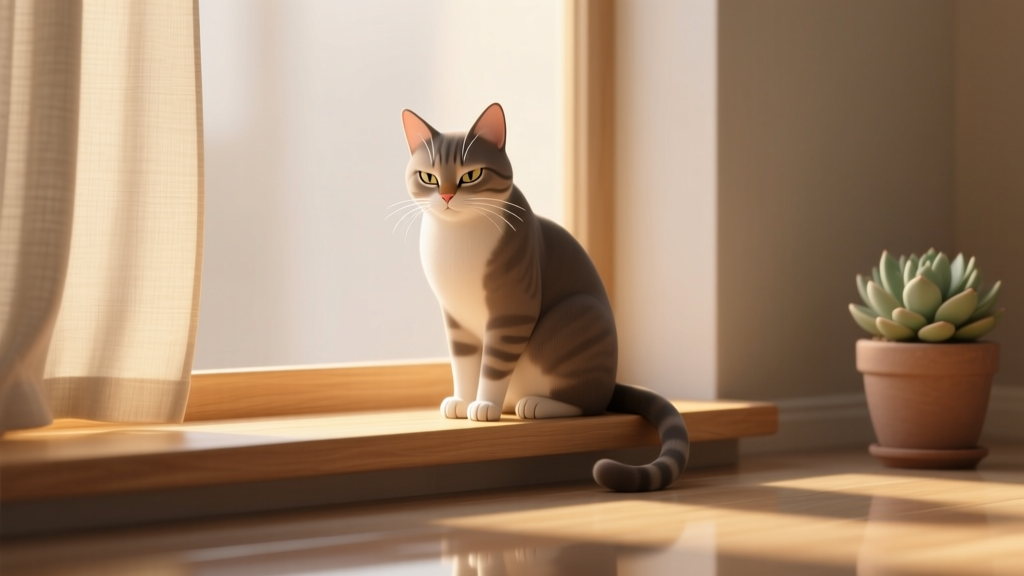
- The Perch (balanced on narrow ledge, tail wrapped around body): Combines vigilance and comfort. Allows rapid escape while conserving energy—evolutionary remnant of tree-dwelling ancestors.
- The Burrow (under blankets, inside boxes, or wedged between couch cushions): Creates acoustic dampening and tactile pressure—triggers parasympathetic nervous system activation. Proven to lower heart rate by 12–18 BPM in stressed cats (2023 UC Davis Feline Stress Study).
When ‘Typical’ Becomes a Red Flag: 5 Subtle Shifts That Warrant a Vet Visit
Changes in sleep patterns are often the first sign of trouble—before appetite loss, litter box issues, or visible limping appear. Dr. Elizabeth Colleran, past president of the American Association of Feline Practitioners, emphasizes: 'If your cat sleeps 2+ hours more or less than their baseline for >3 days—or switches positions abruptly—treat it like a fever in a toddler: investigate immediately.'
Track these clinically significant deviations:
- Increased daytime sleep + nighttime restlessness: Classic sign of hyperthyroidism or hypertension in cats over age 10.
- Sleeping exclusively in high, isolated locations: May indicate chronic pain (e.g., osteoarthritis)—cats seek elevation to avoid being approached or jostled.
- Snoring or gasping during sleep: Not normal in cats. Suggests upper airway obstruction (polyps, obesity-related narrowing, or nasopharyngeal tumors).
- Excessive twitching without REM indicators: Could point to neurological disorders like epilepsy or toxin exposure (e.g., permethrin flea treatments).
- Avoiding favorite sleeping spots: Often tied to undiagnosed dental pain—cats associate pressure on jaw muscles (from lying on chin) with discomfort.
Pro tip: Use your phone’s voice memo app to record 30 seconds of your cat’s breathing while asleep. Bring it to your vet—abnormal respiratory patterns are audible long before X-rays show changes.
Optimizing Sleep Quality: Environmental Tweaks That Boost Restorative Rest
You can’t change your cat’s genetics—but you can engineer conditions that support deeper, more restorative sleep. The 2021 International Society of Feline Medicine (ISFM) Environmental Needs Guidelines stress that sleep quality directly impacts immunity, cognition, and emotional resilience.
Try these evidence-backed upgrades:
- Thermal zoning: Provide at least three distinct temperature zones (cool tile, room-temp carpet, heated bed ~95°F). Cats self-select based on metabolic needs—seniors need warmth; kittens need cooling.
- Acoustic buffering: Place beds away from HVAC vents, dishwashers, and doorways. White noise machines set to 50–60 dB (rainforest or ocean sounds) reduce startle responses by 40% in anxious cats.
- Vertical security: Install wall-mounted shelves or cat trees near windows. Height + view = reduced hypervigilance during light sleep.
- Consistent pre-sleep rituals: 10 minutes of interactive play (feather wand) followed by a small meal triggers natural drowsiness via post-prandial insulin rise and dopamine depletion.
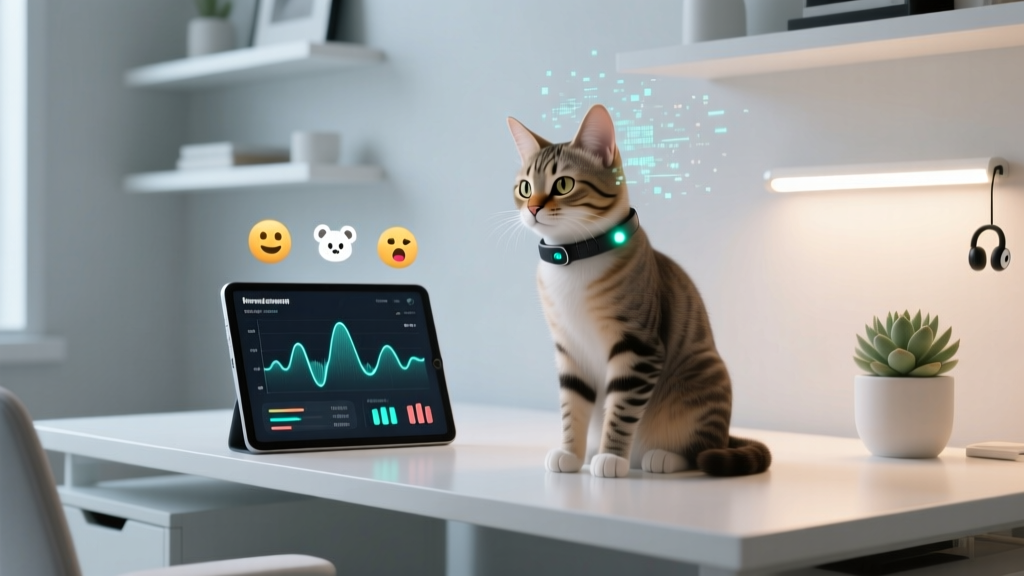
Case study: Luna, a 6-year-old Siamese with chronic insomnia, slept 3.2 hours/night before intervention. Her owner added a heated cave bed + daily 7 p.m. play session. Within 11 days, her average sleep increased to 13.7 hours—with 22% more deep sleep measured via wearable EEG collar (PetPace data).
| Sleep Indicator | Healthy Adult Cat (1–10 yrs) | Potential Concern Threshold | First Action Step |
|---|---|---|---|
| Total daily sleep | 12–16 hours | <10 hrs OR >18 hrs for >3 consecutive days | Log sleep/wake times for 72 hours + note environmental changes |
| REM frequency | 3–5 REM episodes/night (visible as twitching) | No visible REM for >2 nights OR violent thrashing | Record video + consult neurologist if thrashing present |
| Position consistency | Maintains 2–3 preferred positions | Sudden exclusive use of only 1 position (e.g., only loaf) for >5 days | Check for joint stiffness, dental tenderness, or skin lesions |
| Response to gentle touch | Wakes calmly, stretches, blinks slowly | Startles violently, hisses, or hides post-waking | Rule out pain with full physical exam + bloodwork |
| Location fidelity | Uses 3–5 regular spots (bed, window perch, closet) | Abandons all prior spots for new, hidden locations (under bed, inside laundry basket) | Assess for anxiety triggers (new pet, construction noise, visitor stress) |
Frequently Asked Questions
Do cats dream like humans do?
Yes—neurologically, they do. fMRI studies confirm cats experience REM sleep with similar brainwave patterns to humans. Their dreams likely involve sensory-rich replays: the texture of prey fur, the scent trail of a mouse, or the sound of a can opener. You’ll see telltale signs: whisker flicks, ear rotations, and tiny jaw movements. Unlike humans, cats don’t have narrative dreams—they’re experiencing raw sensory fragments, not storylines.
Why does my cat sleep on me? Is it love—or just warmth?
It’s both—and more. While body heat is a major draw (your skin is ~91°F, ideal for thermoregulation), research from the University of Lincoln shows cats who sleep on owners exhibit lower cortisol levels than those who don’t. They’re also using you as a ‘living alarm system’: your breathing and movement patterns provide real-time environmental data. Bonus: the rhythmic pressure of your chest mimics kittenhood, triggering oxytocin release. So yes—it’s love, biology, and brilliant risk assessment rolled into one purring heap.
My cat sleeps all day but stays up all night—how do I shift their schedule?
You can’t force a crepuscular animal to be diurnal—but you can compress their active window. Stop all play/feeding at 8 p.m. Instead, feed 80% of their daily calories at 5 a.m. (use an automatic feeder) and engage in vigorous 15-minute play at 4:45 a.m. This leverages their natural hunger-driven alertness. Avoid punishment or startling at night—this increases anxiety and reinforces nocturnal vigilance. Within 10–14 days, most cats shift 60–70% of activity to daylight hours.
Is it safe for cats to sleep under blankets?
Generally yes—if they choose it voluntarily and can exit freely. A 2020 study in Journal of Feline Medicine and Surgery found no CO₂ buildup under lightweight cotton blankets in adult cats. However, avoid heavy quilts, polyester fleece (traps heat), or covering kittens/seniors/brachycephalic breeds (Persians, Himalayans). Always leave an opening—and never tuck blankets tightly around them. If your cat emerges panting or disoriented, switch to breathable mesh beds.
Should I wake my cat if they’re having a nightmare?
No—intervening during REM sleep disrupts memory consolidation and may cause fear-based aggression. Instead, softly call their name from 3 feet away. If they don’t stir, wait until light sleep (ears twitch, breath deepens) before gently stroking their shoulder. Never grab or shake. Note recurring distress: if twitching includes vocalizing or thrashing >3x/week, consult a veterinary behaviorist—could indicate PTSD from past trauma or seizure disorder.
Common Myths About Cat Sleep
Myth #1: “Cats sleep so much because they’re bored.”
False. Boredom causes restlessness, not sleep. Understimulated cats nap less—and display stereotypies (excessive grooming, pacing). True lethargy stems from pain, thyroid disease, or depression.
Myth #2: “If my cat sleeps near me, they’re protecting me.”
Not quite. Cats lack pack-defense instincts. They sleep near you because you’re warm, predictable, and emit calming pheromones (especially when sleeping). It’s symbiosis—not sentry duty.
Related Topics (Internal Link Suggestions)
- Cat Body Language Guide — suggested anchor text: "decoding cat tail flicks and ear positions"
- How to Tell if Your Cat Is in Pain — suggested anchor text: "subtle signs of feline discomfort"
- Best Cat Beds for Senior Cats — suggested anchor text: "orthopedic support for aging felines"
- Why Does My Cat Stare at Me While Sleeping? — suggested anchor text: "the meaning behind your cat's sleepy gaze"
- Cat Enrichment Ideas for Indoor Cats — suggested anchor text: "mental stimulation to prevent boredom sleep"
Conclusion & Next Step
What is typical cat behavior for sleeping isn’t just about hours logged—it’s a dynamic, biologically rich language of safety, energy management, and evolutionary intelligence. Now that you can read the loaf, recognize the pancake, and spot the red-flag donut, you’re equipped to respond—not react—to your cat’s rest rhythms. Your next step? Grab your phone and film 60 seconds of your cat sleeping right now. Watch it back twice: once for position/posture, once for breathing rhythm. Then compare it to the table above. If everything aligns—you’ve just deepened your understanding of your cat’s inner world. If something feels off? Book that vet visit before symptoms escalate. Because in feline care, the quietest behaviors often speak loudest.