What Is Typical Cat Behavior for Grooming? 7 Signs Your...
Why Your Cat’s Grooming Habits Are a Window Into Their Well-Being
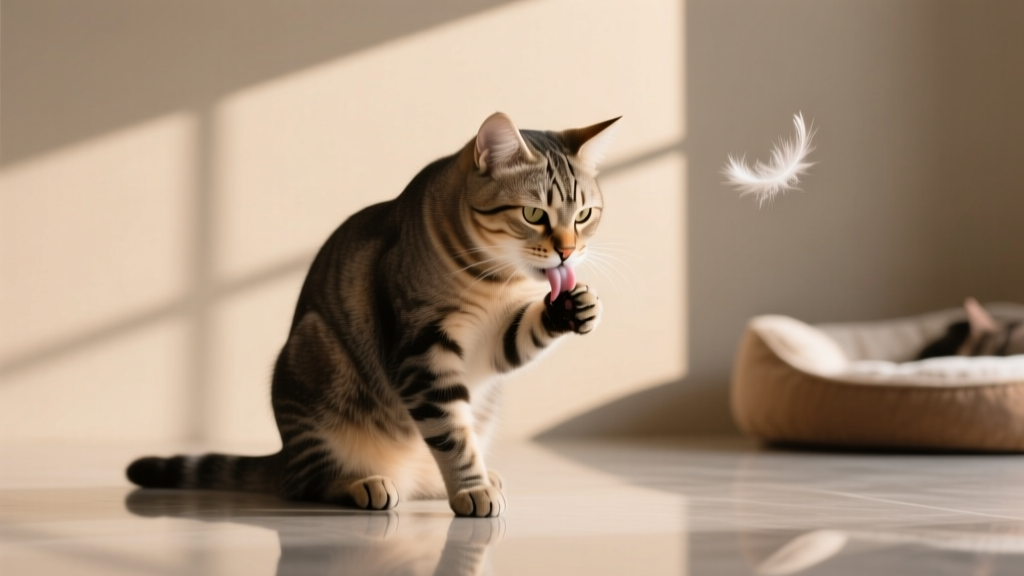
What is typical cat behavior for grooming? It’s far more than just "licking themselves clean" — it’s a complex, biologically hardwired sequence of actions that serves thermoregulation, parasite control, scent management, social bonding, and emotional regulation. In fact, healthy adult cats spend 30–50% of their waking hours grooming — an average of 2.5 to 4 hours per day, according to research published in Applied Animal Behaviour Science (2021). Yet many owners misinterpret subtle shifts in this routine as 'just being finicky' — when in reality, changes in grooming frequency, intensity, or location can be among the earliest indicators of pain, anxiety, or systemic illness. Understanding what’s truly typical isn’t just about curiosity; it’s your first line of defense in proactive feline healthcare.
The Anatomy & Rhythm of Normal Feline Grooming
Cats don’t groom randomly — they follow a highly predictable, neurologically reinforced sequence rooted in early kittenhood. By 4 weeks old, kittens begin mimicking their mother’s licking motions, and by 8 weeks, they’ve internalized the full pattern: head → shoulders → forelimbs → flanks → hindquarters → tail → genitals. This order isn’t arbitrary. The rough, backward-facing papillae on a cat’s tongue (made of keratin, like human fingernails) act like built-in combs — removing loose fur, debris, and skin flakes while stimulating sebaceous glands to distribute protective oils across the coat.
But here’s what most owners miss: grooming isn’t purely physical. Neuroimaging studies at the University of Lincoln found that self-grooming activates the same brain regions associated with calming and reward in cats — similar to how humans experience mindful breathing or repetitive tactile soothing. That’s why a stressed cat may overgroom *or* undergroom: both extremes disrupt homeostasis in the limbic system.
Veterinary behaviorist Dr. Sarah Wooten, DVM, CVFT, explains: "When I assess a cat’s mental health, I always start with grooming logs — not just ‘how much,’ but ‘where,’ ‘when,’ and ‘how.’ A cat avoiding the base of the tail or licking obsessively at one hip joint often points to undiagnosed osteoarthritis long before limping appears."
Normal vs. Not-So-Normal: The 5 Key Behavioral Benchmarks
Not all grooming looks identical — age, coat length, season, and environment create natural variation. But five consistent benchmarks define baseline health:
- Frequency: Healthy adults groom multiple times daily — typically after naps, meals, and upon waking. Kittens and seniors may groom less frequently but with equal thoroughness.
- Duration: Single sessions rarely exceed 15–20 minutes unless interrupted. Chronic sessions >30 minutes warrant investigation.
- Location focus: Even during intense grooming, cats maintain balance — no single body zone dominates >40% of total time unless recovering from localized injury.
- Social grooming (allogrooming): Common in bonded pairs, especially around the head/neck (areas unreachable alone). One-way grooming (A grooms B, but never vice versa) signals hierarchy — not pathology — unless paired with avoidance or hissing.
- Post-grooming behavior: A relaxed, contented cat will often stretch, yawn, or settle into sleep. Agitation, hiding, or vocalizing post-grooming suggests discomfort.
A real-world case illustrates this: Luna, a 9-year-old domestic shorthair, began skipping her morning grooming ritual entirely for three days — unusual for a previously fastidious cat. Her owner noted she’d also stopped jumping onto her favorite windowsill. A vet exam revealed early-stage hyperthyroidism affecting her energy metabolism — confirmed via bloodwork. Her grooming returned to baseline within 10 days of medication. This underscores how tightly linked grooming is to systemic function.
When Grooming Shifts: Decoding the Red Flags
Changes in grooming are rarely isolated. They’re part of a constellation of behavioral clues. Here’s how to interpret them with clinical precision:
- Overgrooming (psychogenic alopecia): Hair loss in symmetrical patterns — inner thighs, belly, or forelegs — with intact skin underneath often indicates anxiety, not allergies. A 2023 study in Journal of Feline Medicine and Surgery found 68% of cats diagnosed with stress-induced overgrooming showed concurrent changes in litter box use or vocalization timing.
- Undergrooming: Matted fur, oily coat, dandruff, or foul odor signal reduced mobility (arthritis), oral pain (gingivitis, tooth resorption), obesity (>20% above ideal weight), or cognitive decline. Senior cats with dental disease may avoid grooming altogether — their tongues simply hurt too much to press against inflamed gums.
- Obsessive licking at one site: Persistent focus on a single area — especially if accompanied by skin redness, scabbing, or thickening — warrants immediate dermatological workup. It could indicate flea allergy dermatitis, fungal infection, or even nerve irritation from spinal arthritis.
- Grooming aggression: If your cat growls, swats, or bites when you attempt to brush or touch areas they normally groom themselves, it’s likely guarding painful zones — not 'being difficult.'
Pro tip: Keep a simple 7-day grooming log. Note time of day, duration, body zones targeted, and your cat’s demeanor pre/post. Patterns emerge faster than you’d expect — and become invaluable for your vet.
Supporting Healthy Grooming: Practical Strategies Backed by Evidence
You can’t force a cat to groom — but you *can* optimize conditions for natural, effective self-care. These strategies are validated by veterinary behaviorists and shelter enrichment specialists:
- Brush strategically: Short-haired cats benefit from weekly rubber-bristle brushing to remove loose undercoat and stimulate oil distribution. Long-haired breeds need daily combing — but only *after* warming the coat with gentle petting (cold fur increases static and discomfort).
- Hydration matters: Dehydrated skin produces less sebum, leading to dull coats and increased flaking. Offer water via multiple sources (wide ceramic bowls, cat fountains, and moisture-rich food). A 2022 Cornell Feline Health Center trial showed cats fed 70%+ moisture diets had 32% fewer grooming-related skin issues over 6 months.
- Environmental enrichment: Boredom and stress directly suppress grooming motivation. Rotate toys weekly, install vertical spaces (cat trees >3 ft tall), and use puzzle feeders for 20% of daily calories. Enrichment doesn’t replace grooming — it restores the calm neurological state required for it.
- Nail health = grooming access: Overgrown nails impair a cat’s ability to scratch effectively — a key component of paw and leg grooming. Trim every 2–3 weeks using guillotine-style clippers; never use human clippers. Ask your vet for a demo if unsure.
| Behavioral Indicator | Typical Range (Healthy Adult) | Concern Threshold | Vet Action Trigger |
|---|---|---|---|
| Daily grooming time | 2.5 – 4 hours total (broken into 5–12 sessions) | <1 hour OR >5 hours consistently | Full physical exam + senior blood panel if >7 years old |
| Hair loss pattern | Even seasonal shedding; no bald patches | Symmetrical bald spots >1 cm diameter; broken hairs at follicle base | Dermatological exam + fungal culture + flea combing |
| Coat appearance | Shiny, smooth, minimal dander; slight oiliness near base of tail | Dull, greasy, flaky, or strongly odorous coat | Oral exam (dental disease), thyroid panel, skin cytology |
| Social grooming frequency | 1–3x/day between bonded cats; reciprocal or status-consistent | One-way grooming >5x/day + avoidance behaviors | Stress assessment + environmental audit; consider Feliway diffusers |
| Response to brushing | Tolerates 2–3 minutes of gentle brushing; may knead or purr | Flattened ears, tail lashing, or fleeing within 30 seconds | Pain evaluation (especially spine, hips, shoulders) |
Frequently Asked Questions
Why does my cat lick me — is that grooming?
Yes — and it’s a profound sign of trust. When your cat licks your hand, arm, or face, they’re treating you as part of their social group and applying the same scent-marking and bonding behaviors used with kin. This allogrooming releases oxytocin in both species. However, if licking becomes excessive, painful, or focused on one spot (e.g., your wrist vein), it may reflect redirected anxiety or sensory-seeking behavior — especially in indoor-only cats lacking environmental stimulation.
My senior cat stopped grooming — is this just aging?
No — it’s a red flag. While mild slowing occurs after age 12, complete cessation or severe reduction is abnormal. Arthritis (especially in elbows, hips, and spine) is the #1 cause — making bending, stretching, or tongue extension painful. Dental disease, kidney disease, and cognitive dysfunction also contribute. A 2020 study in Veterinary Record found 89% of geriatric cats with grooming decline had at least one treatable underlying condition identified within 3 weeks of diagnostics.
Can stress really make my cat overgroom?
Absolutely — and it’s clinically significant. Stress triggers cortisol release, which alters serotonin pathways in the feline brain, lowering the threshold for compulsive behaviors. Environmental stressors like new pets, construction noise, or even rearranged furniture can initiate psychogenic alopecia. Crucially, anti-anxiety meds (like fluoxetine) combined with environmental modification resolve overgrooming in ~75% of cases within 8–12 weeks — but only if diagnosed early.
Is it safe to bathe my cat to help with grooming?
Rarely — and usually counterproductive. Cats’ skin pH (6.2–7.4) differs significantly from dogs and humans. Most commercial shampoos disrupt their acid mantle, causing dryness, inflammation, and secondary infections. Bathing also strips vital sebum, prompting rebound oil overproduction and matting. Exceptions: topical pesticide exposure, severe tar/oil contamination, or veterinary-directed medicated baths for specific dermatoses. Always use pH-balanced feline formulas — and never submerge the head.
Do hairless cats like Sphynx skip grooming entirely?
Quite the opposite — they groom *more*, but differently. Without fur, Sphynx cats accumulate sebum, sweat, and environmental debris directly on skin. They lick and rub constantly to manage oils — often developing 'greasy' chin acne or blackheads if wiped daily with hypoallergenic, alcohol-free wipes. Their grooming is functional, not aesthetic — and requires active human support (weekly bathing with gentle oatmeal cleanser) to prevent clogged pores and yeast overgrowth.
Common Myths About Cat Grooming
Myth 1: "Cats groom to stay cool — that’s why they do it more in summer."
False. While evaporation from saliva provides minor cooling, cats primarily thermoregulate through paw pads and ear vasculature. Increased summer grooming is actually due to accelerated shedding cycles triggered by photoperiod (daylight length), not heat. Indoor cats on constant lighting often shed year-round.
Myth 2: "If my cat grooms a lot, their coat must be healthy."
Not necessarily. Overgrooming can *cause* skin damage — breaking hair shafts, inflaming follicles, and introducing bacteria from the mouth. A shiny coat doesn’t rule out underlying anxiety, pain, or endocrine disease. Always assess context: location, timing, and concurrent behaviors.
Related Topics (Internal Link Suggestions)
- Feline Stress Signals — suggested anchor text: "subtle signs your cat is stressed"
- Cat Dental Health Checklist — suggested anchor text: "how to check your cat’s teeth at home"
- Senior Cat Care Timeline — suggested anchor text: "veterinary screening schedule for older cats"
- Best Brushes for Long-Haired Cats — suggested anchor text: "gentle deshedding tools that won’t hurt"
- Understanding Cat Body Language — suggested anchor text: "what your cat’s tail and ears really mean"
Conclusion & Next Step
What is typical cat behavior for grooming isn’t a static checklist — it’s a dynamic, individualized signature of wellness. By learning your cat’s personal rhythm, you gain an irreplaceable diagnostic tool that works 24/7, silently reporting shifts long before lab tests or physical exams catch them. Don’t wait for mats or bald spots to appear. Start tonight: set a timer for 5 minutes and observe your cat’s next grooming session. Note where they start, how long they linger on each zone, and whether they pause to blink slowly or stretch afterward. Then, download our free 7-Day Feline Grooming Tracker — a printable, vet-reviewed log designed to spot patterns in under 3 minutes per day. Because when it comes to your cat’s health, the most powerful tool isn’t in the clinic — it’s in your quiet observation, your consistent care, and your willingness to notice what others overlook.