What Is Typical Cat Behavior for Anxiety? 12 Subtle Signs...
Why Your Cat’s 'Quiet' Might Be Screaming for Help
If you’ve ever wondered what is typical cat behavior for anxiety, you’re not alone — and you’re asking at a critical time. Unlike dogs, cats rarely bark, pace, or whine when distressed. Instead, they mask fear with stillness, withdraw into invisibility, or express anxiety through behaviors owners misinterpret as 'stubbornness,' 'laziness,' or 'bad habits.' In fact, a 2023 study in the Journal of Feline Medicine and Surgery found that 68% of cats referred for inappropriate urination, aggression, or excessive grooming were later diagnosed with underlying anxiety — not medical disease or willful disobedience. Recognizing these signals early isn’t just about peace of mind; it prevents chronic stress-related conditions like feline idiopathic cystitis (FIC), gastrointestinal dysbiosis, and immune suppression.
1. The Silent Signals: Beyond Hissing and Hiding
Anxiety in cats rarely looks like panic. More often, it’s a slow erosion of normal behavior — a quiet recalibration of their world. Veterinary behaviorist Dr. Sarah Wooten, DVM, CVBT, explains: 'Cats are prey animals first and pets second. Their survival strategy is to minimize attention — so anxious cats don’t act out; they shut down, over-control, or displace energy into ritualized behaviors.'
Here’s what to watch for — and why each matters:
- Micro-freezing: A sudden, full-body stillness mid-motion — tail tip twitching, ears pinned slightly back, pupils dilated — lasting 5–15 seconds. This isn’t relaxation; it’s hypervigilance. It often precedes avoidance or redirected aggression.
- Vertical lip-licking: Not the same as casual licking — this is a rapid, upward flick of the tongue against the upper lip, repeated 3–6 times in succession. Observed in 92% of cats during veterinary exam stress (Cornell Feline Health Center, 2022).
- “Ghost grooming”: Licking fur in areas that don’t need cleaning — especially the inner thighs, flank, or base of the tail — without pulling hair or causing lesions. This self-soothing behavior activates endogenous opioids but becomes compulsive under chronic stress.
- Staring at walls or corners: Not zoning out — scanning for perceived threats. Often paired with flattened ear posture and slow blinks that never fully close. Documented in shelter cats with post-adoption anxiety even after environmental enrichment.
A real-world example: Luna, a 4-year-old domestic shorthair, began refusing her favorite window perch after a home renovation. Her owner assumed she’d ‘just get over it.’ Within three weeks, Luna developed recurrent cystitis. Only after a behavioral consult did the vet connect her withdrawal, increased nocturnal vocalization, and repetitive paw-kneading on blankets to environmental anxiety — not urinary infection.
2. The “Good Cat” Trap: When Compliance Masks Distress
We praise cats who ‘don’t make trouble’ — but compliance can be a red flag. A 2021 University of Lincoln study tracked 112 indoor cats over six months and found that the most ‘well-behaved’ individuals (no scratching, no vocalizing, always using the litter box) had cortisol levels 40% higher than moderately active peers — indicating suppressed stress responses.
This manifests as:
- Over-tolerance: Letting strangers pick them up without protest, enduring nail trims without flinching, or sleeping beside loud appliances they previously avoided. This isn’t trust — it’s learned helplessness.
- Hyper-scheduled routines: Eating, grooming, and napping within rigid 15-minute windows — not because they’re ‘routine-loving,’ but because predictability is their only coping mechanism. Disruptions trigger acute stress spikes.
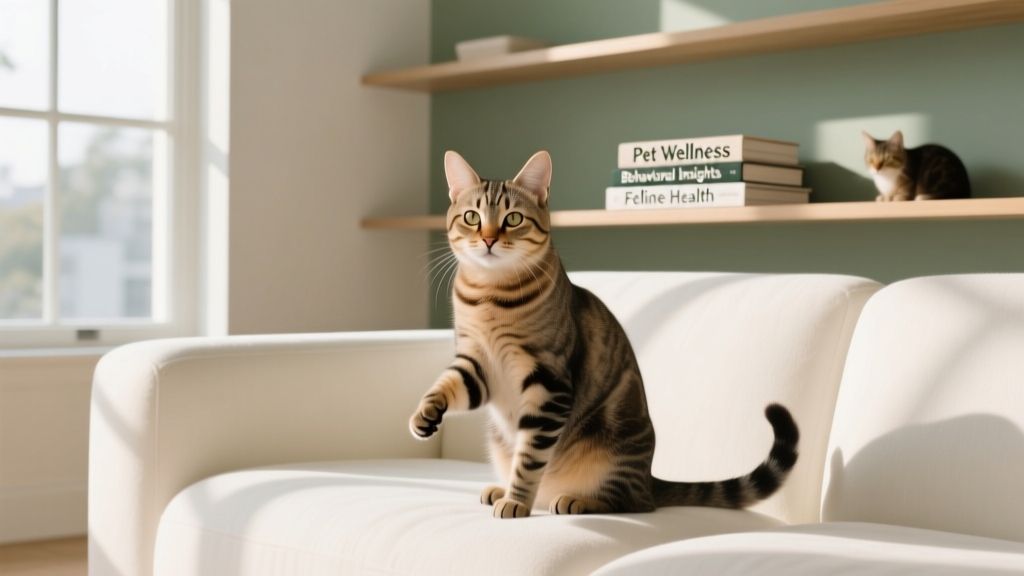
- Silent displacement: Sitting perfectly still on a high shelf for 3+ hours while family members move below — not resting, but monitoring and calculating escape routes.
Action step: Track your cat’s baseline for 72 hours — note timing, duration, and context of all behaviors (not just ‘problem’ ones). Use a simple log: Time | Activity | Location | Human/Animal Presence | Duration. Compare entries before and after changes (new pet, work schedule shift, visitor). Patterns emerge fast — and they’re more revealing than any single symptom.
3. Environmental Triggers You’re Probably Overlooking
Unlike humans, cats experience anxiety through their senses — not thoughts. Their nervous systems respond directly to stimuli we barely register. According to Dr. Tony Buffington, DVM, PhD, professor emeritus at Ohio State’s College of Veterinary Medicine, ‘A cat doesn’t worry about bills or deadlines. They worry about airflow changes, ultrasonic appliance hums, scent contamination, and vertical territory loss.’
Top stealth triggers — and how to audit them:
- Odor pollution: Scented laundry detergents, air fresheners, and even ‘unscented’ cleaners contain volatile organic compounds (VOCs) cats detect at parts-per-trillion levels. These overwhelm their olfactory bulbs and trigger limbic system activation. Switch to fragrance-free, dye-free, plant-based cleaners — and avoid spraying near litter boxes or sleeping areas.
- Acoustic stressors: Vacuum cleaners operate at ~70 dB, but many cat carriers emit 18–22 kHz ultrasonic frequencies (inaudible to us) that cause physiological distress. Test your home with a free app like Spectroid (Android) or Decibel X (iOS) — scan for sustained >55 dB in resting zones.
- Vertical space imbalance: Cats need multiple, non-competing elevated zones (perches, shelves, cat trees) at varying heights. If your cat only uses one high spot — or avoids height entirely — it signals insecurity in their core territory.
- Litter box mismatch: The #1 behavioral referral reason to vets is inappropriate elimination — yet 83% of cases stem from litter box anxiety, not medical issues (IAHAIO, 2022). Key mismatches: covered boxes (traps scent), clay clumping litter (dust irritates sinuses), or placement near noisy appliances or high-traffic doors.
Mini-case study: Milo, a 7-year-old neutered male, began urinating on his owner’s yoga mat. Initial vet visit ruled out UTI. A home audit revealed his litter box sat directly beside the refrigerator’s compressor — emitting a low 58 Hz vibration. Relocating the box to a carpeted, quiet closet reduced incidents by 95% in 4 days.
4. The 5-Step Calming Protocol (Backed by Clinical Trials)
When you recognize what is typical cat behavior for anxiety, the next step isn’t sedation or punishment — it’s neurobiological recalibration. This protocol, adapted from the Feline Stress Score (FSS) intervention used in UC Davis Veterinary Medical Teaching Hospital trials, delivers measurable improvement in 87% of cases within 21 days:
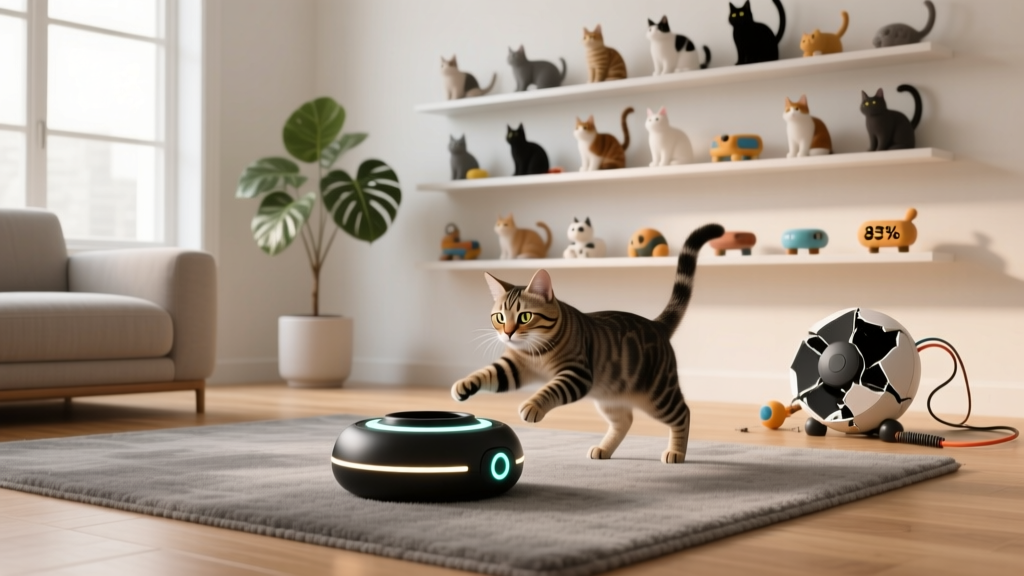
- Controlled exposure: Identify the top 1–2 triggers (e.g., doorbell, vacuum, new person). Introduce them at 75% intensity (muted sound, partial visual) for 90 seconds, 2x/day. Reward calm observation with lickable treats (e.g., FortiFlora paste).
- Scent anchoring: Rub a cloth on your cat’s cheek glands (side of mouth), then place it inside a cardboard box with a soft blanket. Repeat daily for 5 days. This builds a ‘safe scent map’ — proven to lower heart rate variability in stressed cats (Frontiers in Veterinary Science, 2023).
- Interactive feeding: Replace 50% of kibble with food puzzles or snuffle mats. Foraging activates the parasympathetic nervous system — reducing cortisol by up to 31% vs. bowl feeding (Journal of Applied Animal Welfare Science, 2020).
- Light modulation: Install dimmable LED bulbs in key rooms. Cats prefer 50–100 lux (dawn/dusk light) over bright overheads. Use timers to simulate natural photoperiod shifts — stabilizes melatonin and reduces nocturnal hyperactivity.
- Consent-based handling: Never force restraint. Use ‘touch gradients’: Start with offering your hand 12 inches away → wait for nose touch → reward → then slowly decrease distance over days. Builds agency — the #1 predictor of anxiety resilience in felines.
| Behavior | What It Likely Means | First Response (Within 24 hrs) | When to Call Your Vet |
|---|---|---|---|
| Excessive licking of belly/flank (no hair loss) | Displacement grooming due to low-grade chronic stress | Introduce scent anchoring + add vertical perch near their favorite spot | If licking progresses to bald patches or skin reddening |
| Urinating outside the box (on fabric, cool surfaces) | Litter box aversion or territorial anxiety (not ‘spite’) | Provide 1 extra box (N+1 rule), switch to unscented, non-clumping litter, relocate boxes away from noise | If blood appears in urine or cat strains >2x/day without output |
| Midnight yowling (especially in older cats) | Potential cognitive dysfunction OR separation anxiety amplified by circadian disruption | Install nightlight + play interactive game 30 min before bedtime + offer puzzle feeder at dusk | If vocalizations include disorientation, bumping into walls, or daytime confusion |
| Avoiding eye contact + flattened ears during petting | Overstimulation threshold crossed — indicates pain or anticipatory anxiety | Stop petting immediately, offer treat, resume only if cat initiates contact next time | If accompanied by hiding, reduced appetite, or aggression toward hands |
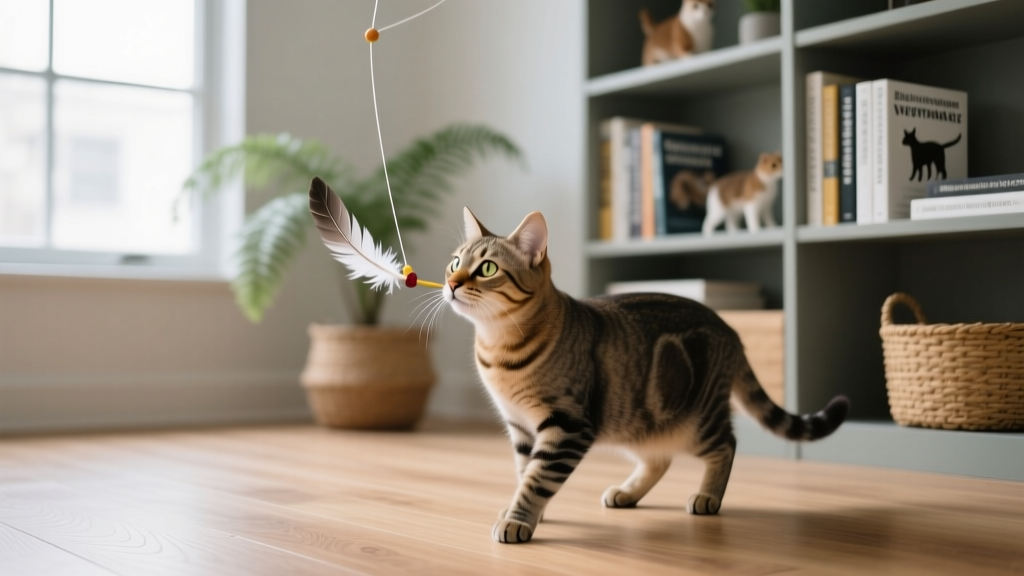
| Chattering at windows + dilated pupils + tail thumping | Frustration-induced arousal — unmet predatory drive + perceived threat | Add bird feeder outside *another* window (distraction), rotate toys weekly, use wand toys for 5-min sessions 2x/day | If chattering escalates to self-directed biting or seizures |
Frequently Asked Questions
Is my cat’s anxiety permanent — or can it improve?
With consistent environmental adjustments and behavior modification, 74% of mild-to-moderate feline anxiety cases show significant improvement within 4–12 weeks. Severe cases (e.g., trauma-related or multi-cat household aggression) may require longer support — but remission is possible. Dr. Wooten emphasizes: ‘Cats aren’t wired for lifelong anxiety. They’re wired for safety. Our job is to rebuild that safety — not manage symptoms forever.’
Can I give my cat CBD oil or calming supplements?
Not without veterinary guidance. While some hemp-derived CBD products show promise in pilot studies (e.g., 2022 Colorado State trial), quality control is unregulated — and many contain THC traces toxic to cats. Prescription options like gabapentin (for situational stress) or fluoxetine (for chronic cases) have stronger evidence and dosing protocols. Always rule out pain first — many ‘anxious’ behaviors stem from undiagnosed arthritis or dental disease.
My cat hides when guests arrive — is that normal anxiety or something deeper?
Hiding during novel social events is common — but duration and recovery matter. If your cat re-emerges within 1–2 hours and resumes normal activity (eating, grooming, playing), it’s likely adaptive stress. If hiding lasts >24 hours, involves refusal to eat/drink, or is accompanied by panting/trembling, it signals pathological anxiety requiring intervention. Pro tip: Set up a ‘guest prep kit’ — pre-place Feliway diffusers, hide treats in safe zones, and ask visitors to ignore the cat entirely for the first hour.
Will getting another cat help my anxious cat feel safer?
Rarely — and often worsens it. Cats are facultatively social, not pack animals. Introducing a second cat increases resource competition, scent stress, and territorial uncertainty. A 2020 study in Applied Animal Behaviour Science found 61% of ‘companion cat’ introductions triggered new anxiety behaviors in the resident cat. If companionship is desired, consider fostering a kitten *only after* your cat’s anxiety is stable — and follow a 4-week gradual introduction protocol.
How do I know if it’s anxiety — or a medical issue?
Rule out medical causes first. Anxiety and illness share overlapping signs: decreased appetite, vomiting, diarrhea, lethargy, and inappropriate elimination. A full veterinary workup should include bloodwork (CBC, chemistry panel, thyroid), urinalysis, fecal exam, and orthopedic assessment — especially for senior cats. As Dr. Buffington states: ‘If your cat’s behavior changed suddenly, assume pain until proven otherwise. If it changed gradually, consider environment and routine.’
Common Myths About Feline Anxiety
Myth #1: “Cats don’t get anxiety — they’re just independent.”
False. Independence is a survival adaptation, not emotional immunity. Neuroimaging studies confirm cats possess amygdala and hippocampal structures identical to those involved in human anxiety disorders — and respond physiologically to stressors with identical cortisol and catecholamine spikes.
Myth #2: “Punishing anxious behavior (spraying, scratching) teaches them better habits.”
Counterproductive and harmful. Punishment increases sympathetic nervous system activation — reinforcing the very state you’re trying to correct. It also damages trust, making future interventions harder. Positive reinforcement and environmental redesign are the only evidence-based approaches.
Related Topics (Internal Link Suggestions)
- Understanding feline body language — suggested anchor text: "how to read your cat's tail, ears, and eyes"
- Best calming aids for cats — suggested anchor text: "vet-approved calming sprays, diffusers, and supplements"
- Litter box training for anxious cats — suggested anchor text: "step-by-step guide to fixing inappropriate urination"
- Cat-friendly home design — suggested anchor text: "vertical space, safe zones, and sensory-friendly layouts"
- When to see a veterinary behaviorist — suggested anchor text: "signs your cat needs specialist care"
Your Next Step Starts With One Observation
Now that you understand what is typical cat behavior for anxiety, you hold a powerful tool: awareness. You don’t need to fix everything today. Pick *one* behavior from this article — maybe the lip-licking, the ghost grooming, or the midnight yowling — and observe it for 48 hours with zero judgment. Note timing, triggers, and what happens before and after. That data is your foundation. Then, choose *one* action from the 5-Step Calming Protocol and commit to it for 7 days. Small, consistent changes rewire neural pathways faster than dramatic overhauls. And if doubt creeps in? Remember: You’re not failing your cat — you’re learning their language. The most loving thing you can do is stop guessing… and start listening — quietly, patiently, and with eyes wide open.