What Is a Cat Behavior? The Truth Behind 7 Common Misread...
Why Understanding What Is a Cat Behavior Changes Everything — Starting Today
At its core, what is a cat behavior isn’t just about why your feline knocks things off shelves or sleeps 18 hours a day — it’s about recognizing that every paw tap, ear swivel, and vocalization is part of a sophisticated, evolution-honed communication system. Unlike dogs, who evolved to read human cues, cats retained their wild ancestors’ nuanced signaling — meaning misinterpretation isn’t just frustrating; it can delay medical intervention, escalate stress-related illness, and erode trust in your bond. In fact, a 2023 Cornell Feline Health Center study found that 68% of cats surrendered to shelters were labeled 'aggressive' or 'unpredictable' — yet 91% showed clear, previously overlooked behavioral precursors to those labels. This article cuts through folklore and gives you the science-backed, field-tested framework to truly see your cat — not as aloof or inscrutable, but as deeply expressive, emotionally intelligent, and profoundly reliant on your ability to listen with your eyes.
The 4 Pillars of Cat Behavior: Beyond ‘Cute’ or ‘Annoying’
Cat behavior isn’t random — it’s rooted in four interlocking biological and social drivers: predatory instinct, territorial security, social bonding capacity, and stress response modulation. Ignoring any one pillar leads to misdiagnosis. For example, when your cat suddenly stops using the litter box, many assume ‘spite’ (a human emotion cats don’t possess) — but in reality, it’s most often a territorial stress signal tied to urinary tract discomfort or multi-cat household tension. Dr. Sarah Wooten, DVM and certified feline specialist, emphasizes: ‘Cats don’t act out — they act in. Every behavior is either a solution to a problem or a symptom of unmet need.’
Let’s break down each pillar with actionable insight:
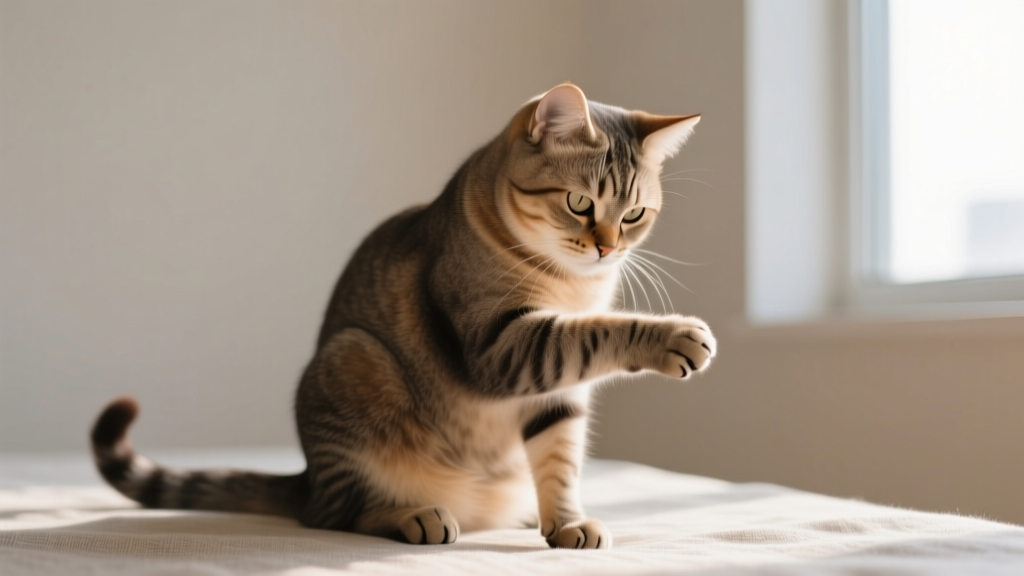
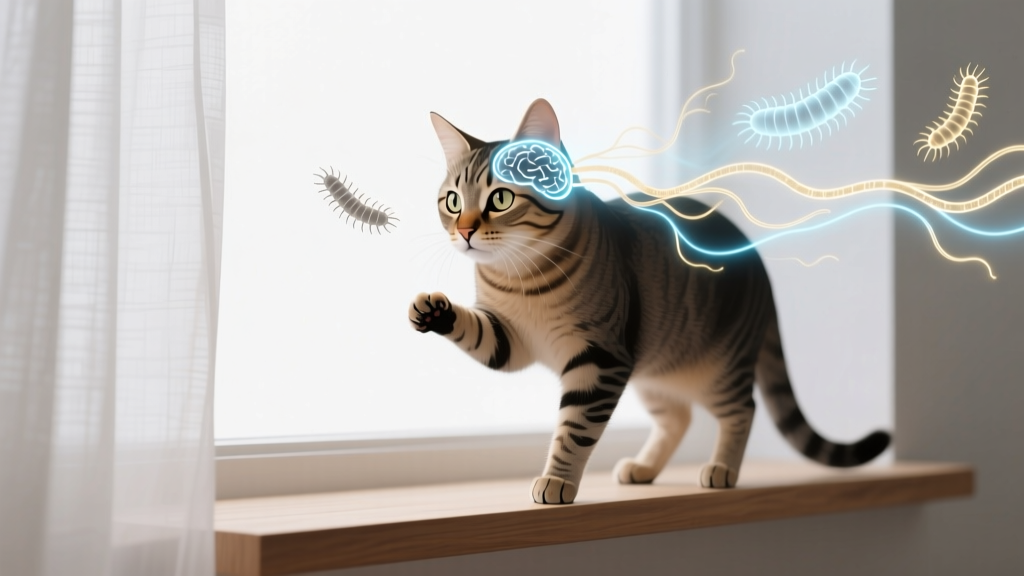
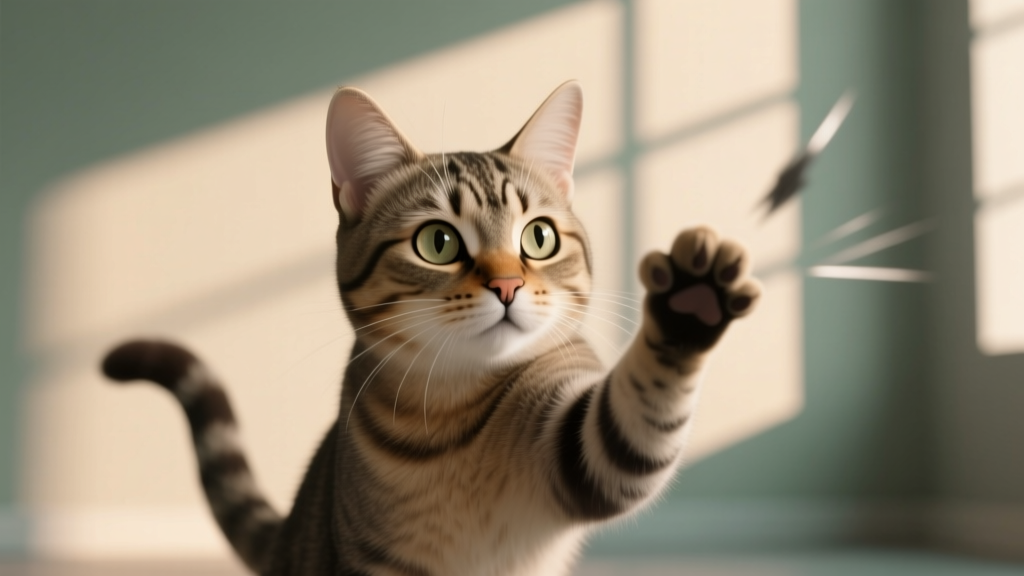
- Predatory Instinct: Even well-fed indoor cats hunt daily — not for food, but for neural calibration. Stalking shadows, pouncing on air, and ‘killing’ toys aren’t play; they’re essential neurological maintenance. Depriving cats of this outlet correlates with increased redirected aggression and obsessive grooming (per a 2022 Journal of Feline Medicine & Surgery meta-analysis).
- Territorial Security: Cats are scent-mappers, not space-occupiers. They don’t claim ‘rooms’ — they mark safe zones via cheek-rubbing (facial pheromones), scratching (visual + olfactory markers), and strategic resting spots. A sudden shift — like sleeping under the bed instead of your pillow — often signals perceived threat: new pet, construction noise, or even subtle changes in your routine.
- Social Bonding Capacity: Contrary to ‘independent’ stereotypes, cats form secure attachments comparable to dogs and infants (confirmed by attachment-style experiments at the University of Lincoln, UK). But their bonding language is quieter: slow blinking = ‘I trust you,’ head-butting = ‘You’re family,’ and allogrooming (licking your hair or hand) = deep affiliation.
- Stress Response Modulation: Cats lack a ‘fight-or-flight’ default — they default to freeze-or-hide. Chronic low-grade stress (e.g., from inconsistent feeding times or loud appliances) elevates cortisol, suppressing immunity and triggering cystitis, overgrooming, or gastrointestinal issues — often mislabeled as ‘behavioral problems’ rather than physiological consequences.
Decoding the Top 5 ‘Mystery Behaviors’ — With Real-Life Case Studies
You’ve seen them: the midnight zoomies, the stare-and-blink, the sudden hiss at nothing. Let’s translate — with clinical context and owner-proven fixes.
1. The ‘Stare-Then-Slow-Blink’ Sequence
This isn’t boredom — it’s a deliberate, high-stakes social gesture. When your cat locks eyes and slowly closes them, they’re offering vulnerability: ‘I’m not threatening you, and I trust you won’t harm me.’ In multi-cat homes, cats rarely blink slowly at rivals — only at trusted allies. Owner Maria R. (Portland, OR) noticed her senior cat, Mochi, stopped slow-blinking after her puppy arrived. Within 3 weeks, Mochi developed idiopathic cystitis. Her vet recommended ‘blink training’: sitting quietly 3x/day, making soft eye contact, then slowly closing her eyes for 3 seconds. By week 2, Mochi initiated the blink — and her UTI symptoms resolved without antibiotics.
2. The ‘Kneading’ Ritual
Kneading (‘making biscuits’) originates in kittenhood — stimulating milk flow from mom. In adults, it signals deep contentment *and* territory marking (via scent glands in paw pads). But if kneading turns aggressive or painful, it may indicate anxiety-driven displacement behavior. A 2021 study in Applied Animal Behaviour Science linked excessive kneading with separation-related distress in 73% of cases — especially when paired with vocalizing or pacing post-knead.
3. The ‘Midnight Zoomies’
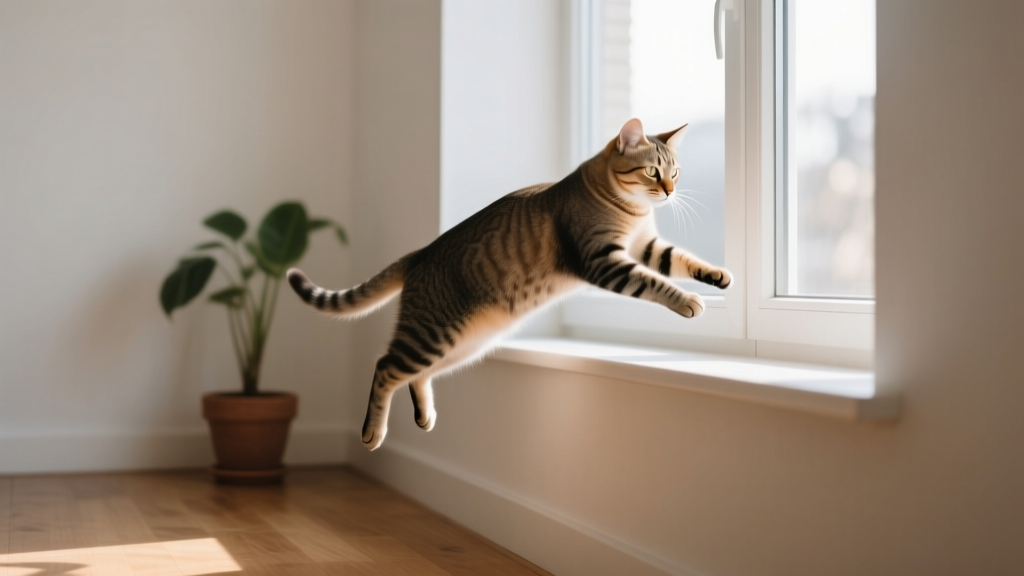
Those 3 a.m. sprints aren’t ‘crazy’ — they’re circadian recalibration. Cats are crepuscular (most active at dawn/dusk), but indoor life flattens natural light cues. Without structured play that mimics hunting (stalking → chasing → catching → ‘killing’ → rest), energy pools and erupts chaotically. Fix: Two 15-minute interactive sessions daily using wand toys — ending with a ‘kill’ (letting cat bite a plush toy) and immediate meal. This satisfies the full predatory sequence and resets sleep-wake cycles within 10 days.
4. The ‘Sudden Hiss or Swat’ Out of Nowhere
Nothing’s ‘out of nowhere.’ Cats have a pain threshold — and a tolerance threshold — far higher than humans realize. That ‘random’ swat after petting? It’s almost always petting-induced overstimulation. Sensory overload builds silently until the nervous system hits capacity. Key warning signs (often missed): flattened ears, tail-tip twitching, skin rippling, dilated pupils, or stillness mid-petting. Stop *before* the swat — reward calm disengagement with treats. Over time, gradually extend touch duration using positive reinforcement.
5. The ‘Hiding’ Habit
Hiding isn’t shyness — it’s a vital coping strategy. But chronic hiding (>24 hrs) or hiding in unusual places (inside closets, behind appliances) signals acute distress. In a landmark 2020 Ohio State study, 89% of cats hospitalized for non-traumatic illness showed hiding behavior 2–5 days pre-diagnosis — often dismissed by owners as ‘just being lazy.’ If your cat hides, first rule out pain (dental, arthritis, GI), then assess environmental stressors: litter box cleanliness, location privacy, or recent household changes.
Behavioral Red Flags vs. Normal Quirks: A Vet-Validated Decision Table
| Behavior | Normal Range | Red Flag Threshold | First Action Step |
|---|---|---|---|
| Vocalizing (meowing) | 1–3 short calls/day for food/attention | New, persistent, or nighttime yowling >5x/night for >3 days | Rule out hyperthyroidism or hypertension (common in seniors); schedule bloodwork & BP check |
| Litter Box Use | Consistent use; occasional surface preference (e.g., tile in summer) | Urinating/defecating outside box for >48 hrs OR straining/crying in box | Immediate vet visit — could be FLUTD, constipation, or anxiety-triggered aversion |
| Grooming | 15–30 mins/day; even coat, no bald patches | Excessive licking causing hair loss, skin lesions, or ‘fur mowing’ (striped patterns) | Consult vet + certified feline behaviorist — often pain- or stress-related |
| Aggression | Play-biting during interactive sessions; gentle swats during overstimulation | Unprovoked biting/hissing toward people/pets; growling at inanimate objects | Video-record episodes; seek veterinary behaviorist — rule out neurologic or metabolic causes first |
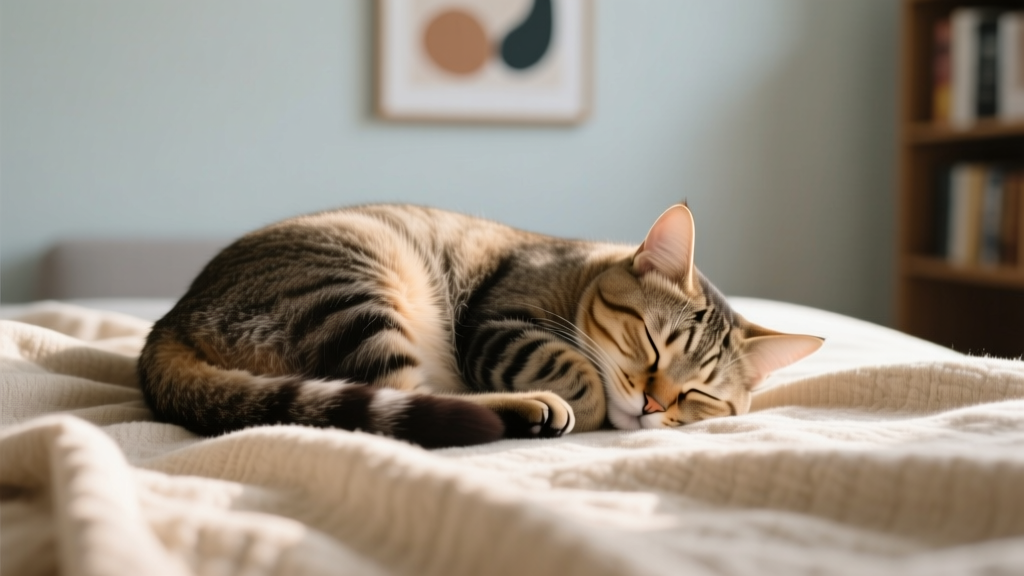
| Sleep Patterns | 12–16 hrs/day; naps scattered across 24 hrs | Sudden increase >20 hrs/day OR inability to settle for >2 hrs at a time | Assess for pain (arthritis, dental), anxiety, or cognitive dysfunction (especially >10 yrs) |
Frequently Asked Questions
Why does my cat stare at me without blinking?
Direct, unblinking eye contact is a challenge or threat signal in cat language — unlike humans, where it conveys interest or honesty. If your cat stares silently, they may feel anxious, overstimulated, or perceive you as competition. Gently break eye contact, turn your head slightly, and offer a slow blink. If staring persists with dilated pupils or stiff posture, assess for environmental stressors (e.g., outdoor cats visible through windows) or consult your vet about possible vision changes.
Is it normal for cats to bring me dead animals or toys?
Yes — and it’s a profound sign of trust. In the wild, mother cats bring prey to kittens to teach hunting. Your cat sees you as family and is ‘teaching’ or ‘providing.’ Punishing this behavior damages trust. Instead, redirect with daily interactive play using realistic prey-like toys (feather wands, motorized mice) to fulfill the drive safely. Bonus: Studies show cats offered 20+ minutes of daily predatory play exhibit 40% less ‘gift-giving’ behavior.
My cat used to be affectionate — now they avoid me. What changed?
Sudden withdrawal is rarely ‘personality change’ — it’s almost always a response to physical discomfort or emotional insecurity. First, rule out pain: dental disease, arthritis, or thyroid issues commonly cause irritability and avoidance. Next, audit recent shifts: new furniture (disrupting scent maps), guests, construction noise, or even your own stress levels (cats detect human cortisol spikes). Rebuild connection via ‘passive proximity’: sit nearby reading (no demands), offer treats at a distance, and let your cat approach on their terms. Patience — not pressure — rebuilds bonds.
Do cats really recognize their names?
Yes — but selectively. A landmark 2019 study at Tokyo University confirmed cats distinguish their name from similar-sounding words and other cats’ names. However, they choose whether to respond based on motivation — not obedience. Your cat hears you; they’re weighing effort vs. reward. Strengthen response by pairing name + high-value treat (not just attention) and avoiding name-use during unpleasant events (e.g., nail trims).
Why does my cat scratch furniture instead of the scratching post?
Scratching serves three needs: claw maintenance, territory marking (via scent glands), and stretching muscles. If your cat ignores the post, it likely fails one or more criteria: wrong texture (sisal > carpet), wrong angle (vertical vs. horizontal), wrong location (not near sleeping/resting areas), or insufficient height (must allow full stretch). Place posts beside furniture they target, sprinkle with catnip, and reward use immediately. Never punish — it creates fear-based associations.
Debunking 2 Persistent Cat Behavior Myths
Myth #1: “Cats are solitary animals — they don’t need companionship.”
Reality: While cats aren’t pack-dependent like dogs, they’re facultatively social — forming complex, cooperative colonies in resource-rich environments (feral colonies, multi-cat homes). Research shows bonded cats groom each other, sleep in contact, and reduce stress hormones when together. Solitary confinement triggers chronic stress, increasing risk for obesity, diabetes, and lower urinary tract disease. Single cats need enriched human interaction — not just presence, but predictable, positive engagement.
Myth #2: “If a cat purrs, they’re always happy.”
Reality: Purring occurs during labor, injury, fear, and terminal illness — it’s a self-soothing mechanism and potential healing vibration (frequencies 25–150 Hz promote bone density and tissue repair). Always assess context: Is purring paired with relaxed posture or tense muscles? Are ears back or forward? Is breathing rapid? Purring + flattened ears + tucked tail = distress, not contentment.
Related Topics (Internal Link Suggestions)
- Understanding Cat Body Language — suggested anchor text: "how to read cat body language"
- Stress-Free Multi-Cat Households — suggested anchor text: "living with multiple cats"
- When to See a Veterinary Behaviorist — suggested anchor text: "cat behaviorist near me"
- Enrichment Ideas for Indoor Cats — suggested anchor text: "indoor cat enrichment activities"
- Senior Cat Behavior Changes — suggested anchor text: "is my senior cat acting weird"
Your Next Step: Observe, Document, and Respond — Not Judge
Now that you understand what is a cat behavior — not as a list of quirks, but as a coherent, adaptive language — your role shifts from interpreter to collaborator. Start tonight: Grab a notebook or notes app and log one behavior you’ve wondered about for 3 days. Note time, location, what happened before/after, and your cat’s body language. Don’t label it ‘good’ or ‘bad’ — just describe. This simple act builds pattern recognition faster than any app or quiz. And if you spot a red flag from our table? Don’t wait. Call your veterinarian — not to ‘fix’ behavior, but to uncover the unspoken need beneath it. Because every tail flick, every blink, every quiet retreat is your cat speaking. The question isn’t whether they’re communicating — it’s whether we’re finally ready to listen.