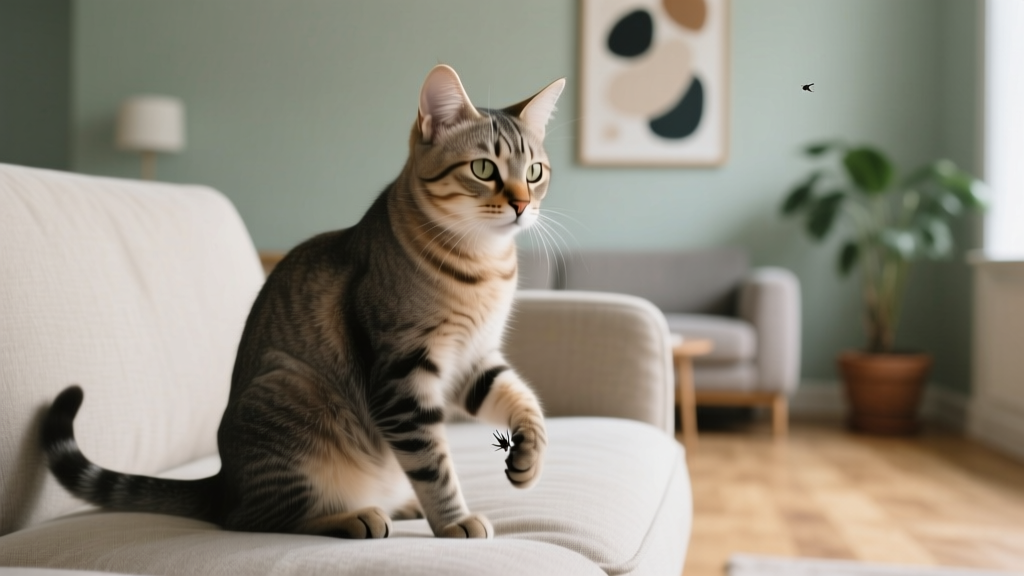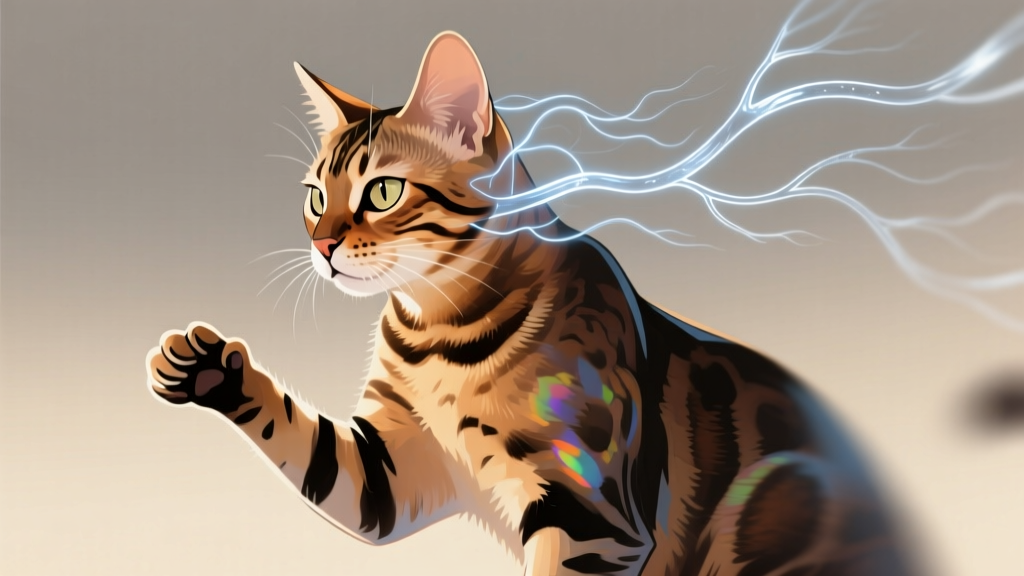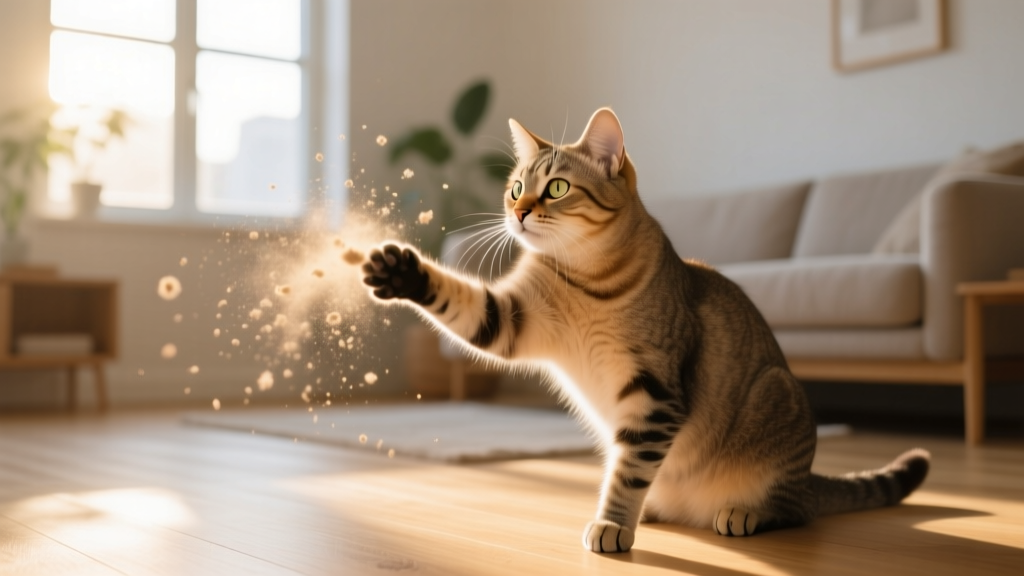
Cat Paw Swatting at Dust Motes in Sunlight
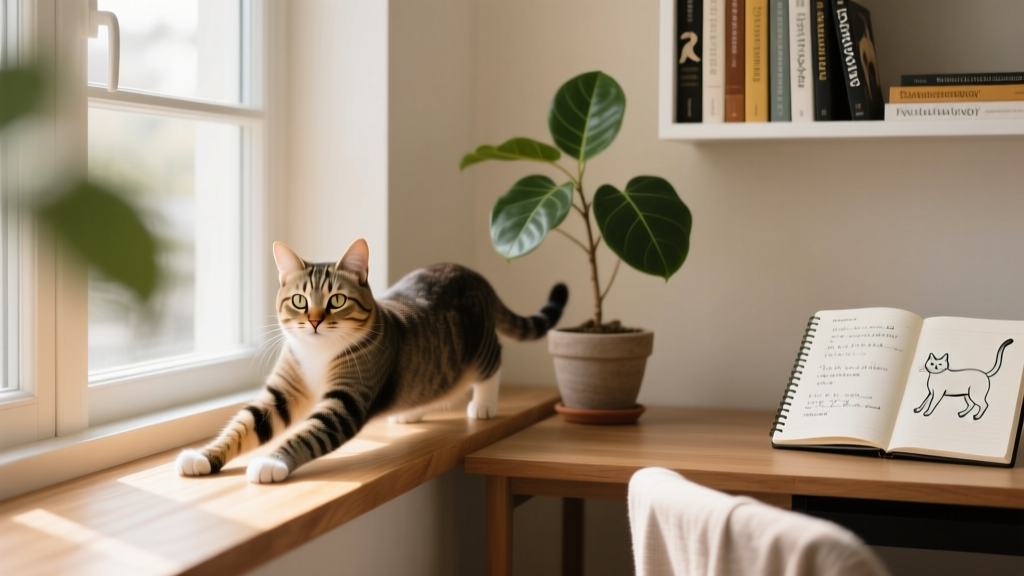
You’re sipping coffee, the room is quiet, and a bright rectangle of sunlight lands on the living room rug like a spotlight. Your cat strolls over as if they’ve been hired as the official inspector of sunny spots. Then it happens: they freeze, pupils widening just a touch, whiskers angled forward, and one paw lifts in slow motion. Tap. Tap-tap. Suddenly your dignified little predator is swatting at nothing—except it’s not nothing. It’s the floating, glittery universe of dust motes drifting through the beam of light.
If you’ve ever wondered why your cat becomes a tiny boxer in a sunbeam, you’re not alone. This behavior is charming, often funny, and surprisingly revealing. It’s also deeply rooted in feline instincts, their superpowered senses, and a mind that’s wired to notice the smallest movement in their environment.
Why Cats Swat at Dust Motes: The Science and the Wild Cat Brain
Cats are built for hunting. Even the most pampered indoor cat carries the same core software as their wild relatives: detect movement → stalk → pounce → grab. Dust motes drifting in sunlight are basically nature’s free “movement simulator.” They flutter, zigzag, disappear, reappear, and move unpredictably—exactly the kind of motion that can trigger a cat’s prey drive.
From an evolutionary perspective, a cat that noticed the tiniest flicker in the grass was a cat that ate. Cats evolved to be movement specialists, with vision tuned to track motion efficiently, especially in low light. Sunbeams full of floating particles offer high contrast: the dust becomes visible against the bright background, and your cat’s brain flags it as “potentially alive.”
There’s also an important developmental angle. Kittens learn hunting skills through play, and adult cats keep practicing. Swatting at dust motes can be a form of “micro-practice”—a low-stakes way to exercise timing, coordination, and paw control. Think of it as shadow boxing for predators.
A Breakdown of the Behavior: Different Contexts You Might See
Not all dust-mote swatting looks the same. The details matter, and they can tell you what’s motivating your cat in the moment.
1) The “Slow, Surgical Tap”
Your cat sits or crouches, calmly watching the floating specks. The paw rises gently, and they make a careful, measured swat—almost delicate.
- What’s happening: Curiosity mixed with low-intensity hunting practice.
- Common vibe: Relaxed engagement. Your cat is entertained, not frantic.
2) The “Rapid-Fire Paw Flurry”
Some cats go full speed: repeated swats, quick head movements, hopping sideways, maybe even a mini-pounce into the sunbeam.
- What’s happening: High arousal play mode. The brain says “prey!” and the body says “GO!”
- Common vibe: Excited and energized—often seen in younger cats or cats with lots of stored energy.
3) The “Chatter and Chirp Show”
You might hear soft chirps, trills, or even the famous cat “ek-ek-ek” chatter—usually reserved for birds outside the window.
- What’s happening: Frustrated excitement or intense focus. Your cat wants to catch something that doesn’t behave like normal prey.
- Common vibe: Highly stimulated but not necessarily upset—more like “I can’t believe this is getting away with existing.”
4) The “Hunter’s Pause and Stare”
Some cats stop swatting and simply stare into the light beam as if they’re reading secret messages in the air.
- What’s happening: Visual tracking and scanning. They’re monitoring movement and recalculating.
- Common vibe: Quiet concentration; this is normal and very “cat.”
What It Means About Your Cat’s Mood and Feelings
Most of the time, dust-mote swatting signals something cat owners love to see: a comfortable, mentally present cat.
- Playful and content: Relaxed posture, ears forward or neutral, swats that are gentle or rhythmic.
- Curious and engaged: Your cat is exploring their environment and enjoying a bit of sensory entertainment.
- Restless or under-stimulated: If your cat seems to hunt dust motes constantly, especially paired with other attention-seeking behaviors, it may be a sign they need more enrichment.
- Overstimulated: If swatting escalates into zoomies, nipping, or agitation, your cat may be riding a high arousal wave and could benefit from a more structured play outlet.
Think of it like this: dust-mote swatting is often your cat’s version of doodling during a phone call. It keeps the brain busy in a soothing, instinct-satisfying way.
Related Behaviors You Might Also Notice
If your cat loves swatting at dust motes, you may see similar “tiny movement” obsessions:
- Shadow chasing: Especially with sunlight through blinds or moving reflections.
- Watching ceiling fans or light reflections: Motion plus pattern equals cat magnet.
- Pawing at floating hair or lint: The “mystery fluff” that drifts by gets investigated.
- Bug-hunting mode: Even the smallest gnat turns your cat into a professional exterminator.
- Batting at dangling cords or tassels: Movement triggers the same predatory sequence.
These behaviors all share a theme: your cat is a motion detective with built-in hunting software, and your home is their ecosystem.
When Dust-Mote Swatting Is Normal (and When It Might Be a Concern)
Normal:
- Happens occasionally, often in sunny spots.
- Your cat can be redirected to a toy or food without distress.
- Body language is relaxed (no panic, no constant scanning).
- The behavior looks playful and stops naturally.
Potentially concerning:
- Compulsive light/shadow chasing: If your cat obsessively chases reflections or shadows for long periods and seems unable to disengage, this can become a compulsive pattern.
- Sudden onset with other changes: If the behavior is new and paired with hiding, irritability, excessive vocalizing, or sleep disruption, consider a vet check to rule out medical issues.
- Vision or neurological concerns: If your cat seems disoriented, misjudges distances, has abnormal pupil sizes, or startles easily, consult your veterinarian promptly.
- Environmental stress: A cat who feels insecure may become hypervigilant and fixate on movement more than usual.
One key difference: playful swatting looks flexible and fun. Compulsive fixations look urgent, repetitive, and difficult to interrupt.
How to Respond (and How to Encourage It in a Healthy Way)
You don’t need to stop your cat from enjoying their sunbeam entertainment. You can use it as a window into what they enjoy—and build a better daily routine around it.
1) Offer a “real prey” outlet
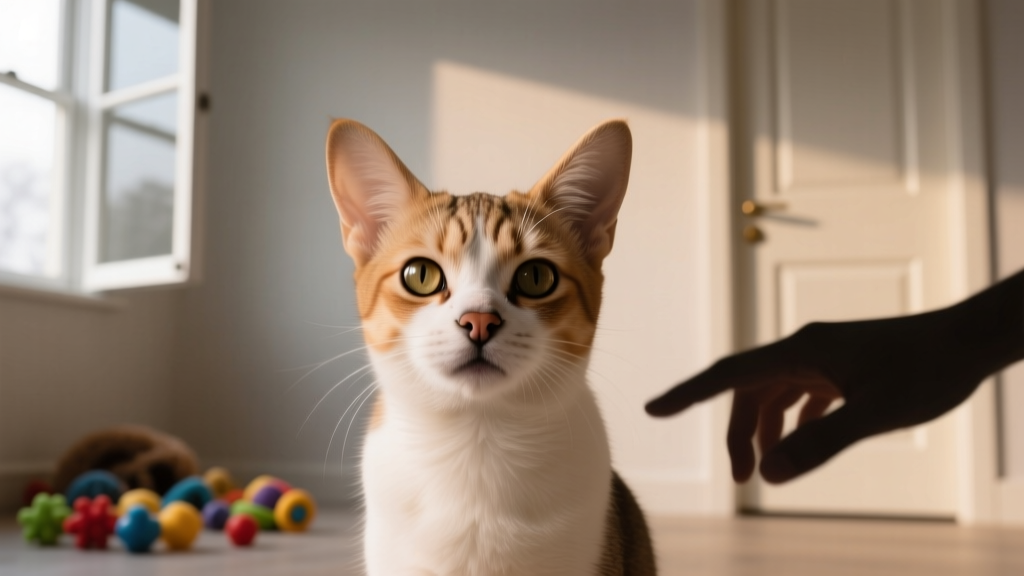
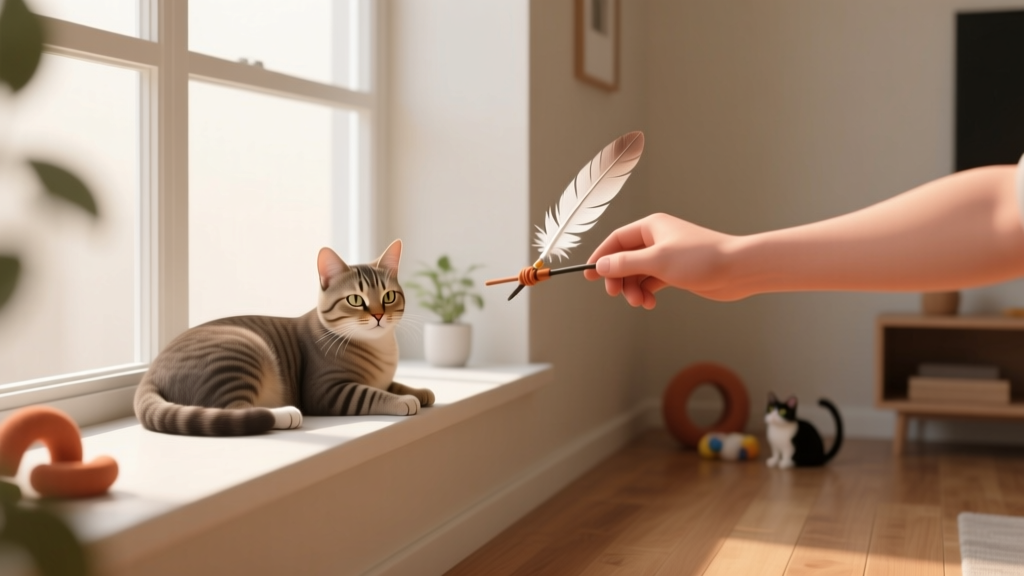
If dust motes get your cat revved up, follow with a short play session using a wand toy or a feather lure. Let them stalk, pounce, and “catch” it a few times.
- Pro tip: End play with a small snack or meal to complete the hunt cycle: hunt → catch → eat → groom → sleep.
2) Create safe sunny enrichment
Place a cat bed, perch, or scratching post near the sunny area. Your cat can lounge, watch, and swat without slipping on hardwood or crashing into furniture.
3) Avoid laser-pointer frustration without closure
Lasers can mimic dust motes but may increase frustration if your cat never “catches” anything. If you use a laser, finish with a tangible toy they can grab.
4) Watch the body language
If your cat’s ears flatten, tail lashes sharply, or they seem agitated, redirect with a calmer activity: a food puzzle, treat scatter, or a slow wand toy session rather than rapid light games.
5) Support indoor hunters
Indoor cats often have fewer outlets for their instincts. Daily interactive play, window perches, bird feeders (outside), and rotating toys can reduce “I must hunt the dust forever” energy.
Fun Facts and Research-Style Nuggets
- Cats are motion-biased: Feline vision is especially good at detecting movement, which is why a drifting speck can be more interesting than a still toy.
- Whiskers help with “near-field” targeting: When your cat swats close-up, whiskers contribute sensory information about space and airflow, helping fine-tune paw placement.
- Play is practice: Studies of feline play behavior suggest it supports motor development and hunting competence—adult play can maintain skills and provide mental stimulation.
- Sunbeams change the rules: The bright contrast makes normally invisible particles suddenly “appear,” creating a pop-up prey effect that’s hard for a cat to ignore.
FAQ: Cat Paw Swatting at Dust Motes in Sunlight
Is my cat seeing bugs that I can’t see?
Sometimes, yes—cats can notice tiny flying insects before we do. But often it’s truly dust or lint illuminated by sunlight. If your cat is focused on a beam of light and swatting at drifting specks, dust motes are a likely culprit.
Does this mean my cat is bored?
Not automatically. Many content cats swat at dust motes because it’s entertaining. That said, if your cat seeks this stimulation constantly and seems restless, adding structured play and enrichment is a good idea.
Why does my cat only do this in the morning or late afternoon?
Those are common times for strong, angled sunlight that makes dust motes visible. They also overlap with natural feline activity peaks—many cats are most playful at dawn and dusk.
My cat gets “too into it” and starts zooming. Is that bad?
Zoomies aren’t inherently bad; they’re often a normal energy release. If your cat seems frantic, crashes into things, or gets nippy afterward, offer a structured play session and a calming cooldown (snack, grooming, quiet time).
Should I try to reduce dust if my cat swats at it?
Good air quality is always a plus, but your cat swatting at dust motes isn’t usually a health alarm. If you notice coughing, wheezing, eye irritation, or increased sneezing, talk to your vet and consider air filtration and dust reduction.
Can this be a sign of anxiety or a compulsive disorder?
Occasional swatting is normal. Concern arises if your cat becomes fixated on light/shadows daily, struggles to disengage, or the behavior escalates over time. If you’re seeing that pattern, consult your vet and consider a cat behavior professional for a full assessment.
A Small Moment That Says a Lot
That goofy little paw jab into a sunbeam is more than a cute quirk—it’s your cat’s instincts lighting up in real time. They’re practicing, playing, focusing, and engaging with their environment in a way that’s both ancient and completely at home in your living room.
Have a cat who turns sunbeams into a personal boxing ring? Share your funniest dust-mote swatting stories (and any adorably weird variations) with the community at catloversbase.com. Your cat’s tiny air-hunts might be the exact reassurance another cat owner needs.