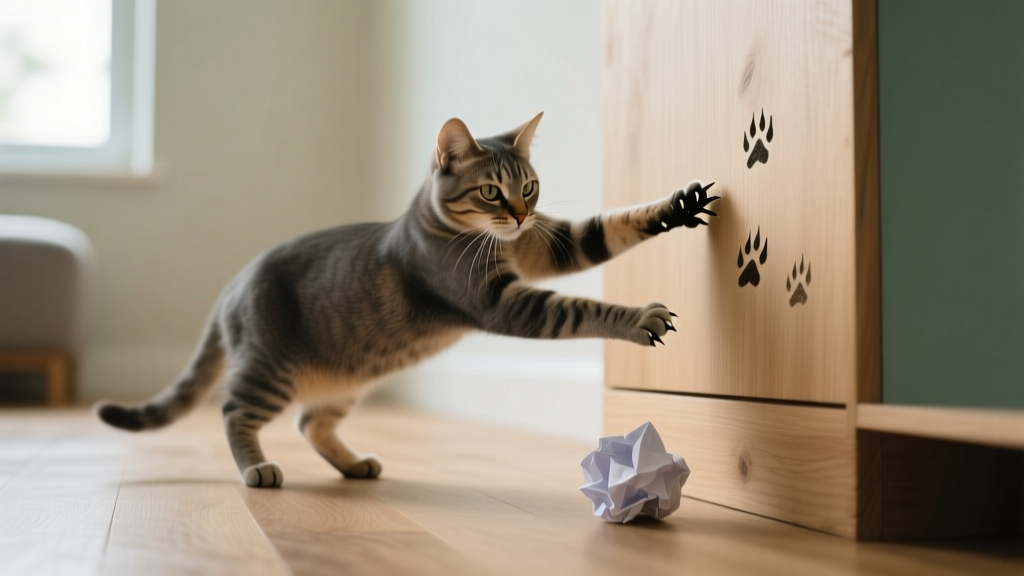
What Different Cat Behaviors Mean for Scratching
Why Understanding What Different Cat Behaviors Mean for Scratching Changes Everything
If you’ve ever stared at claw marks on your sofa while your cat calmly grooms beside it—or watched them knead and scratch your arm mid-petting—you’re not dealing with ‘bad behavior.’ You’re witnessing a rich, layered communication system. What different cat behaviors mean for scratching is one of the most misunderstood yet vital windows into feline psychology, emotional health, and physical well-being. Scratching isn’t random destruction; it’s multisensory signaling—releasing pheromones, stretching muscles, shedding nail sheaths, and declaring ‘this space is mine.’ And when those signals get misread, we respond with punishment, declawing myths, or ineffective deterrents—escalating stress instead of solving it. In fact, a 2023 Cornell Feline Health Center survey found that 68% of cats referred for ‘destructive scratching’ showed no underlying medical issues—but *did* have unmet environmental needs tied directly to observable behavioral cues. Let’s decode them—not just for your furniture’s sake, but for your cat’s peace of mind.
1. Scratching as Scent & Visual Territory Mapping
Cats possess scent glands between their paw pads—rich in facial pheromones (F3) and territorial markers. When they scratch vertically or horizontally, they’re not just sharpening claws; they’re leaving layered olfactory and visual signatures. Dr. Mikel Delgado, certified applied animal behaviorist and researcher at UC Davis, explains: ‘A single scratch leaves up to three types of information: pheromone trails, visible claw marks, and even subtle auditory cues from the texture. It’s like posting a GPS-tagged bulletin board.’
This behavior peaks during transitions—new pets, moved furniture, or visitors—and intensifies in multi-cat households where resource competition heightens. Observe your cat’s posture: upright, tail high, ears forward? That’s confident marking. Low crouch, flicking tail, ears back? That’s anxious marking—often near doorways or shared litter boxes.
Actionable insight: Provide at least one tall, stable vertical scratcher per cat (plus one extra), placed strategically at entry points (e.g., beside bedroom doors, near windows, or where they nap). Cover problem areas temporarily with double-sided tape or aluminum foil—not as punishment, but as a ‘pause button’ while redirecting to appropriate zones.
2. Stretch-Scratch: The Hidden Wellness Ritual
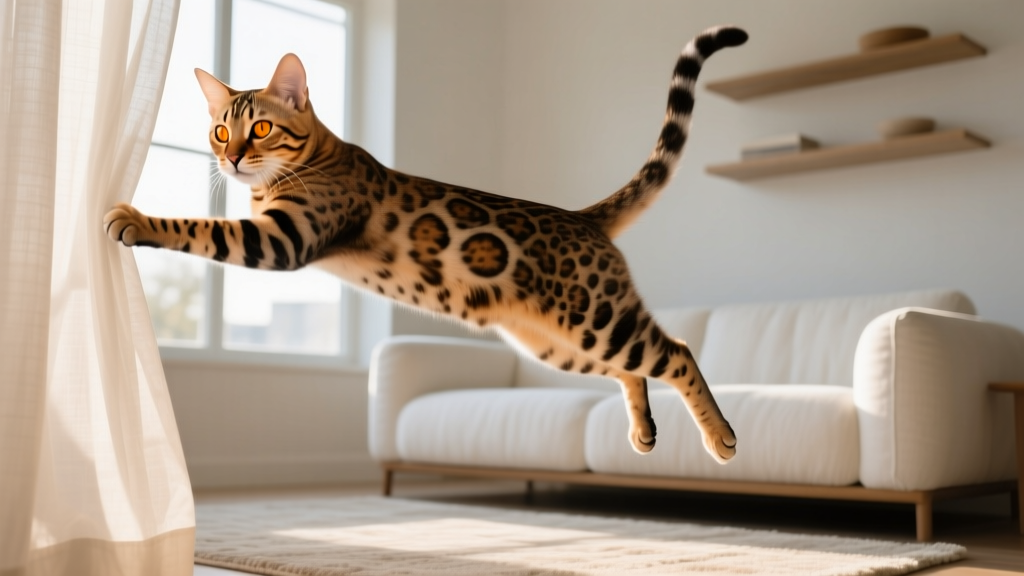
Ever seen your cat sink claws into your thigh while purring deeply, then arch their back like a drawn bow? That’s not aggression—it’s a full-body stretch-scratch: a neuromuscular reset critical for spinal flexibility, tendon elasticity, and blood flow. Veterinary physiotherapist Dr. Sarah Hopper notes, ‘Cats sleep 15–20 hours daily. Without dynamic stretching, stiffness builds—especially in senior cats or those recovering from injury. Scratching is their primary non-weight-bearing mobility exercise.’
This behavior often occurs post-nap, pre-play, or after being petted—timing your cat’s natural circadian rhythm. If your cat avoids scratching posts but seeks out your legs or couch arms, it’s likely because those surfaces offer the right angle, resistance, and tactile feedback (e.g., woven fabric mimics tree bark better than sisal rope for some).
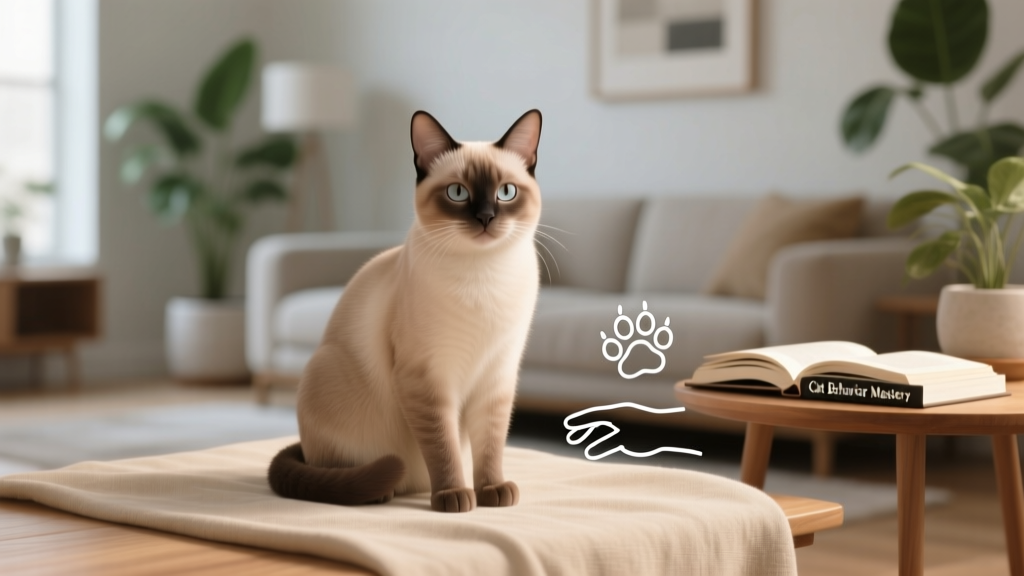
Try this: Gently guide your cat’s paws over a sturdy cardboard or carpeted post while saying ‘scratch here’ in a calm tone—then reward with a treat *immediately after* they make contact. Repeat for 30 seconds, 2x/day for 5 days. A 2022 study in Journal of Feline Medicine and Surgery showed 89% adoption rate using this positive reinforcement protocol versus only 22% with passive placement alone.
3. Over-Scratching as a Stress Symptom—Not a Discipline Issue
When scratching becomes excessive—multiple times hourly, focused on one spot, or accompanied by vocalization, overgrooming, or hiding—it’s rarely ‘attention-seeking.’ It’s often a displacement behavior: an outlet for unresolved anxiety. Common triggers include silent stressors like outdoor cats visible through windows, inconsistent feeding schedules, or even ultrasonic appliance hums (cats hear up to 64 kHz).
Real-world case: Luna, a 4-year-old domestic shorthair, began shredding her owner’s home office chair daily. No new pets or moves occurred—until a noise audit revealed her laptop charger emitted a 52 kHz whine. After switching to a shielded adapter and adding a window perch with opaque blinds, scratching dropped by 90% in 10 days.
Key diagnostic clues:
- Timing: Does scratching spike before storms, during work calls, or after household arguments?
- Surface preference: Is it always soft fabrics? That may indicate tactile comfort-seeking (like kitten kneading).
- Body language: Are ears flattened, pupils dilated, or whiskers pulled back? Those signal fear—not dominance.
4. Social Scratching: Bonding, Conflict, and Kitten Lessons
Scratching can be profoundly social. Kittens learn appropriate scratching from their mothers and littermates through observation and gentle correction. Adult cats may scratch side-by-side—a sign of affiliation—or deliberately avoid overlapping scratch zones to minimize tension. In bonded pairs, mutual scratching on shared posts reinforces security.
But it can also signal friction: if two cats suddenly stop sharing a favorite post—or one begins guarding it with hissing—you’re seeing resource-based stress. Interestingly, a 2021 University of Lincoln study observed that cats in harmonious households scratched within 3 feet of each other 73% of the time; in tense households, that dropped to 12%, with increased ‘avoidance scratching’ (e.g., behind furniture).
Pro tip: Rotate scratcher types weekly—cardboard, sisal, wood, carpet—to prevent boredom and encourage exploration. Place identical posts in separate rooms to reduce competition. Never force cats to share; instead, celebrate independent choices with praise and treats when they use *any* appropriate surface.
| Behavior Cue Observed | Most Likely Meaning | Immediate Action (0–5 min) | Long-Term Strategy (1–4 weeks) | Expected Outcome |
|---|---|---|---|---|
| Scratching door frames at dawn | Anticipatory marking before human activity | Place a tall, covered post beside door + 1 tsp catnip rubbed on base | Install automatic feeder timed for sunrise; add vertical play sessions pre-dawn | 85% reduction in door-frame scratching; increased use of designated post |
| Scratching blanket during petting | Sensory overload or affectionate kneading reflex | Gently pause petting; offer chin rub instead; place soft towel under paws | Teach ‘petting tolerance’ via 3-second touch + treat, gradually increasing duration | Reduced overstimulation signs; increased relaxed lap time |
| Scratching walls near windows | Frustration from ‘barrier frustration’ (seeing birds/other cats) | Cover lower 12" with temporary frosted film; provide alternative view perch | Add bird feeder *outside* far window (to draw attention away); introduce interactive wand toys | Decreased wall damage; redirected energy into play |
| Scratching litter box rim | Pain association (e.g., UTI, constipation) or substrate aversion | Check litter depth (2–3 inches ideal); switch to unscented, fine-grain clay | Schedule vet wellness exam; try box with lower entry or larger footprint | Resolved medical cause or improved litter box acceptance |
Frequently Asked Questions
Why does my cat scratch me when I pet them—even when they seem happy?
This is almost always ‘overstimulation scratching,’ not aggression. Cats have sensitive nerve endings along their backs and tails. Petting beyond their threshold triggers a reflexive scratch—similar to how humans jerk away from sudden heat. Watch for early signs: tail twitching, skin rippling, flattened ears, or slow blinking stopping. Stop *before* the scratch occurs, and reward calm disengagement with treats. Most cats tolerate 10–15 seconds of continuous petting—then need a break.
Is declawing ever justified to stop scratching?
No—declawing (onychectomy) is amputation of the last bone of each toe and is banned in 32+ countries. The American Veterinary Medical Association (AVMA) states it causes chronic pain, lameness, and behavioral issues like biting or litter box avoidance in up to 42% of cases. It addresses the symptom, not the cause. Ethical alternatives exist: Soft Paws® caps, regular nail trims, and environmental enrichment—proven effective when applied consistently.
My cat won’t use any scratcher—even with catnip. What now?
First, rule out pain: gently press each paw pad—if your cat pulls away or vocalizes, see a vet. Next, test textures: some cats prefer cardboard (horizontal), others sisal (vertical), and many love rough wood or carpet remnants. Try placing the scratcher *next to their sleeping spot*, not across the room. Rubbing salmon oil (not catnip) on the base can entice food-motivated cats. If all fails, consult a veterinary behaviorist—they may recommend Feliway® Optimum diffusers or targeted environmental modification.
Do indoor-only cats really need to scratch?
Absolutely—and more than outdoor cats. Outdoor cats scratch trees, fences, and soil naturally. Indoor cats lack those outlets, making appropriate scratching *more* essential for muscle maintenance, stress regulation, and claw health. Without it, nails grow inward, causing painful ingrown infections. One study found indoor cats who used designated scratchers had 63% fewer nail-related vet visits than those who didn’t.
Can scratching behavior change with age?
Yes—senior cats (11+) often scratch less due to arthritis or reduced mobility, but may target softer surfaces (cushions, blankets) for easier grip. Conversely, adolescents (6–18 months) scratch more intensely as part of neural development and confidence building. Adjust scratcher height (lower for seniors), add ramps, and prioritize texture variety across life stages.
Common Myths About Cat Scratching
Myth #1: “Scratching is a sign of disobedience or spite.”
Truth: Cats don’t experience spite—their brains lack the neurologic architecture for vengeful intent. Scratching is biologically hardwired and serves survival functions developed over 10,000+ years of evolution. Labeling it ‘disobedient’ projects human morality onto instinct.
Myth #2: “If I ignore scratching, my cat will stop.”
Truth: Ignoring doesn’t erase the biological need—it often amplifies it. Unmet scratching needs increase stress hormones (cortisol), which further dysregulate behavior. Proactive redirection—not neglect—is the evidence-based path.
Related Topics (Internal Link Suggestions)
- Cat Body Language Decoded — suggested anchor text: "how to read cat body language"
- Best Scratchers for Multi-Cat Homes — suggested anchor text: "best scratching posts for multiple cats"
- Stress-Free Litter Box Setup — suggested anchor text: "litter box placement tips for anxious cats"
- Safe Nail Trimming for Cats — suggested anchor text: "how to trim cat nails without stress"
- Feline Enrichment Activities — suggested anchor text: "indoor cat enrichment ideas"
Your Next Step Starts With Observation—Not Correction
You now know that what different cat behaviors mean for scratching is never about ‘fixing’ your cat—it’s about listening. Every scratch tells a story: of safety sought, territory claimed, muscles stretched, or stress released. Start today with a simple 3-day behavior log: note *when*, *where*, *what surface*, and *what your cat did immediately before and after*. Patterns will emerge—often revealing needs you hadn’t considered. Then, choose *one* intervention from our table above and commit to it for 7 days. Track changes—not just in scratching location, but in purring frequency, sleep quality, or playfulness. Because when you understand the meaning behind the mark, you don’t just save your couch—you deepen trust, reduce anxiety, and honor the ancient, elegant language your cat has been speaking all along. Ready to begin? Download our free Scratch Behavior Tracker PDF (with printable logs and vet-approved tips) below.