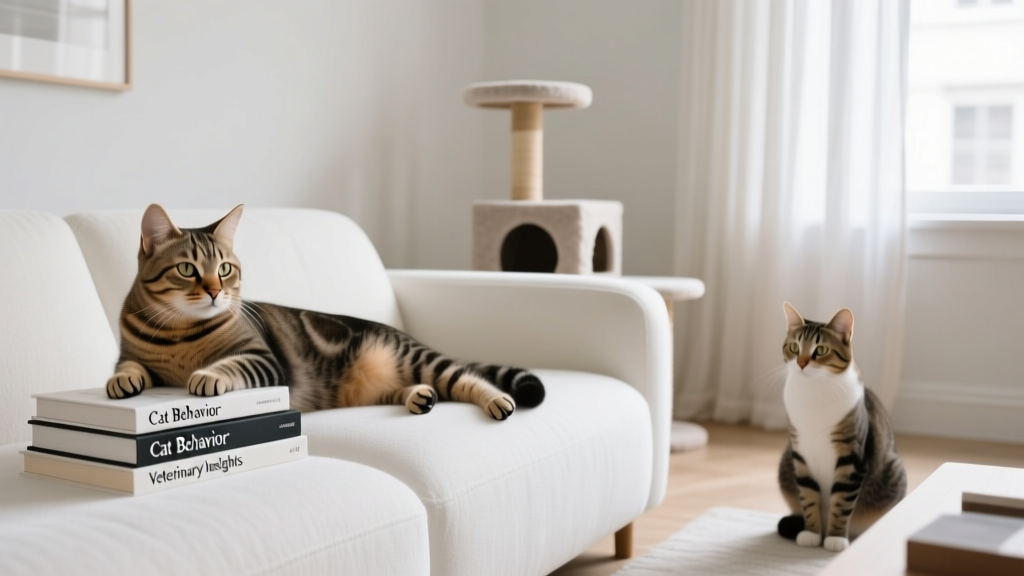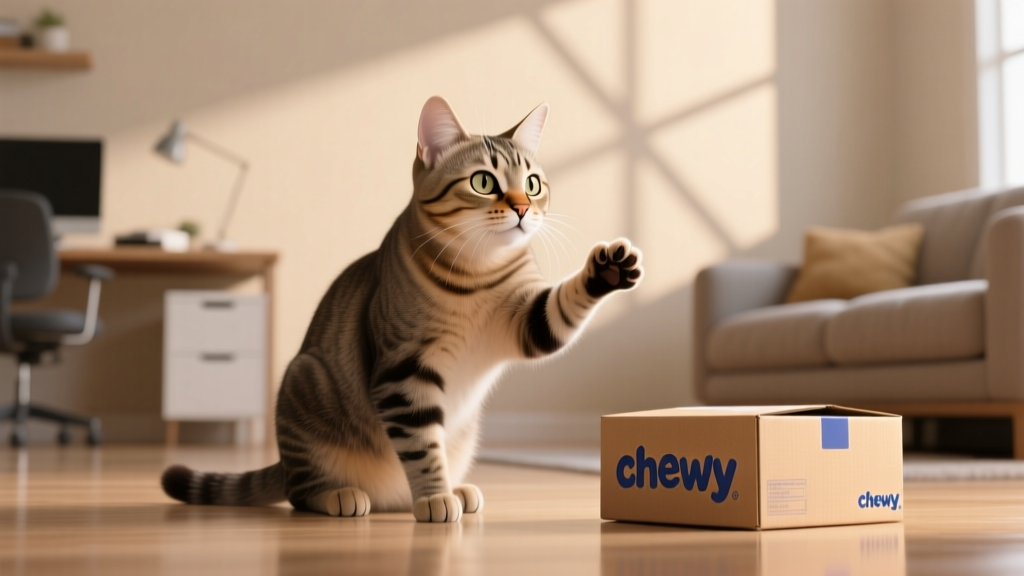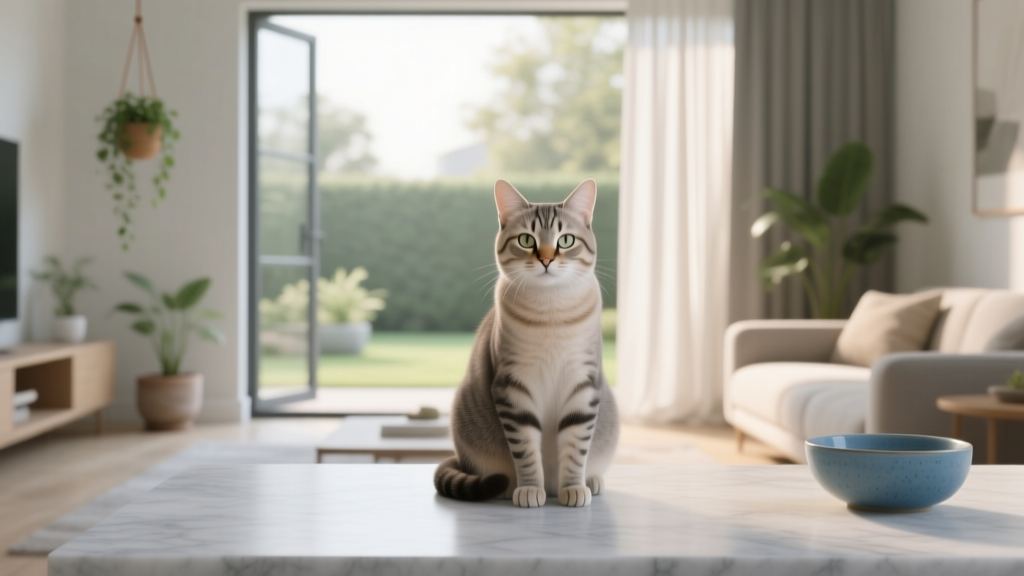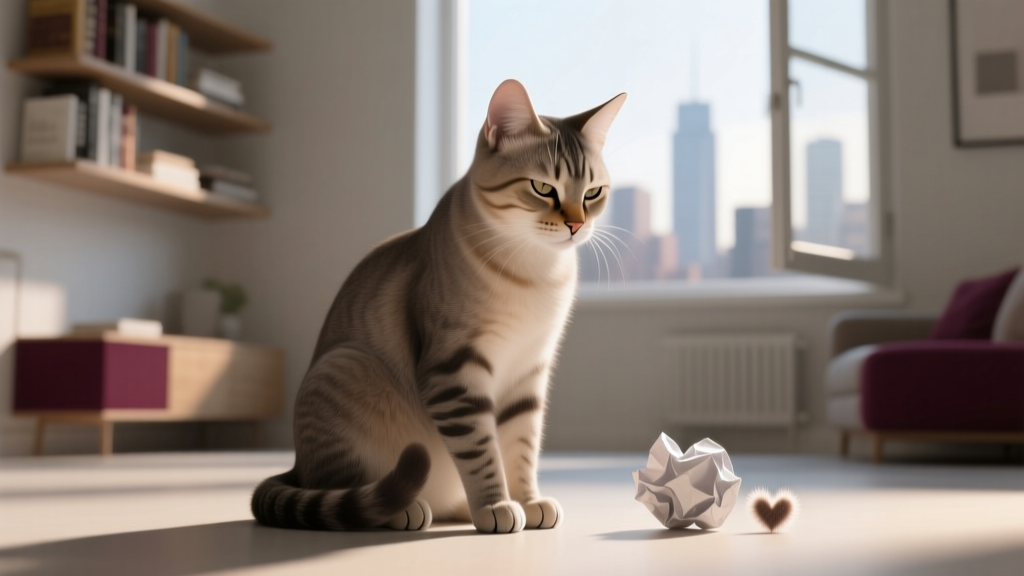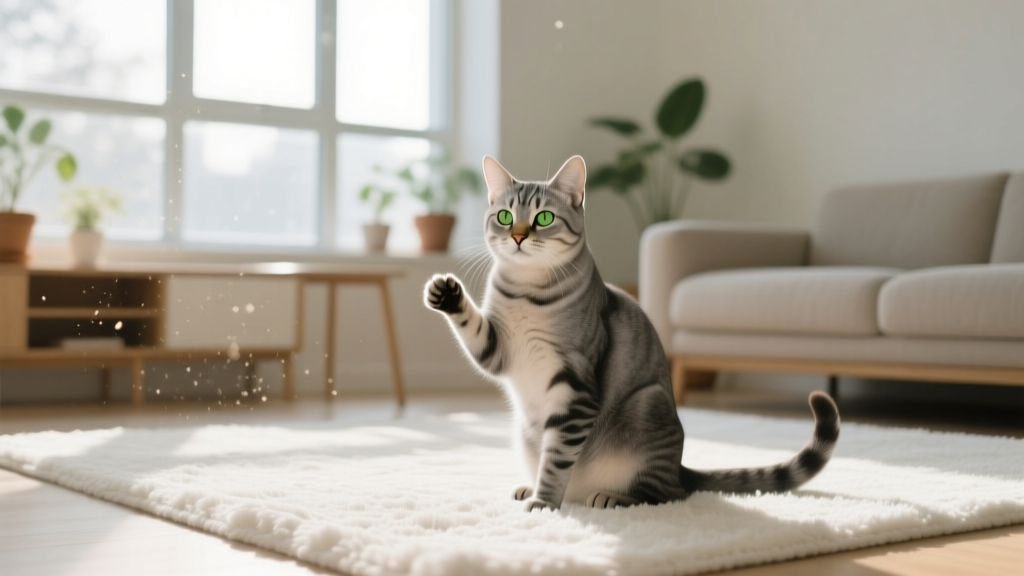
What Different Cat Behaviors Mean for Indoor Cats
Why Decoding Your Indoor Cat’s Behavior Isn’t Just Cute—It’s Critical Care
\nIf you’ve ever stared at your indoor cat mid-stare, wondered why they suddenly sprint at 3 a.m., or panicked when they stopped using the litter box overnight—you’re not alone. What different cat behaviors mean for indoor cats is one of the most searched yet least understood topics among companion cat guardians. Unlike outdoor cats who communicate with predators, prey, and rivals in real time, indoor cats rely almost exclusively on subtle, evolutionarily ancient signals to express stress, trust, discomfort, or unmet needs. Misreading these cues doesn’t just cause confusion—it can delay veterinary intervention, worsen anxiety-related conditions like feline idiopathic cystitis (FIC), and erode the human–cat bond before it fully forms. In fact, a 2023 Cornell Feline Health Center survey found that 68% of indoor cat relinquishments to shelters were linked to unresolved behavioral misunderstandings—not aggression or litter issues per se, but owners misinterpreting those as ‘bad behavior’ rather than distress signals.
\n\n1. The Silent Language: How Indoor Cats Communicate Without Words
\nIndoor cats lack the environmental outlets wild or free-roaming cats use to discharge energy and signal intent—territorial patrols, hunting sequences, scent marking over large ranges. Instead, they compress complex emotional states into micro-behaviors: ear position, pupil dilation, tail base tension, even blink duration. Dr. Sarah Wooten, DVM and certified feline specialist with the American Association of Feline Practitioners (AAFP), explains: “A cat’s body language isn’t random—it’s a tightly calibrated feedback loop between nervous system arousal and environmental safety. When we ignore or mislabel those signals, we’re essentially asking them to speak English while only giving them Morse code.”
\nConsider this real-world example: Luna, a 4-year-old spayed domestic shorthair, began excessively licking her inner thigh after her owner adopted a second cat. The owner assumed ‘overgrooming = boredom’ and added toys. Within three weeks, Luna developed a painful alopecic lesion and was diagnosed with psychogenic alopecia. Only after a veterinary behaviorist observed Luna’s flattened ears, dilated pupils, and avoidance of shared resting zones during introductions did the root cause emerge: chronic low-grade social stress—not boredom. The solution wasn’t more play; it was vertical space expansion, separate resource zones, and gradual desensitization.
\nKey principles to internalize:
\n• Context is non-negotiable: A tail held high means confidence… unless it’s vibrating rapidly near a closed door (signaling frustrated anticipation or territorial anxiety).
\n• Clusters > single cues: Slow blinking + head butt + purring = deep trust. Slow blinking + flattened ears + tucked paws = fearful submission.
\n• Baseline matters: Document your cat’s ‘neutral’ posture—their relaxed ear angle, typical resting tail position, usual sleep locations—for 5–7 days before interpreting deviations.
2. Decoding the Top 12 Indoor-Specific Behaviors (With Action Steps)
\nThese aren’t universal ‘cat facts’—they’re patterns validated across shelter behavior logs, veterinary referral data, and longitudinal home-video studies (e.g., the 2022–2024 ‘HomeCat’ observational project by the University of Edinburgh).
\n- \n
- Midnight Zoomies (Sudden bursts of running/climbing): Often mislabeled as ‘crazy,’ this is typically pent-up predatory sequence energy. Indoor cats rarely complete the full hunt–kill–eat–groom cycle. Solution: Implement two 15-minute interactive play sessions daily using wand toys that mimic erratic prey movement—ending each with a ‘kill’ (letting them catch a plush mouse) and immediate food reward to close the loop. \n
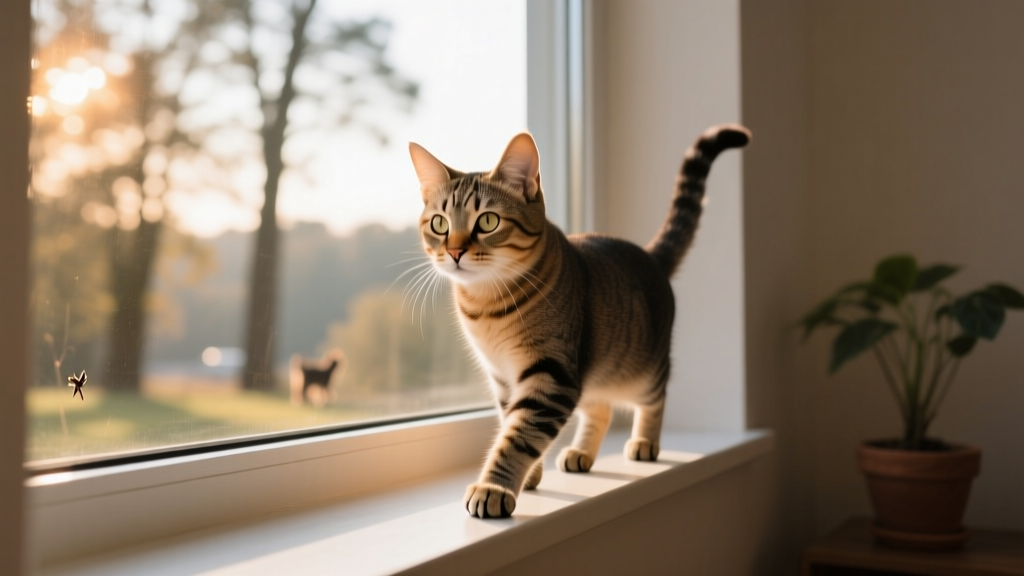
- Staring at walls/windows for >5 minutes: Not hallucinations. Likely detecting ultrasonic rodent activity, insect movement, or light refraction. If accompanied by vocalizing or pawing, check for trapped wildlife or window condensation patterns triggering visual static. Rule out ocular hypertension if new-onset in senior cats. \n
- Kneading with claws extended on soft surfaces: Neonatal rooting behavior signaling deep security. But if directed at your lap *while* avoiding eye contact or with tense shoulders? It may be displacement behavior masking anxiety—especially if paired with lip-licking or tail-tip flicks. \n
- Sitting directly in front of closed doors: This is boundary testing + resource guarding. Indoor cats perceive doors as thresholds to ‘off-limits’ territory (your bedroom, bathroom). Don’t shoo them away—instead, install a cat flap or place a cozy bed *just outside* the door with treats to reframe it as a safe zone. \n
- Pawing at water bowls before drinking: Sensitive whiskers dislike bowl edges. 87% of cats prefer wide, shallow ceramic or stainless steel bowls placed away from food. Add a pet fountain—flowing water increases intake by 57% (Journal of Feline Medicine and Surgery, 2021), reducing UTI risk. \n
- Bringing ‘gifts’ (toys, socks, dead insects) to your bed: Not dominance—it’s inclusive provisioning. They’re inviting you into their family unit. Reward with calm praise and a shared ‘hunt’ (toss a treat under the bed for them to retrieve). \n
- Chattering at windows: Jaw vibration mimics the bite-killing motion used on birds. Indicates high arousal + frustration. Redirect with a bird feeder *outside* the window (so they see live birds without predation drive) or laser-pointer play *away* from the window to discharge energy. \n
- Sucking on blankets/fabric: Common in early-weaned or orphaned cats. Usually benign unless causing dental wear or GI obstruction. Offer chilled cotton rope toys or food-dispensing puzzle mats to satisfy oral fixation safely. \n
- Backing into you while rubbing: This deposits cheek pheromones (F3) onto you—a ‘calming signature.’ It’s their version of saying ‘you’re safe here.’ Never interrupt; lean in gently to reciprocate with slow blinks. \n
- Scratching furniture *only* near entrances: Territory marking via interdigital gland secretion—not damage. Place sturdy vertical posts *within 3 feet* of doorways, wrapped in sisal, and reward use with treats. Avoid punishment—it associates the location with fear. \n
- Over-grooming one specific spot: First rule out fleas, ringworm, or allergies via vet exam. If medical causes are cleared, it’s likely stress-induced. Track timing: Does it happen after video calls? When the dishwasher runs? Use a pet camera with audio to identify triggers. \n
- Refusing to use the litter box *only* in multi-cat homes: Rarely ‘spite.’ Almost always resource competition. The AAFP recommends: n+1 litter boxes (where n = number of cats), placed on separate floors/rooms, cleaned daily, and filled with unscented clumping litter 2–3 inches deep. \n
3. The Indoor Cat Behavior Response Chart: What to Do (and What Not To)
\n| Behavior Observed | \nMost Likely Meaning | \nImmediate Action | \nAvoid Doing | \nWhen to Call the Vet | \n
|---|---|---|---|---|
| Excessive vocalization at night | \nCircadian rhythm disruption or cognitive decline (in seniors) | \n|||
| Urinating outside the box on cool surfaces (tile, bathmat) | \nThermoregulation preference OR urinary pain (cystitis) | \n|||
| Aggression toward visitors | \nFear-based territorial defense—not ‘protectiveness’ | \n|||
| Chewing cords/plants | \nOral fixation + boredom OR nutritional deficiency (rare) | \n|||
| Dragging food from bowl | \nWhisker fatigue or instinct to ‘cache’ food | \n
4. When ‘Normal’ Behavior Hides Medical Trouble
\nHere’s where behavioral literacy becomes life-saving. According to Dr. Elizabeth Colleran, past president of the AAFP, “Up to 40% of so-called ‘behavior problems’ in indoor cats have underlying medical drivers—especially pain, hyperthyroidism, or dental disease. A cat doesn’t ‘act out’—they act *differently* because something hurts or feels wrong.”
\nRed-flag behavior shifts requiring same-week vet evaluation:
\n• Sudden litter box avoidance in a previously reliable cat (top differential: FLUTD or arthritis making squatting painful)
\n• Increased affection followed by irritability (hyperthyroidism often presents as ‘cuddly then cranky’)
\n• Staring blankly at walls + disorientation (early-stage feline cognitive dysfunction)
\n• Chronic tail-chasing or flank-biting (neuropathic pain or dermatologic disease)
\n• Excessive meowing with weight loss (hyperthyroidism, diabetes, kidney disease)
Pro tip: Record 60-second videos of concerning behaviors—including full-body shots and close-ups of eyes, ears, and tail base. Vets report these clips increase diagnostic accuracy by 3x versus verbal descriptions alone.
\n\nFrequently Asked Questions
\nWhy does my indoor cat stare at me without blinking?
\nThis is often misread as ‘intimidation’—but in cat language, sustained direct eye contact *without blinking* is actually a threat signal reserved for rivals or perceived dangers. If your cat holds your gaze rigidly while freezing or with dilated pupils, they feel unsafe. The antidote? Slow blink at them (close and open eyes slowly) to signal ‘I’m no threat.’ If they return it, you’ve earned trust. Bonus: Film it—they’ll likely blink back within 3–5 seconds.
\nIs it normal for my indoor cat to ignore me for hours, then demand attention?
\nYes—and it’s a sign of secure attachment, not indifference. Indoor cats conserve energy and choose interactions deliberately. Ignoring you while napping or grooming is self-regulation. Demanding attention (meowing, pawing, bringing toys) means they’ve assessed your availability and initiated bonding. Punishing ‘demand behavior’ teaches them to hide needs until crisis (e.g., vomiting on your pillow). Instead, reward calm approaches with treats and ignore demanding ones—then initiate play on *your* schedule.
\nMy cat knocks things off shelves—is this spite or play?
\nNeither. It’s object play rooted in predatory sequencing: bat → capture → investigate → discard. Shelves offer height advantage (like tree branches) and items make satisfying sounds/movement. Provide ethical alternatives: cardboard boxes with holes for ‘ambush play,’ ping-pong balls in bathtub, or treat balls rolled down ramps. Never scold—redirect with a toy *before* they knock something.
\nDoes purring always mean my cat is happy?
\nNo—purring is a physiological self-soothing mechanism triggered by both contentment *and* pain, fear, or stress. Kittens purr while nursing (calming mom and themselves); injured cats purr during vet exams. Listen contextually: Is purring paired with relaxed posture, half-closed eyes, and kneading? Likely contentment. Is it combined with panting, hiding, or reluctance to move? Seek vet assessment immediately.
\nHow long should I wait before worrying about a behavior change?
\nThree days is the clinical threshold. The ‘3-day rule’ is endorsed by the International Society of Feline Medicine: if a behavior change persists beyond 72 hours—or appears suddenly with other signs (appetite loss, lethargy, vocal changes)—schedule a vet visit. Early intervention prevents escalation: e.g., untreated anxiety can progress to redirected aggression or urine marking.
\nCommon Myths About Indoor Cat Behavior
\n- \n
- Myth #1: “Cats don’t need companionship—they’re solitary animals.” While cats aren’t pack-dependent like dogs, decades of ethological research (including landmark studies by Dr. John Bradshaw) confirm they form complex, individualized social bonds—with humans and other cats. Indoor cats deprived of choice-based interaction often develop stereotypies (repetitive pacing, over-grooming) or apathy. \n
- Myth #2: “If my cat isn’t scratching furniture, they’re fine.” Scratching is non-negotiable for claw health, muscle stretching, and pheromone deposition. A cat who never scratches may have painful arthritis, neurological issues, or severe anxiety preventing natural expression. Always provide appropriate outlets—and monitor usage. \n
Related Topics (Internal Link Suggestions)
\n- \n
- Indoor Cat Enrichment Ideas — suggested anchor text: "indoor cat enrichment activities" \n
- Best Litter Boxes for Multi-Cat Households — suggested anchor text: "litter box solutions for multiple cats" \n
- Signs of Stress in Cats — suggested anchor text: "how to tell if your cat is stressed" \n
- Feline Cognitive Dysfunction in Senior Cats — suggested anchor text: "cat dementia symptoms and care" \n
- DIY Cat Trees and Vertical Space Solutions — suggested anchor text: "homemade cat climbing structures" \n
Your Next Step: Build a Behavior Baseline in 7 Days
\nYou now hold a decoder ring for your indoor cat’s silent language—but knowledge only helps when applied. Start today: grab a notebook or use our free Cat Behavior Journal PDF (includes printable daily trackers for posture, vocalizations, and resource use). For seven days, log just three things: 1) Their ‘default’ resting spot at noon, 2) How many times they voluntarily approach you, and 3) Any behavior that made you pause—even if you couldn’t explain it. After one week, review patterns. Did they avoid sunny spots? Did purring only happen during brushing? That’s your personalized roadmap. And remember: every slow blink you return, every window perch you install, every litter box you relocate—these aren’t indulgences. They’re fluent sentences in the language of love your cat has been speaking all along. Ready to listen deeper? Download your free 7-Day Behavior Tracker now.