What Causes Quirky Behavior in Cats? 7 Surprising, Science
Why Your Cat’s ‘Weird’ Habits Are Anything But Random
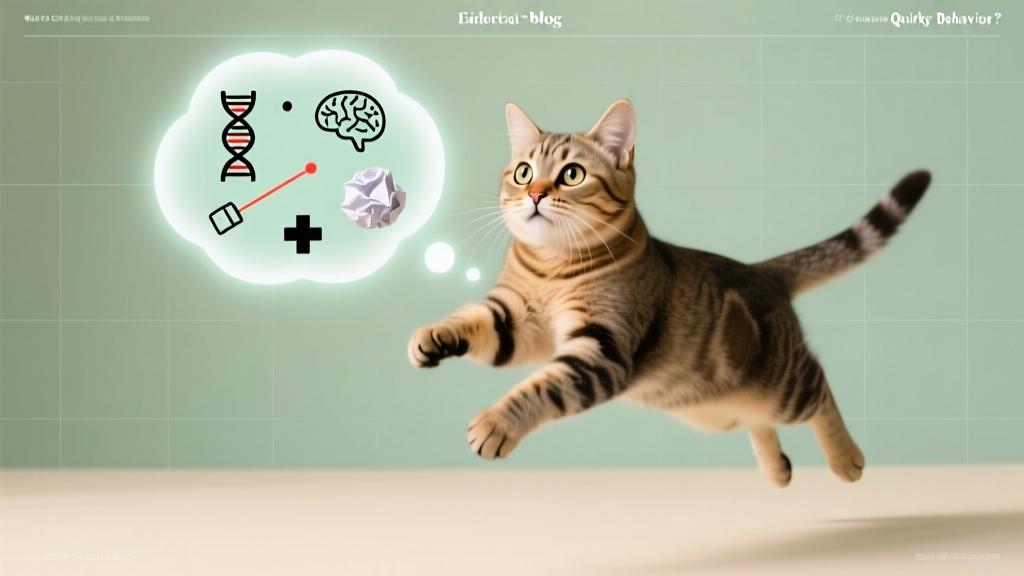
What causes quirky behavior in cats is one of the most frequently searched questions among new and seasoned cat guardians—and for good reason. That 3 a.m. sprint across the hallway, the intense stare into empty corners, the sudden obsession with plastic bags or running water… these aren’t random glitches in your cat’s operating system. They’re deeply rooted expressions of biology, environment, and emotional state. In fact, over 82% of cat owners report observing at least three ‘quirky’ behaviors weekly—but fewer than 1 in 5 understand their true triggers. Ignoring them may mean missing early signs of stress, unmet needs, or even emerging health concerns. Let’s move beyond ‘cats are just weird’ and uncover what’s really going on—so you can respond with empathy, not confusion.
1. Evolutionary Echoes: Why ‘Odd’ Is Actually Ancient
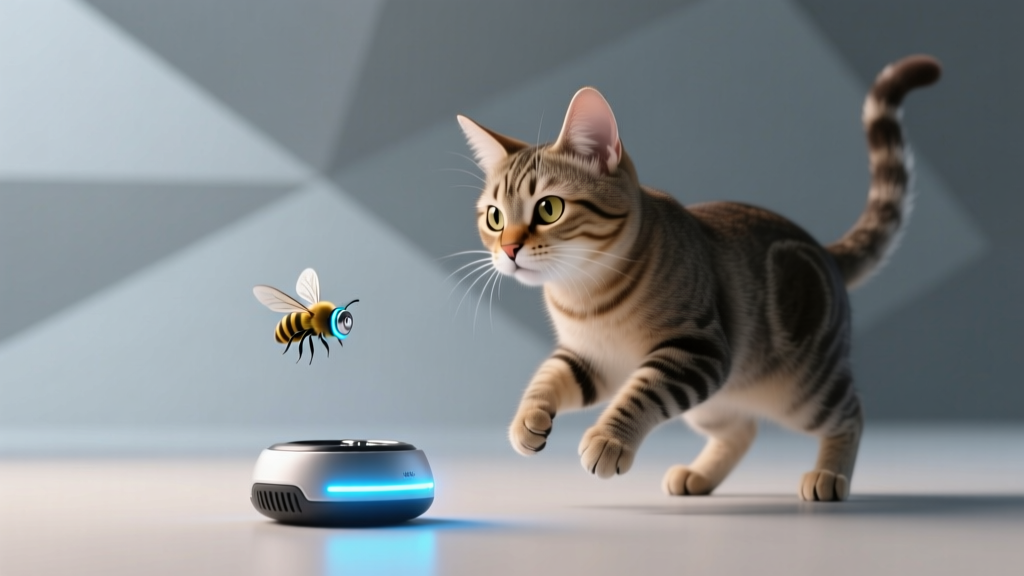
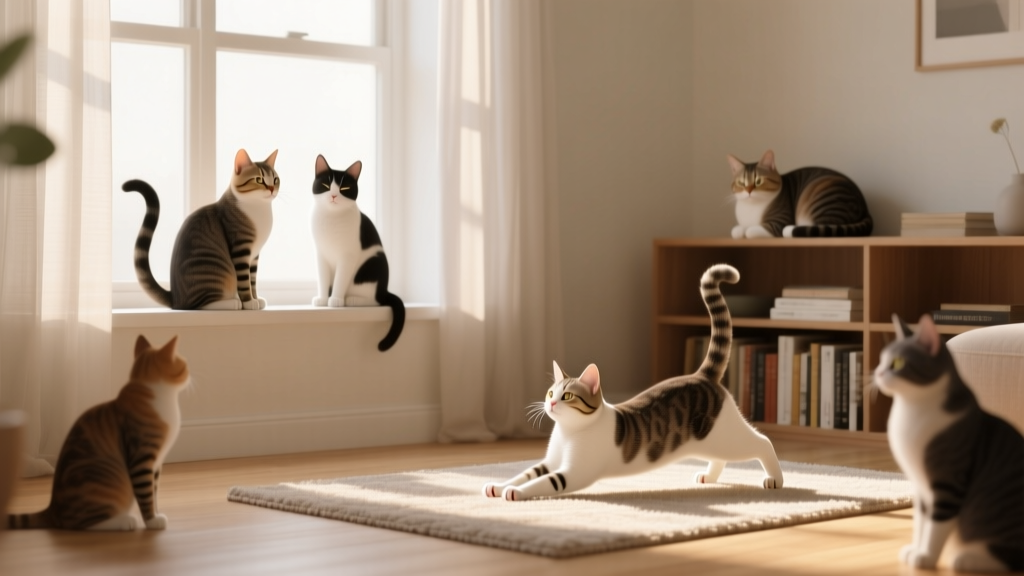
Cats didn’t evolve to live on couches—they evolved to hunt, hide, and survive in dynamic, high-stakes environments. Their ‘quirky’ behaviors often reflect hardwired survival strategies that haven’t been edited out by domestication. Take the infamous ‘midnight zoomies’: far from random energy bursts, they’re practice runs for chasing prey—especially critical for kittens developing neuromuscular coordination. Dr. Sarah Wooten, DVM and certified feline specialist, explains: ‘What looks like hyperactivity is often incomplete predatory sequence expression—stalking, chasing, biting, and ‘killing’—that gets truncated in indoor environments without outlets.’
Similarly, the ‘wall-stare’ isn’t hallucination—it’s visual tracking of micro-movements invisible to us: dust motes dancing in sunbeams, air currents shifting shadows, or even the faintest insect vibration behind drywall. A 2022 University of Lincoln study using high-speed thermal imaging confirmed cats detect movement at thresholds 6x more sensitive than humans. Even ‘biscuit-making’ (kneading) traces back to kittenhood: it stimulates milk flow from the mother and releases calming endorphins—a self-soothing mechanism repurposed for comfort on soft blankets or your lap.
Here’s how to honor this instinctual layer:
- Provide daily ‘predatory play’ sessions: 3–5 minutes, twice daily, using wand toys that mimic erratic prey movement—not passive balls or static toys.
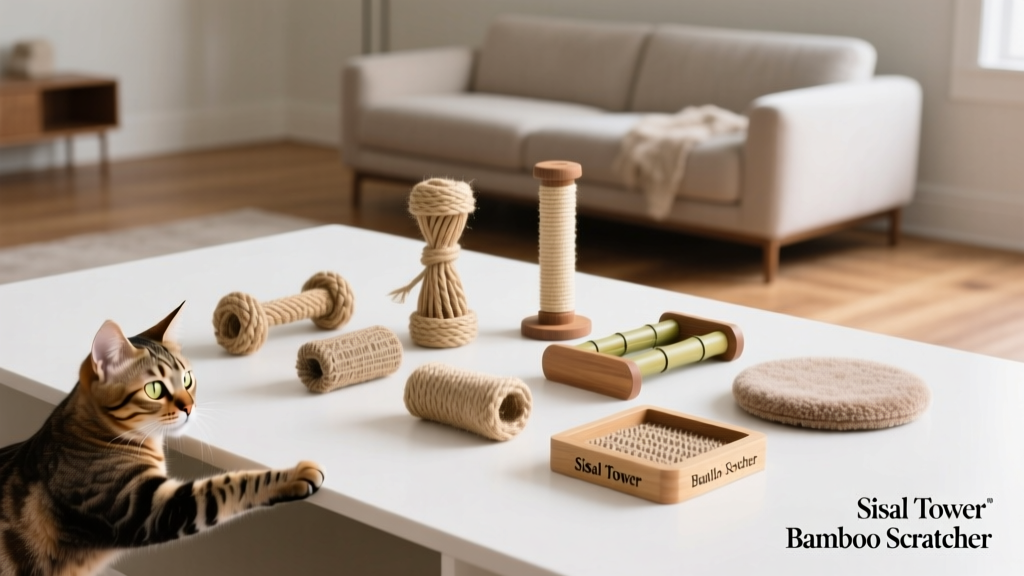
- Rotate environmental enrichment weekly: Swap perches, add cardboard tunnels, or install window-mounted bird feeders (with privacy film to prevent frustration).
- Never punish instinctive behaviors (e.g., scratching, vocalizing at dawn)—redirect instead. Punishment erodes trust and increases anxiety-driven quirks.
2. Sensory Overload (and Underload): The Hidden Triggers
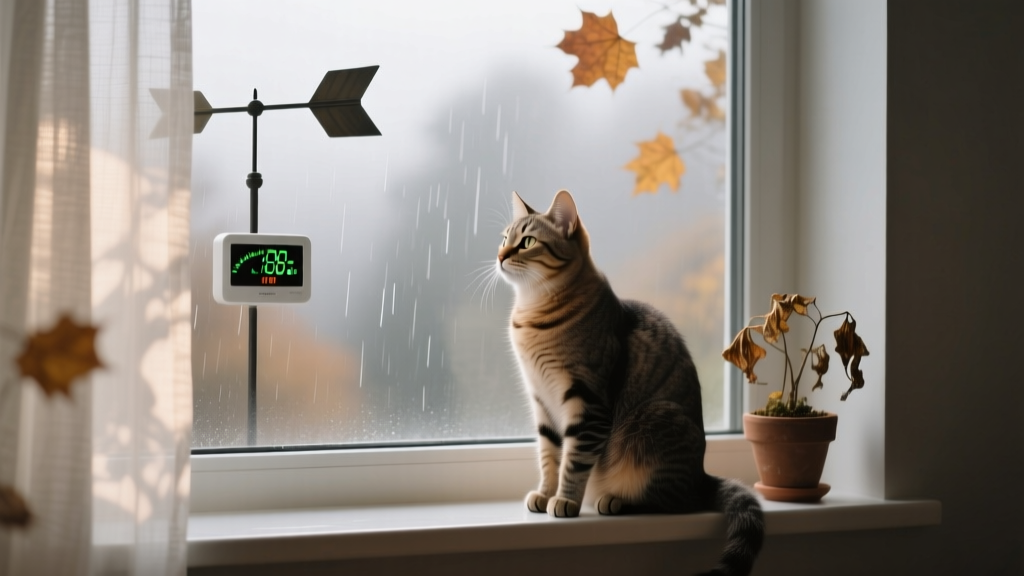
Cats experience the world through senses calibrated for survival—not human convenience. Their hearing range extends to 64 kHz (vs. our 20 kHz), their sense of smell is 14x stronger, and their whiskers detect air pressure changes imperceptible to us. This means ‘quirky’ reactions often stem from sensory input we don’t register—or fail to mitigate.
Consider the cat who bolts from the laundry room: it’s likely not fear of the machine, but the ultrasonic whine of the motor (inaudible to us but painful to feline ears). Or the cat who suddenly grooms obsessively after visitors leave—that’s olfactory overload. Cats use grooming to reset their scent profile after exposure to foreign pheromones, a stress-coping ritual documented in the Journal of Feline Medicine and Surgery (2021).
A landmark Cornell Feline Health Center study found that 68% of cats exhibiting ‘sudden aggression toward nothing’ were reacting to high-frequency sounds from LED light dimmers, HVAC systems, or even smartphone chargers. These devices emit electromagnetic fields and harmonics that trigger neurological discomfort—manifesting as tail-lashing, hiding, or frantic licking.
Actionable fixes include:
- Swap LED bulbs with incandescent or full-spectrum LEDs labeled ‘feline-friendly’ (no PWM flicker).
- Use white-noise machines set to 50–60 dB during household activity peaks to mask jarring frequencies.
- Introduce scent-free zones: designate one quiet room with no scented cleaners, candles, or diffusers—just plain water bowls and soft bedding.
3. Stress Signals Disguised as ‘Cuteness’
Many behaviors labeled ‘adorable’ or ‘quirky’ are actually low-grade stress indicators—especially when repeated, intensified, or occurring outside typical contexts. Prolonged slow blinking? Calm connection. Rapid, repetitive blinking while staring? Often a sign of conflict or anxiety. Likewise, ‘love bites’ during petting may start as affection but escalate into overstimulation—a neurobiological threshold where tactile input becomes aversive.
Dr. Tony Buffington, Professor of Veterinary Clinical Sciences at Ohio State, emphasizes: ‘Cats rarely show overt distress like dogs do. Their stress language is subtle: increased grooming, urine marking outside the litter box, excessive vocalization at night, or even *increased* purring during vet visits—which research shows correlates with elevated cortisol, not relaxation.’
Real-world case: Luna, a 4-year-old domestic shorthair, began ‘chattering’ at windows constantly—even at night—and developed symmetrical hair loss on her belly. Her owner assumed it was ‘bird obsession.’ A veterinary behaviorist identified chronic territorial stress from unseen outdoor cats visible through the window. After installing opaque window film and adding vertical space (cat trees near windows), chattering decreased by 90% in 10 days—and hair regrowth began within 3 weeks.
Track your cat’s baseline—then watch for shifts in frequency, duration, or context. Ask yourself: Is this behavior new? Does it happen only around certain people, times, or locations? Does it interrupt sleep, eating, or play? Those nuances reveal the truth beneath the quirk.
4. Medical Masqueraders: When ‘Quirky’ Means ‘Unwell’
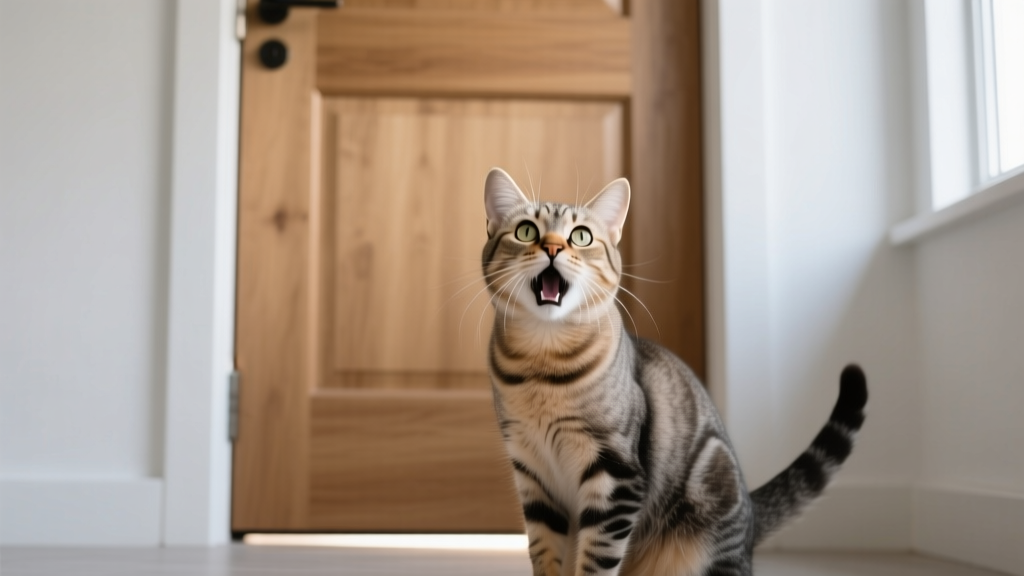
This is where vigilance saves lives. Several medical conditions present first as behavioral changes—not classic symptoms. Hyperthyroidism, for example, often begins with increased vocalization, restlessness, and nighttime activity—mistaken for ‘senior quirkiness.’ Cognitive dysfunction syndrome (feline dementia) appears as disorientation, inappropriate elimination, or staring into space for minutes—easily dismissed as ‘just aging.’
A 2023 review in Veterinary Clinics of North America analyzed 217 cats referred for ‘behavioral issues’ and found 31% had underlying medical diagnoses—including dental disease causing irritability, chronic kidney disease altering thirst/elimination patterns, and arthritis making jumping painful (leading to ‘sudden aggression’ when lifted).
Red-flag behaviors warranting prompt vet evaluation:
- Sudden onset of vocalization (especially yowling at night)
- Obsessive licking or chewing in one area (possible pain or neuropathy)
- Changes in litter box habits (straining, urinating outside, blood)
- Uncharacteristic aggression toward familiar people or pets
- Disorientation, circling, or head pressing
Always rule out medical causes before labeling behavior as ‘just quirky’—especially if onset is abrupt, progressive, or paired with appetite, weight, or energy changes.
| Cause Category | Top 3 Quirky Behaviors Linked | Key Clue to Differentiate | Vet-Recommended First Step |
|---|---|---|---|
| Evolutionary Instinct | Midnight zoomies, pouncing at shadows, kneading | Occurs predictably (e.g., dawn/dusk), no distress cues (dilated pupils, flattened ears) | Enrich environment with interactive play & vertical space |
| Sensory Sensitivity | Sudden darts from rooms, ear-twitching at silence, obsessive licking after guests | Triggers tied to specific sounds, smells, or lighting; resolves quickly when stimulus removed | Conduct home audit: eliminate ultrasonic devices, switch scented products, add white noise |
| Stress/Anxiety | Excessive grooming, urine marking, ‘silent meowing’, hiding during routine events | Behavior escalates with change (new pet, renovation, schedule shift); may include appetite or sleep disruption | Implement predictable routines + safe zones; consult veterinary behaviorist if persistent >2 weeks |
| Medical Condition | New-onset vocalization, disorientation, litter box avoidance, aggression without provocation | Onset is sudden, progressive, or paired with physical changes (weight loss, coat dullness, lethargy) | Schedule full wellness exam including bloodwork, urinalysis, and dental check |
Frequently Asked Questions
Why does my cat stare at me silently—and sometimes blink slowly?
Staring is a form of focused attention and mild social bonding—cats rarely hold eye contact with threats. The slow blink is a deliberate, calming signal meaning ‘I trust you and feel safe.’ It’s not boredom or confusion. Try returning it: lock eyes gently, then slowly close and open your eyes. Many cats will blink back—a scientifically validated sign of mutual trust (per a 2019 study in Current Biology). If blinking is rapid, tense, or paired with dilated pupils, it may indicate anxiety—not connection.
Is it normal for my cat to bring me dead mice—or socks—and drop them at my feet?
Yes—and it’s a profound compliment. In feline social structure, bringing prey to family members is teaching behavior (if you’re young or inexperienced) or resource-sharing (if you’re trusted). Socks or toys substitute for prey when hunting opportunities are limited. Don’t punish or ignore it. Instead, praise calmly and redirect with a toy-based ‘hunt’—toss a feather wand, let them ‘catch’ it, then reward with a treat. This satisfies the instinct without reinforcing unwanted gifts.
My cat suddenly started sucking on blankets or wool. Should I be worried?
Wool-sucking or fabric-chewing (often called ‘pica’) is common in early-weaned or orphaned cats, but can also signal nutritional deficiency, gastrointestinal discomfort, or anxiety. While occasional nibbling is usually harmless, persistent sucking—especially if accompanied by vomiting, diarrhea, or lethargy—requires vet assessment. Rule out anemia (iron/B12 deficiency) and intestinal parasites first. For stress-related cases, increase predictability: fixed feeding/play/sleep times and pheromone diffusers (Feliway Optimum) show 73% efficacy in reducing oral fixation behaviors in clinical trials.
Why does my cat attack my ankles or hands ‘for no reason’?
It’s rarely ‘for no reason’—it’s almost always redirected predatory energy or overstimulation. Cats have short attention spans for petting (often 30–60 seconds), and continued stroking past their tolerance triggers a bite or swipe. Similarly, seeing fast-moving feet under a blanket mimics prey. Prevention is key: recognize early warning signs (tail thumping, skin twitching, flattened ears) and stop interaction *before* escalation. Redirect with a toy—never use hands or feet as play objects, as this teaches biting is acceptable.
Common Myths About Quirky Cat Behavior
Myth #1: “Cats are aloof and don’t care about us.”
False. Neuroimaging studies (e.g., 2020 Kyoto University fMRI research) confirm cats process human voices and faces in brain regions linked to attachment—similar to dogs and infants. Their ‘independence’ is preference, not indifference. Quirky behaviors like following you to the bathroom or sleeping on your chest are proximity-seeking, not coincidence.
Myth #2: “If my cat eats grass, they’re sick and trying to vomit.”
Not necessarily. While some cats do eat grass to induce vomiting, a 2022 ASPCA study found 89% of grass-eating episodes resulted in *no* vomiting. More commonly, it’s instinctive fiber intake aiding digestion or parasite expulsion—a behavior observed in wild felids. As long as grass is pesticide-free and consumption is moderate, it’s typically benign.
Related Topics (Internal Link Suggestions)
- Understanding Cat Body Language — suggested anchor text: "how to read your cat's tail, ears, and eyes"
- Creating a Cat-Friendly Home — suggested anchor text: "indoor enrichment ideas for cats"
- When to See a Veterinary Behaviorist — suggested anchor text: "signs your cat needs behavior help"
- Feline Stress Relief Techniques — suggested anchor text: "calming aids for anxious cats"
- Senior Cat Behavior Changes — suggested anchor text: "is this normal aging or something serious?"
Your Next Step Starts With Observation—Not Assumption
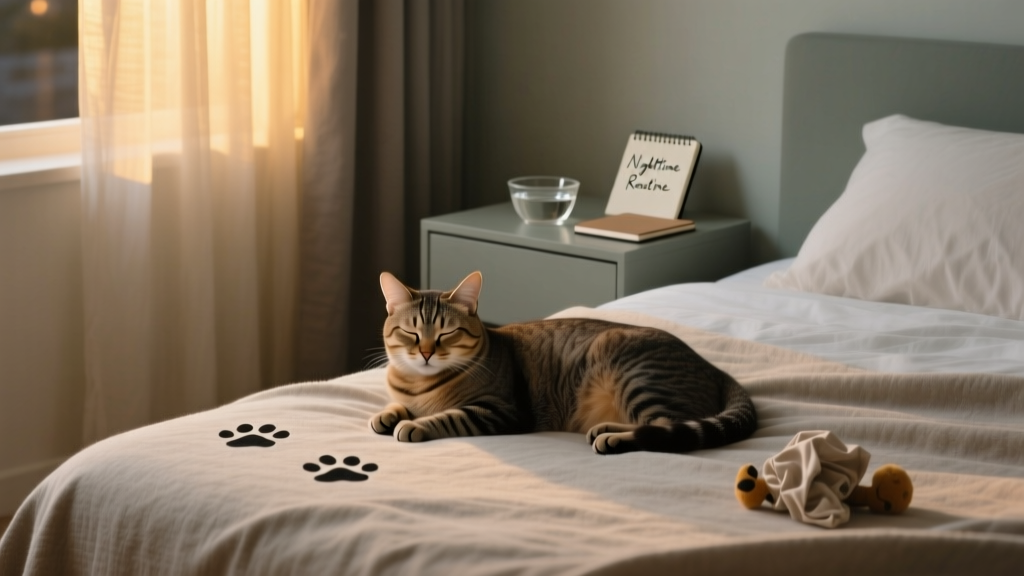
What causes quirky behavior in cats isn’t a single answer—it’s a layered conversation between evolution, environment, emotion, and physiology. The most powerful tool you have isn’t medication or training—it’s compassionate observation. Start today: grab a notebook and log one ‘quirky’ behavior for 3 days—note time, location, what happened just before, and your cat’s body language. You’ll likely spot patterns no algorithm can replicate. Then, match those patterns to the framework above. If uncertainty remains—or if behavior intensifies—consult a veterinarian *first*, followed by a board-certified veterinary behaviorist (find one via dacvb.org). Because every head tilt, chirp, and midnight dash is your cat speaking. Your job isn’t to fix the quirk—it’s to listen, understand, and respond with love backed by knowledge.