What Cat Behaviors Natural? 12 Instinctive Actions You’re...
Why Understanding What Cat Behaviors Natural Is the Missing Link in Your Relationship
If you've ever watched your cat knead your lap like dough, stare blankly at a wall for three minutes, or suddenly sprint across the room at 3 a.m., you’ve probably wondered: what cat behaviors natural? These aren’t random glitches in your feline’s operating system—they’re finely tuned instincts shaped over 9,000 years of evolution. Yet nearly 68% of first-time cat owners misinterpret core natural behaviors as signs of anxiety, illness, or defiance—leading to unnecessary vet visits, punitive responses, or even surrender. In this guide, we cut through the myth fog with insights from feline ethologists, certified cat behavior consultants, and decades of observational field research—to help you respond *with* your cat’s biology, not against it.
The Evolutionary Blueprint: Why Cats Act the Way They Do
Cats aren’t small dogs—or even miniature tigers. They’re obligate carnivores with a unique social architecture: solitary hunters who evolved flexible, context-dependent sociability. Unlike pack animals, cats communicate through subtle, low-intensity signals—body language designed for stealth, not dominance displays. Dr. Mikel Delgado, certified applied animal behaviorist and researcher at UC Davis, explains: “A cat’s ‘normal’ is rooted in survival efficiency: conserve energy, avoid confrontation, assess threat silently, and exploit micro-opportunities. What looks like aloofness is actually hyper-vigilance calibrated for a world where being seen equals being eaten.”
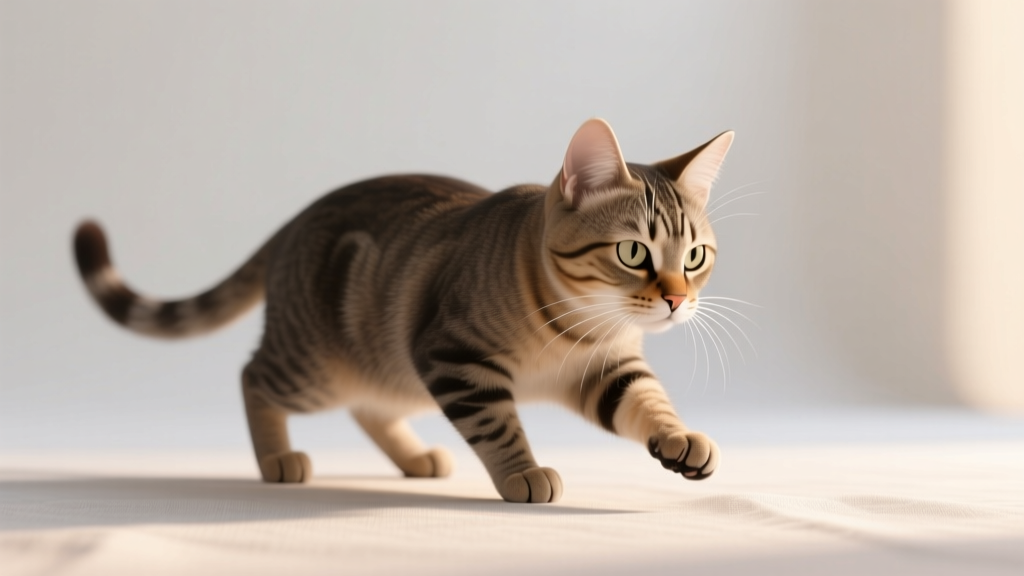
This evolutionary lens transforms how we read common actions. Pouncing isn’t ‘play’ in the human sense—it’s neuromuscular rehearsal for killing prey. Slow blinking isn’t boredom; it’s a deliberate, high-trust signal reserved for allies. And that ‘crazy’ midnight zoomie session? It’s not insomnia—it’s circadian rhythm alignment with crepuscular hunting windows (dawn/dusk), compressed into nighttime bursts due to indoor confinement.
To decode what’s truly natural, we must separate behavior from context. A cat scratching your sofa *is* natural—but the target isn’t. The drive to scratch serves four biological imperatives: claw maintenance, scent marking via interdigital glands, stretching tendons, and visual territory signaling. When denied appropriate outlets, that same natural urge becomes destructive—not because the cat is ‘bad,’ but because its environment fails its biology.
7 Core Natural Behaviors—and What They Reveal About Your Cat’s World
Below are the most frequently misunderstood yet biologically essential behaviors—each explained with function, triggers, and how to support it:
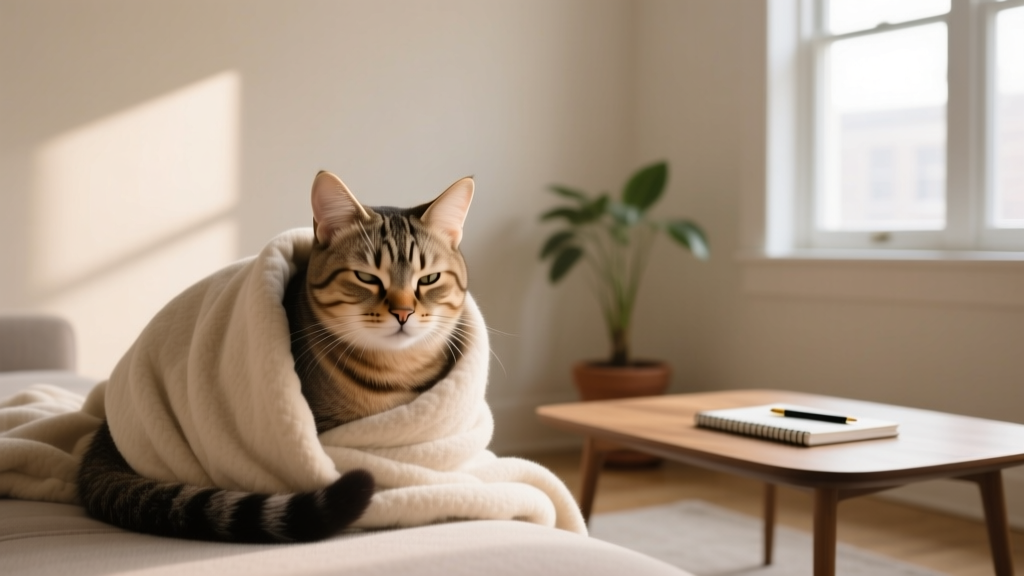
- Kneading (“Making Biscuits”): Rooted in kitten nursing, this rhythmic paw motion stimulates milk flow. In adults, it signals deep contentment and safety—often paired with purring and slow blinking. Support tip: Offer soft, textured surfaces (like fleece blankets) and gently stroke their back while they knead to reinforce calm association.
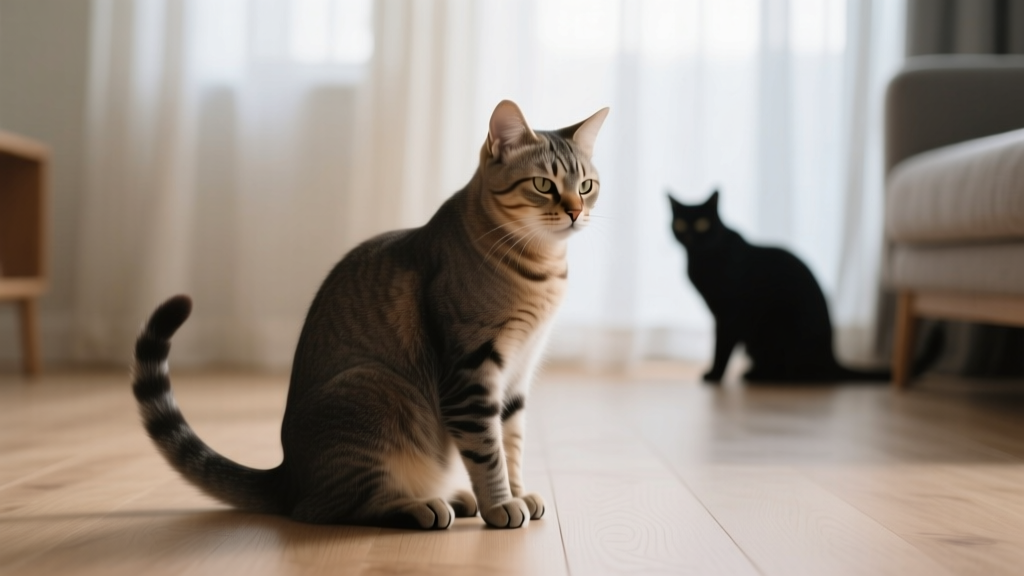
- Bringing You ‘Gifts’ (Dead or Toy Prey): Not guilt offerings or attempts to teach—you’re witnessing a deeply ingrained social bonding ritual. Wild cats bring prey to kittens and trusted colony members. Your cat sees you as family. Support tip: Thank them calmly, then quietly dispose of the ‘gift.’ Never punish—this severs trust. Redirect with interactive wand toys that mimic prey movement.
- Chattering at Windows: That rapid jaw vibration isn’t frustration—it’s a motor pattern linked to the bite-and-kill sequence. Studies using high-speed video show chattering aligns precisely with jaw muscle activation used to dispatch birds. Support tip: Provide daily 15-minute ‘hunt’ sessions with feather wands, followed by a food reward—mimicking the full predatory sequence (stalking → chasing → catching → eating).
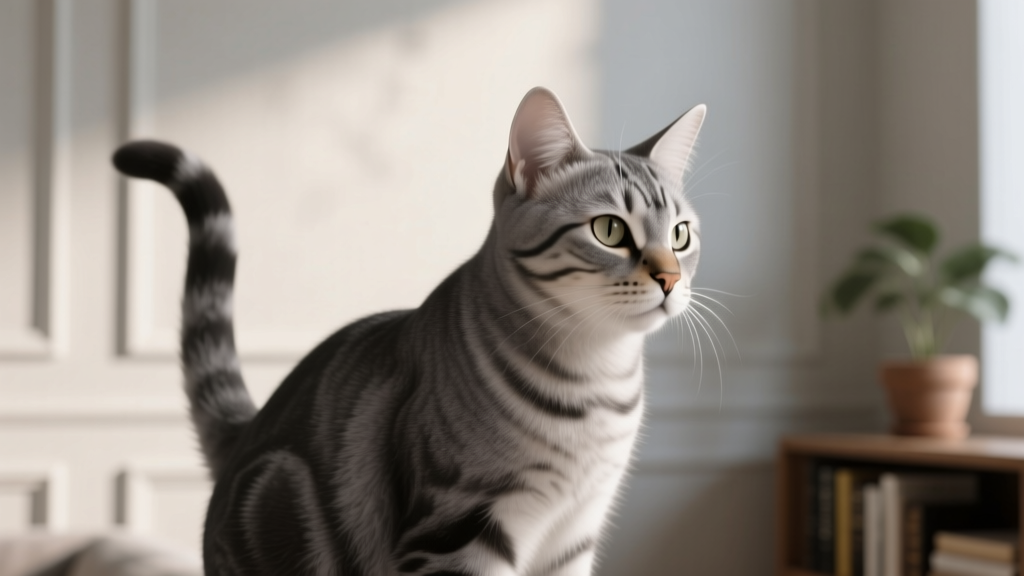
- Scratching Vertical Surfaces: This isn’t about sharpening claws (they shed outer sheaths horizontally). Vertical scratching deposits scent from footpad glands and stretches shoulder muscles critical for pouncing. Support tip: Place sturdy, tall (36+ inch), sisal-wrapped posts near sleeping areas and entryways—not hidden in corners.
- Head-Butting (Bunting): Cats have scent glands on cheeks, forehead, and chin. Bunting transfers their pheromones onto you—marking you as safe, familiar, and part of their core social group. It’s the highest compliment a cat can give. Support tip: Return gentle head rubs (avoid direct eye contact during interaction) to reciprocate the bond.
- Rolling Onto Their Back: Often misread as universal invitation for belly rubs—yet for many cats, this is a vulnerable posture used only when they feel utterly secure. It’s also a heat-dissipation tactic and sometimes a playful ‘freeze’ before pouncing. Support tip: Read body language first—if ears are forward, tail still, and pupils relaxed, gentle chin scratches may be welcomed. If legs tense or tail flicks, stop immediately.
- Vocalizing Selectively: Adult cats rarely meow to each other—this is a human-directed adaptation. Meowing peaks in kittens to summon mothers. Your cat’s vocabulary (chirps, trills, yowls) maps directly to specific needs: greeting (trill), demand (insistent meow), distress (yowl), or attention-seeking (variable pitch). Support tip: Keep a ‘meow journal’ for one week—note time, context, and your response. You’ll spot patterns (e.g., 5 p.m. meows = pre-dinner hunger cue).
When ‘Natural’ Crosses Into Concern: Red Flags vs. Normal Variation
Not all frequent behaviors are healthy—even if they’re instinctual. Context, intensity, and sudden change matter. As Dr. Sarah Heath, European Veterinary Specialist in Behavioural Medicine, emphasizes: “Instinct doesn’t equal inflexibility. A natural behavior that escalates, persists without trigger, or co-occurs with physical symptoms warrants professional assessment.”
Consider these benchmarks:
- Normal grooming: 30–50% of waking hours spent licking fur—smooth, rhythmic, focused on accessible areas.
- Concerning grooming: Bald patches, raw skin, or obsessive licking of one spot (especially paws/tail base) may indicate pain, allergy, or anxiety.
- Normal hiding: Brief retreats (15–30 min) after novel stimuli (new person, loud noise) with gradual re-emergence.
- Concerning hiding: >24 hours continuously, refusal to eat/drink outside hiding spot, or hiding during routine interactions.
- Normal vocalization: Consistent patterns tied to predictable events (e.g., meowing at food bowl at 7 a.m.).
- Concerning vocalization: New, prolonged yowling at night in senior cats (possible cognitive decline or hypertension) or sudden silence in previously vocal cats.
Always rule out medical causes first. According to the American Association of Feline Practitioners, up to 40% of behavior changes in cats have underlying medical roots—from dental pain causing aggression to hyperthyroidism triggering restlessness.
Creating an Environment That Honors Natural Behavior
You can’t eliminate instinct—but you *can* design spaces where it expresses safely and productively. Think ‘behavioral enrichment,’ not just toys. Certified feline behavior consultant Pam Johnson-Bennett advises: “Cats need agency—the ability to choose, control outcomes, and predict consequences. Deprive them of that, and natural behaviors fracture into stress signals.”
Start with the ‘Five Pillars of a Healthy Feline Environment’ (developed by the AAFP and ISFM):
1. Safe Places: Elevated perches (shelves, cat trees) with escape routes.
2. Multiple & Separated Key Resources: ≥n+1 litter boxes (n=number of cats), food/water bowls spaced apart, scratching posts in every room.
3. Opportunity for Play & Predation: Daily 3–5 minute ‘hunt’ sessions with wand toys, ending in a food reward.
4. Positive, Predictable Human Interaction: Respect withdrawal cues; initiate touch only when cat approaches.
5. An Environment That Respects Their Sense of Smell: Avoid citrus/phenol cleaners near litter boxes; use Feliway diffusers in high-stress zones.
A real-world case study: A 3-year-old rescue cat named Luna was surrendered twice for ‘aggression’—biting ankles and swatting at moving feet. Her new adopter, guided by a veterinary behaviorist, implemented vertical space (wall-mounted shelves), daily play therapy, and redirected scratching to sisal posts placed beside her favorite napping spots. Within 10 days, ankle attacks ceased. Why? She wasn’t ‘attacking’—she was ambushing prey (moving feet) in an under-enriched space. Giving her appropriate outlets satisfied the instinct without conflict.
| Behavior | Natural Function | Healthy Expression | Risk of Suppression |
|---|---|---|---|
| Kneading | Comfort signaling, self-soothing, scent marking | On soft fabrics, often with purring and half-closed eyes | Increased anxiety, redirected over-grooming or biting |
| Scratching | Claw maintenance, stretching, territorial marking | On approved posts/pads; may leave visible marks and scent | Damage to furniture, interdigital gland infections, chronic shoulder pain |
| Predatory Stalking | Hunting rehearsal, neural development, energy regulation | Targeted focus on toys/moving light; ends in ‘catch’ and chewing | Hyperactivity, redirected aggression, obsessive staring at walls/windows |
| Vertical Resting | Predator avoidance, thermal regulation, surveillance | Sleeping on shelves, tops of cabinets, or cat trees | Reduced REM sleep, increased cortisol, weakened immune response |
| Slow Blinking | Trust signal, non-threatening communication | Reciprocal blinks between cat and human during calm interaction | Misinterpreted as disengagement; erodes human-cat bond over time |
Frequently Asked Questions
Why does my cat stare at me without blinking?
This is likely a form of silent communication—not rudeness or challenge. Cats use prolonged, unblinking eye contact as mild attention-getting, especially if paired with tail twitches or meowing. However, if the stare feels intense and is accompanied by flattened ears or dilated pupils, it may signal stress or overstimulation. Try breaking contact gently, then offer a slow blink to reset the interaction. As feline behaviorist Jackson Galaxy notes, “A cat’s stare is rarely hostile—it’s usually a question: ‘Are you paying attention to me?’”
Is it normal for my cat to sleep 16–20 hours a day?
Yes—absolutely normal. Cats evolved to conserve energy for short, explosive hunting bursts. Their sleep cycles include light dozing (70% of sleep time) and deep REM (30%), allowing rapid arousal if needed. Kittens and seniors sleep more; active adults average 15–18 hours. Concern arises only if sleep patterns shift dramatically (e.g., sudden lethargy) or coincide with appetite loss, weight change, or mobility issues—then consult your vet.
My cat knocks things off tables—is this natural or misbehavior?
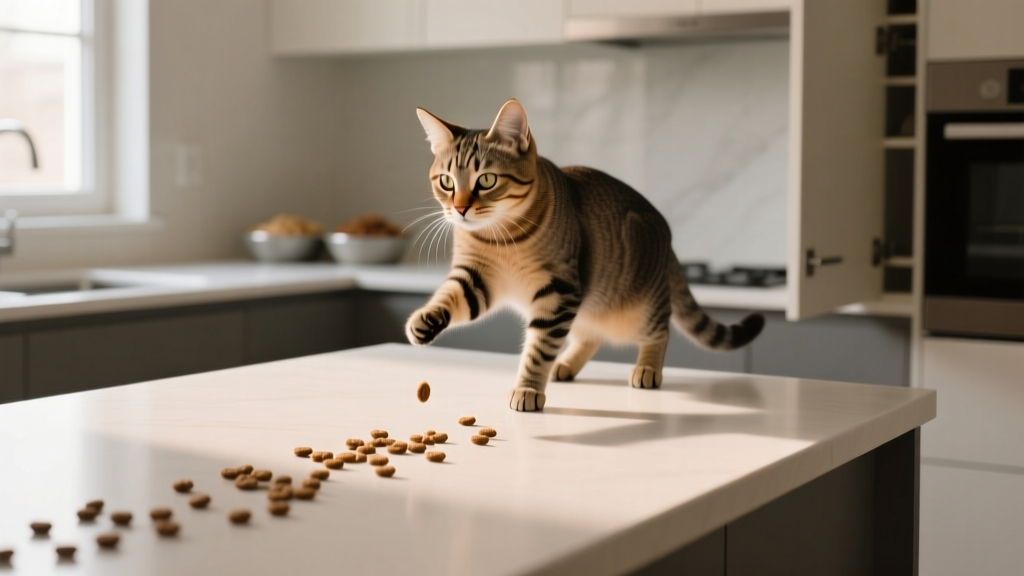
It’s natural curiosity and object play—rooted in testing prey-like movement. In the wild, cats bat at leaves, feathers, or insects to assess threat and edibility. Indoors, tabletop items become ‘prey surrogates.’ Punishment increases anxiety and may worsen the behavior. Instead, provide daily interactive play with dangling toys, place safe ‘knock-down’ objects (like ping-pong balls in a tunnel) on the floor, and use double-sided tape on table edges as a gentle deterrent.
Do cats really ‘not care’ about their owners?
No—this is a dangerous myth based on misreading feline attachment. Research published in Current Biology (2019) showed 64% of cats display secure attachment to owners—similar to dogs and human infants. They express love differently: through bunting, following you room-to-room, sitting nearby while you work, or bringing gifts. Their independence reflects evolutionary self-sufficiency, not emotional detachment.
Is spraying urine the same as normal urination?
No—spraying is a distinct, natural territorial behavior involving a standing posture, tail quivering, and fine mist directed at vertical surfaces. It’s driven by pheromone communication, not elimination. Normal urination occurs in squatting position in litter boxes. Spraying often signals stress (new pet, construction, litter box issues) or intact status. Neutering reduces spraying in 90% of males; spaying eliminates it in females. Always rule out urinary tract infection first.
Common Myths About Natural Cat Behavior
Myth #1: “Cats are aloof because they’re not social animals.”
Truth: Cats are facultatively social—they choose relationships strategically. In colonies, they form complex kin-based bonds, groom allies, and defend shared resources. Their social style is subtler than dogs’, relying on proximity rather than constant interaction. Calling them ‘aloof’ confuses quiet observation with disinterest.
Myth #2: “If a cat hides, it means it doesn’t trust you.”
Truth: Hiding is a primary stress-coping mechanism rooted in survival. Even confident cats retreat during loud storms or vet visits. Trust is built through respecting hiding spaces—not forcing emergence. Offering treats near the hideout (without reaching in) builds positive association.
Related Topics (Internal Link Suggestions)
- Understanding Cat Body Language — suggested anchor text: "how to read cat tail positions and ear movements"
- Cat Enrichment Ideas for Indoor Cats — suggested anchor text: "indoor cat enrichment activities that satisfy natural instincts"
- When to See a Veterinary Behaviorist — suggested anchor text: "signs your cat needs a behavior specialist"
- Best Scratching Posts for Natural Claw Care — suggested anchor text: "top-rated sisal and cardboard scratching posts"
- Cat Litter Box Problems Solved — suggested anchor text: "why cats avoid litter boxes and how to fix it naturally"
Conclusion & Next Step
Understanding what cat behaviors natural isn’t about tolerating quirks—it’s about partnering with your cat’s evolutionary wisdom. Every knead, scratch, and slow blink is data about their comfort, safety, and trust in you. When you stop asking “How do I stop this?” and start asking “What is this telling me?”, you unlock deeper connection, prevent behavioral breakdowns, and honor the resilient, intelligent companion you’ve welcomed into your home. Your next step? Pick *one* behavior from this guide—observe it for 48 hours without judgment, note context and your response, then adjust *one* environmental factor (e.g., add a perch, schedule a play session, move a litter box). Small, science-backed shifts create profound, lasting change. Your cat already speaks fluent feline. It’s time to learn the dialect.