What Cat Behaviors Actually Mean
Why Understanding What Cat Behaviors Really Signal Is the #1 Thing Standing Between You and a Truly Connected, Low-Stress Relationship
If you’ve ever wondered what cat behaviors like kneading, tail flicking, or sudden zoomies actually communicate — or worse, misinterpreted fear as playfulness or anxiety as indifference — you’re not alone. Over 68% of cat owners report at least one recurring behavior they can’t confidently explain (2023 International Society of Feline Medicine survey), and misreading signals is the leading preventable cause of behavioral euthanasia in otherwise healthy cats. The truth? Cats aren’t ‘mysterious’ — they’re highly expressive, but their language evolved for silent communication in dense undergrowth, not human living rooms. When we decode their body language accurately, we reduce stress-induced urinary issues by up to 42%, cut aggression incidents in multi-cat homes by nearly half, and deepen trust in ways treats and toys never can. Let’s translate — not guess.
Decoding the Silent Language: Posture, Eyes, Ears, and Tail as Real-Time Emotional Barometers
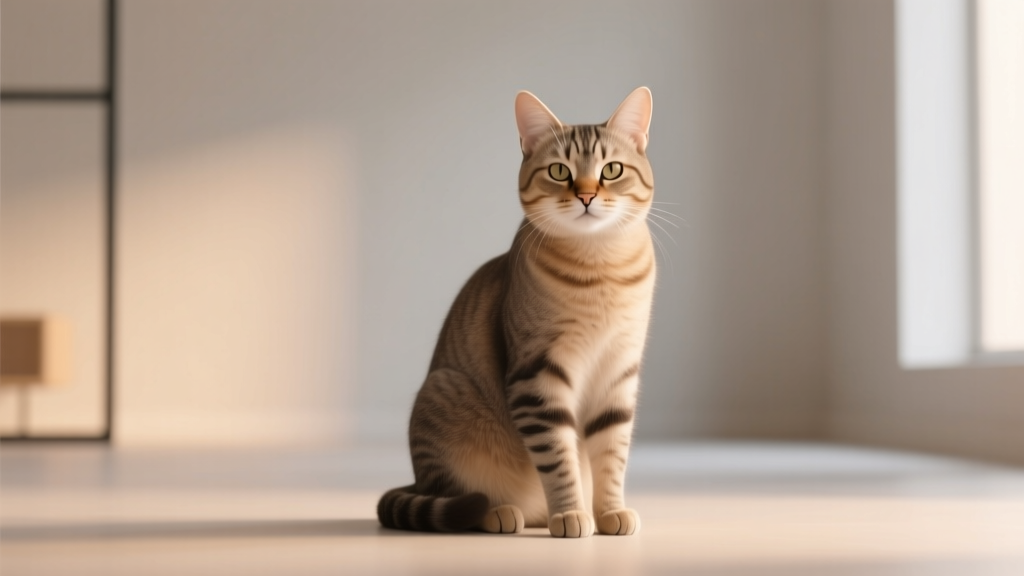
Cats communicate primarily through micro-expressions and posture — not vocalizations. A 2022 study in Applied Animal Behaviour Science found that humans correctly identify feline emotional states only 52% of the time when relying solely on meows or purrs — but accuracy jumps to 89% when observers track ear position, pupil dilation, whisker angle, and tail base tension together. Here’s how to read the full picture:
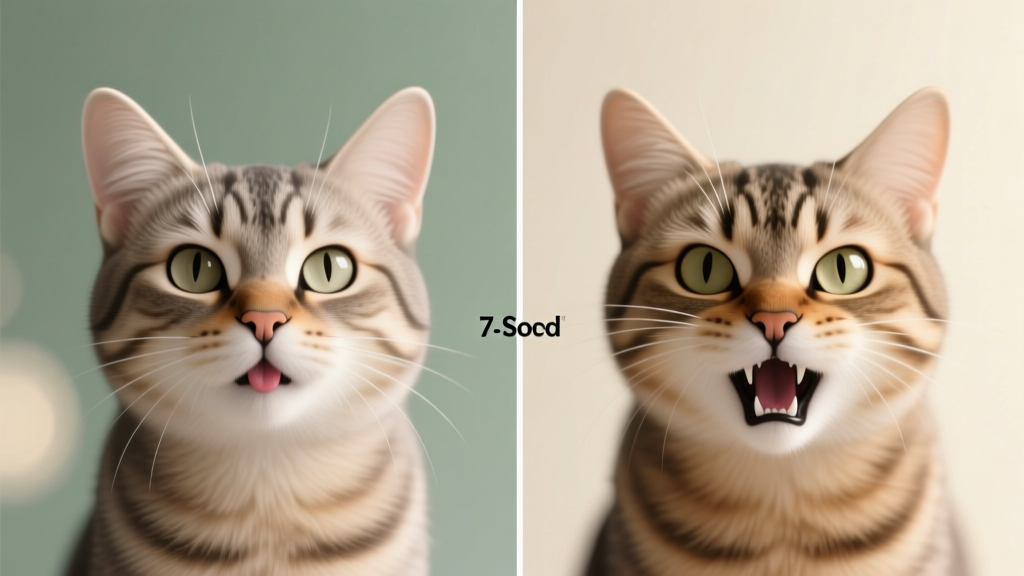
- Eyes: Slow blinks = ‘I trust you’ (a deliberate signal of safety). Fully dilated pupils in normal light = arousal or fear; constricted slits in bright light = focus or irritation. Staring without blinking? That’s a challenge or threat — especially if paired with forward-leaning posture.
- Ears: Forward and upright = curiosity or alert interest. Slightly sideways (‘airplane ears’) = mild uncertainty. Flat against head = fear, defensiveness, or pain. Rapid side-to-side flicks = high agitation — often preceding a bite or swipe.
- Tail: High and quivering tip = intense affection (often seen when greeting trusted humans). Low and tucked = submission or anxiety. Puffed-up like a bottlebrush = fear or defensive aggression. Gentle side-to-side sway = focused attention (e.g., watching birds); rapid, sharp lashing = escalating frustration — stop petting immediately.
Real-world example: Maya, a 3-year-old rescue tabby, began hiding after her owner started working from home. Her ‘what cat behaviors’ included flattened ears, low tail carriage, and avoidance — classic signs of environmental stress, not ‘shyness.’ Once her owner added vertical spaces (cat trees) and scheduled predictable play sessions, Maya’s confidence returned within 10 days. The key wasn’t more attention — it was interpreting her signals correctly.
The Hidden Meaning Behind 7 Everyday ‘Puzzling’ Actions (And What to Do Next)
Many so-called ‘odd’ behaviors are deeply rooted in evolution, neurology, or unmet needs. Here’s what’s really happening — and how to respond:
- Kneading with Paws: Often called ‘making biscuits,’ this isn’t just nostalgia. Kittens knead to stimulate milk flow; adults do it when feeling safe and content. But if it’s painful (sharp claws), provide a thick blanket or soft mat — never punish. As Dr. Sarah Wilson, certified feline behaviorist and co-author of Feline Behavior Solutions, explains: ‘Kneading is a hardwired sign of security. Suppressing it undermines emotional safety.’
- Bringing You ‘Gifts’ (Dead Mice, Toys, Socks): This is not a critique of your hunting skills — it’s inclusion. In colonies, cats bring prey to share with valued members. Respond with calm praise (not horror), then quietly dispose of the item. To redirect, offer interactive wand toys daily to satisfy the hunt-catch-kill sequence.
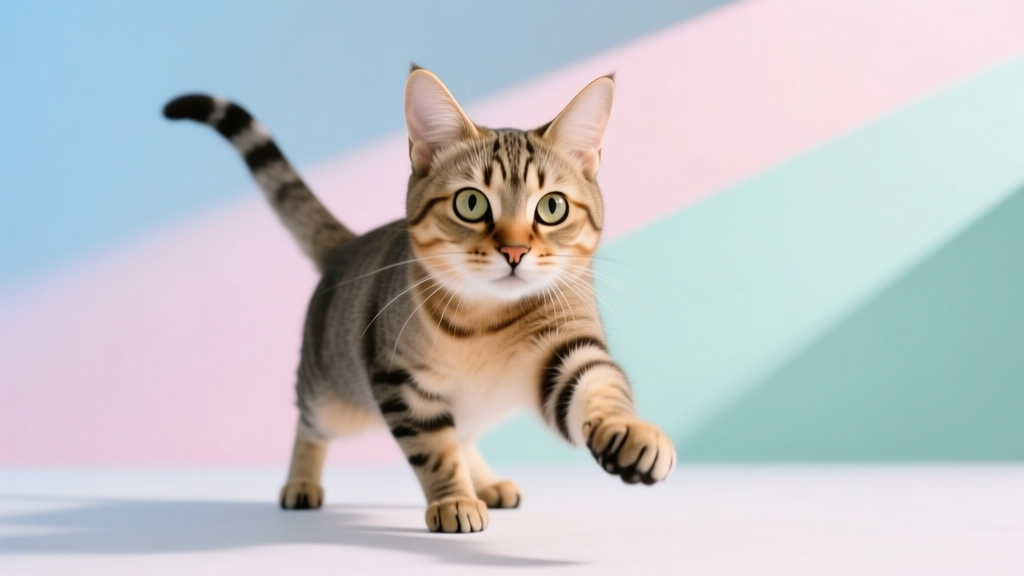
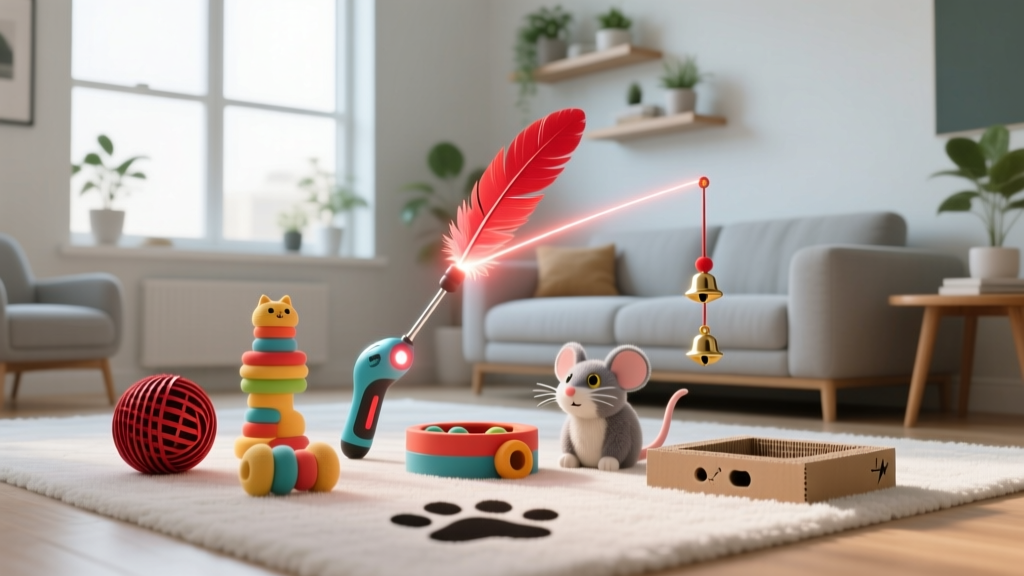
- Sudden Zoomies (Frenetic Running): Not random — it’s pent-up energy release. Indoor cats get ~70% less physical activity than outdoor counterparts (Cornell Feline Health Center). Schedule two 15-minute play sessions daily using feather wands or laser pointers (always end with a tangible ‘catch’ toy to prevent frustration).
- Licking Your Hair or Face: A profound social bonding gesture — equivalent to allogrooming in cat colonies. It signals deep trust and family membership. If excessive, assess for underlying anxiety or overstimulation.
- Scratching Furniture (Not the Scratcher): It’s not spite — it’s scent-marking (paw glands), claw maintenance, and stretching. Place scratchers *next to* furniture (not across the room), cover tempting spots temporarily with double-sided tape, and reward use with treats or play.
- Purring When Ill or in Pain: Contrary to popular belief, purring isn’t always happiness. Frequencies between 25–150 Hz promote bone density and tissue repair (per 2019 University of Sussex research). If purring accompanies lethargy, loss of appetite, or hiding, consult your vet immediately — it may be self-soothing during distress.
- Staring Out Windows for Hours: This is environmental enrichment — but can trigger ‘frustration aggression’ if they can’t act on prey drive. Add bird feeders outside *or* rotate window perches with puzzle feeders inside to channel focus constructively.
When ‘Normal’ Behaviors Cross Into Red Flags: Recognizing Subtle Shifts That Demand Action
Behavior change is often the earliest indicator of illness — sometimes before physical symptoms appear. According to the American Association of Feline Practitioners, 83% of cats showing early-stage kidney disease, hyperthyroidism, or dental pain first exhibit behavioral shifts. Track these 5 critical changes:
- Appetite & Litter Box Habits: Eating less, eating faster, or avoiding the box entirely (or going outside it) can signal pain, nausea, or urinary tract discomfort.
- Vocalization Patterns: Increased yowling at night (especially in seniors) may indicate cognitive decline or hypertension. New, persistent meowing demands vet evaluation.
- Interaction Shifts: A formerly affectionate cat who withdraws, or a reserved cat suddenly demanding constant contact, both warrant investigation.
- Grooming Changes: Over-grooming (bald patches, skin lesions) suggests anxiety or allergies. Under-grooming (matted fur, greasy coat) often indicates pain, arthritis, or depression.
- Sleep Architecture: Sleeping significantly more or less — or shifting sleep locations (e.g., hiding in closets instead of beds) — reflects stress or discomfort.
Pro tip: Keep a simple 2-week behavior log. Note date/time, behavior observed, duration, context (e.g., ‘after vacuuming,’ ‘when dog entered room’), and your cat’s apparent emotional state. This data is gold for your vet — far more valuable than vague recollections.
| Behavior | Most Likely Meaning | Safe Response | When to Worry |
|---|---|---|---|
| Slow blinking + relaxed posture | Trust and contentment | Return the slow blink; speak softly | None — this is ideal! |
| Low growl/hiss + flattened ears | Feeling threatened or in pain | Immediately create space; remove triggers | Persistent hissing without clear cause, or hissing at food/water bowls |
| Excessive licking of one body area | Anxiety, allergies, or pain | Check for fleas, skin redness, or mats; add calming pheromones | Bald patches, bleeding, or licking lasting >5 mins continuously |
| Urine spraying (on vertical surfaces) | Stress-related territorial marking | Identify stressors (new pets, construction, visitors); use Feliway diffusers | First-time spraying in senior cats, or spraying accompanied by straining to urinate |
| Chattering at windows | Excitement/frustration during prey drive | Redirect with interactive play; add visual enrichment | Chattering paired with drooling, lethargy, or refusal to eat |
Frequently Asked Questions
Why does my cat stare at me without blinking?
This is rarely ‘creepy’ — it’s often a neutral observation or mild curiosity. However, prolonged unblinking stares *without* slow blinks can indicate mild stress or uncertainty, especially if paired with tense posture or flattened ears. Try breaking eye contact gently, then offering a slow blink yourself. If your cat reciprocates, it’s a sign of growing trust.
Is it normal for cats to sleep 16–20 hours a day?
Yes — absolutely normal. Cats are crepuscular (most active at dawn/dusk) and conserve energy for short, intense bursts of activity. Kittens and seniors may sleep even longer. Concern arises only if sleep patterns shift dramatically (e.g., sleeping 22+ hours suddenly) or if your cat seems disoriented upon waking.
My cat bites me gently during petting — is that love or aggression?
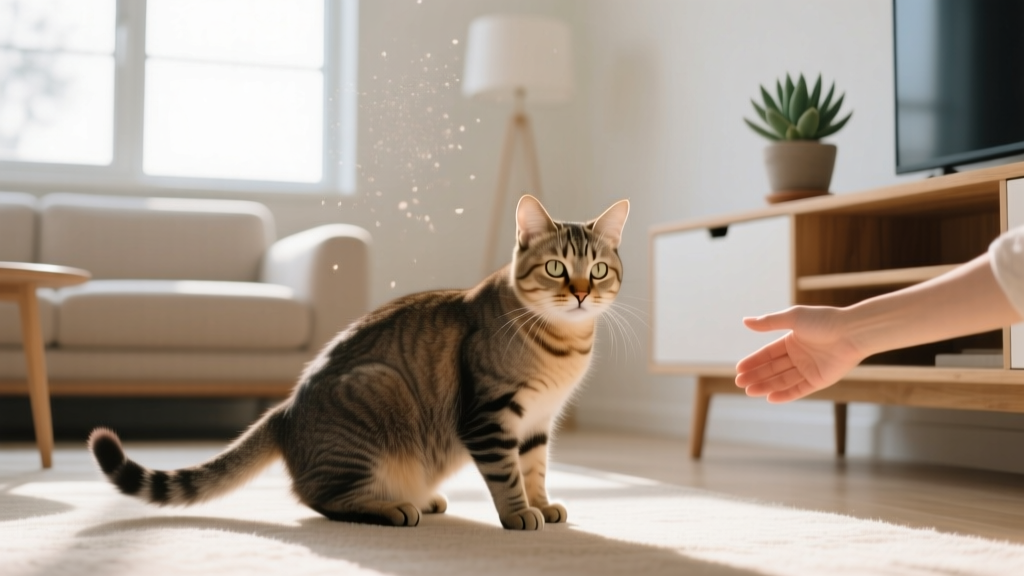
This is almost always ‘petting-induced aggression’ — a neurological overload, not anger. Cats have sensitive nerve endings; stroking beyond their tolerance threshold triggers a reflexive bite. Watch for warning signs: tail flicking, skin twitching, flattened ears, or tensing. Stop petting *before* the bite — aim for 3–5 seconds max, then pause and let your cat initiate more. Reward calm tolerance with treats.
Why does my cat rub its face on everything — including my laptop and shoes?
Face-rubbing deposits pheromones from glands around the cheeks and chin. It’s how cats mark safe, familiar territory — and claim you as part of their family. It’s a profound compliment. Don’t discourage it; celebrate it as a sign of deep bonding.
Do cats recognize their own names?
Yes — but selectively. A landmark 2019 study in Scientific Reports confirmed cats distinguish their names from other words, especially when spoken by their owners. However, they often choose not to respond — not due to ignorance, but because they’re assessing whether compliance serves their interests. Calling them *during* positive experiences (mealtime, play) strengthens the association.
Common Myths About What Cat Behaviors Mean
Myth #1: “Cats are aloof and don’t form strong bonds.”
Debunked: fMRI studies show cats experience attachment to caregivers comparable to dogs and human infants (2020 University of Oregon). They simply express it differently — through proximity, slow blinks, and following you room-to-room. Their independence is preference, not emotional detachment.
Myth #2: “If a cat purrs, it must be happy.”
Debunked: As noted earlier, purring occurs during labor, injury recovery, and terminal illness. It’s a self-regulatory mechanism — like human humming when nervous. Always assess context: body language, environment, and health history matter more than sound alone.
Related Topics (Internal Link Suggestions)
- Understanding Cat Body Language — suggested anchor text: "how to read your cat's body language"
- Cat Stress Signs and Solutions — suggested anchor text: "signs of stress in cats and how to help"
- Why Does My Cat Bite Me? — suggested anchor text: "why does my cat gently bite me"
- Introducing Cats to Each Other — suggested anchor text: "how to introduce cats safely"
- Best Toys for Indoor Cats — suggested anchor text: "indoor cat enrichment ideas"
Your Next Step: Build a Behavior Baseline in Just 5 Minutes
You now know what cat behaviors reveal — but knowledge becomes power only when applied. Your immediate next step? Grab your phone and record a 60-second video of your cat in a calm, neutral setting (no toys, no treats). Watch it back frame-by-frame: note ear position, tail movement, blink rate, and posture. Compare what you see to our decoder table above. Then, pick *one* behavior you’ve misread — and apply the corresponding response this week. Small, consistent adjustments compound into profound trust. Ready to go deeper? Download our free printable ‘Cat Behavior Tracker’ (with vet-reviewed prompts) — it takes 5 minutes to set up and transforms guesswork into grounded understanding.