How to Help a Cat With Behavior Problems
Why Your Cat’s ‘Bad Behavior’ Isn’t Misbehavior—It’s a Cry for Help
If you’ve ever asked yourself, how to help a cat with behavior problems, you’re not alone—and you’re already on the right path. Unlike dogs, cats rarely act out for attention or dominance; their so-called 'problems' are almost always symptoms of unmet physical, emotional, or environmental needs. A 2023 study in the Journal of Feline Medicine and Surgery found that 82% of cats referred for behavior issues had at least one underlying medical condition—like painful arthritis, urinary tract inflammation, or hyperthyroidism—that was never diagnosed before behavioral interventions began. What looks like spiteful scratching may be stress-induced dermatitis. What reads as 'territorial aggression' could be undiagnosed dental pain triggering defensive reactions. This isn’t about fixing your cat—it’s about decoding their language, honoring their biology, and rebuilding trust, one calm interaction at a time.
Step 1: Rule Out Medical Causes—Before You Change a Single Litter Box
Never skip this step—even if your cat seems otherwise healthy. Cats mask illness masterfully. Dr. Sarah Hargrove, DVM and certified feline behavior specialist with the American College of Veterinary Behaviorists, emphasizes: “Every behavior change in a cat over 6 months old warrants a full diagnostic workup—including bloodwork, urinalysis, thyroid panel, and orthopedic exam. I’ve seen cats labeled ‘aggressive’ for years who were actually in chronic knee pain.”
Common medical triggers include:
- Cystitis or FLUTD: Causes urgency, pain during urination, and litter box avoidance—even if urine appears normal.
- Osteoarthritis: Affects up to 90% of cats over age 12 (per Cornell Feline Health Center), leading to irritability, reluctance to jump, and redirected aggression when touched near sore joints.
- Hypertension or cognitive dysfunction: Especially in seniors—may manifest as nighttime vocalization, disorientation, or sudden house-soiling.
- Dental disease: Over 70% of cats over age 3 have significant oral pain, often misread as food refusal or ‘picky eating.’
Your first action? Schedule a vet visit with a veterinarian experienced in feline medicine—not just general practice. Request a full senior panel if your cat is over 7, and ask specifically about pain assessment tools like the Glasgow Composite Measure Pain Scale (feline version).
Step 2: Decode the Function—Not Just the Form—of the Behavior
Behavior is communication. Instead of asking, “Why is my cat peeing on my bed?” ask, “What need is this meeting right now?” Feline behaviorists use the ABC model: Antecedent (what happens before), Behavior (what you observe), Consequence (what happens after). Here’s how it works in real life:
Case Study: Luna, a 4-year-old Siamese, began swatting at her owner’s ankles every morning at 5:30 a.m. The family tried spray bottles, yelling, and even moving her to another room—but the behavior escalated. Using ABC tracking for 5 days, they discovered the antecedent was always the owner rolling over in bed (a movement cue), the behavior was low-intensity swatting, and the consequence was immediate attention (even negative attention counts). The function? Attention-seeking—but rooted in an unmet need: predictable playtime before dawn. Switching to a timed feeder + 10-minute interactive play session at 5:15 a.m. resolved it in 4 days.
Common functions & what they signal:
- Inappropriate elimination: Often territorial marking (stress response) or substrate aversion (litter texture, location, cleanliness).
- Scratching furniture: Not destruction—it’s claw maintenance, scent marking, and stretching. It’s natural. The question is why not the post?
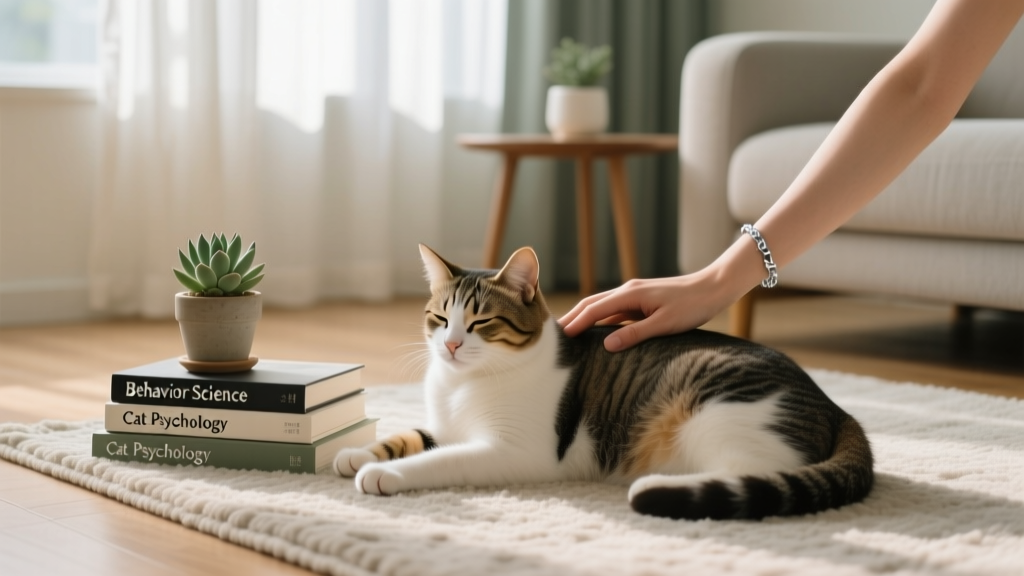
- Biting during petting: Overstimulation—not rejection. Most cats have a 3–5 second tolerance threshold before tail flicking signals ‘stop now.’
- Aggression toward other pets: Rarely dominance—usually resource guarding (food, resting spots, human attention) or fear-based displacement.
Keep a simple log for 7 days: time, location, trigger (if visible), behavior duration, your response, and outcome. Patterns will emerge—and they’ll point directly to your intervention strategy.
Step 3: Optimize the Environment Using the ‘Feline Five’ Framework
The International Society of Feline Medicine (ISFM) and American Association of Feline Practitioners (AAFP) jointly endorse the Feline Five—five core environmental needs essential for psychological and physical well-being. When any one is compromised, behavior problems follow. These aren’t luxuries—they’re biological imperatives.
- Space: Vertical territory (cat trees, shelves, window perches) reduces tension in multi-cat homes. Aim for ≥1 vertical perch per cat, placed at varying heights.
- Resources: Follow the ‘N+1’ rule: number of cats +1 for each critical resource (litter boxes, food bowls, water stations, scratching posts, sleeping spots). Litter boxes must be unscented, uncovered, large enough for full turning, and scooped twice daily.
- Separation: Provide quiet, low-traffic retreat zones—especially important for shy or recovering cats. Use cardboard boxes, covered beds, or tunnels—not just ‘cat caves’ marketed online.
- Play & Predation: Mimic the natural hunting sequence: stalk → chase → pounce → kill → eat → groom → sleep. Use wand toys (never hands!) for 2–3 sessions daily, ending with a small meal or treat.
- Predictability: Feed, play, and clean at consistent times. Avoid sudden changes—introduce new people, pets, or furniture gradually over 7–10 days using positive association (treats, calming pheromones).
Small tweaks yield outsized results. In a 2022 University of Lincoln study, adding just one elevated perch and rotating two toys weekly reduced inter-cat aggression by 68% in shelter colonies within 10 days.
Step 4: Apply Positive Reinforcement—Not Punishment—With Precision
Here’s the hard truth: punishment doesn’t stop unwanted behavior—it erodes trust, increases fear, and often worsens the problem. Spraying water, shouting, or tapping a nose teaches your cat only one thing: you are unpredictable and unsafe. Meanwhile, reward-based methods build confidence and cooperation.
Effective reinforcement requires timing, consistency, and the right motivator:
- Timing matters most: Reward must occur within 1.5 seconds of the desired behavior. Use clicker training or verbal markers (“Yes!”) to bridge the gap.
- Find your cat’s currency: Not all cats love treats. Some prefer chin scratches, slow blinks, or access to a favorite window seat. Test options: offer tuna flakes, cooked chicken, play with a feather wand, or sit quietly nearby while they nap. Note what makes their ears forward and pupils dilate slightly—the sign of genuine engagement.
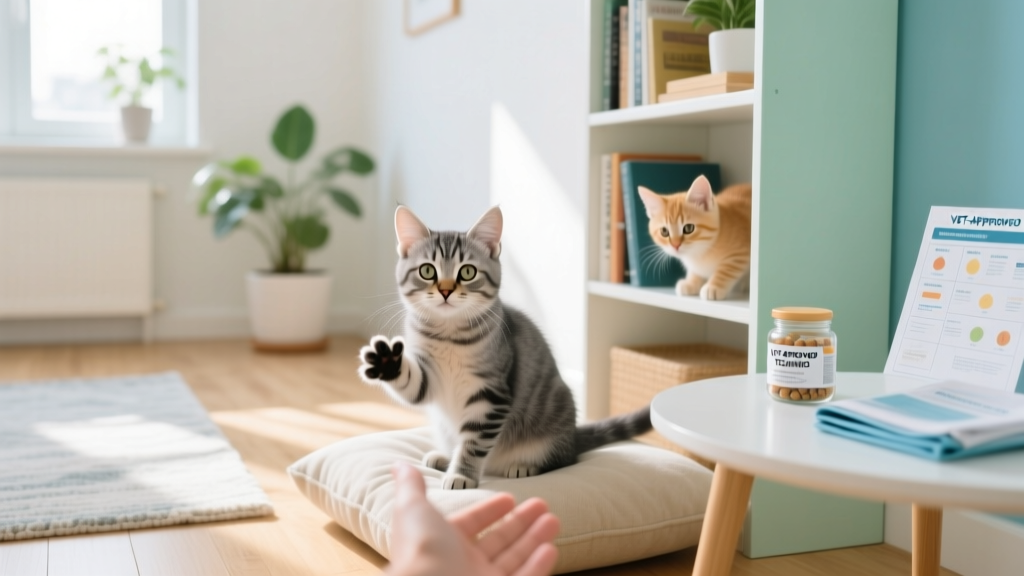
- Shape behavior incrementally: Want your cat to use a scratching post? Don’t wait for full use. Reward looking at it, then touching with paw, then rubbing cheek, then scratching—even once. Raise criteria slowly.
For fear-based behaviors (e.g., hiding from guests), use desensitization + counterconditioning: start at a distance where your cat remains relaxed, pair presence of guest with high-value treats, and only decrease distance when your cat consistently eats and purrs. Rush this, and you reinforce fear.
| Step | Action | Tools/Supplies Needed | Expected Outcome (Within 7 Days) |
|---|---|---|---|
| 1 | Complete full veterinary exam + pain assessment | Vet appointment, blood/urine tests, digital X-rays (if indicated) | Medical cause ruled in or out; pain management plan initiated if needed |
| 2 | Log ABC behavior patterns for 7 days | Printable tracker or notes app, timer | Clear identification of 1–2 primary triggers and functions |
| 3 | Implement ‘Feline Five’ adjustments | Litter boxes (N+1), vertical perches, puzzle feeders, wand toys, Feliway diffuser | Reduced vigilance (less tail flicking, flattened ears), increased napping in open areas |
| 4 | Begin reward-based training for 1 target behavior | Clicker or marker word, high-value treats (e.g., freeze-dried salmon), 5-min daily sessions | Increased eye contact, approach on cue, willingness to engage in short training windows |
| 5 | Introduce calming support (if stress persists) | L-theanine supplement (vet-approved), Adaptil/Calmex for cats, scheduled quiet time | Decreased vocalization at night, less overgrooming, improved appetite |
Frequently Asked Questions
Can I train my cat like a dog?
No—and that’s not a limitation, it’s biology. Cats learn through consequence, not command. They respond to cues that predict good outcomes (e.g., a tap on the floor means ‘come for treat’), not obedience to authority. Dog-style ‘sit/stay’ commands rarely translate. Instead, focus on shaping voluntary behaviors: teaching ‘touch’ with nose, ‘jump up’ onto a mat, or ‘go to bed’ using rewards. Success hinges on respecting their autonomy—not demanding compliance.
My cat hisses at visitors—will they ever warm up?
Yes—most cats can learn to tolerate or even enjoy guests, but it takes patience and precision. Start with guests ignoring your cat completely (no eye contact, no reaching). Place treats near the door *before* they enter. Gradually decrease distance over weeks—not days. Never force interaction. According to Dr. Mikel Delgado, certified applied animal behaviorist, ‘forced socialization creates lifelong fear associations. Consent-based exposure builds safety.’
Is it too late to fix behavior problems in an older cat?
Almost never. While early intervention is ideal, neuroplasticity remains strong in cats well into their teens. A 2021 study in Applied Animal Behaviour Science showed that cats aged 10–16 responded just as robustly to environmental enrichment and reward training as younger adults—though progress may take 2–3x longer. Key: reduce expectations, increase predictability, and prioritize comfort over performance.
Should I get a second cat to ‘fix’ my lonely, destructive cat?
Rarely—and often disastrously. Introducing a new cat without careful, slow, scent-based integration (which takes 4–6 weeks minimum) frequently triggers severe aggression, urine marking, and chronic stress. Loneliness is rarely the root cause of destructive behavior. More likely culprits: under-stimulation, pain, or anxiety. Address those first. If companionship is truly needed, consult a certified cat behavior consultant before introduction.
Do calming collars or sprays really work?
Evidence is mixed—but pheromone products like Feliway Classic (synthetic feline facial pheromone) show statistically significant reduction in stress-related behaviors in 65% of cats in controlled trials (per ISFM meta-analysis). They’re safest when used *with* environmental changes—not as standalone fixes. Avoid plug-in diffusers in rooms with poor ventilation, and never use them near birds. Natural supplements like L-theanine or alpha-casozepine require veterinary approval due to potential interactions.
Common Myths About Cat Behavior Problems
Myth #1: “Cats do things out of spite.”
Cats lack the cognitive capacity for spite—a complex human emotion requiring intent to harm based on perceived injustice. What looks like revenge (e.g., peeing on your pillow after a trip) is actually stress-induced marking triggered by disruption to routine or scent environment.
Myth #2: “If I ignore bad behavior, it’ll go away.”
Ignoring often backfires—especially with attention-seeking behaviors. Without redirection, the cat escalates (e.g., from meowing to knocking things off counters). The solution isn’t ignoring—it’s removing reinforcement *and* offering a better alternative (e.g., teach ‘sit’ for attention instead of jumping).
Related Topics (Internal Link Suggestions)
- Understanding Cat Body Language — suggested anchor text: "how to read your cat's tail, ears, and eyes"
- Best Litter Boxes for Multi-Cat Households — suggested anchor text: "low-tracking, high-sided litter boxes that reduce stress"
- Calming Supplements for Cats: Vet-Approved Options — suggested anchor text: "safe, research-backed calming aids for anxious cats"
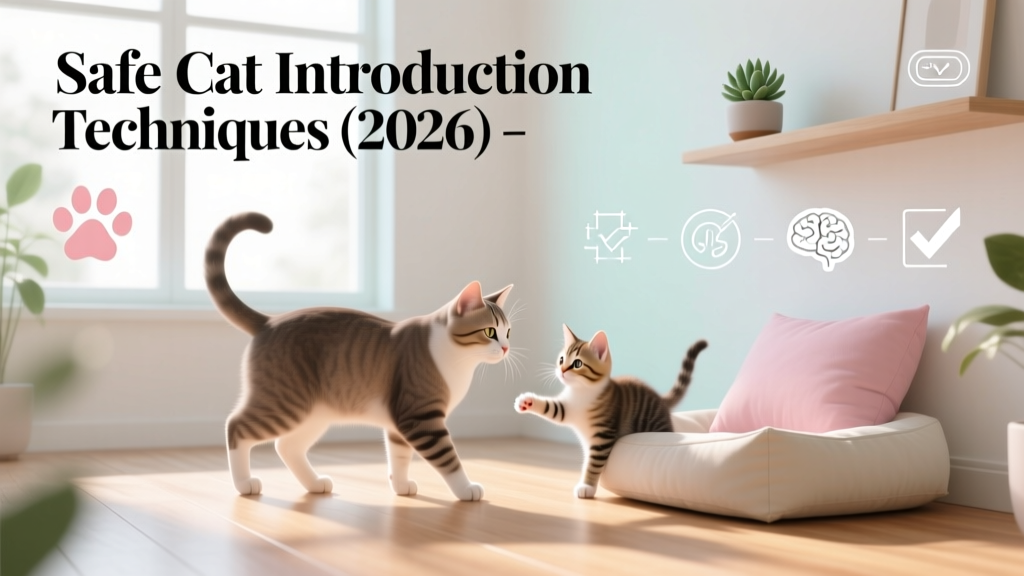
- How to Introduce a New Cat Safely — suggested anchor text: "step-by-step cat introduction protocol"
- When to See a Veterinary Behaviorist — suggested anchor text: "signs your cat needs specialist behavior support"
Your Next Step Starts Today—And It’s Simpler Than You Think
You don’t need perfection. You don’t need expensive gadgets or endless hours. You just need one clear, compassionate action: schedule that vet visit tomorrow—and while you wait, add one vertical perch and scoop the litter box twice today. Behavior change isn’t linear, but every small, science-backed choice rebuilds safety. Your cat isn’t broken. They’re communicating—and now, you know how to listen. Download our free Feline Behavior Tracker PDF (linked below) to start your 7-day ABC log—and remember: progress isn’t measured in flawless days, but in fewer flinches, longer naps, and one more slow blink shared between you and your cat.