What Cat Behavior Means for Senior Cats
Why Your Senior Cat’s ‘New Normal’ Might Be a Silent SOS
If you’ve ever caught yourself saying, “Oh, she’s just slowing down — that’s what cat behavior means for senior cats,” you’re not alone. But here’s what most owners miss: nearly 65% of behavioral changes in cats aged 12+ aren’t inevitable signs of aging — they’re often the first, quiet indicators of underlying pain, cognitive dysfunction, or metabolic disease. According to Dr. Sarah Lin, DACVIM (Internal Medicine) and co-author of the AAHA Senior Cat Care Guidelines, “Behavior is the language senior cats use when they can’t tell us they hurt — and we’re trained to misinterpret it as ‘grumpiness’ or ‘quirkiness.’” This article cuts through that confusion with evidence-based decoding, real-world examples, and a step-by-step action plan — because understanding what cat behavior means for senior cats isn’t just about compassion. It’s about catching treatable issues early, preserving quality of life, and honoring the bond you’ve built over 15+ years.
Decoding the 5 Most Misread Behaviors — And What They Really Signal
Sr. cats rarely vocalize discomfort physically — they communicate through behavior. Yet many owners dismiss these signals until crisis hits. Let’s break down five high-frequency shifts, their probable root causes, and how to investigate further:
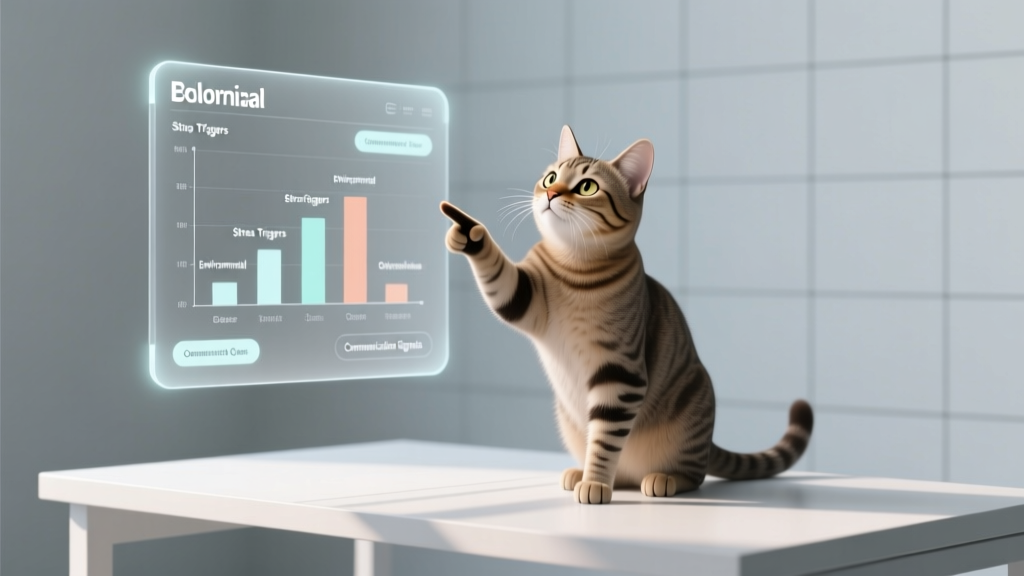
- Increased vocalization at night (especially yowling or meowing): Often blamed on ‘confusion,’ but frequently linked to hypertension-induced retinal changes (causing vision loss), hyperthyroidism-driven restlessness, or chronic kidney disease–related nausea. In a 2022 Cornell Feline Health Center study, 78% of nocturnally vocal seniors had systolic blood pressure >160 mmHg — a threshold requiring intervention.
- Withdrawal or hiding more than usual: Not just ‘shyness.’ A sudden retreat from family spaces may indicate dental pain (e.g., resorptive lesions), osteoarthritis in shoulders or hips (making jumping painful), or even early-stage dementia. Observe if your cat avoids specific movements — like climbing stairs or entering the litter box — to spot mobility clues.
- Litter box avoidance outside the box: While commonly assumed to be ‘senile forgetting,’ research from the University of Edinburgh shows only ~12% of cases stem from cognitive decline. The top three causes? Urinary tract discomfort (cystitis, stones), constipation (often masked by reduced grooming), and litter box accessibility issues (e.g., high sides, slippery flooring).
- Decreased grooming or matted fur: Grooming requires flexibility, balance, and energy. When a once-fastidious cat stops self-cleaning, look beyond ‘laziness.’ Check for stiffness in the spine or elbows, dental pain that makes tongue movement painful, or skin conditions like allergic dermatitis exacerbated by age-related immune shifts.
- Increased aggression toward familiar people or pets: This is rarely ‘personality change.’ More often, it’s redirected pain — a gentle pet triggers soreness near an arthritic joint, or a tail flick becomes a bite because the cat can’t signal ‘stop’ without escalating. As Dr. Lin emphasizes: “Aggression in seniors is almost always a symptom — never a diagnosis.”
Your 4-Step Behavioral Assessment Protocol (No Vet Visit Required — Yet)
Before rushing to the clinic (or worse — assuming it’s ‘just old age’), run this low-cost, at-home diagnostic protocol. It takes under 10 minutes daily for one week and reveals patterns invisible to casual observation:
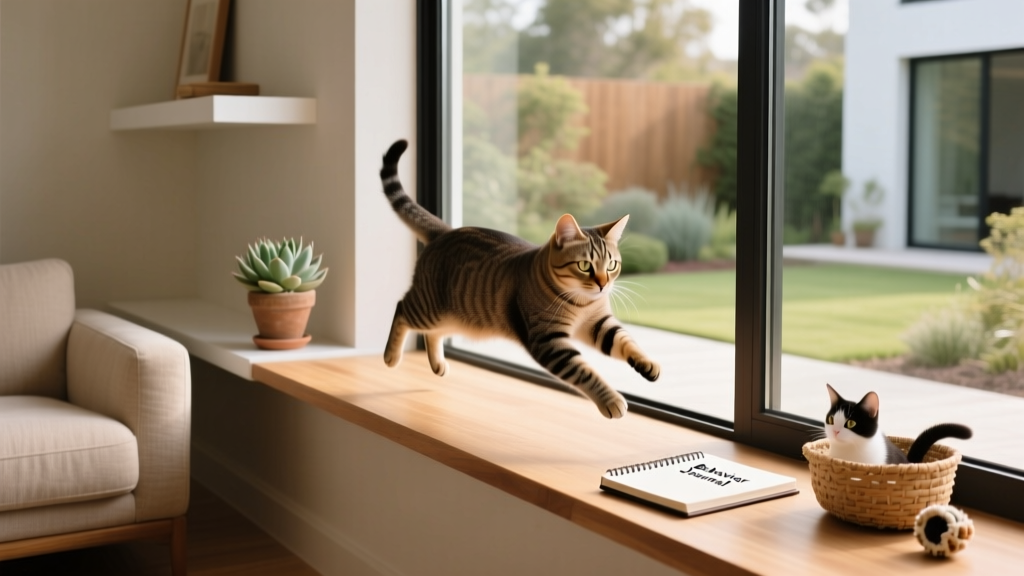
- Track timing & triggers: Use a simple notebook or app (like PetDesk or CatLog) to log every behavior shift — when it happens (e.g., “11:30 PM, after eating”), what preceded it (e.g., “after being brushed near left shoulder”), and environmental context (e.g., “during thunderstorm”). Patterns emerge fast — e.g., vocalizing only post-meal points to GI distress.
- Test mobility & comfort zones: Place treats in varied locations — on the floor, on a low cushion, beside the litter box entrance. Note hesitation, limping, or reluctance to jump. Try gently flexing each leg at the elbow and hip — if your cat tenses, pulls away, or cries, that joint likely hurts.
- Check sensory function: Wave a hand slowly near each eye — does the blink reflex engage equally? Clap softly behind them — do both ears swivel? Reduced response suggests hearing/vision loss, which directly fuels anxiety-driven behaviors like nighttime wandering or startle-aggression.
- Baseline baseline vital signs: Learn to take resting respiratory rate (normal: 20–30 breaths/min while sleeping), gum color (should be bubblegum pink, not pale or bluish), and body condition score (BCS). A BCS drop from 5/9 to 3/9 in 4 weeks signals serious metabolic or neoplastic disease — even with normal appetite.
This protocol isn’t diagnostic — but it transforms vague worry into concrete data. One client, Linda (13-year-old tuxedo male, ‘Mochi’), used it to spot his 3 a.m. pacing only occurred after drinking water. His vet confirmed early-stage chronic kidney disease — caught before creatinine rose. Early intervention added 22 months of stable, joyful life.
When ‘Normal Aging’ Ends and Medical Intervention Begins
Yes, some changes are part of healthy aging — slower metabolism, slightly reduced activity, longer naps. But thresholds exist where behavior crosses into clinical territory. The American Association of Feline Practitioners (AAFP) defines ‘senior’ as 11+ years and ‘geriatric’ as 15+, yet functional decline varies wildly. Below is a clinically validated timeline-based framework used by veterinary behaviorists to separate expected aging from red flags needing action.
| Age Range | Typical Behavioral Shifts | Red Flags Requiring Veterinary Evaluation Within 2 Weeks | Recommended Proactive Actions |
|---|---|---|---|
| 11–14 years | Mild reduction in play; slight decrease in grooming efficiency; occasional nighttime restlessness | Vocalizing >3x/night for >5 days; avoiding favorite napping spots; refusing previously loved treats; weight loss >5% in 1 month | Annual senior wellness exam + bloodwork (CBC, chemistry panel, T4, SDMA); install ramps/litter box with low entry; switch to softer bedding |
| 15–17 years | Noticeable slowing; increased sleep (18–20 hrs/day); mild disorientation in new environments | Urinating/defecating outside box >2x/week; staring blankly at walls >10 min/day; aggression during handling; panting at rest | Biannual exams + urinalysis + blood pressure check; cognitive enrichment (food puzzles, scent games); consider omega-3 + apoaequorin supplement (vet-approved) |
| 18+ years | Significant mobility reduction; longer recovery from stress; decreased interest in interaction | Incontinence (urine/fecal leakage); inability to stand unassisted >30 sec; persistent vocalization with no apparent trigger; seizures or tremors | Quarterly palliative care consult; home environment audit (non-slip rugs, elevated food/water, litter box on every floor); discuss quality-of-life scale with vet monthly |
Note: This isn’t about extending life at all costs — it’s about extending *well-being*. As Dr. Emily Carter, DVM and founder of the Feline Geriatric Initiative, states: “Our goal isn’t to make a 19-year-old cat act like a 7-year-old. It’s to ensure every day feels safe, comfortable, and meaningful — even if that means adjusting our expectations of ‘normal.’”
Real-World Case Study: From ‘Grumpy Old Man’ to Thriving Senior
Meet Jasper — a 16-year-old domestic shorthair who’d lived with his owner, Mark, since kittenhood. Over 6 months, Jasper went from greeting Mark at the door to hiding under the bed when he entered the room. He began swatting when petted near his tail, stopped using his favorite window perch, and started eliminating on Mark’s laundry pile. Mark assumed Jasper was ‘done with people.’
After running the 4-Step Assessment, Mark noticed Jasper flinched violently when stepping down from the couch — and avoided the litter box only on rainy days (when his arthritis flared). A vet visit revealed severe sacroiliac joint osteoarthritis and a urinary tract infection. Treatment included gabapentin for nerve pain, a prescription anti-inflammatory, and a heated orthopedic bed placed beside the litter box. Within 3 weeks, Jasper returned to sunbathing in his window perch. Six months later, he’s still greeting Mark — with slow blinks and head-butts.
Jasper’s story underscores a critical truth: behavior is data, not destiny. With compassionate observation and targeted support, ‘senior decline’ is often reversible or manageable.
Frequently Asked Questions
Is my senior cat’s increased sleeping normal — or a sign of illness?
It’s normal for cats 12+ to sleep 16–20 hours daily — especially in warm, quiet spots. Concern arises when sleep patterns shift abruptly (e.g., suddenly sleeping 22+ hours), when waking is difficult (needing multiple attempts to rouse), or when sleep is fragmented by frequent nighttime pacing or vocalization. These suggest pain, hypertension, or cognitive dysfunction — not just fatigue.
My senior cat stares into space or gets ‘stuck’ in corners — is this dementia?
Yes — this is a hallmark sign of feline cognitive dysfunction syndrome (CDS), affecting up to 55% of cats 15+. But crucially, CDS symptoms mimic those of brain tumors, hypertension-induced strokes, or metabolic encephalopathy. Always rule out treatable causes first via bloodwork, blood pressure, and neurological exam before accepting ‘dementia’ as the answer.
Can diet changes really improve senior cat behavior?
Absolutely — and profoundly. A 2023 UC Davis study found cats fed a diet enriched with medium-chain triglycerides (MCTs), antioxidants (vitamin E, selenium), and apoaequorin showed 42% greater improvement in orientation and social interaction scores over 12 weeks vs. controls. Key: avoid generic ‘senior’ kibble — seek veterinary nutritionist-formulated diets (e.g., Hill’s b/d, Royal Canin NeuroCare) proven in clinical trials.
How do I know if my senior cat is in pain — when they hide it so well?
Cats mask pain instinctively. Watch for subtle shifts: reduced vertical territory (no jumping onto counters), less tail movement, squinting eyes, licking one area obsessively, or ‘tense’ posture (hunched back, tucked paws). The Feline Grimace Scale — a validated 5-point facial assessment tool — helps detect pain via ear position, orbital tightening, muzzle tension, and whisker changes. Your vet can train you to use it.
Should I get bloodwork every year — even if my senior cat seems fine?
Yes — unequivocally. Up to 70% of cats with early kidney disease, hyperthyroidism, or diabetes show zero outward symptoms until 75% of organ function is lost. Annual senior panels (including SDMA for kidney health, T4, and urine specific gravity) catch disease in stages where intervention changes outcomes — not just lifespan, but quality of life.
Common Myths About Senior Cat Behavior — Debunked
- Myth #1: “If they’re eating and purring, they must be okay.” Purring is a self-soothing mechanism — cats purr when injured, stressed, or dying. Appetite and purring reflect resilience, not absence of disease. Many cats with advanced arthritis or oral cancer maintain strong appetites until late stages.
- Myth #2: “Older cats don’t need enrichment — they’re past that stage.” Enrichment is neuroprotective. Daily scent games (hide treats in paper bags), gentle interactive play (feather wand for 2 mins), and novel textures reduce CDS progression. A 2021 Journal of Feline Medicine study showed enriched seniors had 3.2x lower incidence of disorientation over 18 months.
Related Topics (Internal Link Suggestions)
- Senior Cat Wellness Exam Checklist — suggested anchor text: "what to expect at a senior cat vet visit"
- Best Litter Boxes for Arthritic Cats — suggested anchor text: "low-entry litter boxes for older cats"
- Signs of Cat Dementia (Feline Cognitive Dysfunction) — suggested anchor text: "is my cat showing signs of dementia"
- Pain Management for Senior Cats — suggested anchor text: "safe pain relief for older cats"
- High-Calorie Foods for Underweight Senior Cats — suggested anchor text: "best food for senior cats losing weight"
Conclusion & Your Next Step
What cat behavior means for senior cats isn’t a mystery — it’s a nuanced, observable language waiting to be translated. Every withdrawn glance, every missed jump, every midnight yowl holds meaning. You don’t need a veterinary degree to listen closely. Start today: pick one behavior that’s been nagging at you — the litter box issue, the nighttime pacing, the sudden aloofness — and run the 4-Step Assessment for just 3 days. Document it. Then, bring that data — not just your worry — to your vet. That shift, from observer to informed advocate, is where true senior cat care begins. Because love isn’t just about feeding and sheltering. It’s about understanding — deeply, patiently, and scientifically — what your oldest friend is trying to say.