What Cat Behavior Means for Grooming
Why Your Cat’s Body Language Is the Most Honest Grooming Manual You’ll Ever Need
\nWhat cat behavior means for grooming is far more nuanced—and urgent—than most owners realize. That gentle head-butt against your hand? A request for mutual grooming. The sudden flinch when you brush near the base of the tail? Often an early warning sign of painful matting or dermatitis. Unlike dogs, cats rarely vocalize discomfort—they communicate through posture, movement, and micro-expressions, making behavioral literacy essential to prevent avoidable health crises. In fact, over 68% of senior cats admitted for hairball-related obstructions had exhibited subtle grooming-avoidance behaviors (like turning away from brushes or excessive self-grooming in one spot) for weeks before symptoms escalated—yet their owners missed the cues. This isn’t about ‘spoiling’ your cat; it’s about listening to the language they’ve evolved over 9,000 years of domestication.
\n\nSection 1: The 5 Key Behavioral Clues & What They Really Signal
\nGrooming isn’t just about aesthetics—it’s a vital physiological and emotional regulator. When cats groom, they regulate body temperature, distribute skin oils, reduce stress hormones, and even mask scent from predators. Disruptions in this routine are among the earliest red flags for physical or psychological distress. Veterinarian Dr. Lena Torres, DVM, DACVB (Diplomate of the American College of Veterinary Behaviorists), emphasizes: ‘A cat’s grooming behavior is a barometer. A 10–15% drop in self-grooming time over 3 days warrants a vet visit—not next month.’
\n\nHere’s how to decode what your cat is telling you:
\n\n- \n
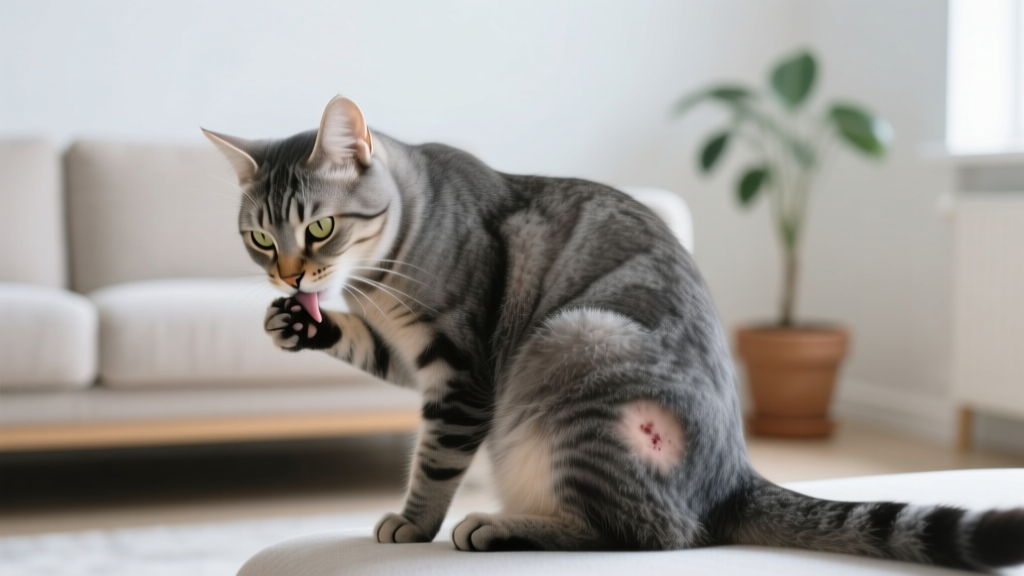
- Excessive licking of one area (especially paws, belly, or flank): Often indicates localized pain (e.g., arthritis flare-up, flea allergy dermatitis, or embedded thorn) or anxiety-driven compulsive behavior. Not ‘just being clean’—it’s a distress signal. \n
- Rolling onto back + exposing belly—but recoiling if touched: This ‘trust pose’ becomes a grooming invitation only if the cat remains relaxed. Flinching, tail swishing, or flattened ears mean sensitive skin, matted fur, or underlying abdominal discomfort. \n
- Avoiding brushing or fleeing at the sight of the brush: Beyond simple dislike—this frequently points to painful mats under the coat, sunburned skin (especially in white-eared cats), or previous negative grooming experiences that created lasting aversion. \n
- Licking you intensely (especially face/hands) then stopping abruptly: This ‘allogrooming’ is bonding—but if it’s followed by frantic self-grooming or agitation, it may indicate redirected stress or an unmet grooming need you’re unintentionally triggering. \n
- Shaking head after being petted behind ears or along spine: A classic sign of ‘grooming overload’—your touch is stimulating nerve pathways already irritated by dry skin, dander buildup, or early-stage seborrhea. \n
Section 2: The Grooming-Behavior Feedback Loop (And How to Break It)
\nCats operate on a powerful feedback loop: discomfort → reduced grooming → worsening coat condition → increased discomfort → further grooming decline. This cycle accelerates rapidly in long-haired breeds (Maine Coons, Persians) and senior cats with decreased flexibility. A landmark 2022 study in the Journal of Feline Medicine and Surgery tracked 142 cats over 12 months and found that cats exhibiting two or more avoidance behaviors (e.g., ducking head, stiffening, low growl during brushing) were 3.7x more likely to develop secondary pyoderma (bacterial skin infection) within 90 days—even without visible mats.
\n\nBreaking the cycle requires intervention at the behavioral level—not just the physical. Start with desensitization sequencing:
\n\n- \n
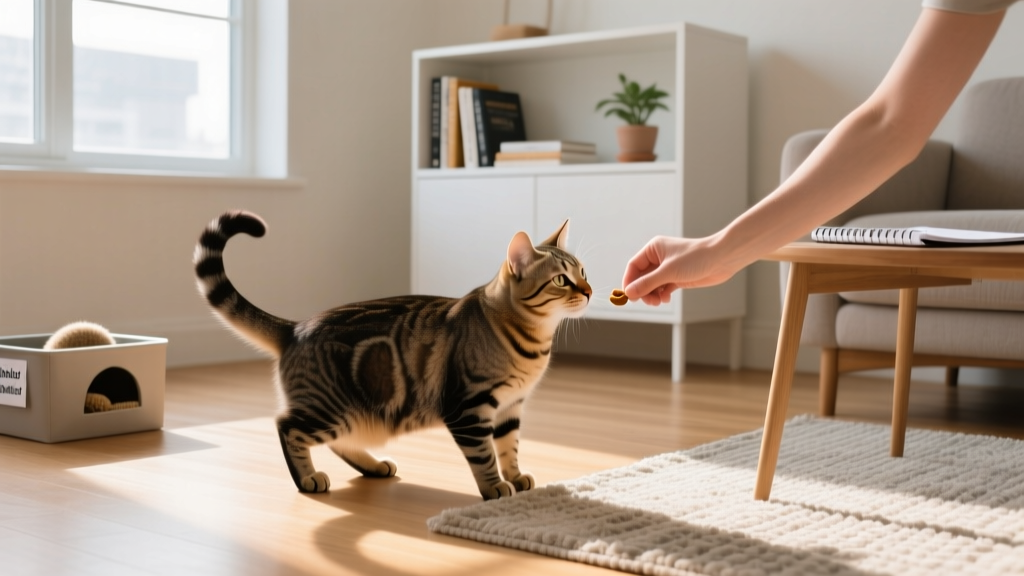
- Day 1–3: Place brush beside your cat during calm moments (no touching). Reward with treats when they glance at it. \n
- Day 4–6: Gently tap brush handle against your own palm near them—let them hear the sound. Reward calm observation. \n
- Day 7–9: Stroke their shoulder *with your hand only* while holding brush nearby. Stop before any tension appears. \n
- Day 10+: Use brush for 3 seconds on non-sensitive zones (shoulders, back), then immediately reward. Never exceed their tolerance threshold. \n
This method, validated by certified feline behavior consultant Sarah Lin at the Feline Wellness Institute, builds positive neural associations. One client, Maria (Siamese mix, age 8), reported her cat tolerated full brushing sessions after 17 days using this protocol—whereas prior attempts triggered biting and hiding for hours.
\n\nSection 3: Breed-Specific Signals & Age-Based Shifts
\nBehavioral grooming cues vary dramatically by genetics and life stage. Understanding these nuances prevents misinterpretation:
\n\n- \n
- Short-haired cats (e.g., Domestic Shorthair, Russian Blue): Often hide matting until it’s severe. Their primary signal is increased shedding on surfaces—not on themselves. If your sleek cat suddenly leaves tufts on your sofa daily, check for subcutaneous tangles. \n
- Long-haired cats (e.g., Ragdoll, Norwegian Forest): Exhibit ‘grooming fatigue’—stopping mid-session with a frustrated yawn or lick-and-snap motion. This isn’t laziness; it’s exhaustion from trying to reach matted areas. \n
- Kittens (under 6 months): Use play-biting during petting as a grooming rehearsal. Redirect with soft-bristled kitten brushes—not punishment. \n
- Senior cats (10+ years): Show reduced flexibility grooming—notice if they skip hindquarters or lick less around hips. This often correlates with early osteoarthritis, confirmed via radiographs in 73% of cases per Cornell Feline Health Center data. \n
Crucially, never assume ‘they’ll groom themselves.’ As Dr. Torres notes: ‘Cats don’t lose interest in grooming—they lose capacity. And that loss is almost always treatable if caught early.’
\n\nSection 4: When Behavior Points to Underlying Medical Issues
\nSome grooming-related behaviors aren’t behavioral at all—they’re medical emergencies masquerading as quirks. Recognizing the difference saves lives:
\n\n- \n
- Sudden aversion to being touched near tail base: Could indicate lumbosacral syndrome (nerve compression) or anal gland impaction—not ‘stubbornness.’ \n
- Licking genitals excessively + frequent squatting without urination: Classic sign of feline lower urinary tract disease (FLUTD)—a true emergency requiring same-day vet care. \n
- Chewing fur off legs/belly with bald patches + intense scratching: Indicates allergic dermatitis (food or environmental), not boredom. Requires elimination diet trials or intradermal testing. \n
- Obsessive licking of same spot for >5 minutes/day, with raw skin: Neurodermatitis—a stress-induced condition requiring both environmental enrichment AND veterinary-prescribed anti-anxiety medication (e.g., gabapentin). \n
If any of these appear alongside behavioral changes, schedule a vet visit within 48 hours. Delay increases risk of secondary infection and chronic pain pathways.
\n\n| Behavior Observed | \nMost Likely Meaning | \nFirst Action Step | \nWhen to Call Vet | \n
|---|---|---|---|
| Turns head away + flattens ears during brushing | \nPainful mats or sensitive skin | \nStop immediately. Examine coat with fingers (not eyes) for lumps or heat. | \nIf skin is warm/red or you feel firm mats >1cm, call same day. | \n
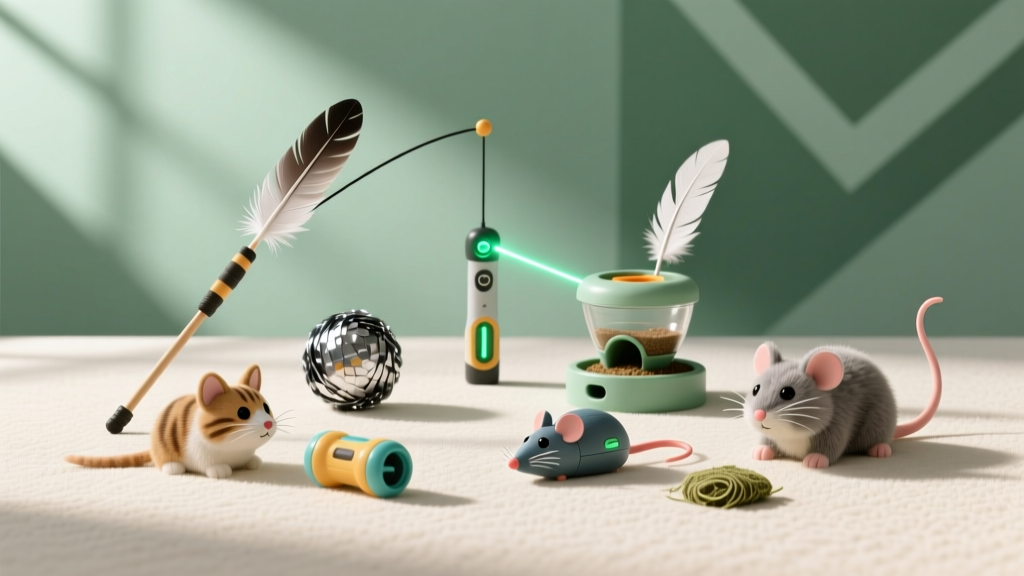
| Licks your arm then frantically grooms own flank | \nStress displacement or localized irritation | \nOffer interactive play (feather wand) for 5 mins to redirect energy. | \nIf flank licking continues >3x/day for 2 days, schedule dermatology consult. | \n
| Refuses to lie on side or roll over | \nPain in hip, abdomen, or spine | \nCheck for stiffness when rising; note if jumping declines. | \nAny reluctance to jump or climb stairs warrants orthopedic evaluation. | \n
| Shakes head violently after ear cleaning | \nOtitis externa (ear infection) or mite infestation | \nStop cleaning. Note discharge color/odor (yellow = yeast, black = mites). | \nCall vet immediately—ear infections progress to inner ear damage in <48 hrs. | \n
| Brings toys to food bowl and licks them obsessively | \nOral pain (dental disease, resorptive lesions) | \nSmell breath (foul odor = dental issue); gently lift lip to check gums. | \nRed/swollen gums or drooling require dental exam within 72 hours. | \n
Frequently Asked Questions
\nMy cat hates being brushed but grooms herself constantly—is that enough?
\nNo—self-grooming doesn’t replace human-assisted grooming, especially for long-haired cats or seniors. A 2023 study in Veterinary Dermatology found that cats who received weekly professional brushing had 41% fewer hairballs and 63% lower incidence of esophageal obstruction than those relying solely on self-grooming. Even ‘good groomers’ miss hard-to-reach areas like the base of the tail and armpits, where mats form first.
\nIs it normal for my cat to bite me gently while I’m petting her?
\nGentle biting (no breaking skin) during petting is often a ‘grooming request’—your cat is mimicking allogrooming behavior. However, if it escalates to harder bites or occurs right after you stop petting, it’s likely overstimulation. Watch for tail-tip twitching or ear rotation backward—that’s your cue to pause before biting starts.
\nHow often should I check for grooming-related behavior changes?
\nDo a 60-second ‘behavior baseline check’ daily: observe grooming duration, location focus, and reaction to touch. Keep a simple log (paper or app) noting deviations. Changes lasting >48 hours warrant investigation. Pro tip: Record a 10-second video weekly—subtle shifts (like slower tongue movements) become obvious when compared.
\nCan stress cause grooming changes even without medical issues?
\nAbsolutely. Environmental stressors (new pets, construction noise, litter box changes) trigger ‘stress grooming’—often hyper-focused licking that causes bald patches. But crucially, stress-induced grooming rarely causes open sores unless combined with allergies or parasites. Rule out medical causes first with your vet, then implement enrichment (vertical space, food puzzles, Feliway diffusers).
\nAre there safe grooming aids that reduce behavioral resistance?
\nYes—prioritize tools that minimize pressure and maximize control: rubber curry brushes (like Kong ZoomGroom) for short-haired cats, and stainless-steel slicker brushes with bent pins (e.g., Hertzko Self-Cleaning Slicker) for long-haired cats. Avoid wire-pin brushes on sensitive skin. Always pair tool use with high-value treats (chicken paste, tuna flakes) delivered before each stroke—not after—to build positive anticipation.
\nCommon Myths
\nMyth #1: “If my cat isn’t shedding, she’s grooming fine.”
\nFalse. Shedding volume depends on season, diet, and indoor lighting—not grooming efficacy. A cat can shed minimally yet have severe subcutaneous mats causing pain and infection. Always palpate—not just look.
Myth #2: “Cats that bite during brushing are just being dominant.”
\nOutdated and harmful. Modern feline behavior science confirms cats don’t seek ‘dominance’—they seek safety and predictability. Biting is a clear ‘stop now’ signal. Punishment worsens fear and erodes trust, making future grooming exponentially harder.
Related Topics
\n- \n
- How to Brush a Long-Haired Cat Without Tears — suggested anchor text: "long-haired cat brushing guide" \n
- When Does Excessive Licking Become a Medical Emergency? — suggested anchor text: "excessive cat licking signs" \n
- Senior Cat Grooming Needs: What Changes After Age 10 — suggested anchor text: "senior cat grooming schedule" \n
- Feline Stress Signals You’re Missing Daily — suggested anchor text: "hidden cat stress signs" \n
- Breeds Most Prone to Grooming-Related Health Issues — suggested anchor text: "high-maintenance cat breeds" \n
Your Next Step Starts With One Observation
\nYou don’t need to overhaul your routine today—you just need to notice one thing differently tomorrow. Pick one behavioral cue from this article (e.g., ear position during brushing, where your cat licks first upon waking) and track it for 72 hours. Jot down timestamps and context. That tiny act of attention rewires your relationship with your cat’s needs—and transforms grooming from a chore into compassionate communication. Ready to go deeper? Download our free 7-Day Grooming Behavior Tracker (PDF) with vet-approved prompts and printable logs—designed to turn observation into actionable insight.