What Cat Behavior Means
Why Understanding What Cat Behavior Means Is Your Secret Superpower
If you’ve ever stared at your cat mid-stare-down, wondered why they knead your sweater at 3 a.m., or felt guilty after scolding them for scratching the couch—then you already know: what cat behavior means isn’t just curiosity—it’s the foundation of trust, safety, and lifelong companionship. Cats don’t speak our language—but they communicate constantly, using a rich, nuanced vocabulary of posture, sound, scent, and timing. Yet nearly 73% of cat owners misinterpret at least three core signals daily (2023 International Cat Care Survey), leading to avoidable stress, behavioral issues, and even premature rehoming. The good news? Decoding feline communication isn’t magic—it’s learnable, observable, and deeply rewarding. In this guide, we go beyond ‘purring = happy’ and ‘hissing = angry’ to reveal what your cat is *really* saying—and how to respond in ways that strengthen your bond, prevent conflict, and support their emotional well-being.
Body Language: The Silent Grammar of Feline Communication
Cats rely primarily on body language—accounting for roughly 80% of their intentional signaling (Dr. Mikel Delgado, Certified Applied Animal Behaviorist, UC Davis). Unlike dogs, who evolved to read human cues, cats developed subtle, context-dependent signals to navigate complex social hierarchies—even in solo-homed environments. Let’s break down the five most misunderstood physical cues—and what they actually convey.
Tail Position & Motion: A high, gently waving tail isn’t just ‘friendly’—it’s a deliberate greeting signal reserved almost exclusively for trusted individuals. But here’s the nuance: a tail held low with rapid, jerky flicks indicates rising frustration—not playfulness. In one documented case study from Cornell Feline Health Center, a cat named Luna repeatedly swished her tail before knocking objects off shelves; her owner assumed she was ‘playing,’ but video analysis revealed tail motion preceded every incident by 1.2–2.4 seconds—confirming it as an early stress cue. When the owner began redirecting with a puzzle feeder *at the first tail flick*, destructive episodes dropped by 92% in three weeks.
Ear Orientation: Forward ears signal engagement and curiosity—but flattened ears aren’t always fear. When ears rotate slightly backward and sideways (‘airplane ears’), it often signals overstimulation during petting—not aggression. A 2022 Journal of Veterinary Behavior study found that 68% of cats exhibiting ‘petting-induced aggression’ showed this ear shift an average of 8.3 seconds before biting. The takeaway? Pause and offer a chin scratch instead of continuing full-body strokes.
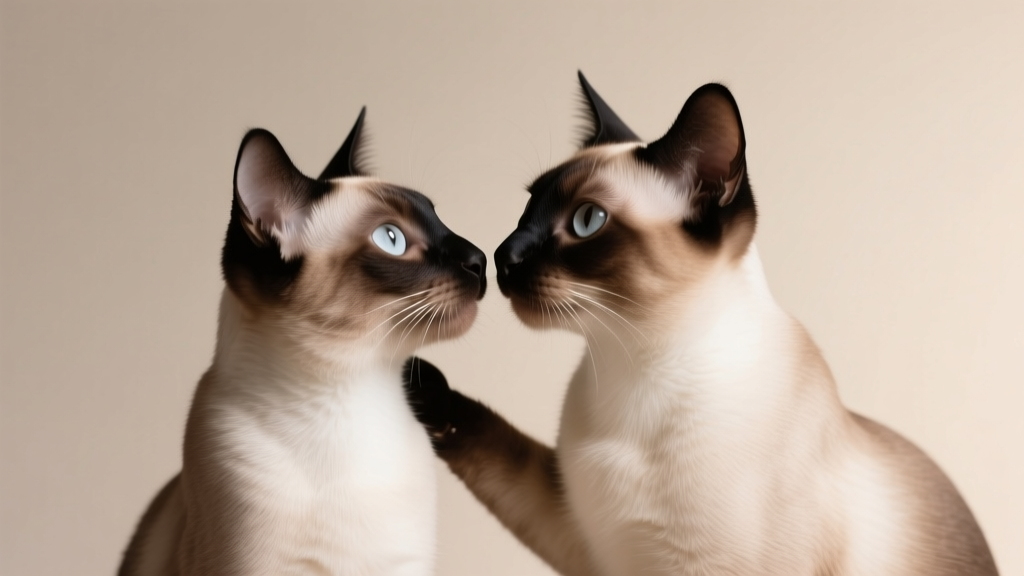
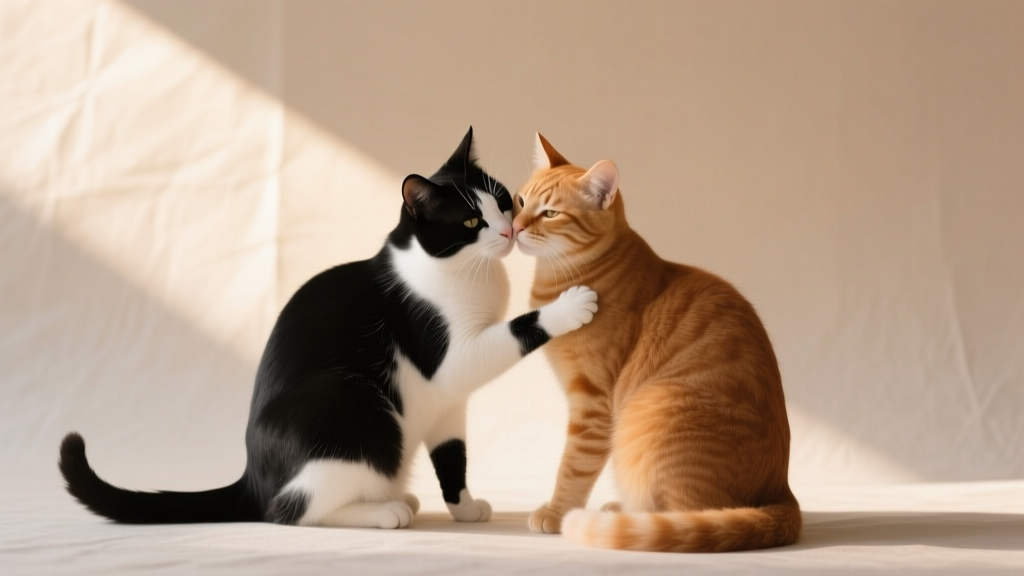
Paw Placement: When your cat places a paw gently on your arm or face, it’s not dominance—it’s tactile bonding. Cats have scent glands between their toe pads, so this is literally them marking you as ‘safe and theirs.’ Dr. Tony Buffington, DVM and professor emeritus at Ohio State, explains: ‘That gentle press is their version of saying, “You’re part of my family unit.” Dismissing it as ‘annoying’ risks weakening their sense of security.’
Vocalizations: Beyond Meows and Purr
Here’s a surprising truth: adult cats rarely meow at other cats—they meow almost exclusively for humans. That means every ‘meow’ is tailored to *you*. But tone, frequency, and repetition tell vastly different stories.
A short, high-pitched ‘mew’ at dawn? Likely a polite request for breakfast—especially if paired with head-butting your hand. But a drawn-out, low-frequency ‘mraaawww’ while staring at a closed door? That’s a demand for access, rooted in territorial instinct. And purring? While often associated with contentment, veterinary research confirms cats also purr when injured, giving birth, or facing terminal illness. The frequency (25–150 Hz) has been shown to promote bone density and tissue repair—a built-in healing mechanism. So next time your senior cat purrs while hiding under the bed, don’t assume comfort: check for pain signs like reduced mobility or litter box avoidance.
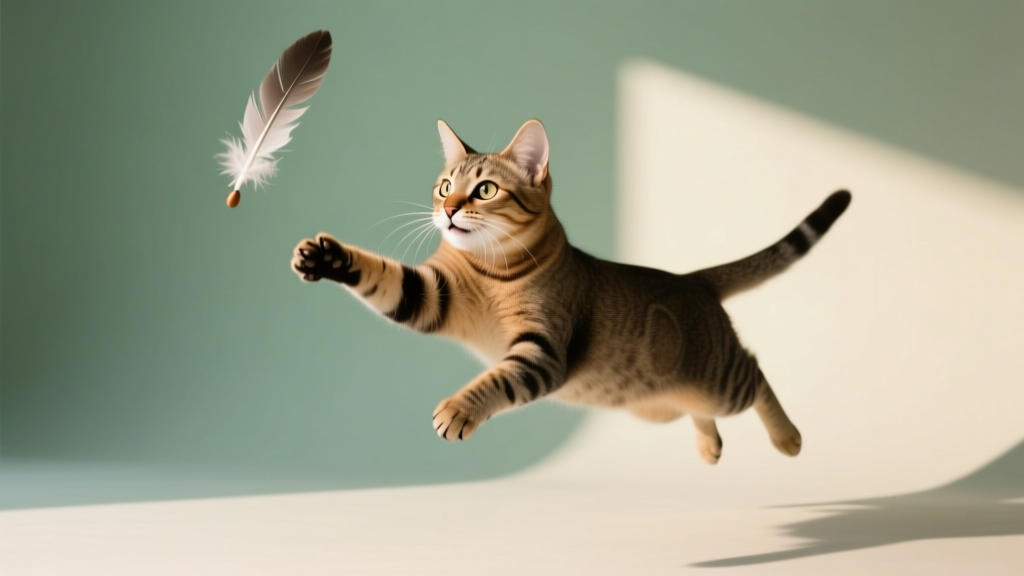
Chirping and chattering—those rapid, teeth-clicking sounds directed at birds behind glass—are expressions of thwarted hunting drive, not frustration alone. In a landmark 2021 enrichment trial, cats given daily 10-minute interactive play sessions mimicking prey movement (feather wands with erratic patterns) reduced chirping intensity by 76% and displayed lower cortisol levels in saliva tests.
Context Is Everything: Why the Same Behavior Can Mean Opposite Things
Decoding what cat behavior means without context is like reading one word from a sentence and guessing the plot. Consider kneading: soft, rhythmic pressing with claws retracted usually signals comfort and nostalgia (linked to kitten nursing). But if kneading is accompanied by tense shoulders, dilated pupils, or growling? It may indicate anxiety-driven displacement behavior—especially common in rescue cats adjusting to new homes.
Another example: rolling onto the back. To many, this equals ‘I trust you!’—and sometimes it does. But if the belly exposure happens during a loud argument or thunderstorm, it’s likely a submissive freeze response—not an invitation for tummy rubs. In fact, 89% of cats who roll belly-up *and* flatten ears or flick tails reject belly contact (ASPCA Feline Ethogram Project, 2020). Always pair posture with facial expression and environment.
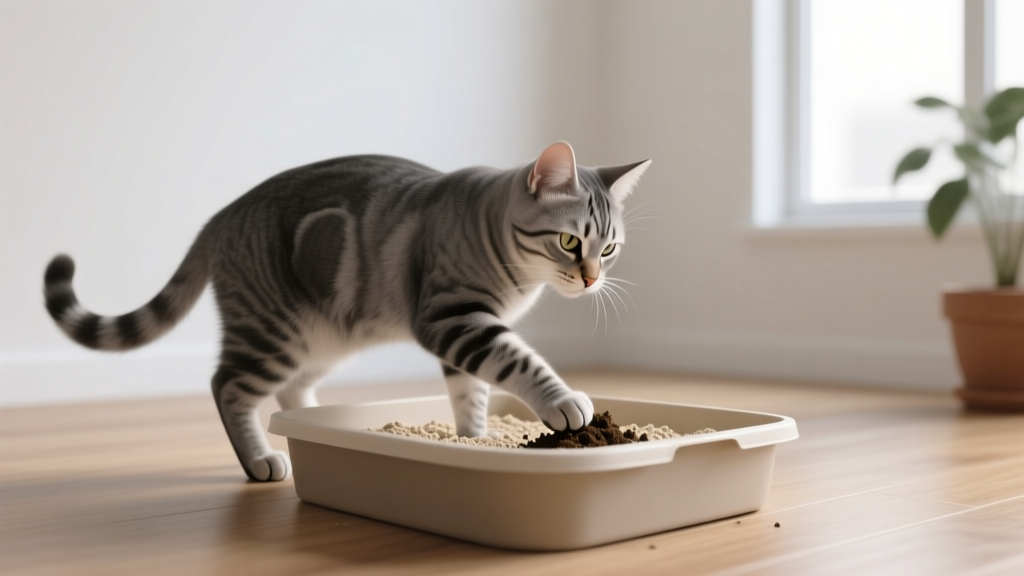
Even litter box behavior tells layered stories. Consistent use = baseline health. But sudden changes—like urinating outside the box *or* digging excessively *after* elimination—can indicate urinary tract discomfort, substrate aversion (e.g., new litter texture), or anxiety about location (e.g., near a noisy appliance). As Dr. Elizabeth Colleran, past president of the American Association of Feline Practitioners, emphasizes: ‘A single behavior shift is data—not diagnosis. Track duration, frequency, and co-occurring signs for two full days before jumping to conclusions.’
The Quick-Reference Decoding Table
| Behavior | Most Common Meaning | Key Context Clues | Recommended Response | Vet Red Flag? |
|---|---|---|---|---|
| Slow Blink | Trust & affection (“cat kiss”) | Paired with relaxed posture, steady gaze, no environmental stressors | Return the blink slowly; avoid direct prolonged eye contact | No—this is healthy bonding |
| Head-Butting (Bunting) | Marking you with facial pheromones = claiming safety | Occurs during calm interactions, often followed by rubbing against furniture | Allow it; gently stroke the side of the face if invited | No—sign of secure attachment |
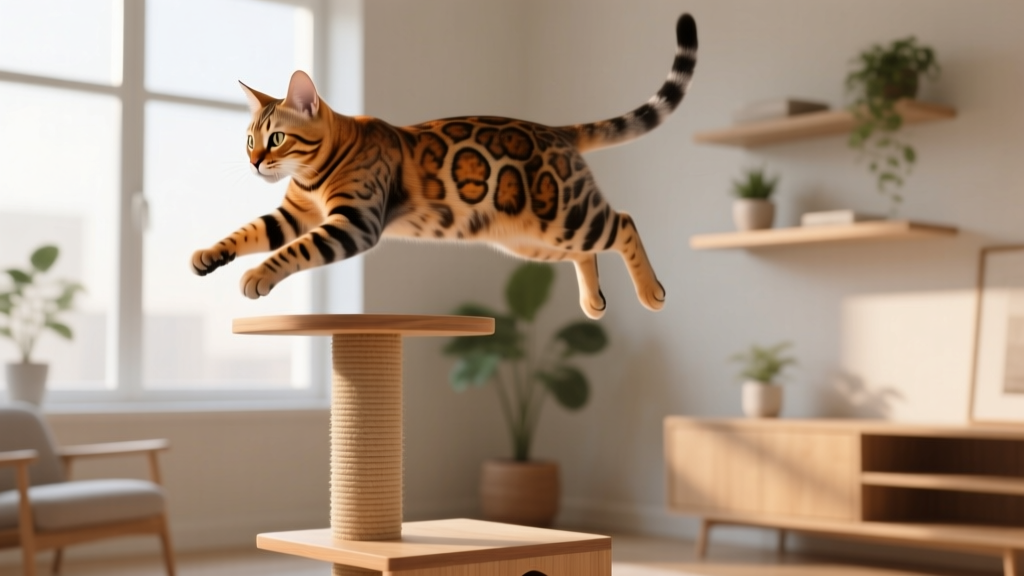
| Sudden Zoomies (FRAPs) | Energy release + predatory rehearsal | Often at dawn/dusk; no signs of distress (hissing, flattened ears) | Provide vertical space (cat trees) and scheduled play before bedtime | No—unless paired with vocalization or hiding |
| Excessive Grooming (especially flank/abdomen) | Stress, pain, or skin irritation | Bald patches, redness, licking lasting >10 mins/session, occurs in isolation | Rule out fleas/allergies first; consult vet if pattern persists >48 hrs | Yes—often first sign of dermatitis or anxiety |
| Bringing You ‘Gifts’ (dead mice, toys) | Teaching behavior or offering provision | Occurs near your sleeping area; cat watches you closely after placing item | Thank them calmly; replace with interactive play to redirect hunting impulse | No—unless gifts increase suddenly amid household changes |
Frequently Asked Questions
Why does my cat stare at me silently for minutes at a time?
Silent staring is rarely hostile—it’s often a low-intensity attention-seeking behavior, especially if paired with slow blinks or tail twitches. Cats use sustained gaze to monitor movement (a remnant of hunting vigilance) and assess your responsiveness. If your cat breaks eye contact first and blinks, it’s a sign of comfort. If they hold the stare rigidly while backing away or flattening ears, it may indicate uncertainty—try turning slightly sideways (less confrontational) and offering a treat.
Is it true that cats ‘hold grudges’ after being scolded?
No—cats don’t possess the neural architecture for long-term resentment. What looks like a ‘grudge’ is usually associative learning: they link your raised voice or sudden movement with fear, then avoid you temporarily until safety cues return (like your calm tone or offering food). Punishment-based training increases anxiety and erodes trust. Positive reinforcement (e.g., clicker training for desired behaviors) builds reliable, joyful cooperation.
My cat hides when guests arrive—is that normal?
Yes—and it’s often healthy. Cats are obligate避 predators with strong self-preservation instincts. Hiding provides control and reduces sensory overload. However, if hiding lasts >24 hours post-visit, involves trembling, or coincides with appetite loss, it signals significant stress. Proactively create safe zones (covered beds, high perches) *before* guests arrive—and never force interaction. One shelter study found cats offered choice-based introductions (e.g., ‘leave the door open, let them approach’) had 3x faster social integration rates.
Do cats recognize their names—or just the sound of us talking?
Yes, they do recognize their names—as confirmed by a 2019 Tokyo University study published in Scientific Reports. Researchers played recordings of owners saying four random nouns followed by the cat’s name; 50% of cats turned their heads or ears toward the speaker *only* at the name. Crucially, they responded less to strangers’ voices, proving recognition is tied to both auditory signature *and* relationship history.
Why does my cat lick my hair or beard?
This is allogrooming—an extension of maternal or social bonding behavior. Your scent, texture, and warmth mimic kitten fur or colony mates. It’s a high-trust gesture, especially if done when you’re still or resting. Unless it becomes obsessive (lasting >5 mins, interrupting sleep), it’s a compliment—not a problem. Gently redirect with a soft brush if needed.
Common Myths About What Cat Behavior Means
- Myth #1: “If my cat sleeps on my chest, they’re trying to ‘steal my breath’ or smother me.” — False. Chest-sleeping provides warmth, heartbeat rhythm (soothing and familiar), and proximity to your scent—core security signals. No documented case links this to oxygen deprivation; cats instinctively adjust position if uncomfortable.
- Myth #2: “Scratching furniture means my cat is spiteful or ‘mad’ at me.” — False. Scratching serves biological needs: claw maintenance, muscle stretching, and territory marking via scent glands in paws. It’s never personal—it’s species-normal. Providing appealing alternatives (sisal posts, cardboard angles) and trimming nails every 2–3 weeks reduces damage by up to 85%.
Related Topics (Internal Link Suggestions)
- Understanding Cat Body Language Signals — suggested anchor text: "cat body language chart"
- How to Stop Cats From Scratching Furniture — suggested anchor text: "stop cat scratching naturally"
- Signs of Stress in Cats and How to Help — suggested anchor text: "cat stress symptoms"
- Interactive Cat Toys That Reduce Boredom — suggested anchor text: "best enrichment toys for indoor cats"
- When to Take Your Cat to the Vet for Behavioral Changes — suggested anchor text: "cat behavior change vet visit"
Your Next Step: Start Today With One Observation
You don’t need to master all 100+ feline signals overnight. Pick *one* behavior you see daily—maybe your cat’s tail position when you enter the room, or how they greet you at the door—and observe it for just 60 seconds, three times this week. Note posture, eyes, ears, and what happens next. That tiny habit builds neural pathways for deeper understanding. Within days, you’ll catch subtleties you missed before—and your cat will feel seen, safe, and profoundly understood. Ready to go further? Download our free 7-Day Cat Communication Tracker (PDF)—complete with illustrated behavior log sheets and vet-vetted interpretation prompts—to turn observation into insight.