What Behavior Indicates a Happy Cat? 9 Subtle but...
Why Reading Your Cat’s Happiness Isn’t Just Cute—It’s Critical Care
What behavior indicates a happy cat? It’s not just about hearing a purr or spotting a curled-up nap—it’s about decoding a nuanced, species-specific language that most humans misread daily. In fact, a 2023 study published in Applied Animal Behaviour Science found that 68% of cat guardians incorrectly interpreted relaxed blinking as disinterest (rather than a feline ‘I love you’ gesture), while 41% mistook slow tail flicks for agitation instead of focused calm. Misreading these signals doesn’t just lead to missed bonding moments—it can delay early detection of anxiety, pain, or environmental stressors that manifest first through behavioral shifts. With over 95 million cats in U.S. homes—and rising rates of stress-related conditions like idiopathic cystitis and overgrooming—understanding true feline happiness isn’t optional. It’s preventive healthcare disguised as everyday observation.
The 7 Core Happiness Signals—Backed by Veterinary Ethology
Unlike dogs, cats evolved as solitary hunters with minimal reliance on overt emotional signaling. Their ‘happy’ behaviors are often quiet, context-dependent, and easily overlooked. Dr. Sarah Wooten, DVM and certified feline specialist with the American Association of Feline Practitioners (AAFP), emphasizes: “A cat’s baseline is calm—not excited. So happiness isn’t about big energy bursts; it’s about sustained, low-arousal comfort in their environment and relationships.” Here’s what that looks like in practice:
1. Slow Blinking & Eye Half-Closing (The ‘Cat Kiss’)
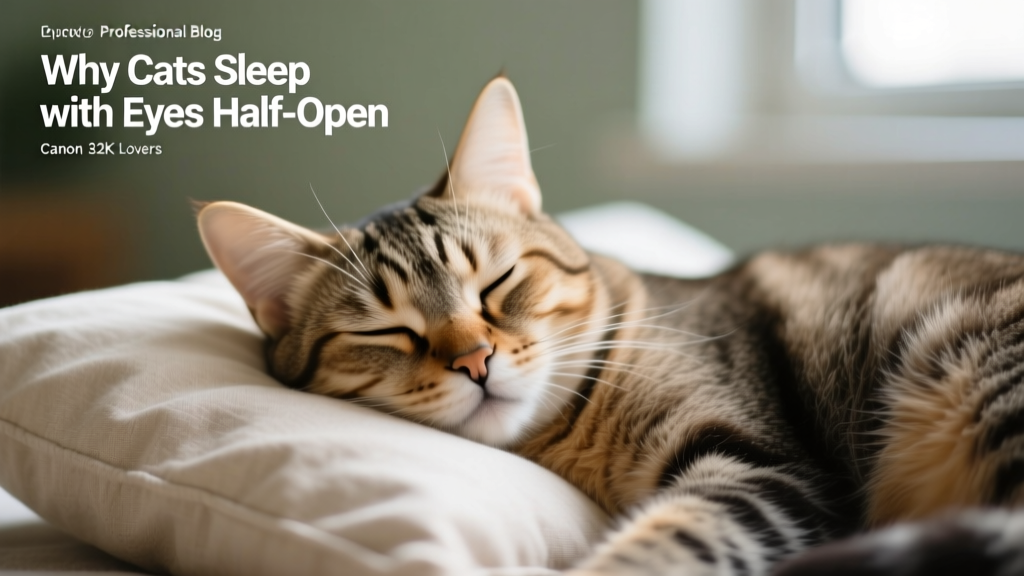
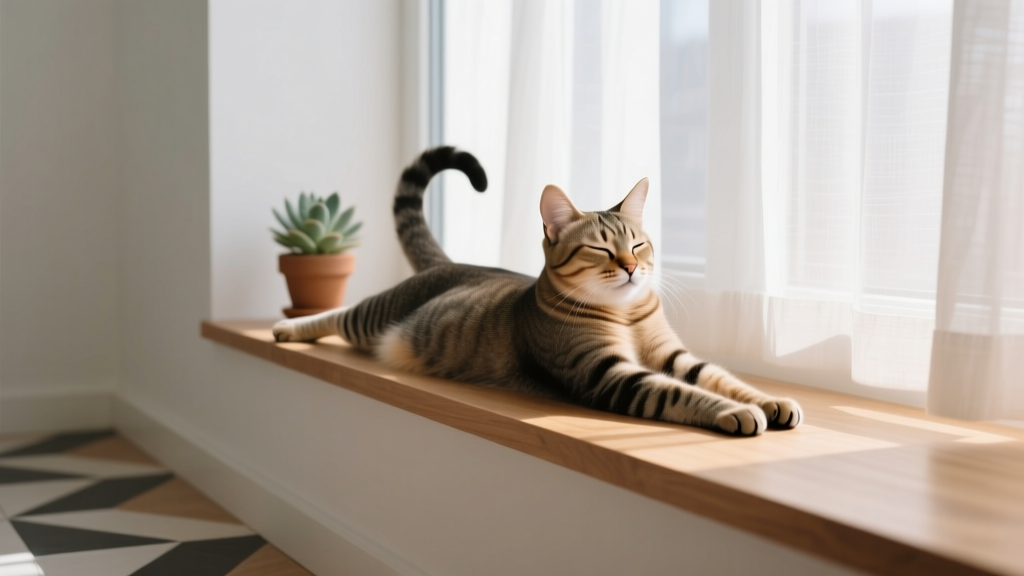
This isn’t fatigue—it’s deliberate, reciprocal vulnerability. When your cat locks eyes with you, then slowly closes and reopens their eyes (often with a soft blink or gentle lid droop), they’re signaling trust and safety. A landmark 2019 study at the University of Sussex confirmed this behavior increases by 72% when cats interact with trusted humans versus strangers—and drops sharply during vet visits or loud household changes. To reinforce it: return the blink slowly when your cat offers it. Don’t stare—hold soft eye contact for 2 seconds, then blink once. Repeat. Within days, many cats initiate longer, more frequent ‘blinking conversations.’
2. Kneading with Paws (‘Making Biscuits’)
Kneading—rhythmic pushing of paws against soft surfaces—is rooted in kittenhood (stimulating milk flow) and persists into adulthood as a self-soothing, contentment-linked motor pattern. But crucially, it only occurs when autonomic nervous system activity is balanced—no sympathetic (fight-or-flight) dominance. If your cat kneads *while* purring *and* with relaxed ears and half-closed eyes, it’s a triple-confirmed happiness signature. Note: Kneading on you—not just blankets—is especially meaningful. As Dr. Tony Buffington, professor of veterinary clinical sciences at Ohio State, explains: “That’s not just nostalgia—it’s active affiliation. They’re marking you with scent glands in their paws *and* choosing you as their safe base.”
3. Tail Held High with Slight Tip Curl (The ‘Exclamation Point’)
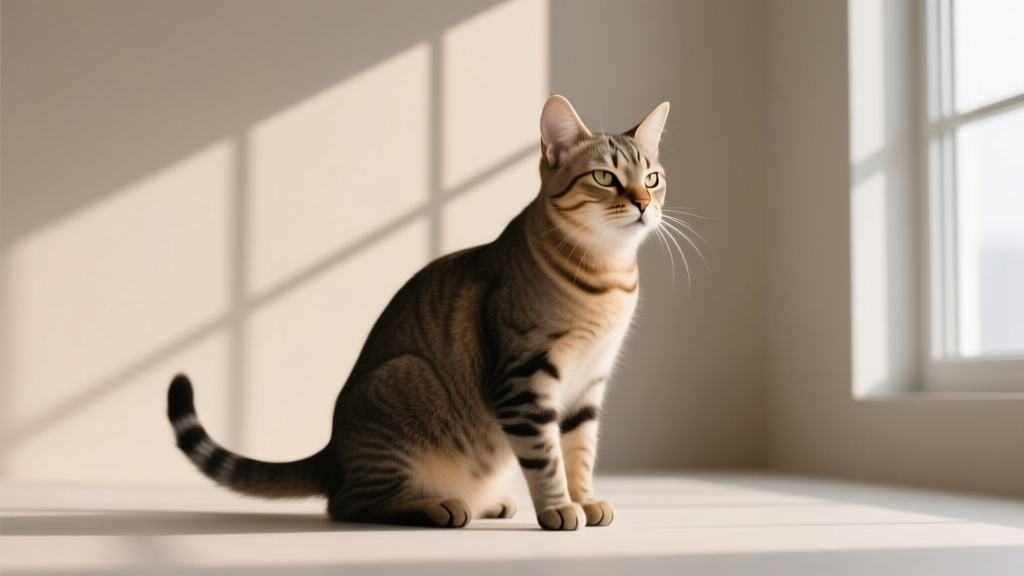
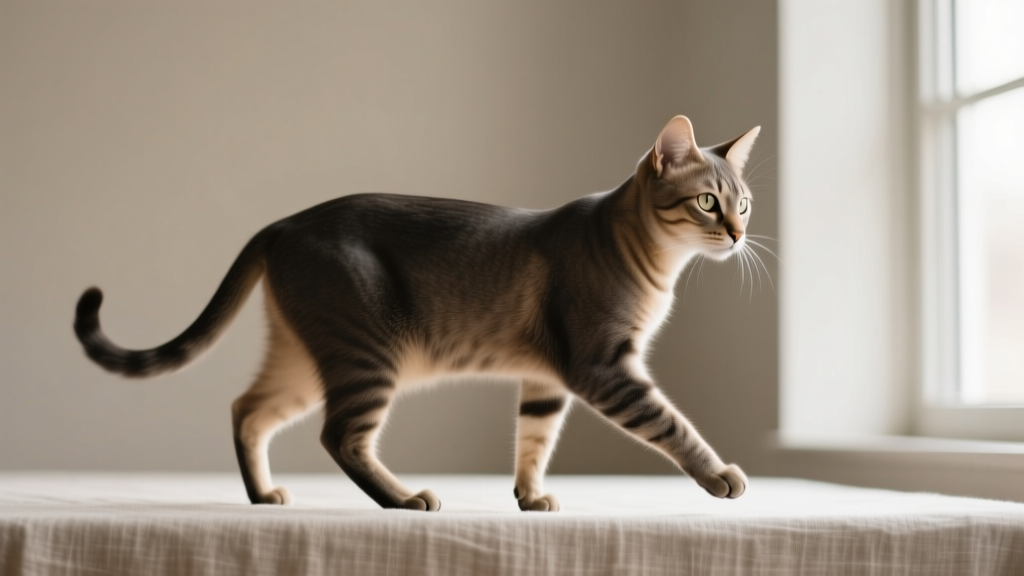
A vertical tail with a gentle forward curl at the tip—like a question mark with confidence—is the gold standard for feline joy and security. Contrast this with a straight-up tail (neutral alertness), a puffed tail (fear), or a tucked tail (anxiety). This posture appears consistently in cats who’ve formed secure attachments, per longitudinal data from the Cornell Feline Health Center. Bonus insight: If your cat walks toward you with this tail and rubs their head or cheeks against your leg (bunting), they’re combining two high-trust behaviors—scent-marking you as family while expressing unguarded approachability.
What ‘Happy’ Looks Like Across Contexts—And Why Environment Matters
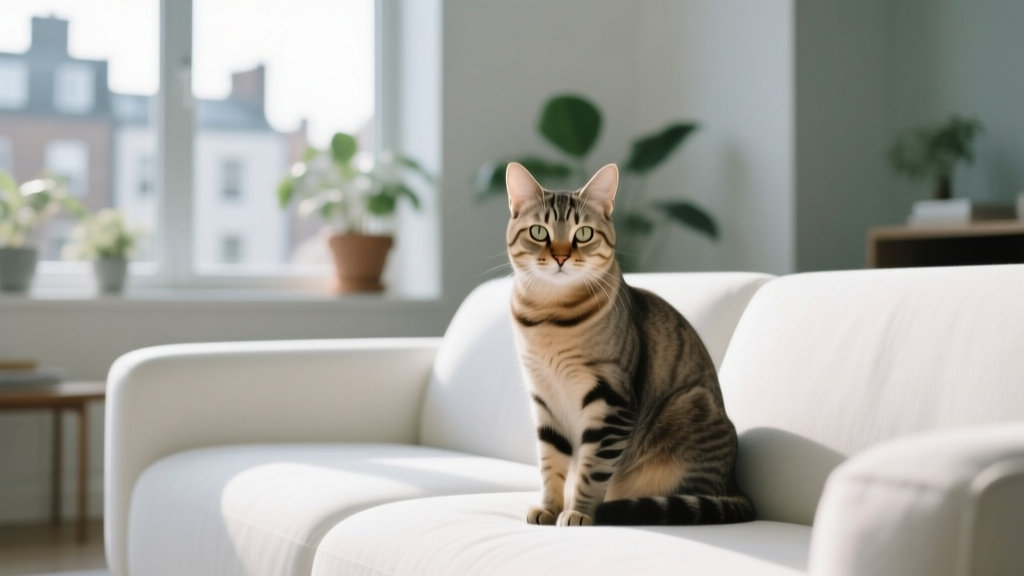
Happiness isn’t static—it’s relational and contextual. A cat may exhibit all seven signs in their favorite sunbeam but shut down completely in a new home or around unfamiliar guests. That’s why observing *consistency across settings* matters more than isolated moments. Consider these real-world scenarios:
- The Multi-Cat Household: A truly content cat will voluntarily rest within 3 feet of another cat—not just tolerate proximity. Mutual allogrooming (licking each other’s heads/shoulders) is a rare, high-level indicator of social harmony and shared security.
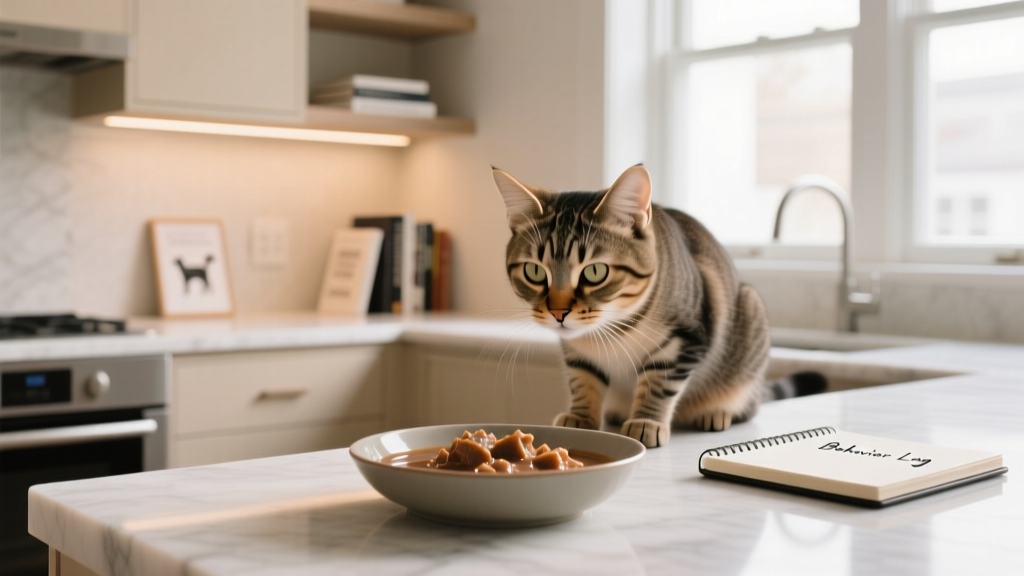
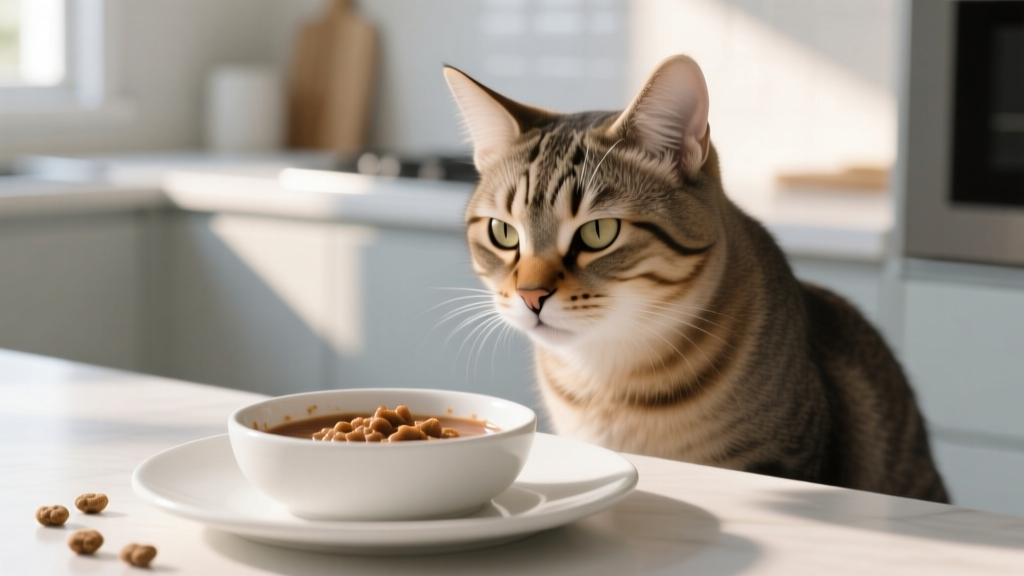
- Post-Vet Visit: Within 24–48 hours, a recovering-but-happy cat resumes normal routines: eating fully, using the litter box without hesitation, and returning to preferred napping spots—even if still hiding occasionally. Lingering avoidance of food bowls or litter boxes beyond 48 hours warrants veterinary follow-up.
- With Children: A happy cat tolerating gentle petting won’t just endure it—they’ll lean in, purr, and may even extend a paw to ‘hold’ the child’s hand. Withdrawal, flattened ears, or rapid tail swishing during interaction signals discomfort, not happiness—even if the child thinks ‘they’re being nice.’
When ‘Calm’ Isn’t ‘Happy’: The Critical Distinction
This is where most owners stumble—and where veterinary behaviorists see preventable suffering. A motionless, silent cat isn’t necessarily serene; they could be freezing in fear (a trauma response), experiencing chronic pain (e.g., arthritis masking as ‘laziness’), or suffering from depression-like states linked to environmental deprivation. Key differentiators:
- Body Language Nuance: A happy cat’s stillness includes relaxed whiskers (forward or gently to the side), soft facial muscles, and open, blinking eyes. A fearful or painful cat holds whiskers rigidly back, has tense jaw muscles, and avoids eye contact—or stares with dilated pupils.
- Voluntary Engagement: Happy cats initiate interactions (rubbing, bringing toys, sitting near you). Stressed or unwell cats may allow handling but won’t seek it out.
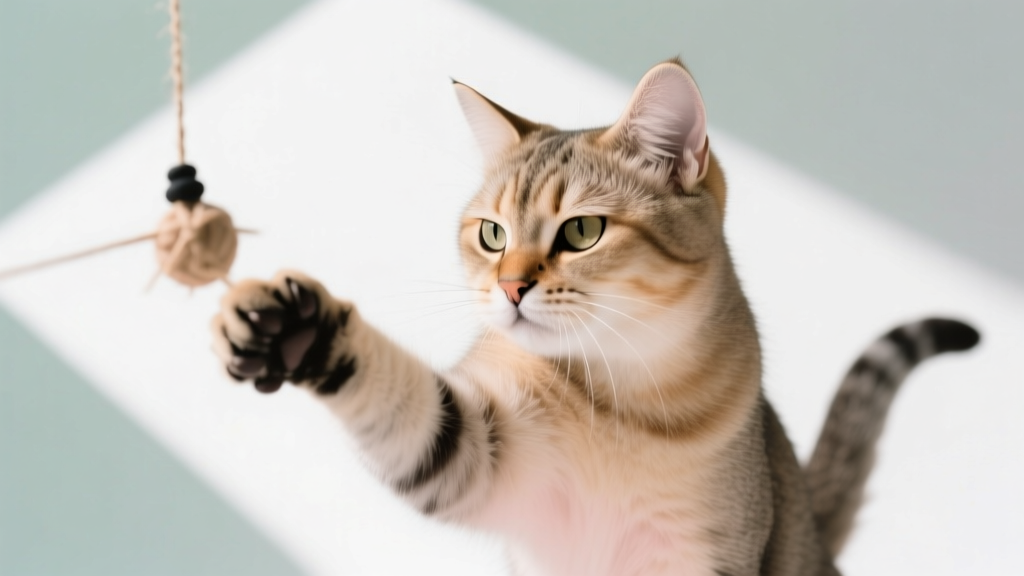
- Playfulness Consistency: Even senior or low-energy cats display micro-play—stalking dust bunnies, batting at dangling strings, or pouncing on light reflections. Complete absence of play drive for >72 hours is a red flag, per the AAFP’s 2022 Behavioral Assessment Guidelines.
Feline Happiness Behavior Checklist: What to Observe & Record
| Behavior | Frequency Indicator of Happiness | Red Flag Variants | Notes for Accurate Interpretation |
|---|---|---|---|
| Slow blinking / eye half-closing | Occurs 3+ times/day during calm interactions | One-off blink during loud noise; squinting with tearing | Must be voluntary & reciprocal—not reflexive. Pair with relaxed ear position. |
| Kneading on soft surfaces or people | 2+ sessions/week, lasting ≥30 seconds, with purring | Kneading only on cold floors; accompanied by vocalizing or licking fur excessively | Claws should be sheathed. Extended kneading on you = strongest social signal. |
| Tail held upright with tip curl | Appears during greetings, exploration, or resting near you | Tail held stiffly vertical; sudden tail lashing mid-curl | Observe for 5+ seconds—brief lifts aren’t reliable. Combine with forward-facing ears. |
| Rolling onto back exposing belly | During solo play or while watching you (not during petting) | Rolling + flattened ears, growling, or hind-leg kicking when approached | Belly exposure = ultimate trust—but rarely invites tummy rubs. Respect boundaries. |
| Chirping/trilling vocalizations | Used during positive interactions (e.g., greeting you at door) | High-pitched yowling, hissing, or silent staring with vocal cord tension | Trills are friendly ‘hello’ sounds. Chirps often accompany bird-watching—express excitement, not frustration. |
Frequently Asked Questions
Do all cats purr when they’re happy?
No—purring is not a reliable happiness indicator alone. Cats also purr when injured, stressed, or giving birth. Research from the University of California, Davis shows purring frequencies (25–150 Hz) stimulate bone and tissue repair, suggesting it’s a self-soothing mechanism. Always pair purring with other signals: relaxed posture, slow blinking, and willingness to engage. If your cat purrs while hiding, trembling, or avoiding touch, it’s likely distress—not delight.
My cat sleeps 18 hours a day—is that a sign of happiness or depression?
Sleep duration alone isn’t diagnostic. Healthy adult cats sleep 12–16 hours daily; seniors may reach 18–20. What matters is sleep quality and transition. A happy cat wakes alert, stretches fully, grooms deliberately, and engages with their environment. A depressed or painful cat wakes lethargically, skips grooming, or retreats immediately after waking. Track wakefulness patterns for 3 days—if they spend <1 hour total in active, curious behavior daily, consult your veterinarian.
Can a cat be happy living alone, or do they need companionship?
Yes—many cats thrive solo. Unlike dogs, cats lack pack instincts and often prefer predictable, low-stimulus environments. A 2021 Royal Veterinary College survey found 73% of single-cat households reported ‘consistent contentment signs’ (kneading, slow blinks, upright tails) when enrichment was provided. Key: ‘Happiness’ for cats means control—not company. Offer vertical space, puzzle feeders, window perches, and scheduled interactive play. Forced companionship without proper introduction increases stress 4x, per AAFP guidelines.
How long does it take for a rescue cat to show happy behaviors?
Highly variable—anywhere from 3 days to 6 months, depending on prior trauma, age, and individual temperament. The ‘3-3-3 Rule’ (3 days to decompress, 3 weeks to settle, 3 months to build trust) is a helpful benchmark. Look for micro-signals first: a tail tip twitch when you enter the room, sniffing your hand without retreating, or sleeping with eyes partially open near you. These precede bigger gestures like kneading or rolling. Patience isn’t passive—it’s strategic observation and environmental support.
Does neutering/spaying change happiness behaviors?
It eliminates hormonally driven stress (e.g., roaming, spraying, heat-induced vocalization) but doesn’t alter core personality or happiness capacity. Post-surgery, many cats display *increased* calm engagement—more kneading, slower blinks, and relaxed resting postures—as chronic reproductive stress lifts. However, happiness still depends on environment, enrichment, and human responsiveness—not just hormonal status.
Debunking 2 Common Myths About Cat Happiness
Myth #1: “If my cat lets me pet them anywhere, they’re happy.”
Reality: Tolerance ≠ enjoyment. Many cats endure full-body petting out of fear of escalation or learned helplessness—not pleasure. True consent is shown by leaning in, head-butting your hand, or extending their neck for scratches. Stop petting when ears flatten, tail flicks rapidly, or skin ripples—these are polite ‘please stop’ signals before aggression.
Myth #2: “A happy cat must love being held or carried.”
Reality: Most cats feel vulnerable when restrained off the ground. A genuinely content cat prefers floor-level closeness: sitting beside you, resting their chin on your knee, or sleeping against your leg. Forcing carries undermines trust and triggers cortisol spikes. Let them choose proximity—and celebrate that choice as the profound gift it is.
Related Topics (Internal Link Suggestions)
- Cat Body Language Guide — suggested anchor text: "decoding cat body language"
- Enrichment Ideas for Indoor Cats — suggested anchor text: "indoor cat enrichment activities"
- Signs of Cat Anxiety — suggested anchor text: "subtle signs of cat anxiety"
- How to Bond With a Shy Cat — suggested anchor text: "building trust with a shy cat"
- Best Toys for Senior Cats — suggested anchor text: "low-impact toys for older cats"
Conclusion: Happiness Is a Language—Start Listening Today
What behavior indicates a happy cat isn’t a trivia question—it’s an invitation to deepen one of life’s most subtle, rewarding relationships. You don’t need special training or expensive tools. You need presence, patience, and the willingness to notice the quiet grammar of contentment: the slow blink, the upright tail, the kneading paw, the trill at dawn. Start tonight. Sit quietly near your cat—not touching, just observing. Note one thing they do that feels like peace. Then, tomorrow, return to that same spot and watch again. Small consistency builds big understanding. And when you finally recognize their unique dialect of joy? That’s when care transforms into connection—and every purr, blink, and curl becomes a shared language of love. Ready to go further? Download our free printable ‘Feline Happiness Tracker’ (PDF) to log behaviors weekly and spot meaningful patterns—plus get personalized enrichment tips based on your cat’s top 3 happiness signals.