What Are Cat Behaviors for Kittens? 12 Normal (and 5 Alarming) Signs You’re Missing — A Vet-Reviewed Behavior Decoder for First-Time Kitten Owners
Why Understanding What Are Cat Behaviors for Kittens Is the #1 Predictor of Lifelong Trust
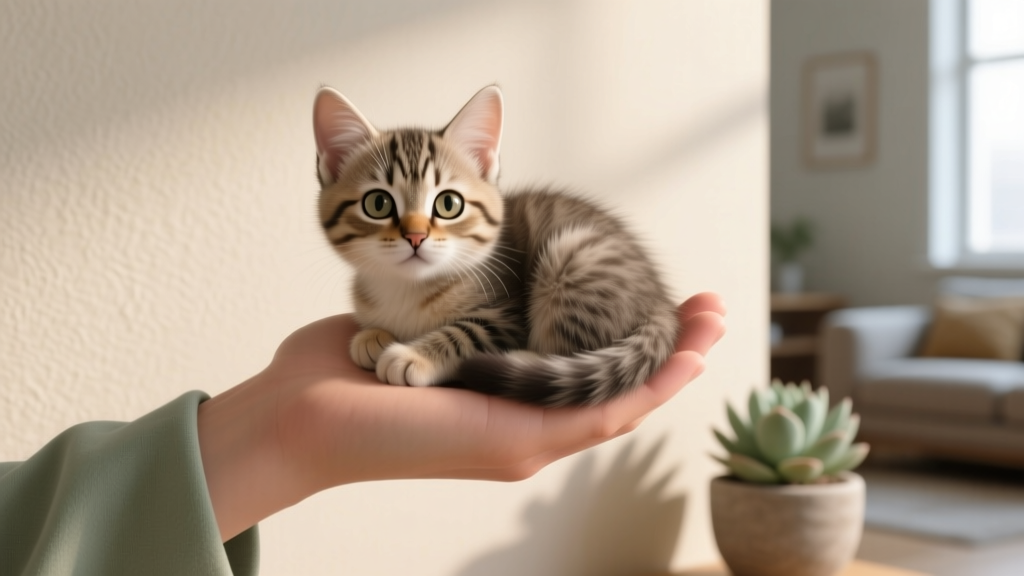
If you’ve just brought home a fluffy, wide-eyed ball of curiosity — or are nervously watching your resident cat nurse a new litter — you’re likely asking: what are cat behaviors for kittens? This isn’t just academic curiosity. Misreading early signals — like mistaking fear-based aggression for playfulness, or overlooking socialization windows — directly impacts your kitten’s confidence, litter box habits, human bonding, and even long-term mental health. In fact, a 2023 study in the Journal of Veterinary Behavior found that 68% of adult cats surrendered to shelters exhibited avoidant or reactive behaviors rooted in unmet developmental needs before 12 weeks. So let’s move beyond ‘they’re just being cute’ — and into the science-backed language of feline development.
Decoding the First 8 Weeks: Instinct, Reflex, and Rapid Brain Rewiring
Kittens aren’t born with a full behavioral toolkit — they build it week by week, guided by genetics, maternal influence, and environmental input. From birth to 8 weeks, their nervous system undergoes explosive synaptic pruning and sensory calibration. According to Dr. Sarah Lin, DVM and feline behavior specialist at the Cornell Feline Health Center, “The first two months aren’t just ‘cute’ — they’re the critical period when neural pathways for stress regulation, social tolerance, and predatory sequencing physically solidify.”
Here’s what unfolds:
- Weeks 1–2: Eyes closed, ears folded, reliant entirely on scent and touch. Rooting, kneading, and suckling are reflexive — not learned. Vocalizations are limited to mewling when cold or hungry. Any hissing, swatting, or freezing at this stage is abnormal and warrants immediate veterinary assessment.
- Weeks 3–4: Eyes open (often blue, then shifting), ears upright, first wobbly steps. Kittens begin tail flicking, gentle paw-biting during nursing, and short bursts of coordinated movement. This is when the first social play emerges — but only with littermates, not humans. Introducing hands as toys now teaches bite inhibition poorly; use wand toys instead.
- Weeks 5–8: The golden socialization window. Kittens learn species-specific cues: tail position meaning ‘I’m curious’ vs. ‘back off’, ear orientation signaling alertness vs. fear, and subtle facial micro-expressions (e.g., slow blink = trust). They also develop object permanence — hiding under furniture isn’t ‘defiance,’ it’s cognitive growth.
A real-world example: Maya, a foster volunteer in Portland, noticed one kitten in a 6-week-old litter consistently hid behind the litter box during group play. Instead of forcing interaction, she placed a soft blanket nearby and sat quietly reading. Within 3 days, the kitten approached her hand — not out of pressure, but because safety had been modeled. That kitten, now named Nimbus, is one of her most confident adult cats.
The 7 Most Misinterpreted ‘Problem’ Behaviors — And What They Really Mean
First-time kitten owners often mislabel normal developmental behaviors as ‘bad’ — leading to punishment, confusion, and eroded trust. Here’s how to reframe them:
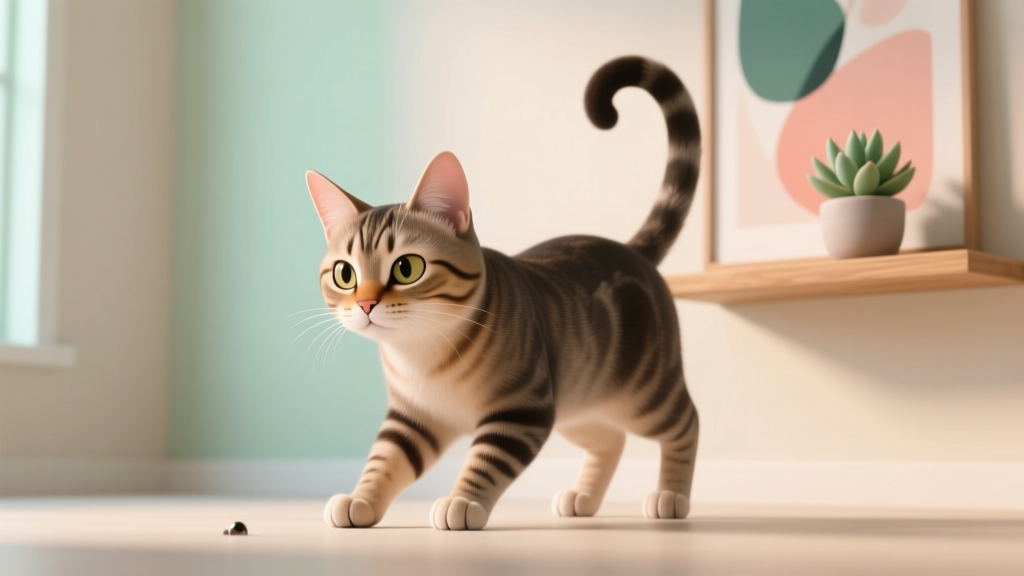
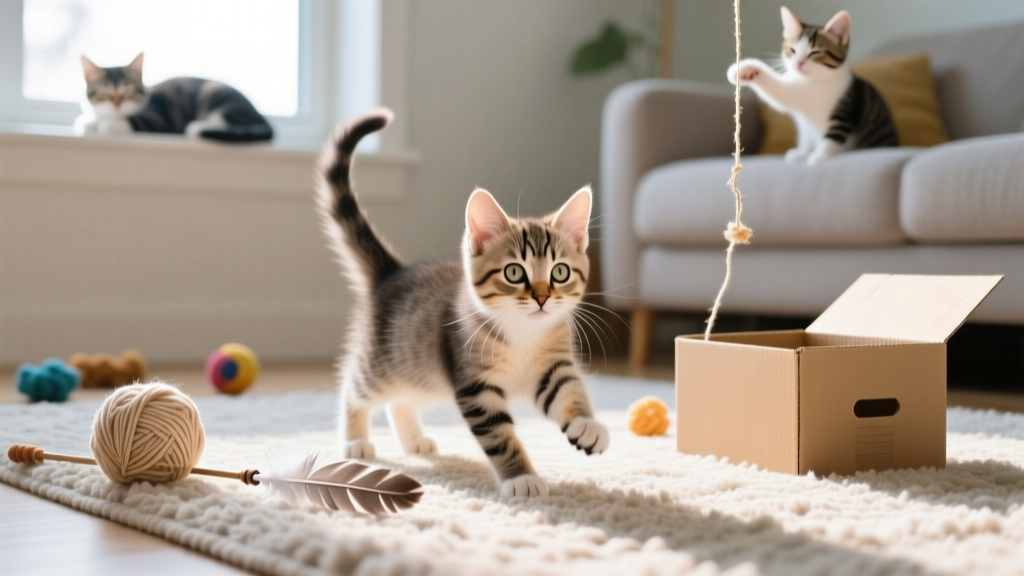
- Midnight Zoomies: Not ‘hyperactivity disorder’ — it’s instinctual prey-drive rehearsal. Wild kittens practice pouncing, chasing, and ambush tactics at dawn/dusk. Your home lacks natural outlets, so energy erupts at 2 a.m. Solution: Two 10-minute interactive play sessions daily using feather wands or laser pointers (always end with a tangible ‘kill’ toy like a felt mouse).
- Biting Hands During Petting: Not aggression — it’s redirected play drive or overstimulation. Kittens rarely bite hard unless provoked; gentle nibbling mimics littermate wrestling. Watch for tail lashing, flattened ears, or skin twitching — these signal ‘stop now.’
- Scratching Furniture: Not spite — it’s territorial marking (via scent glands in paws), claw maintenance, and stretching. Punishing scratching redirects zero energy — instead, provide vertical + horizontal surfaces covered in sisal or cardboard, placed near sleeping areas.
- Bringing ‘Gifts’ (toys, socks, bugs): Not clutter — it’s instinctive provisioning behavior. Mother cats bring prey to kittens; kittens bring objects to trusted humans. Celebrate the intent (say “Good hunter!”) and gently swap the sock for a plush mouse.
- Hiding Under Beds: Not rejection — it’s self-regulation. Kittens process overwhelming stimuli (new people, loud noises, vet visits) by retreating. Never drag them out. Leave treats, water, and a cozy bed nearby — they’ll emerge when ready.
- Litter Box Avoidance: Often misdiagnosed as ‘spite.’ Real causes include pain (UTI, constipation), box location (too noisy or near food), substrate aversion (clay vs. paper), or cleanliness (scooped once daily isn’t enough for kittens — aim for 2–3x). Rule out medical issues first with your vet.
- Chewing Cords/Plants: Not mischief — it’s teething (kittens lose 26 baby teeth between 3–6 months) and oral exploration. Provide chilled rubber chew toys, cat-safe grass (wheatgrass), and bitter apple spray on cords — not punishment.
Vet-Backed Socialization Timeline: When to Introduce What (and When to Pause)
Socialization isn’t ‘exposing to everything’ — it’s controlled, positive exposure during precise neurodevelopmental windows. Dr. Lin emphasizes: “Overwhelming a kitten floods cortisol receptors, teaching them that novelty = danger. Under-exposure leaves gaps in coping skills. Precision matters.”
| Age Range | Key Developmental Focus | Safe Introduction Activities | Red Flags to Pause & Reassess |
|---|---|---|---|
| 2–4 weeks | Sensory imprinting (sound, touch, scent) | Shivering, prolonged vocalizing, refusal to eat after handling | |
| 5–7 weeks | Play-based confidence building | Freezing mid-play, tail tucked tightly, ears pinned back >30 sec | |
| 8–12 weeks | Human relationship deepening & environmental mastery | Urinating/defecating outside box after introduction, excessive grooming to bald patches | |
| 12+ weeks | Consolidation & independence | Regression to earlier behaviors (e.g., nursing on blankets, hiding constantly) |
When ‘Normal’ Crosses Into ‘Concern’: 5 Red-Flag Behaviors Requiring Vet or Behaviorist Input
Some behaviors look like typical kitten antics — but hide underlying distress. Trust your gut: if something feels ‘off,’ investigate. These five warrant professional evaluation:
- Persistent, high-pitched yowling unrelated to feeding or attention — could indicate pain, neurological issue, or early onset hyperthyroidism (rare but possible in young cats with genetic predisposition).
- Self-mutilation (over-grooming to baldness, chewing paws) — often linked to anxiety, allergies, or parasitic infection (e.g., cheyletiella mites).
- No interest in play or exploration by 6 weeks — may signal vision/hearing impairment, neurological delay, or depression from isolation.
- Aggression toward humans without warning (no ear flattening, tail lashing, or hissing) — suggests pain-based reactivity or early trauma imprinting.
- Failure to use litter box consistently by 10 weeks despite clean boxes, accessible locations, and no medical cause — points to substrate aversion, anxiety, or associative learning (e.g., box near noisy appliance).
Dr. Lin advises: “Don’t wait for ‘it to pass.’ Early intervention changes trajectories. A certified cat behavior consultant (IAABC or ACVB) can differentiate developmental quirks from pathology — and create a tailored plan in under 90 minutes.”
Frequently Asked Questions
How do I know if my kitten’s biting is play or aggression?
Observe body language: Playful biting includes relaxed ears, upright tail with tip curled, gentle pressure, and pauses to ‘reset.’ Aggressive biting features flattened ears, dilated pupils, tail thrashing, growling, and sustained, painful pressure. Also note timing — play biting peaks at 5–7 weeks and fades with consistent redirection; aggression escalates without intervention.
Is it okay to punish a kitten for scratching furniture?
No — punishment damages trust and increases anxiety. Scratching is biologically essential. Instead, make scratching posts irresistible: place them near sleeping areas, rub with catnip, and reward use with treats. Cover furniture temporarily with double-sided tape or aluminum foil (cats dislike both textures). Consistency for 2–3 weeks usually shifts the habit.
My kitten hides all day — does that mean they don’t like me?
Not at all. Hiding is a survival instinct, especially in new environments. Kittens need 2–3 weeks to feel safe. Build trust through passive presence (sit nearby reading), offering treats from your hand, and respecting retreat space. Forcing interaction teaches avoidance. One foster mom tracked progress: her shy kitten took 17 days to initiate contact — then became a lap cat within 48 hours.
Can kittens learn commands like ‘come’ or ‘no’?
Yes — but frame them as positive associations, not corrections. Use clicker training paired with high-value treats (tiny bits of tuna or chicken). Start with ‘come’ by clicking/treating when kitten walks toward you voluntarily. Never say ‘no’ — instead, redirect to desired behavior (e.g., ‘scratch here’ while guiding paw to post). Keep sessions under 90 seconds; kittens have 3–5 minute attention spans.
Do kittens need other kittens to develop normally?
Littermates accelerate social skill acquisition (play fighting teaches bite inhibition, reading signals), but solo kittens thrive with dedicated human interaction. Key: mimic littermate feedback — yelp loudly if bitten too hard, then stop play immediately. Add puzzle feeders, rotating toys, and daily interactive play to compensate. Research shows solo kittens raised with enriched human engagement match litter-raised peers in confidence by 6 months.
Common Myths About Kitten Behavior
Myth 1: “Kittens will ‘grow out of’ bad behavior on their own.”
False. Unaddressed behaviors become ingrained neural pathways. A 2022 longitudinal study found kittens with untreated play-biting past 12 weeks were 3.2x more likely to exhibit redirected aggression toward humans at age 2.
Myth 2: “If a kitten purrs, they’re always happy.”
Incorrect. Purring occurs during stress, pain, and healing — it’s a self-soothing mechanism. Observe context: purring while hiding, panting, or refusing food signals discomfort, not contentment.
Related Topics (Internal Link Suggestions)
- Kitten Socialization Checklist — suggested anchor text: "free printable kitten socialization checklist"
- Best Toys for Kittens Under 12 Weeks — suggested anchor text: "safe kitten toys by age"
- When to Spay/Neuter a Kitten: Vet Guidelines — suggested anchor text: "optimal spay/neuter age for kittens"
- Signs of Illness in Kittens: Early Warning Indicators — suggested anchor text: "kitten illness symptoms to watch for"
- How to Introduce a Kitten to Other Pets Safely — suggested anchor text: "introducing kitten to dog safely"
Your Next Step: Build Confidence, Not Confusion
You now hold the decoder ring for what are cat behaviors for kittens — not as random quirks, but as purposeful, developmentally timed communications. Every pounce, blink, and hide isn’t noise — it’s data. Your role isn’t to control, but to witness, interpret, and respond with consistency and compassion. Start today: grab your phone and film 60 seconds of your kitten’s ‘normal’ behavior — then revisit this guide to spot the subtle cues you missed. Next, download our Free Kitten Behavior Tracker (includes vet-reviewed milestone markers and red-flag alerts). Because understanding isn’t just knowledge — it’s the foundation of a bond that lasts 18 years.