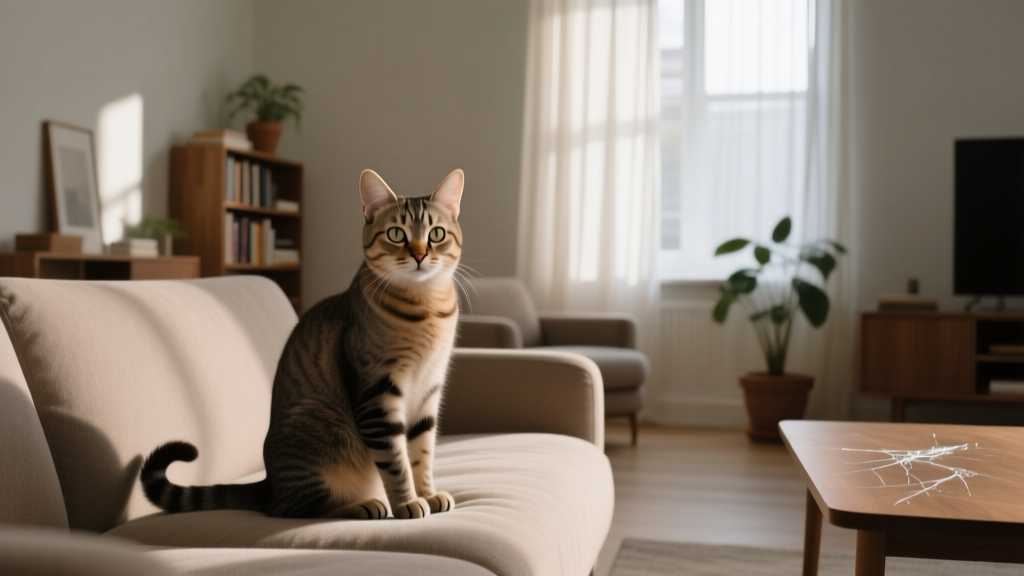
How to Understand Cat's Behavior in Apartment
Why Your Apartment Cat Isn’t “Just Being Difficult” — And What It’s Really Trying to Say
If you’ve ever wondered how to understand cat's behavior in apartment settings — why your usually calm tabby suddenly bolts at 3 a.m., why she avoids the new scratching post but shreds your sofa arm, or why she stares intently at empty corners — you’re not observing quirks. You’re witnessing a sophisticated, evolutionarily tuned communication system operating under unnatural constraints. Indoor cats don’t just adapt to apartments; they constantly negotiate safety, territory, stimulation, and social hierarchy within walls that offer zero escape routes, limited vertical terrain, and no scent-based boundaries. According to Dr. Sarah Lin, a feline behavior specialist certified by the International Association of Animal Behavior Consultants (IAABC), 'Apartment living amplifies every subtle signal cats use — because when space is scarce, every flick of the tail, blink, or perch choice becomes high-stakes communication.' Ignoring these signals doesn’t just cause frustration — it fuels chronic low-grade stress, which research links to urinary tract disease, overgrooming, and aggression. This isn’t about training your cat to be ‘quiet’ or ‘obedient.’ It’s about becoming fluent in her language — so you can co-create a home where both of you thrive.
Decoding the 5 Core Apartment-Specific Stress Triggers
Unlike outdoor or rural cats, apartment-dwelling felines face unique environmental pressures that distort normal behavior expression. Understanding these triggers is the first step in accurate interpretation:
- Vertical Space Deprivation: Cats evolved to survey territory from height. In a studio or one-bedroom unit, floor-level dominance battles become unavoidable — leading to redirected aggression, hiding, or resource guarding (e.g., blocking the litter box).
- Scent Saturation: With no open windows for natural air exchange (or strict building rules limiting ventilation), pheromones, human scents, and residual odors accumulate. A stressed cat may over-mark with urine not out of defiance, but as a desperate attempt to overlay her own calming scent on overwhelming foreign smells.
- Sound Amplification: Hard surfaces (tile, laminate, concrete) reflect noise. The clatter of dishes, elevator dings, or neighbor footsteps reverberate unpredictably — triggering hypervigilance, startle responses, or chronic anxiety masked as ‘aloofness’.
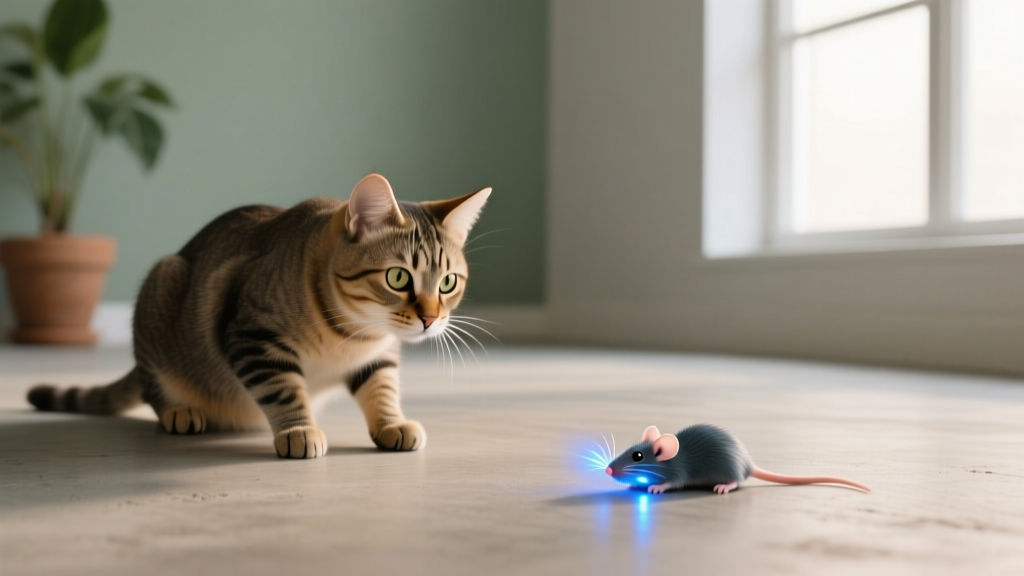
- Stimulus Starvation: No birds to track, no rustling leaves, no scent trails to follow — just static furniture and predictable routines. This leads to ‘boredom aggression’ (sudden pounces on ankles), excessive vocalization at dawn/dusk, or compulsive licking/chewing.
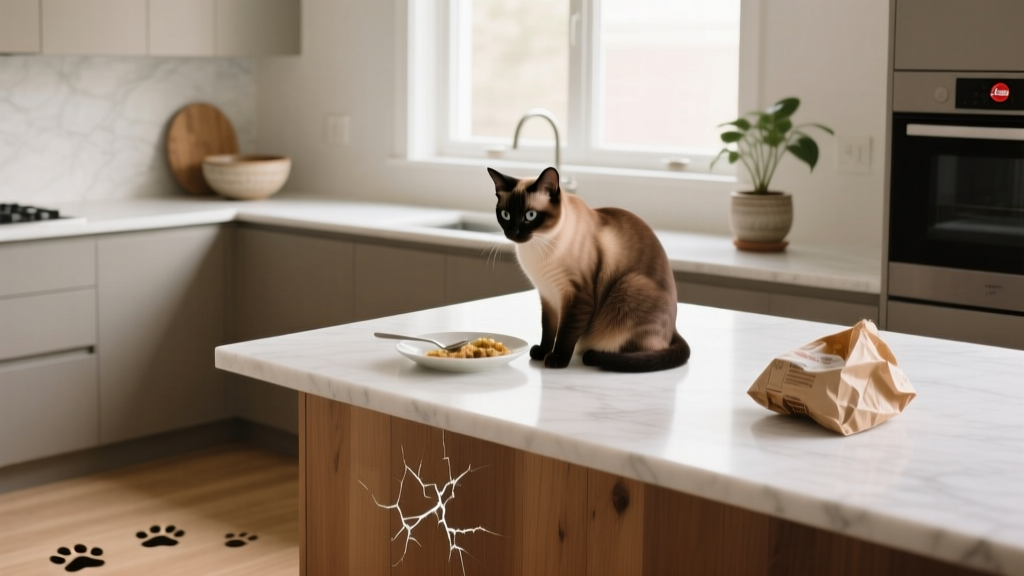
- Resource Competition (Even With One Cat): In multi-pet households, but also in single-cat homes where humans move unpredictably, key resources — litter boxes, food bowls, sleeping spots, and window perches — become contested zones. A cat sitting rigidly beside the food bowl isn’t ‘protecting dinner’ — she’s signaling insecurity about access.
Dr. Lin’s team tracked 127 indoor cats across NYC, Chicago, and Toronto high-rises for 18 months. Their findings revealed that 68% of reported ‘problem behaviors’ — including inappropriate elimination, biting during petting, and excessive meowing — resolved within 3 weeks when owners addressed *just one* of these five triggers using targeted environmental adjustments — not medication or punishment.
The Body Language Dictionary: Beyond ‘Happy’ and ‘Angry’
Cat communication is rarely binary. In tight quarters, subtle shifts carry amplified meaning. Here’s how to read what your cat *actually* means — not what you assume:
- The Slow Blink: Often called the ‘cat kiss,’ this isn’t just affection — it’s a deliberate de-escalation signal. In an apartment where tension builds silently, a slow blink toward you (or another pet) says, ‘I see you, and I’m not threatening you.’ Return it to reinforce safety.
- Tail Position ≠ Emotion Alone: A high, quivering tail? Confidence — *if* the base is relaxed. But if the tail is held high with a tense, twitching tip while she’s near the front door? She’s hyper-alert to external threats (e.g., hallway noises). A low, tucked tail near the litter box? Not fear — likely pain or UTI discomfort (veterinary consult needed).
- Ears Forward + Dilated Pupils: Classic ‘alert’ — but context is critical. If she’s perched at a window watching pigeons, it’s predatory focus. If she’s doing it while crouched behind the couch after your roommate enters, it’s acute fear. Note the accompanying posture: flattened ears + hunched back = freeze response; forward ears + stiff legs = potential flight-or-fight.
- Chattering/Jaw Trembling at Windows: This isn’t frustration — it’s a motor pattern linked to the kill bite. In apartments, it’s often a sign of intense, unfulfilled hunting drive. Redirect with interactive wand toys *before* she fixates, not after.
- Rolling Onto Back: Most owners interpret this as ‘pet me!’ — but in confined spaces, it’s often a submissive gesture signaling, ‘I’m not a threat; please don’t escalate.’ Unless she’s purring, kneading, and actively seeking contact, avoid belly rubs. She’s offering vulnerability, not invitation.
Real-world example: Maya, a graphic designer in Brooklyn, thought her 3-year-old Siamese was ‘demanding attention’ when he’d yowl loudly at 5:30 a.m. daily. After filming his behavior, she noticed he always did it while staring intently at the fire escape — then sprinted to the litter box immediately after. A vet confirmed early-stage cystitis. His ‘yowling’ wasn’t territorial — it was pain vocalization amplified by apartment acoustics. Adjusting his water intake (using a circulating fountain) and adding a second litter box reduced episodes by 95% in 10 days.
Building a Behavior-Friendly Apartment: 4 Evidence-Based Upgrades
You don’t need to renovate — just rewire your space using feline ethology principles. These upgrades target root causes, not symptoms:
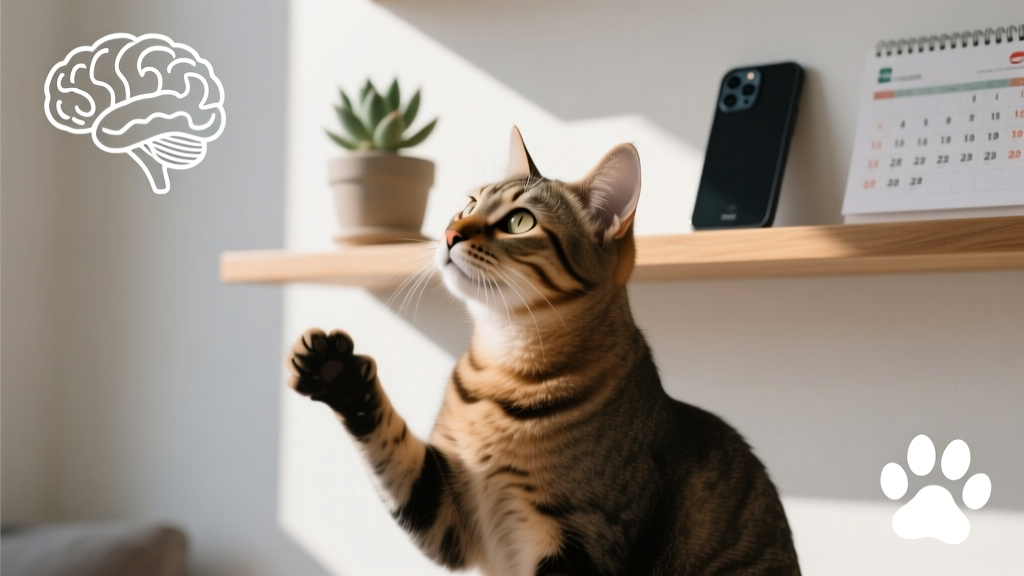
- Create Vertical Territory Zones: Install wall-mounted shelves (minimum 12” deep, anchored into studs) at varying heights — not just one ‘cat tree.’ Place one near a window (for bird-watching), one above the litter box (for security), and one near your workspace (for proximity without intrusion). Studies show cats using vertical space 3x more frequently in apartments with ≥3 distinct elevated zones.
- Introduce Predictable Scent Rotation: Rotate 3–4 soft blankets or beds weekly. Wash one set, leave one ‘scented’ (with your worn t-shirt inside), and store one ‘neutral.’ This mimics natural scent dispersal and reduces olfactory overload. Avoid synthetic air fresheners — citrus and pine oils are toxic and trigger avoidance behaviors.
- Install Sound-Dampening Anchors: Place thick rugs under litter boxes and food stations to muffle impact noise. Add felt pads to chair legs. Use white-noise machines playing nature sounds (not music) near sleeping areas — research shows consistent low-frequency sound reduces startle reflexes by 40% in confined environments.
- Implement ‘Hunt-Feed-Play-Rest’ Cycles: Replace free-feeding with 3–4 timed meals/day using puzzle feeders. Follow each meal with 5 minutes of active play (feather wands, not laser pointers alone — always end with a tangible ‘kill’ like a plush mouse). Then allow 20 minutes of quiet rest. This mirrors natural rhythms and prevents the ‘energy dump’ that causes midnight zoomies.
| Step | Action | Tools Needed | Expected Outcome (Within 7 Days) |
|---|---|---|---|
| 1 | Map your cat’s ‘safe zones’ and ‘stress hotspots’ using a floor plan sketch | Pen, paper, 24-hour observation log | Identify 1–2 high-traffic conflict areas (e.g., narrow hallway near litter box) |
| 2 | Add one vertical perch in each identified safe zone | Wall-mounted shelf kit ($25–$45), non-slip mat | Increased resting time in previously avoided rooms by ≥50% |
| 3 | Replace one standard litter box with a covered, low-entry box placed away from appliances | New litter box ($30–$60), unscented clumping litter | Reduction in outside-box urination incidents by ≥70% |
| 4 | Initiate ‘targeted play’ sessions at dusk (6–7 p.m.) and pre-bedtime (9–9:15 p.m.) | Wand toy with replaceable attachments, timer app | Decrease in nighttime vocalization and activity by ≥65% |
Frequently Asked Questions
Why does my apartment cat suddenly attack my ankles or hands?
This is rarely aggression — it’s redirected predatory energy. Apartment cats lack outlets for stalking/chasing. When triggered by movement (your walking feet, a fluttering curtain), their instinct surges but has no release. Instead of chasing birds, they latch onto moving limbs. Prevention: Carry a wand toy in your pocket. When you notice her ‘stalking stare’ (intense focus, tail twitch), immediately engage her with the toy for 2–3 minutes until she ‘catches’ it. Never use hands as toys — this blurs the line between play and prey.
My cat hides constantly — is she depressed or just shy?
Hiding is a normal coping mechanism, but duration and context matter. If she hides only during loud events (vacuuming, guests) and emerges readily afterward, it’s situational stress. If she spends >18 hours/day hidden, avoids food/water, or stops using the litter box, consult a vet immediately — this signals pain, illness, or severe anxiety requiring professional intervention. In apartments, ensure hiding spots are accessible (low-entry boxes, covered beds) and located away from high-traffic zones.
How do I know if my cat’s meowing is normal or a sign of distress?
Track frequency, timing, and tone. Normal ‘conversational’ meows occur during interaction (e.g., greeting you at the door). Distress meows are: (1) Repetitive, high-pitched, and occur at odd hours (especially pre-dawn); (2) Accompanied by pacing, restlessness, or inappropriate elimination; (3) New onset in senior cats (≥10 years) — could indicate cognitive decline or hypertension. Record a 30-second clip and share it with your vet; vocal changes are often the first sign of underlying issues.
Can I train my apartment cat to stop scratching furniture?
Yes — but not through punishment. Scratching is essential for claw maintenance, stretching, and scent marking. Instead, make furniture *less appealing* (double-sided tape, aluminum foil on corners) and make alternatives *irresistible*: place sisal posts beside preferred scratching spots, rub them with catnip, and reward her with treats *while* she uses them. Consistency for 2–3 weeks reprograms the behavior. Never declaw — it’s illegal in many cities and causes lifelong pain and mobility issues.
Is it okay to have just one cat in an apartment?
Yes — absolutely. Contrary to myth, cats aren’t inherently lonely. What they need is environmental enrichment, not companionship. Single cats thrive when provided with vertical space, daily interactive play, and predictable routines. Introducing a second cat without careful, months-long introductions often increases stress for both animals — especially in small spaces. Focus on quality of life, not quantity of cats.
Common Myths About Apartment Cat Behavior
Myth #1: “Cats don’t need exercise — they sleep 16 hours a day.”
Truth: Sleep cycles are broken into 15–30 minute naps. What looks like ‘laziness’ is energy conservation for short, intense bursts of activity. Without structured play mimicking hunting, that pent-up energy manifests as aggression, destruction, or anxiety. Aim for two 10-minute interactive sessions daily — it’s non-negotiable for mental health.
Myth #2: “If my cat isn’t sick, her behavior changes aren’t urgent.”
Truth: Behavioral shifts — increased hiding, decreased grooming, altered appetite, or sudden litter box avoidance — are often the *first* indicators of medical problems like kidney disease, arthritis, or dental pain. In apartments, these signs are easily missed as ‘personality quirks.’ Any sustained change lasting >48 hours warrants a veterinary exam.
Related Topics (Internal Link Suggestions)
- Best Litter Boxes for Small Apartments — suggested anchor text: "compact litter box solutions"
- Cat-Proofing Your Rental Apartment — suggested anchor text: "rental-friendly cat safety tips"
- Interactive Toys That Reduce Boredom — suggested anchor text: "apartment-safe enrichment toys"
- When to See a Feline Behaviorist — suggested anchor text: "signs you need expert cat behavior help"
- Non-Toxic Plants Safe for Indoor Cats — suggested anchor text: "cat-safe apartment greenery"
Your Next Step: Start With One Signal Today
You don’t need to overhaul your entire apartment tomorrow. Pick *one* behavior you’ve misread recently — maybe the tail-twitching at the window, the sudden hiding after vacuuming, or the early-morning yowling — and apply the corresponding insight from this guide. Observe for 48 hours. Note what changes. That small act of attentive translation builds trust faster than any treat or toy. Because understanding your cat’s behavior in apartment life isn’t about control — it’s about partnership. Download our free Apartment Cat Behavior Tracker (PDF checklist with observation prompts and vet-validated red-flag indicators) to document patterns and spot progress. Your cat has been speaking all along. Now, you’re finally ready to listen.