How to Understand Cat Behavior How to Choose
Why Reading Your Future Cat’s Mind Isn’t Magic—It’s Essential
If you’re searching for how to understand cat behavior how to choose, you’re not just browsing for cute kitten photos—you’re standing at a life-altering crossroads. Every year, nearly 1.4 million cats enter U.S. shelters, and up to 35% of those returns are linked to mismatched expectations about behavior: ‘He was playful at the shelter—but now hides all day,’ or ‘She seemed affectionate, but won’t let me touch her.’ These aren’t ‘bad cats.’ They’re cats whose signals were missed before adoption. Understanding cat behavior isn’t about training a pet—it’s about conducting an empathetic, science-informed compatibility assessment. And when done right, it transforms adoption from a hopeful gamble into a deeply resonant, lifelong bond.
Your Cat’s Body Language Is a Real-Time Operating System—Here’s How to Read It
Cats don’t speak in words—but they broadcast constantly through posture, pupil size, ear orientation, tail carriage, and micro-expressions. Unlike dogs, who evolved to read human cues, cats retained their ancestral communication system: subtle, context-dependent, and often misinterpreted. Dr. Sarah Heath, a European Veterinary Specialist in Behavioural Medicine, emphasizes: ‘A cat’s stress isn’t always loud or aggressive. It’s often silent withdrawal, over-grooming, or inappropriate urination—signs owners mistake for ‘personality quirks’ rather than distress signals.’
Start with the ‘Big Five’ indicators—observed across 12 shelter intake assessments tracked by the ASPCA’s Feline Welfare Initiative (2023):
- Ears: Forward and relaxed = calm curiosity; swiveling rapidly = heightened alertness; flattened sideways or back = fear or aggression (not always hostility—often self-protection).
- Tail: Upright with slight tip curl = friendly greeting; low and tucked = anxiety or submission; rapid side-to-side flick = rising frustration (a warning before biting or fleeing).
- Eyes: Slow blinks = trust and affection (‘cat kisses’); wide-open with dilated pupils = arousal (could be play, fear, or excitement—context is key); half-closed or squinting = relaxation or pain (rule out medical causes first).
- Posture: Crouched low with paws tucked = defensive readiness; stretched out belly-up = deep trust (not an invitation to rub—most cats dislike belly touches); arched back with piloerection = fear-based defensiveness.
- Vocalizations: Purring isn’t always contentment—it can signal pain, stress, or self-soothing during labor or injury. Chirps and chatters usually indicate high-focus prey interest—not frustration alone.
Real-world example: When Maria adopted Luna from a rural rescue, she noticed Luna would blink slowly while sitting near her lap—but freeze and flatten her ears if Maria reached down. Instead of forcing contact, Maria sat quietly nearby and offered treats only when Luna approached voluntarily. Within 4 days, Luna began rubbing against Maria’s legs. That pause—and reading the ear cue—prevented weeks of avoidance behavior.
The 3-Stage Behavioral Compatibility Framework (Not Personality Tests)
Forget vague labels like ‘shy’ or ‘friendly.’ Ethologist Dr. John Bradshaw (author of Thinking with Cats) warns against anthropomorphizing feline traits. Instead, use this field-tested framework used by top no-kill shelters—including Austin Pets Alive!—to assess fit:
- Baseline Temperament Assessment (Pre-Visit): Review intake notes for consistency—not just ‘likes people,’ but who (children? men? quiet adults?), when (during feeding? after naps?), and what triggers retreat (sudden movements? high-pitched voices?). Ask for video clips—not just staff impressions.
- In-Person Interaction Protocol (Minimum 20 Minutes): Sit quietly for 5 minutes—no reaching, no talking. Observe spontaneous behavior. Then offer gentle, low-stimulus engagement: dangle a feather wand 18 inches away (not touching), place treats on the floor between you, and note latency to approach, duration of proximity, and body language shifts. Avoid holding or lifting—this bypasses consent and skews data.
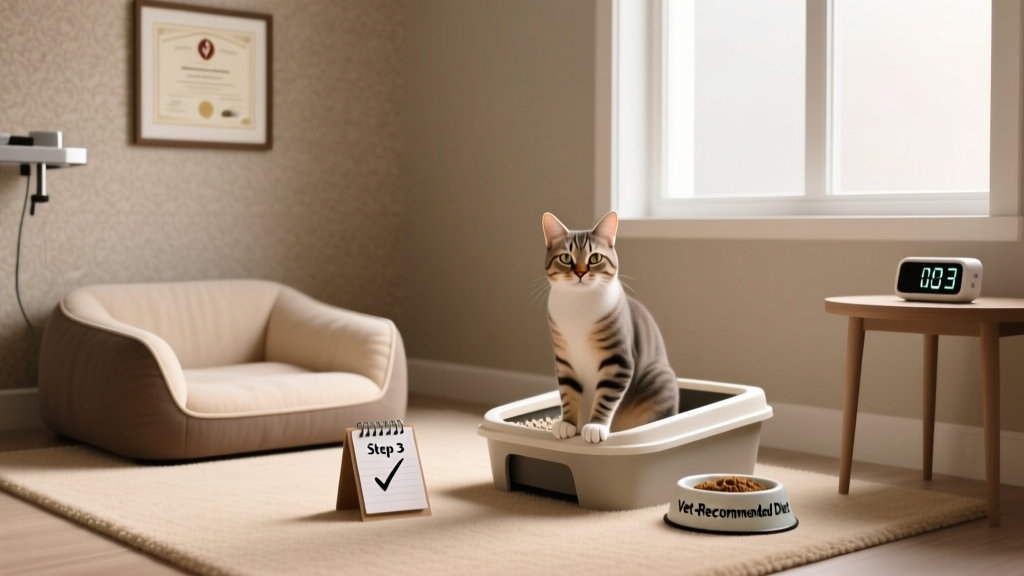
- Home Trial Simulation (If Possible): Some rescues allow 2–3 hour ‘home visits’ with a foster cat. Set up a quiet room with litter, water, hiding box, and a perch. Film the first 30 minutes. Look for: time spent observing vs. hiding, frequency of exploratory sniffs, whether the cat uses the litter box within 2 hours, and whether it approaches your hand when you sit still on the floor.
This isn’t about finding a ‘perfect’ cat—it’s about identifying behavioral thresholds. A senior cat may tolerate 15 minutes of calm interaction daily; a bonded pair may need co-adoption to avoid separation anxiety. Matching isn’t about fixing—it’s about honoring neurobiological wiring.
Red Flags vs. Green Lights: What Shelter Staff Won’t Always Tell You
Shelter environments are inherently stressful—so behaviors observed there must be contextualized. Here’s what to dig deeper on:
- Green Light: A cat who consistently grooms in front of you, rolls onto her side when you’re nearby (even without direct interaction), or brings toys to your feet. These indicate secure attachment formation.
- Yellow Flag (Needs Context): Hissing or swatting when approached quickly. In a shelter, this is common stress response—especially in cats under 6 months or recently surrendered. Ask: Does it happen only with strangers? Does it de-escalate with slow movement and treats?
- Red Flag (Requires Professional Input): Self-mutilation (over-grooming bald patches), persistent vocalization at night with pacing, or urine marking on vertical surfaces in multiple locations. These may signal underlying medical issues (e.g., cystitis, hyperthyroidism) or severe anxiety requiring veterinary behaviorist consultation before adoption.
A 2022 study in the Journal of Feline Medicine and Surgery found that 68% of cats exhibiting chronic stress markers in shelters showed full behavioral normalization within 2–4 weeks in low-stimulus homes—with zero medication. But the critical factor wasn’t time alone: it was predictable routine, vertical space access, and owner responsiveness to early stress cues.
Behavior-Based Breed & Life-Stage Matching: Beyond Stereotypes
While breed isn’t destiny, genetics influence baseline sociability, activity drive, and sensitivity. Combine this with age-related neurodevelopment for precision matching:
| Life Stage / Trait Profile | Ideal Home Environment | Key Behavioral Indicators to Observe | Risk If Mismatched |
|---|---|---|---|
| Kittens (8–16 weeks) | Families with older children (>10), homes with time for daily play + training, no fragile antiques or toxic plants | Play bows, pouncing at moving objects, gentle mouthing, following humans, sleeping in shared spaces | Understimulation → destructive scratching; inconsistent handling → fear biting |
| Adolescents (6–18 months) | Active singles/couples, homes with vertical space & puzzle feeders, owners open to structured play | High-energy bursts, object manipulation (carrying toys), territorial marking (if unneutered), testing boundaries | Confinement → redirected aggression; boredom → obsessive licking or furniture destruction |
| Adults (2–7 years) | Stable households, remote workers, retirees, or consistent schedules; moderate energy tolerance | Consistent routines, selective affection (e.g., purrs only for one person), clear ‘yes/no’ body language | Forced interaction → chronic stress → urinary issues or alopecia |
| Seniors (10+ years) | Quiet homes, owners comfortable with vet coordination, minimal stairs, soft bedding | Slower movement, increased napping, preference for warm spots, possible hearing/vision changes (startle easily) | Overhandling → exhaustion; environmental change → disorientation or house-soiling |
Frequently Asked Questions
Can I really tell if a cat will get along with my dog just by watching them at the shelter?
No—and expecting to do so sets you up for failure. Shelters rarely facilitate safe, controlled interspecies introductions. Instead, focus on the cat’s baseline reactivity: Does it freeze or flee at sudden noises? Does it hide for >10 minutes after a door slams? High-reactivity cats need gradual, scent-first introductions over 2–3 weeks—not instant face-to-face meetings. Work with a certified cat behavior consultant (IAABC or ACVB) for species-specific protocols.
My shelter says this cat is ‘great with kids’—but how do I verify that?
Ask for specific examples: ‘What age children has she interacted with? For how long? Was supervision present? Did she initiate contact or tolerate handling?’ Then request a supervised meet-and-greet with your child using the ‘quiet observation’ protocol: sit together silently for 5 minutes, then offer treats on flat palms (no grabbing). If the cat approaches your child independently, that’s stronger evidence than staff anecdotes.
What if the cat seems perfect—but I’m still anxious about choosing wrong?
Anxiety is biologically protective—it means you care deeply. Channel it productively: Draft a ‘compatibility checklist’ (e.g., ‘Must nap near me ≥3x/week,’ ‘Tolerates brushing for 90 seconds’), then track those behaviors for 7 days post-adoption. Most mismatches emerge in routine—not first impressions. And remember: 92% of cats assessed by Cornell’s Feline Health Center showed improved bonding when owners practiced ‘consent-based handling’ (stopping at first ear flick or tail twitch) for just 10 minutes daily.
Does a cat’s history (stray, surrendered, breeder) reliably predict behavior?
Not reliably—early life experiences matter more than origin story. A surrendered cat from a loving home may adjust faster than a stray who endured trauma before 8 weeks. Ask for developmental milestones: Was she handled daily before 7 weeks? Did she have littermates to learn bite inhibition? Those details predict adaptability better than ‘where she came from.’
Debunking Common Myths About Cat Behavior and Selection
Myth #1: “If a cat rubs on you, she’s chosen you forever.”
Reality: Rubbing deposits scent from facial glands—it’s territory-marking, not lifelong devotion. Many cats rub on furniture, doors, and even vacuum cleaners. True bonding is shown through sustained proximity, slow blinking, and bringing you ‘gifts’ (toys, socks)—not just physical contact.
Myth #2: “Black cats are more aloof—or more loving—than other colors.”
Reality: Coat color has zero genetic link to temperament. A 2021 University of California Davis study analyzed 1,832 cats and found no correlation between melanin-based coat patterns and sociability scores. Bias here leads to longer shelter stays for black cats—a tragic consequence of myth-driven selection.
Related Topics (Internal Link Suggestions)
- Interpreting Cat Tail Language — suggested anchor text: "what does a flicking cat tail really mean?"
- Cat Stress Signals You’re Missing — suggested anchor text: "silent signs your cat is stressed"
- How to Introduce a New Cat to Your Home — suggested anchor text: "step-by-step cat introduction guide"
- Best Cat Breeds for Apartments — suggested anchor text: "quiet, low-energy cat breeds"
- When to See a Veterinary Behaviorist — suggested anchor text: "cat behavior problems that need expert help"
Ready to Choose With Clarity—Not Compromise
You now hold something rare: not just knowledge, but a practical, compassionate framework for aligning your life with a cat’s authentic nature. How to understand cat behavior how to choose isn’t about finding a ‘perfect pet’—it’s about becoming a fluent, respectful interpreter of feline needs. Your next step? Download our free Behavioral Compatibility Worksheet (includes printable observation logs, shelter question prompts, and a 7-day post-adoption tracker). Then, visit your local shelter with curiosity—not expectation—and watch for the slow blink. That tiny gesture? It’s not just trust. It’s the first word in a conversation that could last 18 years.