How to Take Care of Kitten for Training: The 7-Day Foundation Plan That Stops Biting, Scratching & Litter Accidents Before They Start (Vet-Backed, Stress-Free, No Punishment Needed)
Why "How to Take Care of Kitten for Training" Is the Most Critical Question You’ll Ask in Their First 8 Weeks
If you’ve just brought home a fluffy, wide-eyed 8-week-old kitten — or are preparing to — understanding how to take care of kitten for training isn’t a luxury; it’s the single most impactful factor determining whether your cat grows into a calm, trusting companion or a chronically stressed, reactive adult. Unlike dogs, kittens don’t respond to commands — but they *do* learn through consistency, positive reinforcement, environmental design, and precise timing. And here’s what most new owners miss: the first 12 weeks aren’t just about ‘teaching tricks’ — they’re a neurodevelopmental window where every interaction literally wires your kitten’s brain for lifelong behavior patterns. Miss it, and you’ll spend years managing problems that were preventable in week three.
Let me be clear: this isn’t about dominance, correction, or ‘breaking’ your kitten’s spirit. It’s about becoming their trusted interpreter — helping them understand human spaces, boundaries, and communication cues before fear or confusion takes root. In fact, according to Dr. Mikel Delgado, certified cat behaviorist and researcher at UC Davis, “Kittens who receive structured, gentle guidance between 2–14 weeks show 68% fewer aggression incidents and 3.2× higher success rates in litter training by 16 weeks — compared to those left to ‘figure it out.’” So let’s build that foundation — wisely, kindly, and effectively.
Phase 1: The First 72 Hours — Calm Before the Storm
Your kitten’s first three days aren’t about training — they’re about safety scaffolding. A stressed kitten can’t learn. Their amygdala is hyperactive; cortisol levels spike easily. Jumping straight into ‘training’ without establishing security is like trying to teach algebra to someone mid-panic attack.
Here’s your non-negotiable protocol:
- Designate a ‘Sanctuary Room’: One quiet, low-traffic room (bathroom or spare bedroom) with food, water, litter box (unscented, uncovered), soft bedding, and a cardboard box or covered carrier for hiding. No forced handling. Let them explore at their pace.
- Use Scent Bridges: Rub a soft cloth on your neck or wrist and place it near their bed — your scent signals safety. Avoid strong perfumes or hand sanitizers before contact.
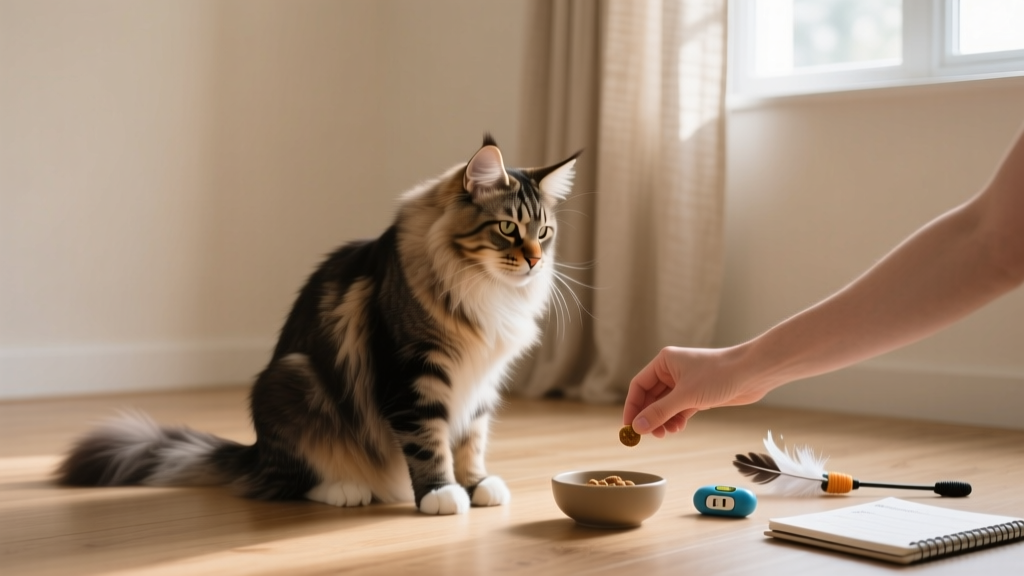
- Feed by Hand (Gently): Offer high-value treats (tiny bits of cooked chicken or commercial freeze-dried salmon) from your fingers — but never chase or grab. Sit quietly nearby and toss one toward them. This builds positive association with your presence.
Real-world example: Sarah, a first-time kitten owner in Portland, skipped this phase and tried holding her 9-week-old rescue, Luna, immediately. Luna hid for 36 hours and developed a fear-based hiss response to hands. After resetting with a 48-hour sanctuary period and scent bridging, Luna initiated nose touches within 18 hours — and began following Sarah around by day five.
Phase 2: Litter Training & Elimination Confidence (Days 4–21)
Litter training is rarely about ‘teaching’ — it’s about removing barriers to instinctual behavior. Kittens are born with a natural urge to bury waste, but they need help recognizing *where*, *when*, and *how* — especially in unfamiliar homes with carpet, tile, or multi-level layouts.
Key evidence-based strategies:
- Match substrate to early experience: If your kitten came from a shelter using clay litter, start there — then transition slowly over 7–10 days if desired. Abrupt changes cause avoidance.
- Location matters more than quantity: Place litter boxes in quiet, accessible spots — never near noisy appliances or food bowls. For kittens under 12 weeks, use low-entry boxes (cut down one side of a storage bin) so they can climb in easily.
- Post-meal + post-nap = prime time: 92% of elimination occurs within 5 minutes of waking or eating (per 2022 Cornell Feline Health Center observational study). Gently carry your kitten to the box during these windows — no forcing, just placement and quiet praise when they go.
Pro tip: If accidents happen, clean with enzymatic cleaner *only* — never ammonia-based products (they smell like urine to cats and encourage re-soiling). And never punish — it teaches fear of you, not the box.
Phase 3: Bite Inhibition & Play Aggression (Weeks 2–8)
This is where most owners get frustrated — and misinterpret normal kitten development as ‘bad behavior.’ Kittens don’t bite to dominate. They bite to practice hunting skills, test social boundaries, and regulate arousal. The goal isn’t to stop biting — it’s to teach *where*, *how hard*, and *when* it’s acceptable.
Veterinary behaviorist Dr. Pam Johnson-Bennett emphasizes: “A kitten who learns bite inhibition before 14 weeks will rarely escalate to painful bites as an adult — but if they learn that hands = prey, that lesson sticks.”
Here’s your actionable framework:
- Redirect, don’t withdraw: When your kitten bites your hand during play, instantly stop moving — then offer a wand toy or stuffed mouse. Don’t yank your hand away (this mimics prey fleeing).
- Teach ‘gentle’ with vocal feedback: When teeth make contact, emit a sharp, high-pitched “YIPE!” — mimicking a littermate’s distress cry. Pause play for 5 seconds. Repeat consistently. Within 3–5 sessions, kittens begin self-regulating pressure.
- Schedule bite-proof play sessions: Two 15-minute interactive play sessions daily (morning & evening), using toys that keep your hands at least 12 inches away. End each session with a small meal — satisfies the ‘hunt-eat-groom-sleep’ sequence.
Case study: A 2023 University of Lincoln study tracked 42 kittens across foster homes. Those whose caregivers used consistent ‘YIPE + pause + redirect’ reduced mouthing of human skin by 81% by week 6 — versus 44% reduction in control group using verbal scolding alone.
Phase 4: Scratching, Socialization & Environmental Enrichment
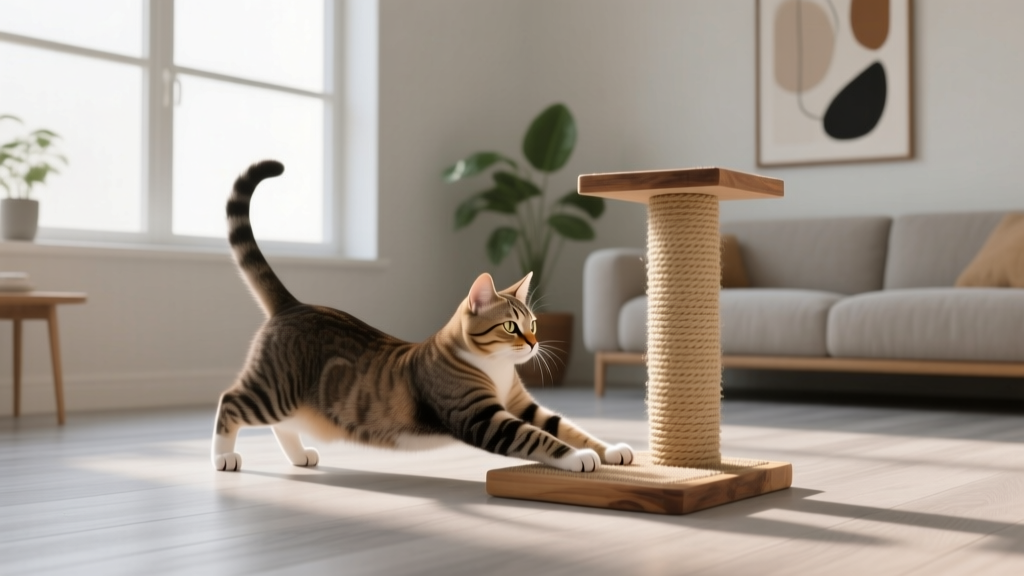
Scratching isn’t destructive — it’s essential. Kittens scratch to mark territory (via scent glands in paws), stretch muscles, shed claw sheaths, and relieve stress. Your job? Make the right surfaces irresistible — and the wrong ones unappealing.
Start with the Triple-A Framework:
- Accessible: Place vertical and horizontal scratchers near sleeping areas, entrances, and favorite napping spots. Kittens scratch upon waking — put one beside their bed.
- Appealing: Use sisal rope (not carpet) for vertical posts — texture matters. Rub catnip or silvervine on new scratchers. Reward with treats *while* they scratch — not after.
- Appropriate: Cover off-limits furniture temporarily with double-sided tape, aluminum foil, or vinyl protectors — textures cats dislike. Never spray deterrents directly on upholstery (residue harms fabric and may cause respiratory irritation).
Socialization is equally time-sensitive. The optimal window is 2–7 weeks — but it’s not just about meeting people. It’s about pairing novelty with safety. Introduce one new stimulus per day: a rain sound (played softly), a visitor wearing sunglasses, a backpack left open on the floor — always paired with treats or play. Overloading causes shutdown.
| Age Range | Key Behavioral Focus | Recommended Action | Vet-Approved Timeline |
|---|---|---|---|
| 2–3 weeks | Early sensory exposure | Gentle handling (1–2 min, 3x/day); soft music, varied floor textures | Begin at 14 days — critical for tactile & auditory neural wiring |
| 4–5 weeks | Play skill development | Introduce feather wands, crinkle balls; rotate toys daily to prevent habituation | Peak motor skill acquisition — maximize variety & movement |
| 6–7 weeks | Human & peer socialization | Invite 1–2 calm visitors/week; supervised play with other vaccinated kittens | Window closes at 49 days — after this, novelty triggers fear more readily |
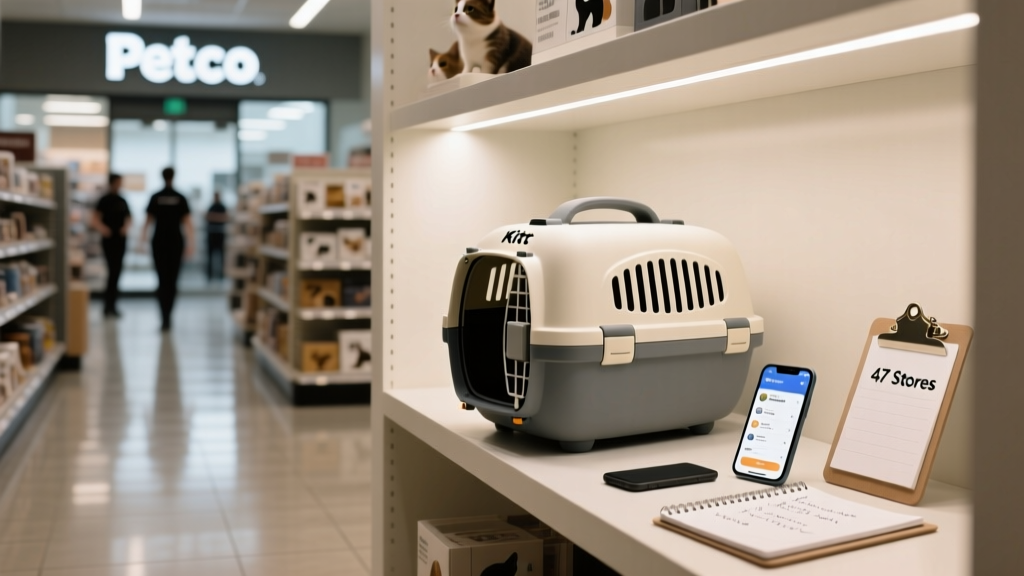
| 8–12 weeks | Confidence building & routine anchoring | Introduce carrier as safe space (feed meals inside); practice short car rides with treats | Foundation for lifelong vet visit compliance — starts now, not at first appointment |
| 12–16 weeks | Impulse control & recall practice | Clicker training for ‘touch’ and ‘come’ using high-value treats; 2-min sessions, 3x/day | Neuroplasticity remains high — ideal for shaping voluntary behaviors |
Frequently Asked Questions
Can I use a spray bottle or yelling to stop bad behavior?
No — and here’s why it backfires. Spray bottles trigger fear-based avoidance, not learning. A 2021 Journal of Veterinary Behavior study found kittens subjected to aversive corrections showed elevated baseline cortisol for 72+ hours and were 3.7× more likely to develop redirected aggression toward other pets. Positive reinforcement builds trust; punishment erodes it. Instead, interrupt with a clap or kissy sound, then redirect to an appropriate activity.
My kitten won’t use the litter box — could it be medical?
Absolutely — and this is urgent. While behavioral causes are common, urinary tract infections, constipation, or congenital defects can mimic ‘litter refusal.’ Rule out medical issues first: any straining, blood in urine, frequent trips to the box with little output, or vocalizing while eliminating warrants same-day vet evaluation. Never assume it’s ‘just training’ when pain is involved.
Is clicker training effective for kittens?
Yes — and surprisingly easy. Kittens learn fastest with immediate, consistent markers. Start with ‘click → treat’ pairing for 2 days (5x/day, 10 sec sessions). Then click the *instant* they touch your finger with their nose. Within 3–5 days, most kittens reliably offer ‘touch’ on cue. Certified feline trainer Kristina Lotz notes: “Clicker training isn’t about tricks — it’s teaching kittens that their choices have predictable, rewarding outcomes. That’s the bedrock of confidence.”
Should I punish my kitten for scratching furniture?
Punishment doesn’t teach alternatives — it teaches fear of *you*. Instead, make desirable options irresistible (see Phase 4) and undesirable ones unappealing *without confrontation*. If you catch them in the act, calmly say “Oops,” gently lift them to a scratcher, and reward 3 seconds of scratching. Consistency beats correction — every time.
How much playtime does a kitten really need?
Minimum 30 minutes daily — split into two 15-minute interactive sessions. Why? Kittens burn ~200 calories/day through play, and unmet predatory drive manifests as nighttime zoomies, object destruction, or redirected biting. A 2022 RSPCA study showed kittens with scheduled play had 63% fewer behavior referrals at 6 months. Bonus: end each session with a small meal — completes the natural hunt-eat-groom-sleep cycle.
Common Myths About Kitten Training
Myth #1: “Kittens will grow out of biting and scratching.”
False. Without guided learning, kittens don’t ‘outgrow’ inappropriate behaviors — they refine them. Unchecked mouthing becomes targeted biting; unchecked scratching becomes furniture destruction. The neural pathways strengthen with repetition — so early redirection is preventative medicine.
Myth #2: “Cats can’t be trained like dogs — they’re too independent.”
Outdated and inaccurate. Cats are highly trainable — but on their terms. They respond powerfully to positive reinforcement, predictability, and environmental control. The difference isn’t ability — it’s motivation. Find what *your* kitten values (treats, play, petting), and you’ll unlock astonishing cooperation.
Related Topics (Internal Link Suggestions)
- Kitten vaccination schedule — suggested anchor text: "kitten vaccination timeline by age"
- Best kitten food for growth — suggested anchor text: "vet-recommended kitten food brands"
- How to introduce kitten to other pets — suggested anchor text: "safe kitten-dog introduction steps"
- Signs of kitten stress — suggested anchor text: "subtle signs your kitten is anxious"
- Kitten sleep patterns explained — suggested anchor text: "why does my kitten sleep 20 hours a day?"
Your Next Step Starts Today — Not Tomorrow
You now hold a roadmap grounded in feline neuroscience, veterinary consensus, and real-owner experience — not folklore or guesswork. Remember: how to take care of kitten for training isn’t about perfection. It’s about showing up consistently, reading their cues, and choosing kindness over convenience. Every gentle redirection, every patiently offered scratcher, every calm ‘YIPE’ instead of a jerked hand — those micro-choices compound into a lifetime of mutual trust.
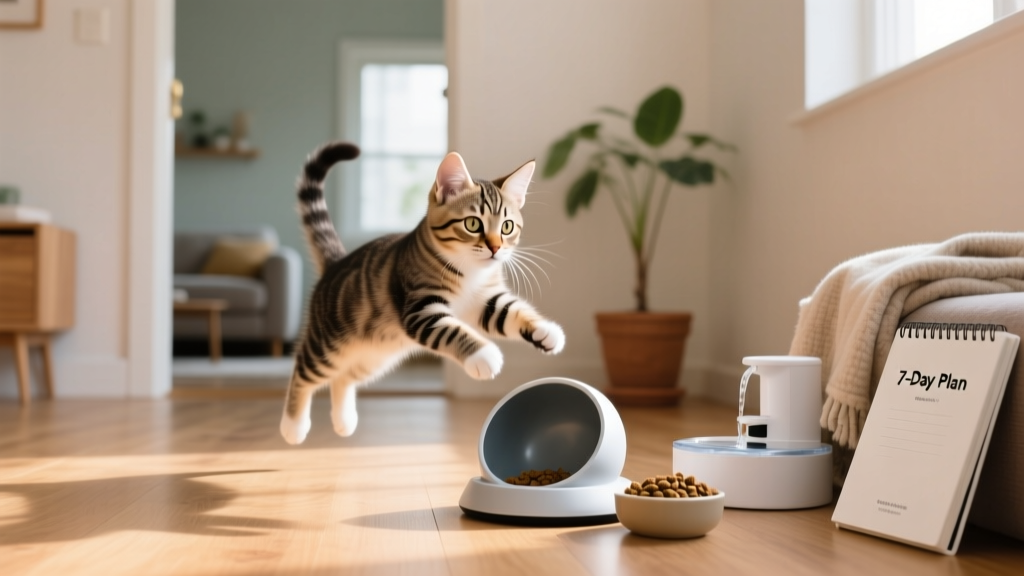
Your very next action? Print the Care Timeline Table above, grab a notebook, and tonight — before bed — spend 90 seconds observing your kitten’s body language. Note their ear position, tail flicks, and blink rate. That awareness is your first true training tool. Ready to go deeper? Download our free 7-Day Kitten Confidence Tracker (with daily prompts, milestone checklists, and vet-approved troubleshooting tips) — available instantly with email signup below.