How to Stop Negative Cat Behavior for Good
Why "How to Stop Negative Cat Behavior" Is the Question Every Confused Cat Parent Asks—And Why Most Answers Fail
If you've ever found yourself Googling how to stop negative cat behavior, you're not alone—and you're likely exhausted, frustrated, or even questioning whether your cat 'just doesn't like you.' The truth? Nearly 70% of cats referred to veterinary behavior specialists aren't 'bad' or 'spiteful'; they're communicating unmet needs through scratching furniture, ambushing ankles, avoiding the litter box, or hissing at visitors. What most online advice misses is this: negative cat behavior is rarely about disobedience—it's almost always a symptom of stress, pain, environmental mismatch, or misunderstood communication. And when you treat the symptom instead of the cause, you risk worsening anxiety, damaging trust, or even triggering long-term behavioral regression.
Step 1: Rule Out Medical Causes First—Because Pain Masquerades as 'Bad Behavior'
Before reaching for sprays, collars, or correction tools, pause. A 2022 study published in the Journal of Feline Medicine and Surgery found that 43% of cats exhibiting sudden aggression, inappropriate elimination, or excessive grooming had an underlying medical condition—including urinary tract infections, dental disease, hyperthyroidism, or osteoarthritis. Dr. Sarah Wooten, DVM and certified feline specialist, emphasizes: 'If your cat’s behavior changed abruptly—or if it’s new, escalating, or inconsistent with their lifelong temperament—schedule a full veterinary exam with bloodwork, urinalysis, and a physical palpation. Don’t assume it’s 'just behavioral.'
Common red-flag behaviors that often signal pain:
- Litter box avoidance: Could indicate cystitis, bladder stones, or arthritis making squatting painful.
- Aggression during petting: Often linked to overstimulation—but also nerve pain or skin sensitivities.
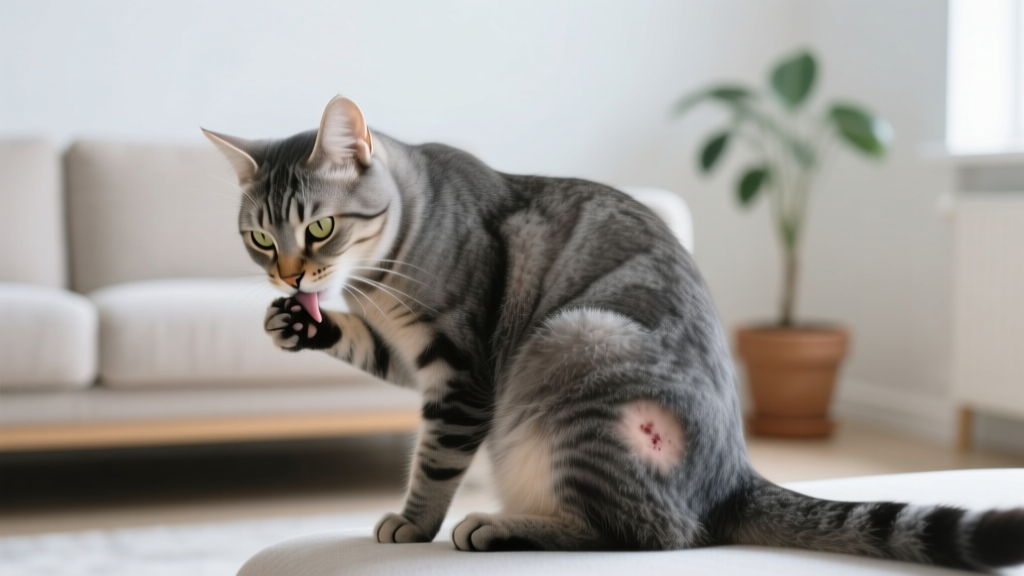
- Excessive licking or bald patches: May reflect dermatological issues or chronic pain syndromes.
- Restlessness at night or vocalizing: Frequently associated with hypertension, cognitive decline, or metabolic imbalances in senior cats.
If your vet clears your cat medically, you’re cleared to move into behavior modification—with confidence that you’re solving the right problem.
Step 2: Decode the 'Why' Behind the Behavior—Not Just the 'What'
Cats don’t misbehave—they respond. Every negative behavior serves a function. Identifying that function is the single most powerful lever in your behavior-change toolkit. Below are the four core motivations behind most 'problem' behaviors—and how to spot them:
- Stress Response: Triggered by changes (new roommate, construction noise, moving), lack of resources (only one litter box), or perceived threats (outdoor cats visible through windows). Manifests as urine marking, overgrooming, hiding, or redirected aggression.
- Attention-Seeking: Often mistaken for 'naughtiness,' but actually a learned strategy—especially in cats who were rewarded (even unintentionally) with attention after biting or meowing loudly. More common in kittens raised without littermates or early socialization.
- Play Predation: Not aggression—this is instinctual hunting behavior gone awry. Kittens and young adults may ambush feet, pounce on hands, or 'kill' toys violently. It peaks at dawn/dusk and escalates without appropriate outlets.
- Resource Guarding: Cats may growl, swat, or block access near food bowls, favorite napping spots, or even your lap. This reflects insecurity—not dominance—and worsens when punished or forced.
Try this real-world case study: Luna, a 3-year-old rescue tabby, began urinating on her owner’s laundry pile every morning. Her vet found no UTI—but a home assessment revealed she shared one litter box with two other cats, and the box was placed next to the noisy washing machine. Once moved to a quiet hallway and duplicated (3 boxes total), the marking stopped within 4 days. No training. No spray. Just environmental alignment.
Step 3: Build Your Cat’s Confidence—Not Compliance
Punishment—whether yelling, spraying water, or using shock collars—doesn’t teach cats what to do; it teaches them that *you* are unpredictable or threatening. According to the American College of Veterinary Behaviorists, punishment increases fear-based aggression and erodes the human-animal bond. Instead, successful behavior change relies on three pillars:
- Environmental Enrichment: Provide vertical space (cat trees, shelves), safe outdoor access (enclosed catio or harness walks), and daily interactive play sessions lasting 15+ minutes (using wand toys that mimic prey movement).
- Positive Reinforcement: Reward desired behaviors *in the moment*—not after. If your cat uses the scratching post instead of the couch, click or say “Yes!” and offer a high-value treat (like freeze-dried chicken). Consistency matters more than frequency.
- Desensitization & Counterconditioning: For fear-based reactions (e.g., hissing at guests), pair the trigger with something positive—gradually and at a distance where your cat stays relaxed. Example: Guest enters → you toss treats *before* your cat shows stress signs. Over time, guests = treats = safety.
A landmark 2021 clinical trial at Tufts University showed cats undergoing enrichment + positive reinforcement reduced aggression incidents by 82% over 6 weeks—versus only 29% in groups using deterrents alone.
Step 4: The 7-Day Reset Plan—Vet-Approved & Owner-Tested
Based on protocols used by certified cat behavior consultants (IAABC-certified), here’s a realistic, low-pressure 7-day framework to begin reversing negative patterns. It’s designed to be sustainable—even for busy professionals.
| Day | Action | Tools Needed | Expected Outcome |
|---|---|---|---|
| Day 1 | Conduct a full 'resource audit': Count litter boxes (1 per cat + 1), assess placement (quiet, low-traffic), check food/water station spacing (separate from litter, multiple locations), identify escape routes & safe zones. | Pen, paper, measuring tape | Clear baseline understanding of environmental stressors |
| Day 2 | Introduce one new enrichment item: a puzzle feeder, cardboard tunnel, or window perch. Observe engagement for 10 mins. | Puzzle toy or DIY tunnel (cardboard box + cutouts) | Increased curiosity or play initiation; reduced aimless wandering |
| Day 3 | Replace one punishment habit with redirection: When cat scratches couch, gently guide paw to nearby sisal post while saying “Scratch here,” then reward. | Sisal post, treats, calm voice | First successful redirection; cat glances at post voluntarily |
| Day 4 | Implement structured play: 2 x 10-min sessions using wand toy—end each with 'capture the prey' (let cat 'catch' toy, then feed meal or treat). | Wand toy, timed phone reminder | Reduced nighttime activity; increased post-play napping |
| Day 5 | Begin desensitization: Invite one calm person to sit quietly 6 ft away while you feed cat treats. Repeat 3x/day, increasing proximity only if cat remains relaxed. | Treats, quiet guest, timer | Cat eats comfortably with guest present at 6 ft |
| Day 6 | Introduce scent swapping: Rub cloth on resident cat, place near new cat’s bed (if multi-cat); or rub cloth on your hand, place near anxious cat’s sleeping spot. | Clean cloth, gentle handling | Decreased avoidance or hissing around shared spaces |
| Day 7 | Reflect & adjust: Journal one improvement and one persistent challenge. Celebrate small wins—even eye contact or approaching you unprompted counts. | Notebook or app note | Increased owner confidence; clearer path forward |
Frequently Asked Questions
Can I train my cat like a dog—to obey commands?
No—and trying to force obedience undermines feline welfare. Cats learn through association and consequence, not hierarchy. While they can learn cues (“come,” “touch”), success depends on motivation (high-value rewards), timing, and respecting their autonomy. A cat who chooses to come when called has built trust—not submitted to authority.
My cat bites me gently during petting—is that aggression?
Usually not. This is known as 'petting-induced aggression' and stems from overstimulation—not dislike. Cats have sensitive nerve endings; repetitive stroking triggers discomfort before they can signal politely. Watch for tail flicking, flattened ears, or skin twitching—stop *before* the bite. Gradually increase tolerance by ending sessions early and rewarding calmness.
Will neutering/spaying stop spraying or fighting?
It helps—but isn’t a cure-all. Neutering reduces urine marking in ~85% of male cats and inter-cat aggression in ~60%, according to Cornell Feline Health Center data. However, if marking began after 1 year of age or occurs in multi-cat homes, it’s often stress-related and requires environmental intervention—not just surgery.
Are citrus sprays or aluminum foil effective deterrents?
They may work short-term—but they punish the cat *for being a cat*. Citrus overwhelms their sensitive olfactory system; foil creates startling noise and texture. These cause fear, not learning—and often displace the behavior elsewhere. Positive alternatives include double-sided tape on furniture (tactile deterrent) or placing cat grass near tempting spots (redirective enrichment).
How long does it take to see real improvement?
Most owners notice subtle shifts—like longer eye blinks, less hiding, or initiating contact—in 7–14 days. Significant reduction in target behaviors typically takes 4–8 weeks of consistent application. Patience isn’t passive—it’s strategic. As certified feline behaviorist Mikel Delgado, PhD, says: 'Behavior change is measured in millimeters, not miles. Celebrate micro-wins.'
Debunking Common Myths About Negative Cat Behavior
Myth #1: “Cats are aloof and don’t care about bonding.”
Reality: Cats form secure attachments to caregivers—confirmed by attachment-style studies (similar to human infants). They show affection differently: slow blinks, head-butting, sleeping near you, bringing ‘gifts.’ Ignoring these signals leads owners to misinterpret independence as indifference.
Myth #2: “If I ignore bad behavior, it’ll go away.”
Reality: Ignoring often reinforces attention-seeking behaviors—especially if the cat previously got a reaction (yelling, picking up, pushing away). Instead, withdraw attention *calmly*, then redirect to a desirable alternative *immediately afterward*. Silence isn’t neutral—it’s ambiguous. Clarity is kinder.
Related Topics (Internal Link Suggestions)
- Understanding Cat Body Language — suggested anchor text: "what your cat’s tail flick really means"
- Best Litter Boxes for Multi-Cat Households — suggested anchor text: "litter box setup for 2+ cats"
- How to Introduce a New Cat Without Fighting — suggested anchor text: "stress-free cat introductions"
- Cat-Proofing Your Home Safely — suggested anchor text: "non-toxic cat deterrents"
- When to Call a Certified Cat Behaviorist — suggested anchor text: "signs you need professional cat behavior help"
Your Next Step Starts With One Small Shift
You now know that how to stop negative cat behavior isn’t about control—it’s about compassion, clarity, and consistency. You don’t need perfection. You don’t need expensive gadgets. You just need to see your cat as the complex, communicative, feeling being they are—and meet them where they are. So pick *one* action from the 7-Day Reset Plan above—just one—and commit to it for the next 48 hours. Notice what changes. Take a photo of your cat resting peacefully, or jot down one new observation in your notes. That tiny act of presence is where transformation begins. And if you’d like personalized support, our free Feline Behavior Snapshot Quiz delivers a custom action plan based on your cat’s unique history, environment, and triggers—no email required.