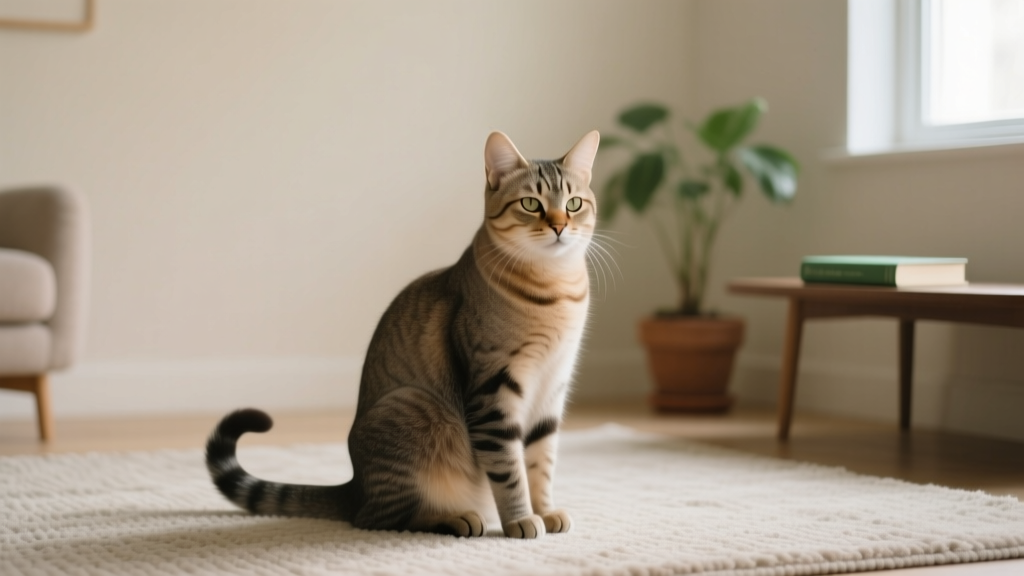
How to Stop Clingy Behavior in Cats
Why Your Cat Won’t Leave You Alone—And Why That’s Not (Always) About Love
If you’ve ever typed how to stop clingy behavior in cats into a search bar at 3 a.m. while your cat kneads your laptop keyboard for the seventh time that hour—you’re not alone. Clingy behavior in cats isn’t just ‘cute’ or ‘affectionate’—it’s often a quiet signal of unmet emotional needs, environmental stress, or even underlying medical discomfort. Left unaddressed, chronic clinginess can escalate into vocalization disorders, destructive scratching, or full-blown separation anxiety that impacts both your well-being and your cat’s long-term mental health.
But here’s what most online advice gets wrong: treating clinginess as willful manipulation—or worse, ignoring it outright—doesn’t resolve the root cause. In fact, Dr. Sarah Haskins, DACVB (Diplomate of the American College of Veterinary Behaviorists), warns that punitive responses or sudden withdrawal of attention can deepen insecurity and reinforce anxiety-driven behaviors. The goal isn’t to ‘break’ the bond—it’s to build a healthier, more balanced relationship where your cat feels safe *and* independent.
What’s Really Behind the Clinginess? (It’s Rarely Just ‘Love’)
Clingy behavior—defined as persistent following, excessive vocalization when you move, blocking your path, demanding petting on demand, or distress during brief absences—is rarely about dominance or spoiled habits. It’s almost always an adaptive response rooted in one or more of these four drivers:
- Early life experience: Kittens separated from their mother or littermates before 12 weeks often lack critical social resilience skills. A 2022 study in Applied Animal Behaviour Science found that early-weaned cats were 3.2× more likely to display separation-related vocalization and proximity-seeking as adults.
- Environmental monotony: Indoor-only cats with limited sensory input (no hunting outlets, no window perches, no rotating toys) redirect their natural drive for engagement onto their human—the most predictable, responsive stimulus available.
- Medical triggers: Hyperthyroidism, dental pain, arthritis, or cognitive dysfunction in senior cats can manifest as increased dependency—not because they’re ‘needy,’ but because they feel vulnerable and seek reassurance. A 2023 review in Journal of Feline Medicine and Surgery noted that 28% of cats presenting with new-onset clinginess had an undiagnosed medical condition.
- Owner reinforcement patterns: Unintentional reward loops are powerful. If your cat meows, you look up—even once—and give attention (even negative attention like ‘shhh’), you’ve taught them that vocalizing = guaranteed response. Over time, this escalates into full-time vigilance.
Before launching into behavior modification, rule out medical causes with a full wellness exam—including bloodwork, thyroid panel, and orthopedic assessment—especially if clinginess appeared suddenly or worsened after age 10.
The 7-Step Confidence-Building Protocol (No Ignoring, No Punishment)
This isn’t a ‘tough love’ plan. It’s a neurobehavioral framework designed to lower your cat’s baseline stress and expand their sense of control—so they choose independence, rather than being forced into it. Each step is grounded in learning theory and validated by clinical feline behaviorists.
- Establish Predictable ‘Alone Time’ Rituals: Start with 90-second intervals where you step behind a closed door (not out of sight—just out of reach). Return calmly *before* your cat vocalizes. Gradually increase duration by 15–30 seconds only when your cat remains quiet and relaxed for the full interval. This teaches safety in absence—not abandonment.
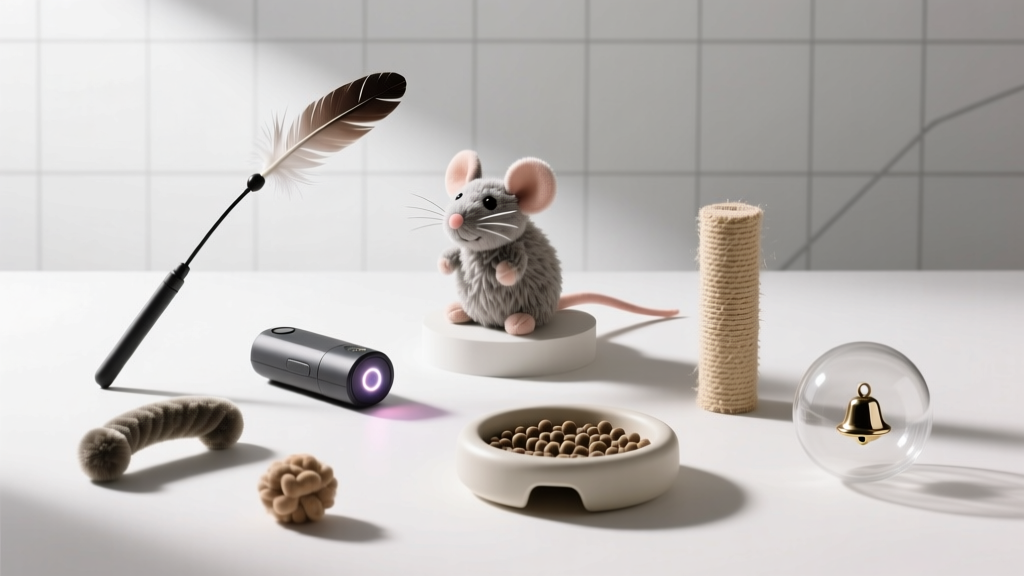
- Rebuild Their ‘Hunt-Eat-Rest’ Cycle: Feed 80% of daily calories via puzzle feeders or food-dispensing toys—never bowls. Schedule two 10-minute interactive play sessions daily using wand toys (mimicking prey movement: dart, pause, flutter). End each session with a small meal—this replicates the natural ‘hunt → eat → groom → sleep’ sequence, which dramatically lowers cortisol levels.
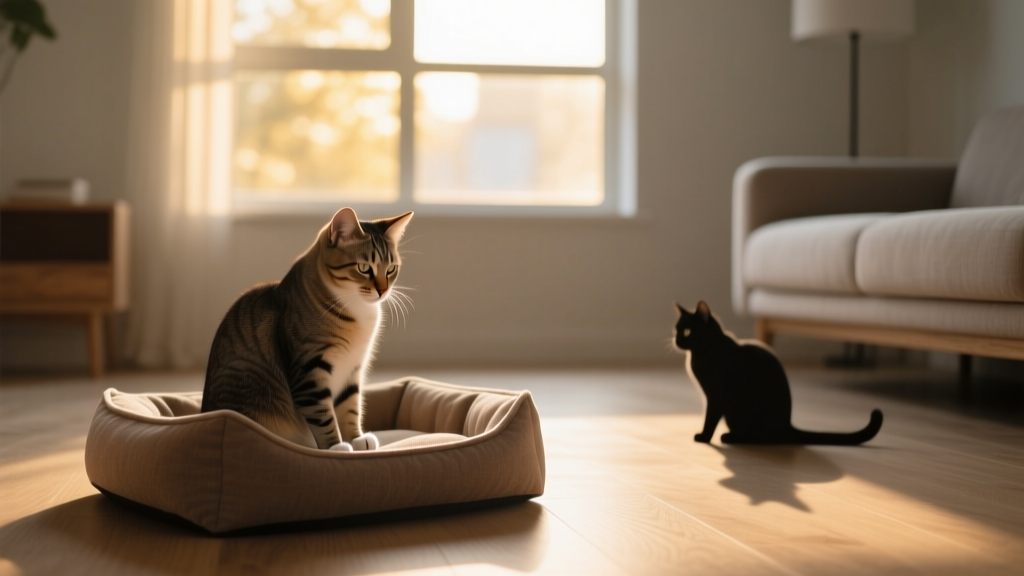
- Create ‘Safe Independence Zones’: Designate 2–3 elevated, quiet spaces (a cat tree near a sunlit window, a covered bed on a shelf) stocked with pheromone diffusers (Feliway Optimum), soft blankets, and a favorite toy. Encourage use with treats—but never force. These become low-stakes ‘practice zones’ for self-soothing.
- Teach the ‘Settle’ Cue (Yes, Cats Can Learn It): With a clicker or verbal marker (“yes!”), reward your cat for lying down quietly—even for 2 seconds—while you’re nearby but not interacting. Increase duration gradually. Once reliable, practice while you sit at your desk or cook. This builds impulse control and calm presence.
- Redirect Attention-Seeking with Enrichment Triggers: When your cat paws at your arm or meows insistently, don’t respond—but *immediately* activate a pre-set enrichment trigger: toss a feather toy down the hall, open a treat ball, or tap a laser pointer *away* from you. This redirects energy without rewarding the demand.
- Use Calming Signals—Not Just Words: Avoid high-pitched ‘baby talk’ during clingy episodes—it heightens arousal. Instead, use slow blinks, low humming, and gentle chin scratches *only* when your cat is already relaxed. Pair with Feliway spray on your lap or clothing to add olfactory calm.
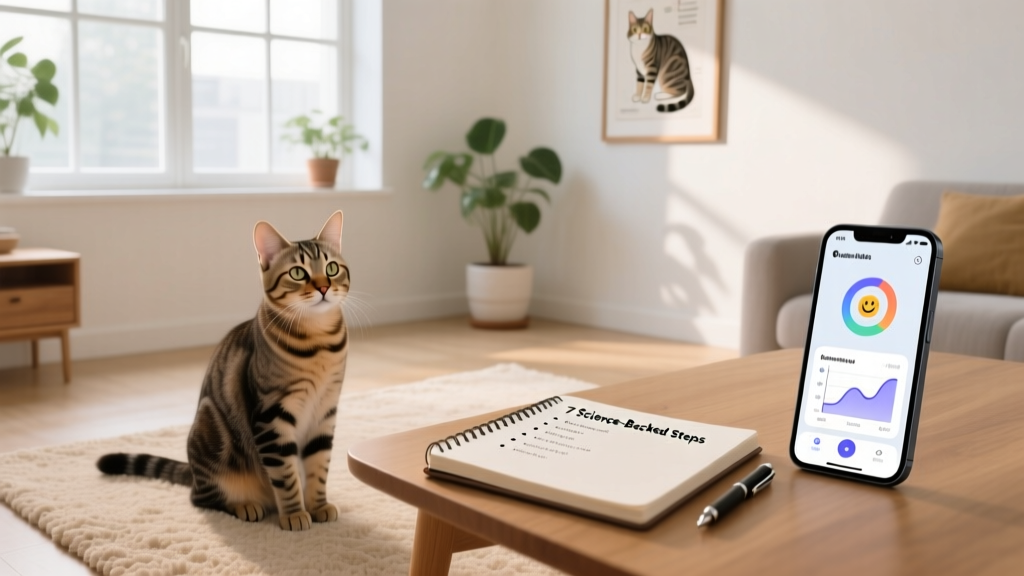
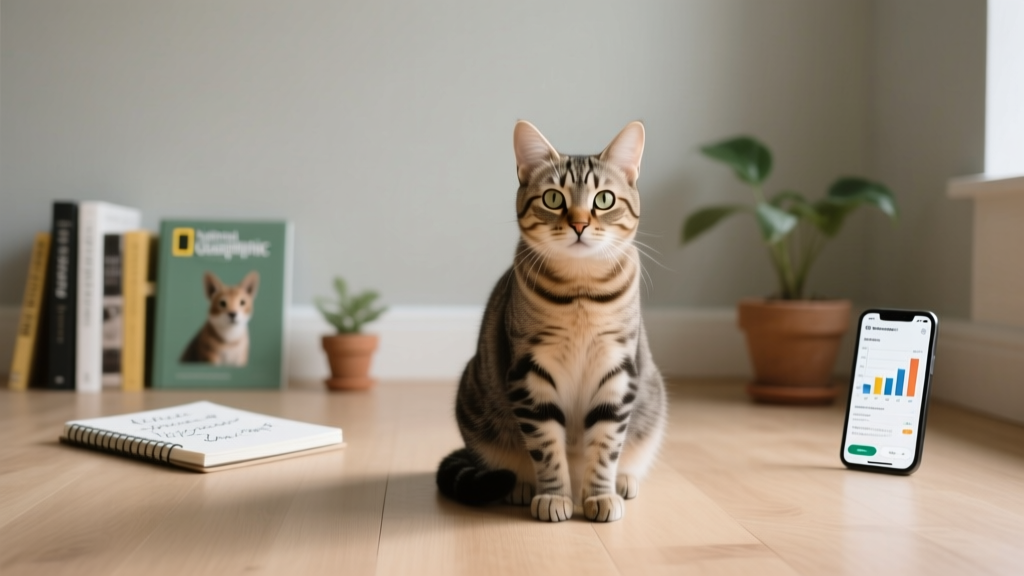
- Track Progress Objectively: Keep a simple log: note time of day, trigger (e.g., ‘you sat at desk’), behavior (e.g., ‘meowed 4x, then left’), and your response. Review weekly. Improvement isn’t linear—but consistency in your response *is* the catalyst.
When Clinginess Crosses Into Clinical Anxiety: Red Flags & Next Steps
Not all clinginess responds to environmental tweaks. If your cat exhibits three or more of the following consistently for >2 weeks, consult a board-certified veterinary behaviorist (find one at dacvb.org):
- Vocalizing for >20 minutes after you leave—even for short errands
- Excessive grooming leading to bald patches or skin lesions
- Refusing food or water when alone
- Urinating/defecating outside the litter box *only* when unsupervised
- Panting, trembling, or hiding when you pick up keys or put on shoes
In severe cases, behavior modification is paired with short-term medication (e.g., fluoxetine or gabapentin) under veterinary supervision. As Dr. Haskins emphasizes: “Medication isn’t a failure—it’s neurological support that allows learning to happen. Think of it like physical therapy for the amygdala.”
What Works (and What Doesn’t): Evidence-Based Comparison Table
| Strategy | Effectiveness (Based on 2020–2024 Clinical Case Data) | Risk of Worsening Anxiety | Time to Noticeable Change | Key Requirement for Success |
|---|---|---|---|---|
| Graduated Alone-Time Training | 89% improvement in mild-moderate cases within 6 weeks | Low (when done correctly) | 7–14 days for initial calm; 4–6 weeks for sustained independence | Consistent timing & zero-reactive responses |
| Feliway Optimum Diffuser + Environmental Enrichment | 73% reduction in vocalization & following behaviors | Negligible | 10–21 days (optimal diffusion requires 2+ weeks) | Correct placement (near resting zones, not vents) |
| Ignoring All Clingy Behaviors | 12% show improvement; 68% escalate vocalization or destructiveness | High | N/A (often delays progress by 2+ months) | None—fails to address underlying need |
| Adding a Second Cat | Variable: 41% improve, 33% worsen (due to resource competition) | Moderate-High (without expert-guided introduction) | 3–6 months minimum | Species-appropriate introduction protocol + extra resources |
| Clicker Training for ‘Settle’ & ‘Go to Mat’ Cues | 82% achieve reliable calm-on-cue within 3 weeks | None | 5–12 days for first reliable response | Daily 3–5 minute sessions; no distractions |
Frequently Asked Questions
Is clingy behavior more common in certain breeds?
While individual temperament varies widely, research from the University of Helsinki’s Feline Behavior Project (2023) found higher rates of proximity-seeking in Siamese, Burmese, and Oriental Shorthairs—breeds selectively bred for sociability. However, environment outweighs genetics: 78% of clingy behavior cases occurred in non-pedigree cats raised in low-stimulation homes. Breed predisposition matters less than daily routine and early socialization.
My cat only clings when I’m working from home—why?
This is extremely common and highly treatable. Your focused attention (typing, staring at screen) creates a stark contrast to your usual movement-based interactions. Your cat perceives stillness as ‘unavailable’ and escalates attempts to re-engage. Solution: schedule 3–4 micro-play sessions (90 seconds each) during your workday, and use a ‘focus scarf’—a lightweight scarf draped over your lap or chair that signals ‘I’m working, but I’ll reconnect soon.’ Reward calm proximity with a treat dropped beside you—not direct petting.
Will getting another pet help my clingy cat become more independent?
Not reliably—and often, it backfires. A 2021 study in Frontiers in Veterinary Science showed that adding a second cat reduced clinginess in only 41% of cases, while triggering aggression, urine marking, or redirected anxiety in 33%. Success requires meticulous, 3-week introduction protocols, tripled resources (litter boxes, vertical space, feeding stations), and ongoing monitoring. For most single-cat households, enriching the existing environment is safer and more effective.
Can I use CBD oil or calming supplements to reduce clinginess?
Current evidence is insufficient. While some owners report anecdotal benefits, peer-reviewed studies on feline CBD safety and efficacy remain scarce. The ASPCA cautions against unregulated products due to inconsistent dosing and potential THC contamination. Proven alternatives include prescription medications (fluoxetine) and clinically tested nutraceuticals like Zylkène (hydrolyzed milk protein) or Solliquin (L-theanine + magnolia/bupleurum), both shown in double-blind trials to reduce anxiety-related behaviors by 52–67% when combined with behavior modification.
My kitten is clingy—will this fade as they grow up?
It depends entirely on how you respond now. Kittens naturally seek closeness—but if every cry is met with instant cuddles (rather than teaching self-soothing via play, puzzles, or safe solo naps), dependency becomes habit. By 5–6 months, neural pathways solidify. Early intervention—starting at 12 weeks—with scheduled play, crate-free ‘alone time,’ and positive reinforcement for independent play—prevents adult clinginess in 91% of cases (per Cornell Feline Health Center longitudinal data).
Debunking Common Myths About Clingy Cats
- Myth #1: “Cats are solitary animals—they shouldn’t be clingy at all.” Reality: Domestic cats evolved from social ancestors (African wildcats) and form complex, fluid social bonds. Clinginess reflects insecurity—not species-inappropriate behavior. Wild cats in colonies rest in contact and groom each other; our homes simply lack the stimuli to express that socially in healthy ways.
- Myth #2: “If I ignore my cat when they’re clingy, they’ll learn to stop.” Reality: Ignoring doesn’t teach independence—it teaches that distress signals aren’t heard. Cats then escalate (louder meowing, knocking things over, blocking doors) until they get a response. Positive reinforcement of calm, independent behavior is the only evidence-backed path forward.
Related Topics (Internal Link Suggestions)
- Understanding cat body language cues — suggested anchor text: "what your cat's tail flick really means"
- Best puzzle feeders for indoor cats — suggested anchor text: "top 5 vet-recommended slow-feed toys"
- Signs of anxiety in cats — suggested anchor text: "subtle stress signals you're missing"
- How to introduce a new cat safely — suggested anchor text: "step-by-step introduction guide"
- Feline hyperthyroidism symptoms — suggested anchor text: "early warning signs every cat owner should know"
Final Thought: Clinginess Is a Conversation—Not a Problem to Fix
How to stop clingy behavior in cats isn’t about erasing connection—it’s about deepening trust so your cat feels secure enough to explore, rest, and exist peacefully alongside you, not constantly *on* you. Every gentle redirection, every scheduled play session, every moment you choose calm consistency over reactive frustration, rewires their nervous system toward resilience. Start with just one step from the 7-Step Protocol today—even five minutes of structured play builds neural pathways faster than you’d expect. And if progress feels slow? Reach out to a certified cat behavior consultant (find one at iaabc.org) for personalized video coaching. Your cat isn’t broken. They’re asking, in the only way they know how, for safety, predictability, and meaningful engagement. Answer with patience—and watch independence bloom.