How to Stop Cats from Peeing Outside the Litter Box
Rule Out Medical Causes First
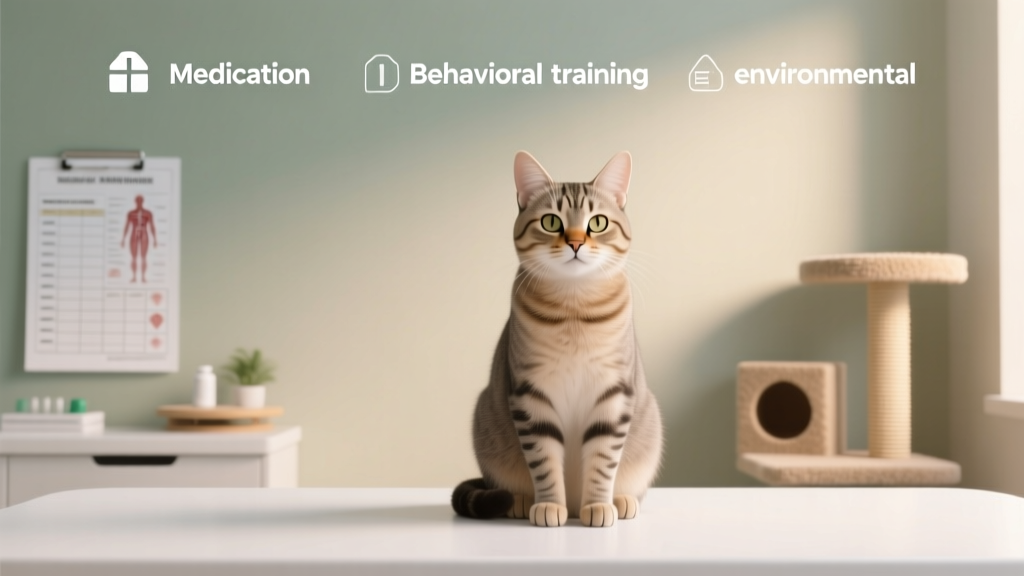
Up to 65% of cats exhibiting inappropriate urination have an underlying medical condition (American Association of Feline Practitioners, 2023). Urinary tract infections, bladder stones, diabetes, and kidney disease all cause discomfort that makes litter box use painful or urgent. A full veterinary exam—including urinalysis and abdominal ultrasound—is essential before assuming behavioral causes.
Assess Litter Box Setup & Hygiene
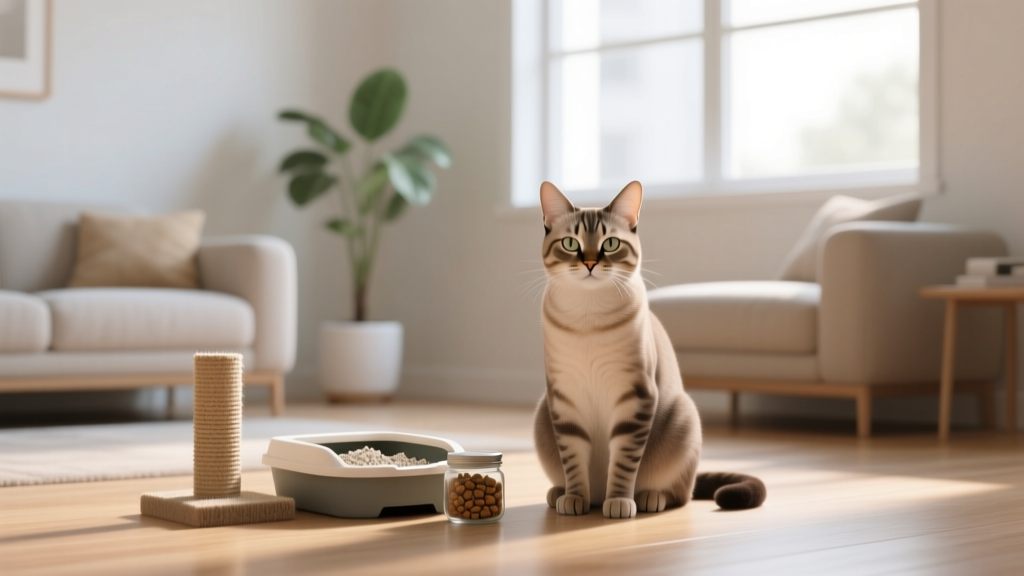
Cats prefer unscented, clumping clay or paper-based litters. The ASPCA recommends one litter box per cat plus one extra—so a 2-cat household needs three boxes. Boxes must be large enough: minimum dimensions of 1.5× the cat’s body length (e.g., 24″ × 18″ for an average domestic shorthair). Scoop daily; fully replace litter weekly; wash boxes with mild soap (never ammonia-based cleaners) every 2 weeks.
Decode Stress & Body Language Signals
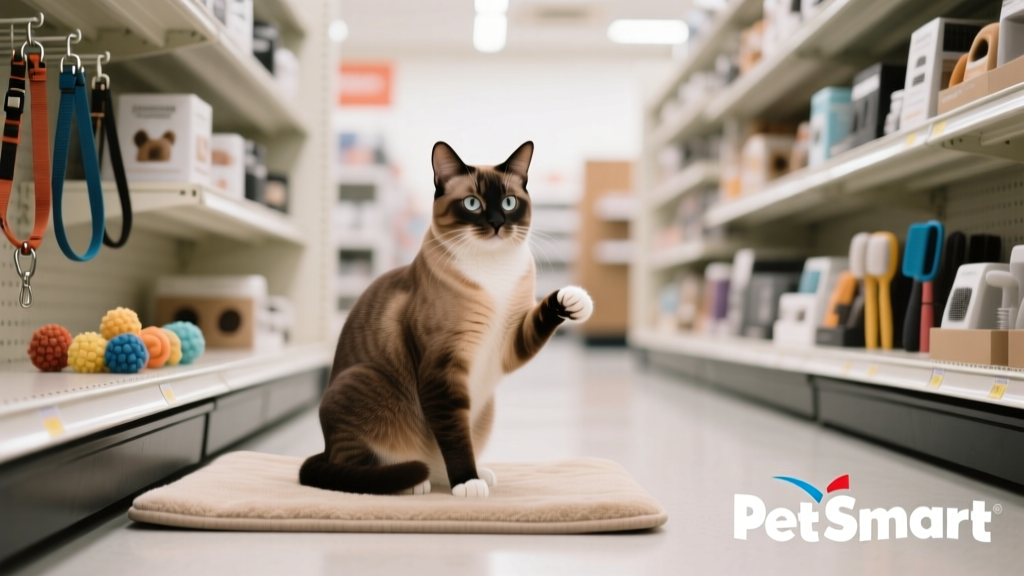
Feline stress often manifests as urinary marking. Watch for flattened ears, tail flicking, low crouching, or excessive grooming—signs your cat feels unsafe. A 2022 study in Journal of Feline Medicine and Surgery found that 78% of cats with idiopathic cystitis showed at least three subtle stress indicators in home videos prior to onset. Real-world example: Luna, a 4-year-old Siamese, began peeing on her owner’s laundry pile after a new dog moved in. Her tail was held low and she avoided eye contact near the dog’s sleeping area.
Reintroduce Positive Associations
Never punish or rub a cat’s nose in urine—it increases fear and erodes trust. Instead, use positive reinforcement: reward calm approaches to the box with treats (e.g., Greenies Temptations, launched in 2019). Place treats *beside* (not inside) the box for 5 minutes twice daily for 10 days. Gradually move treats closer to the entrance. If avoidance persists, try Dr. Elsey’s Precious Cat Ultra Litter (2021 reformulation), proven in shelter trials to increase usage by 42% over standard clay litters.
Environmental Enrichment & Socialization
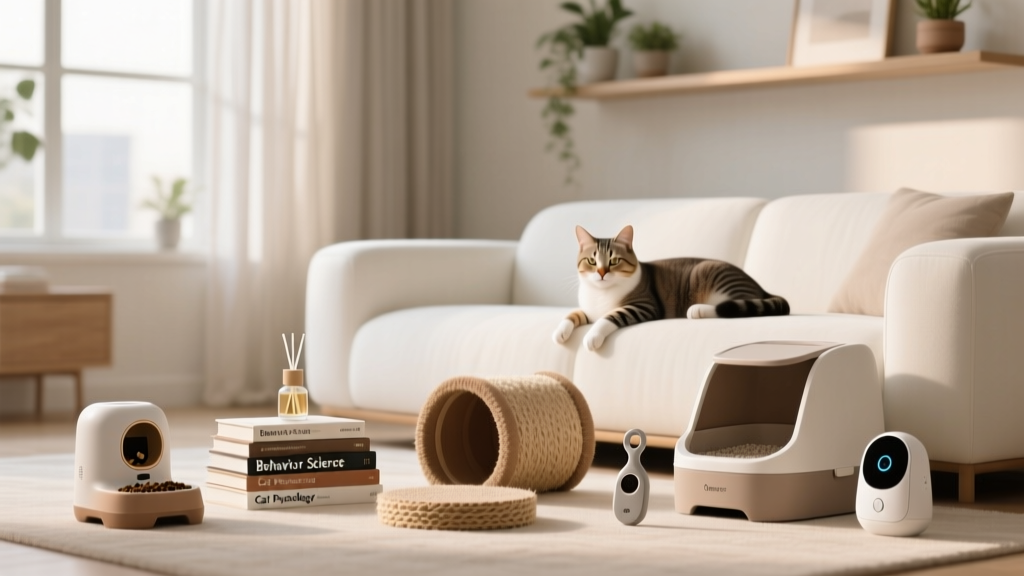
Indoor cats need vertical space, scratching surfaces, and predictable routines. Add at least two cat trees (minimum height: 60 cm) and rotate toys weekly. For multi-cat homes, ensure resources (food bowls, resting spots, boxes) are separated by ≥2 meters to reduce tension. Real-world example: Max, a 7-year-old neutered male, stopped peeing on the sofa after his owner installed a window perch overlooking a bird feeder and introduced scheduled play sessions with a Da Bird wand toy (2020 model).
Behavioral interventions take time—most cats show improvement within 2–6 weeks when all factors align. Patience, consistency, and observation are critical.
If retraining stalls beyond 8 weeks despite veterinary clearance and environmental adjustments, consult a certified feline behaviorist (IAABC-credentialed since 2018). They may recommend short-term anti-anxiety support like Solliquin (Vetoquinol, FDA-approved in 2022) under veterinary supervision.
Remember: peeing outside the box is never ‘spite.’ It’s communication—your cat is telling you something isn’t working.
| Factor | Minimum Standard | Source |
|---|---|---|
| Litter box count | Cats + 1 | ASPCA Guidelines, 2023 |
| Box depth | ≥10 cm litter depth | J Feline Med Surg, 2022 |
| Cleaning frequency | Scoop ≥2×/day | AAFP Consensus, 2023 |
| Resting height | ≥60 cm vertical space | ISFM Environmental Needs, 2021 |
| Treatment timeline | 2–6 weeks for response | Veterinary Behavior Today, Jan 2024 |
Always document timing, location, and substrate (e.g., “carpet in hallway, 6 a.m.”). This pattern data helps professionals spot triggers faster than intuition alone.