Cat Head Tilt When Hearing Strange Sounds
You’re on the couch, half-watching a show, when your cat suddenly freezes like a tiny statue. A faint noise comes from somewhere—maybe the heater clicks, a neighbor’s door closes, or your phone makes a new notification sound. Your cat’s ears swivel like satellite dishes, and then… the head tilt. One side down, eyes wide, whiskers slightly forward, as if they’re trying to solve a very important mystery.
If you’ve ever found yourself tilting your own head back at them (don’t worry, many of us do), you’ve probably wondered: What is going on in that little brain? The good news is that most of the time, a head tilt in response to a strange sound is normal—and it’s one of the cutest windows into how cats process the world.
Why Cats Tilt Their Heads: The Science and Evolution Behind It
Cats are sound specialists. In the wild, their survival depended on locating prey that might be hidden in grass, under leaves, or behind rocks. Unlike us, cats can rotate their ears independently and hear higher frequencies—including the ultrasonic squeaks rodents make. They’re basically walking, purring audio engineers.
So why the head tilt, if the ears are already so good?
- Sound localization is a 3D puzzle. Your cat’s brain compares tiny differences in when a sound reaches each ear (timing) and how loud it is in each ear (intensity). Tilting the head can slightly change those inputs, helping the brain map where the sound is coming from.
- Pinpointing “up vs. down” and “front vs. back.” Some sounds are tricky because they bounce off walls, floors, and furniture. A head tilt can help resolve whether the noise is above, below, behind, or inside that suspicious-looking cabinet.
- Better “signal-to-noise.” In a home full of background hums—fans, appliances, people talking—tilting may help your cat focus on the interesting noise and filter out the rest.
Think of it like your cat is subtly changing the angle of their “microphones” to get a cleaner reading. It’s not random; it’s information-gathering.
A Detailed Breakdown: Different Contexts Where Head Tilts Happen
Not all head tilts are created equal. The meaning often depends on what else your cat’s body is doing in that moment.
1) The “What Was That?” Tilt (Curious Investigation)
Scenario: You open a new package and the tape makes that sharp ripping sound. Your cat tilts their head, ears forward, then walks over to sniff the box like it owes them money.
What’s happening: Curiosity plus sound mapping. Your cat is gathering data, then verifying it with scent (their other favorite detective tool).
2) The “Is That Prey?” Tilt (Hunting Mode)
Scenario: A bird chirps outside, or you play a video with squeaky mouse sounds. Your cat tilts, crouches, and their tail tip starts twitching like a metronome.
What’s happening: The tilt is part of prey-location behavior—like triangulating. You may also see intense staring, stillness, and micro-movements as they “lock on.”
3) The “I Know That Sound” Tilt (Recognition)
Scenario: The treat bag crinkles. The head tilt appears for half a second before your cat trots over with the confidence of someone who has read the menu.
What’s happening: Some cats tilt when they’re matching a sound to a memory. It can be a “cataloging” moment: Ah yes, the sacred snack rustle.
4) The “I’m Not Sure About This” Tilt (Cautious Assessment)
Scenario: A new appliance turns on—robot vacuum, blender, humidifier. Your cat tilts, ears partly sideways, body slightly back, ready to retreat.
What’s happening: The tilt can show uncertainty. They’re evaluating whether this is safe, dangerous, or simply rude.
5) The “Human Is Making Weird Noises” Tilt (Social Listening)
Scenario: You whistle, practice an instrument, or try a new voice for your cat (we’ve all done it). Your cat tilts and blinks slowly.
What’s happening: Cats do listen to us, and they can learn patterns in our sounds. A tilt here can be social attention: “I’m listening… explain yourself.”
What the Head Tilt Says About Your Cat’s Mood
The tilt itself is usually about information, but the rest of the body tells you how your cat feels about what they’re hearing.
- Curious/engaged: Ears forward, whiskers slightly forward, relaxed body, maybe a gentle tail sway. Often followed by investigation.
- Excited/hunting: Low crouch, stillness, tail tip twitching, pupils a bit larger, intense stare toward the sound source.
- Uncertain/wary: Ears angled sideways (“airplane ears”), body leaning away, weight shifted back, tail tucked or held low, hesitation before moving.
- Relaxed/socially attentive: Soft eyes, slow blink, relaxed posture, perhaps a little head tilt like they’re politely humoring you.
A helpful rule: head tilt + relaxed body = curiosity. Head tilt + tense body = caution.
Related Behaviors You Might Notice (And What They Mean)
Head tilts rarely show up alone. Here are some common “bonus features” you might see:
- Ear swiveling: Cats can rotate their ears to track sound. Independent ear movement often means they’re scanning multiple sound sources.
- Freezing: A classic feline move. Stillness reduces noise and helps them hear better—plus it’s a safe “pause and assess” strategy.
- Pupil changes: Dilated pupils can mean excitement or stress, depending on the rest of the body language.
- Whisker position shifts: Forward whiskers often mean interest; whiskers pulled back can indicate tension.
- Chattering or chirping at windows: Often tied to prey frustration (birds outside!) and high arousal.
- Head turning side-to-side: Like scanning. This can happen when sound reflections make the location confusing.
When a Head Tilt Is Normal vs. When It Might Be a Concern
Most “listening tilts” are harmless and adorable. But there’s an important distinction between a brief tilt during sound tracking and a persistent head tilt that doesn’t go away.
Normal head-tilt moments
- Tilting only when a sound happens, then returning to normal.
- Tilting while alert and engaged, then moving normally afterward.
- No change in balance, appetite, or coordination.
Potential red flags (call your vet)
- Head tilt that persists even when the room is quiet.
- Loss of balance, stumbling, falling, or walking in circles.
- Rapid eye movements (nystagmus), which can look like the eyes are flicking side to side.
- Ear symptoms: scratching at one ear, foul smell, discharge, redness, swelling, pain when touched.
- Sudden change in hearing or extreme sensitivity to sound.
- Lethargy, vomiting, or appetite loss along with the tilt.
Persistent head tilt can be associated with issues like ear infections, vestibular disease, trauma, or other neurological concerns. The key is the pattern: situational and brief is usually fine; constant and accompanied by other symptoms is not.
How to Respond (and How to Encourage the Cute Version)
If your cat tilts their head at a sound, you can turn it into a trust-building moment—without accidentally stressing them out.
- Pause and observe first. If your cat looks curious, let them investigate at their own pace. If they look worried, don’t force interaction.
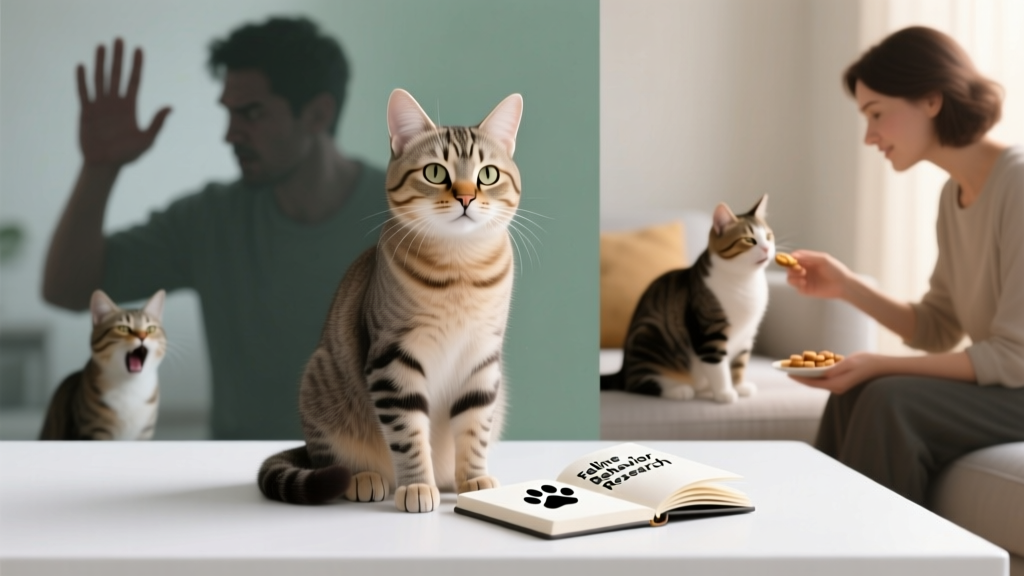
- Reward calm curiosity. If your cat approaches a new sound source calmly, offer a treat or gentle praise. You’re teaching: “Checking things out is safe.”
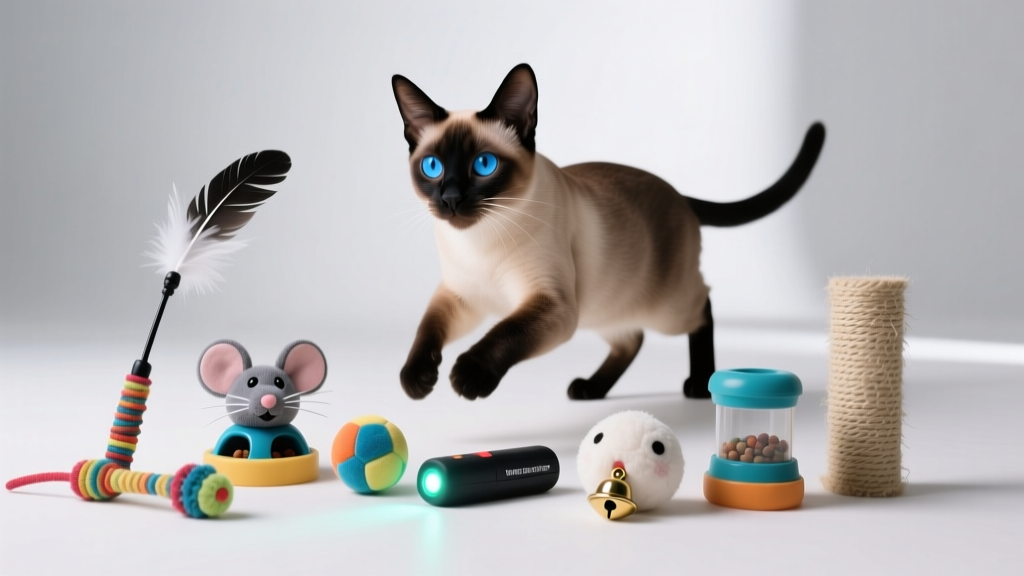
- Use sound-based enrichment. Try quiet bird sounds at low volume, or a gentle teaser toy with soft rustling. Keep sessions short and end before your cat gets overstimulated.
- Avoid prank noises. Sudden loud sounds (air horns, vacuum “surprises,” popping balloons) can create long-term sound sensitivity and anxiety.
- Introduce new appliances gradually. Let your cat sniff the turned-off vacuum first. Then run it in another room briefly, pairing the sound with treats. Slowly decrease distance over days.
- Respect their “nope.” If your cat leaves the room, that’s communication. Let them choose distance and safety.
A small mindset shift helps: the head tilt isn’t just “cute.” It’s your cat gathering information. When you respond supportively, you become part of their safety system.
Fun Facts and Research-Style Nuggets
- Cats hear higher frequencies than humans. That means many “mystery noises” to them are literally inaudible to us—so your cat may be reacting to something you can’t detect.
- Ear movement does a lot of the heavy lifting. Head tilts often appear when the sound is complex, faint, or echoey—like it’s bouncing off walls or coming through vents.
- Individual cats have different “tilt styles.” Some do a quick micro-tilt; others hold it longer. Personality and confidence can influence how boldly they investigate.
- It’s not always about confusion. Sometimes it’s precision: your cat is fine-tuning their sound map, the same way we might lean in to hear a whisper.
FAQ: Cat Head Tilt When Hearing Strange Sounds
1) Why does my cat tilt their head when I talk to them?
Often it’s focused listening. Your voice includes changing tones and rhythms, and your cat may be trying to interpret meaning or identify what you’re asking. If the rest of their body looks relaxed, it’s usually social attention and curiosity.
2) Do cats tilt their heads because they can’t hear well?
Not necessarily. Head tilts can happen in perfectly normal hearing cats as part of sound localization. If you notice other signs—like not responding to familiar noises, startling easily, or persistent tilting—it’s worth discussing with a vet.
3) Why does my cat tilt their head at the treat bag or food sounds?
That’s commonly recognition and anticipation. The tilt may be a brief “sound check” followed by the brain’s happy conclusion: snacks are involved.
4) My cat tilted their head and then ran away. What does that mean?
The sound likely triggered uncertainty or alarm. Look for “airplane ears,” a low body posture, or a tucked tail. If it happens often, consider whether there are recurring noises (construction, alarms, loud neighbors) and create a quiet retreat space.
5) When should I worry about a head tilt?
Worry when the tilt is persistent, sudden and severe, or paired with balance issues, abnormal eye movements, vomiting, or ear pain/discharge. Those combinations justify a prompt vet visit.
6) Can I train my cat to do the head tilt on command?
Some cats will tilt more during sound-based games, but it’s not a reliable “trick” like a sit. You can, however, encourage calm listening with gentle sounds and rewards—keeping it positive and low-stress.
One Last Thought
That little head tilt is your cat doing what cats have always done: collecting clues, checking the environment, and deciding what matters. When you learn to read the body language around the tilt—ears, whiskers, posture—you’ll get better at responding in a way that builds trust and confidence.
Have a cat who tilts dramatically at the tiniest sound? Or one who only does it for the treat bag, as if auditioning for a commercial? Share your cat’s head-tilt stories (and what noises trigger them) with the Cat Lovers Base community at catloversbase.com.