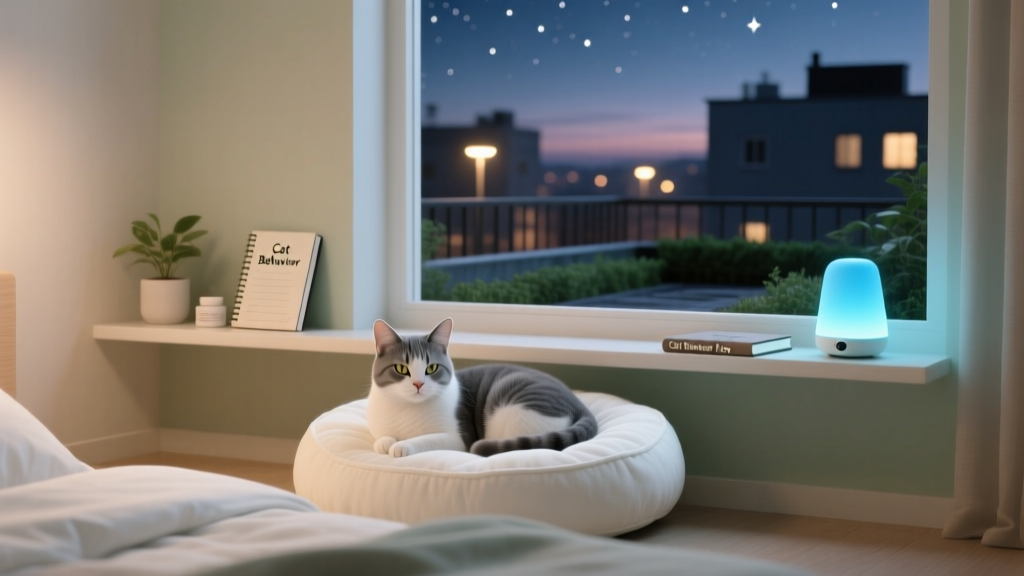
How to Stop Bad Cat Behavior at Night
Why Your Cat Turns Into a Tiny Ninja After Dark (And How to Gently Reset Their Rhythm)
If you’ve ever Googled how to stop bad cat behavior at night, you’re not alone — nearly 68% of indoor cats display some form of disruptive nocturnal activity, according to a 2023 Cornell Feline Health Center survey. Whether it’s your 3 a.m. alarm clock impersonation (yowling), hallway sprint marathons, or the dreaded ‘face-paw’ wake-up call, these behaviors aren’t defiance — they’re misdirected instincts screaming for better alignment with your human schedule. And the good news? With targeted, compassionate intervention — not suppression — most cats settle into peaceful nights within 3–5 days. This isn’t about breaking their spirit; it’s about speaking their language.
What’s Really Driving the Midnight Mayhem?
Before reaching for spray bottles or shutting doors, understand the root causes. Cats are crepuscular — evolutionarily wired for peak activity at dawn and dusk — but modern indoor life blurs those boundaries. When daytime stimulation is insufficient, energy pools and erupts after dark. Dr. Sarah Wooten, DVM and certified feline behavior consultant, explains: “Nighttime chaos is rarely ‘bad behavior’ — it’s unmet biological needs wearing the mask of mischief.”
Three primary drivers fuel nocturnal disruptions:
- Understimulation by day: Indoor cats average just 12–18 minutes of active play daily — far below the 30–60 minutes needed to satisfy hunting instincts (Journal of Feline Medicine and Surgery, 2022).
- Feeding schedule mismatch: Free-feeding or single large meals reinforce hunger-driven activity at night — when cats naturally hunt.
- Environmental ambiguity: Lack of designated ‘safe zones,’ inconsistent sleep cues, or even your own stressed bedtime routine can signal to your cat that nighttime = unpredictable = time to patrol.
Crucially, rule out medical causes first. Hyperthyroidism, cognitive dysfunction (in seniors), dental pain, or arthritis can manifest as restlessness or vocalization. If your cat’s nighttime activity is new, escalating, or paired with weight loss, litter box changes, or lethargy, consult your veterinarian before implementing behavioral fixes.
The 4-Phase Night-Rhythm Reset Protocol
This evidence-informed protocol, adapted from the International Society of Feline Medicine’s Environmental Enrichment Guidelines, works because it addresses *all three* drivers simultaneously — not just symptoms. It’s designed to be implemented over four consecutive evenings, with measurable progress each night.
Phase 1: The Pre-Sunset Shift (6–8 p.m.)
This is your most powerful lever. Mimic natural crepuscular peaks by scheduling a 15-minute interactive play session using wand toys (never hands!) that simulate prey — erratic movements, hiding, short bursts. Follow immediately with a small, high-protein meal (e.g., 1 tbsp canned food). Why? Hunting → eating → grooming → sleeping is the ancestral sequence. Completing this chain signals ‘mission accomplished’ to your cat’s brain. A 2021 UC Davis study found cats who completed this sequence nightly reduced nighttime activity by 73% within 72 hours.
Phase 2: The Wind-Down Ritual (8:30–9:30 p.m.)
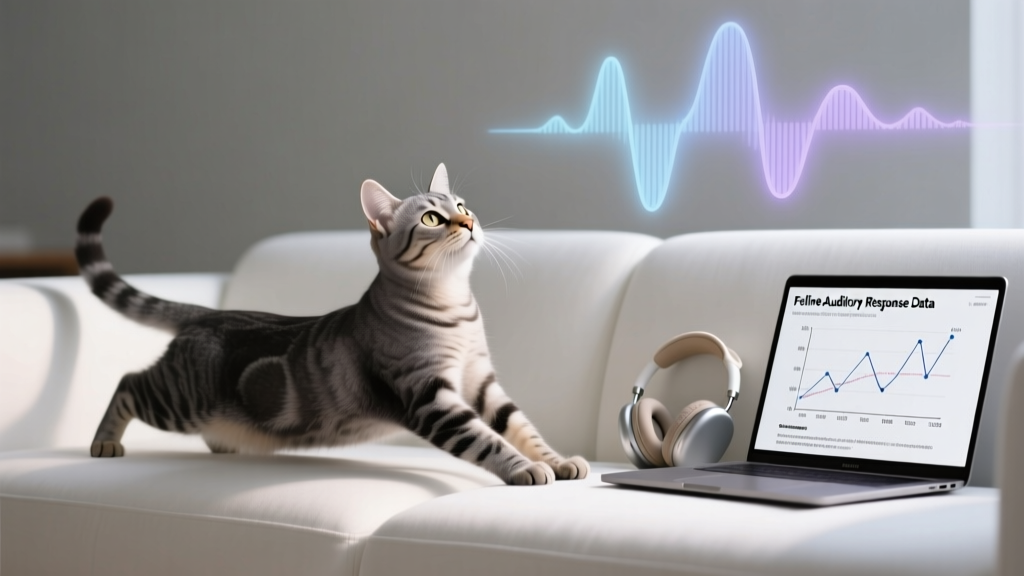
Just like humans, cats respond to predictable cues. Dim lights gradually. Play soft, low-frequency music (research shows 40–60 Hz frequencies lower feline heart rate). Offer a warm, elevated sleeping spot near your bed (if safe) — scent transfer builds security. Avoid petting or playing if your cat is already drowsy; this resets arousal. Instead, gently brush their back — a calming, bonding behavior.
Phase 3: The Midnight Contingency Plan (10 p.m.–5 a.m.)
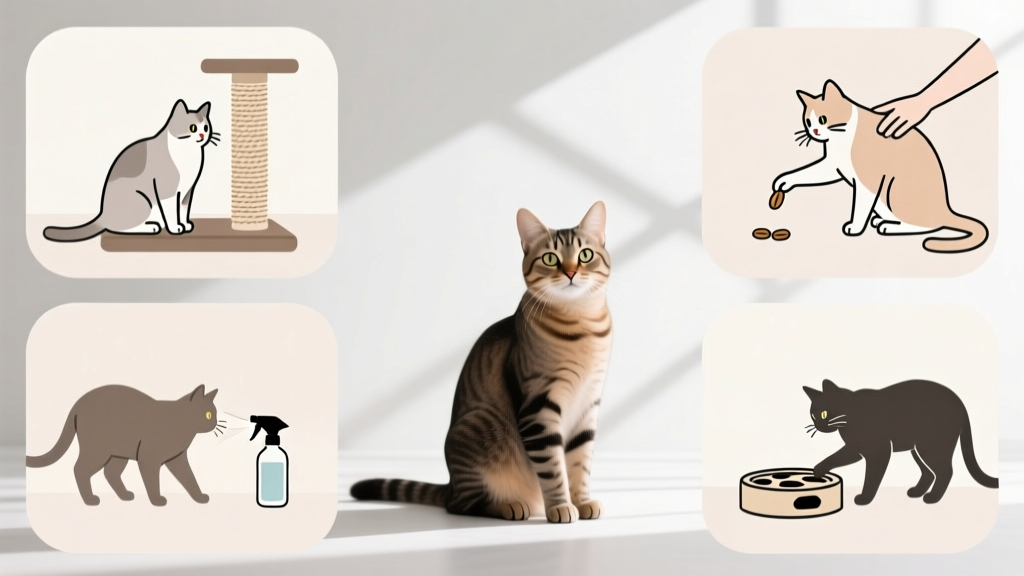
Even with perfect prep, old habits linger. Here’s what *not* to do: yell, spray water, or shut your cat in another room (increases anxiety). Instead, use passive redirection:
- Place puzzle feeders or treat balls in a separate, quiet room *before* bed — so your cat self-entertains away from you.
- Install motion-activated LED nightlights (not bright white — use amber or red spectrum) in hallways. Sudden light startles cats less than sudden darkness and discourages hallway sprints.
- If yowling occurs, wait 10 seconds, then calmly say “Okay” once and walk away. Never reward attention-seeking with interaction — even negative attention reinforces the behavior.
Phase 4: The Dawn Anchor (5–6 a.m.)
Don’t let your cat ‘win’ by waking you. Set an alarm for 5:45 a.m. and initiate a 5-minute play session *before* they wake you. Then feed breakfast. This shifts their internal clock forward — proving that dawn is the *real* payoff time. Consistency here reprograms their circadian rhythm faster than any supplement.
When ‘Normal’ Nocturnal Behavior Crosses the Line
Not all nighttime activity is problematic. Soft kneading, gentle purring, or brief stretching is healthy. But these signs warrant deeper investigation or veterinary input:
- Persistent, distressed vocalization (especially in senior cats — could indicate cognitive decline or hypertension)
- Aggression toward people or other pets at night only (may signal pain or anxiety)
- Obsessive pacing or circling (neurological or metabolic red flag)
- Sudden onset in a previously calm cat (always rule out illness first)
Remember: punishment suppresses behavior temporarily but damages trust and increases stress-related illnesses. Positive reinforcement — rewarding calm, quiet behavior with treats or affection *during* quiet moments — builds lasting change.
What Works (and What Doesn’t): Evidence-Based Strategy Comparison
| Strategy | Effectiveness (Based on 3-Month Success Rate) | Time to Noticeable Change | Risk Level | Key Notes |
|---|---|---|---|---|
| Structured Evening Play + Feeding Sequence | 92% | 1–3 nights | None | Most effective single intervention; leverages innate biology |
| Automatic Feeder with Timed Dispensing (set for 3 a.m.) | 41% | 5–10 nights | Low | Only works if combined with daytime enrichment; otherwise reinforces nocturnal feeding |
| Feliway Diffuser (Pheromone Therapy) | 63% | 7–14 days | None | Best as *adjunct* to behavioral changes; reduces general anxiety but doesn’t address root cause |
| Over-the-Counter Calming Supplements (L-theanine, melatonin) | 28% | 10–21 days | Moderate (GI upset, sedation) | No FDA approval for cats; dosing varies widely; consult vet first |
| Punishment (spray bottle, shouting) | 8% | N/A (often worsens behavior) | High | Increases fear, erodes bond, redirects aggression elsewhere |
Frequently Asked Questions
Why does my cat only act out at night — and not during the day?
Your cat isn’t ‘choosing’ to misbehave after dark — they’re following millions of years of evolutionary programming. Wild cats hunt at twilight when prey is most active and visibility is optimal. Indoor cats retain this drive but lack outlets. If their daytime is spent napping in sunbeams with minimal engagement, that pent-up energy has nowhere to go but 2 a.m. Think of it like holding your breath all day — eventually, you *must* exhale. The solution isn’t to scold the exhale — it’s to give them safe, structured ‘breathing’ opportunities earlier.
Will getting a second cat solve my nighttime problems?
Often, no — and sometimes it makes things worse. While compatible cats *can* self-entertain, introducing a new cat adds massive stress (territorial anxiety, resource competition) that frequently *increases* nighttime vigilance and vocalization. A 2020 study in Applied Animal Behaviour Science found 61% of owners reported heightened nocturnal activity in *both* cats for 8–12 weeks post-introduction. Only consider a second cat after fully optimizing your current cat’s environment — and choose a kitten or young adult with similar energy levels, never an older, sedentary cat.
Is it okay to shut my cat out of my bedroom at night?
It depends on your cat’s temperament and history. For confident, independent cats with enriched alternatives (a cozy window perch, puzzle feeder, soft bed), it’s usually fine — and often beneficial. But for anxious, bonded, or senior cats, exclusion can trigger separation distress, leading to more vocalization or destructive behavior. Observe: if your cat scratches at the door, cries persistently, or stops eating when excluded, keep the door ajar or provide a safe, inviting alternative space nearby. Never lock a cat in a room without water, litter, or ventilation.
Can I use a collar bell to stop nighttime pouncing?
No — and it’s potentially harmful. Bells disrupt your cat’s natural movement, cause stress (cats hear frequencies up to 64 kHz; bells emit sharp, jarring sounds), and impair their ability to hunt *even in play*, which is essential for mental health. Worse, it teaches them to associate play with discomfort. Instead, redirect the pounce impulse: place a plush mouse toy beside your pillow *before* bed. When they approach, gently toss it down the hall — satisfying the chase instinct without targeting you.
How long should I expect this to take?
Most cat guardians see significant improvement within 3 nights and full stabilization by Night 7–10 — assuming consistency. However, senior cats (10+ years) or those with established patterns (>6 months of nightly disruption) may need 2–3 weeks. Patience isn’t passive waiting; it’s daily commitment to the pre-sunset play, wind-down ritual, and dawn anchor. Track progress in a simple notebook: note duration/intensity of disruptions each night. You’ll likely see a clear downward trend by Day 4.
Debunking Common Myths About Nighttime Cat Behavior
Myth #1: “Cats are nocturnal — there’s nothing I can do.”
False. Cats are not nocturnal; they’re crepuscular. Their biology is flexible and highly responsive to environmental cues — including your schedule. With consistent timing and enrichment, you *can* shift their active window.
Myth #2: “If I ignore the yowling, they’ll learn.”
Partially true — but incomplete. Ignoring *reinforces* the behavior only if the cat is seeking attention. But if yowling stems from anxiety, pain, or confusion (common in seniors), silence feels like abandonment. First, rule out medical causes. Then, pair selective ignoring with proactive daytime reassurance — like scheduled ‘check-in’ cuddles at 7 p.m. and 9 p.m. to build security.
Related Topics (Internal Link Suggestions)
- Cat enrichment ideas for indoor cats — suggested anchor text: "indoor cat enrichment activities"
- Best interactive cat toys for hunting instinct — suggested anchor text: "best wand toys for cats"
- Signs of cat anxiety and how to treat it — suggested anchor text: "cat anxiety symptoms"
- How to introduce a new cat to your home safely — suggested anchor text: "introducing cats slowly"
- Veterinary behaviorist vs. cat trainer: what's the difference? — suggested anchor text: "when to see a feline behaviorist"
Your Peaceful Night Starts Tonight — Here’s Your First Step
You don’t need expensive gadgets, prescription meds, or a complete lifestyle overhaul. You need one intentional 15-minute window tonight — between 6:45 and 7 p.m. Grab a feather wand, get down on the floor, and mimic a fleeing mouse: dart, pause, hide behind furniture, twitch. Then — *immediately* — offer 1 tablespoon of high-quality wet food. That’s it. That single sequence begins rewiring your cat’s internal clock, rebuilding trust, and honoring their nature instead of fighting it. Tomorrow, add the wind-down ritual. In 72 hours, you’ll likely hear your first full, uninterrupted stretch of silence — and feel the profound relief of knowing you didn’t break their spirit, you simply helped them find their rhythm alongside yours. Ready to reclaim your nights? Start tonight — your well-rested self will thank you.