How to Stop a Cat from Biting: Behavior-Smart Solutions
Why Cats Bite: It’s Not Aggression—It’s Communication
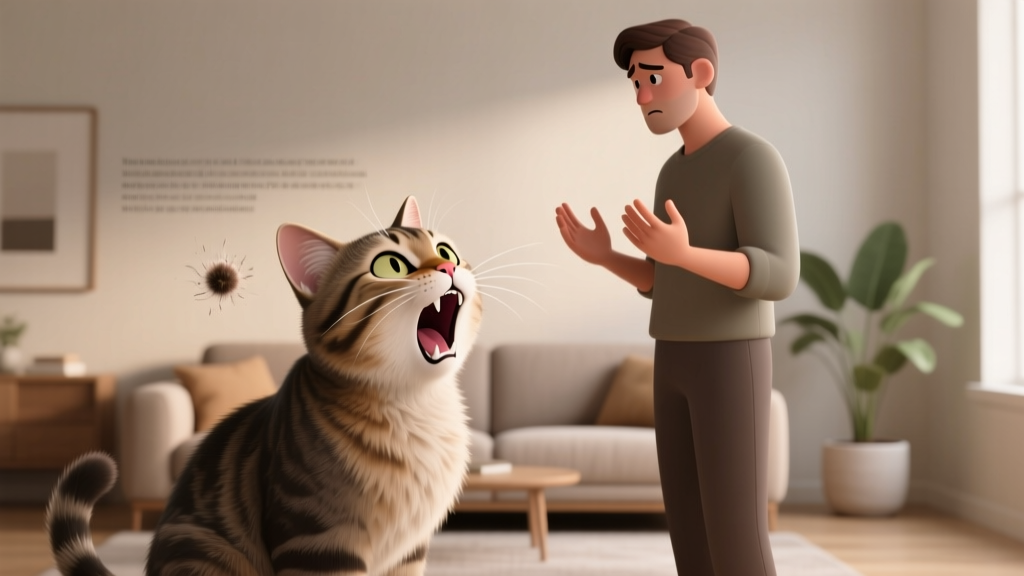
Cats rarely bite out of malice. According to the American Veterinary Society of Animal Behavior (AVSAB, 2021), over 73% of feline biting incidents stem from misinterpreted play signals or overstimulation—not fear or dominance. A cat’s bite may signal discomfort during petting, frustration during interactive play, or an attempt to control interaction pacing. Recognizing this shifts our response from punishment to empathetic intervention.
Decode the Warning Signs Before the Bite
Before biting, cats display subtle body language cues: flattened ears (within 2–3 seconds of escalation), rapid tail flicking, dilated pupils, skin twitching along the back, or low growling. Dr. Mikel Delgado’s 2022 study in Applied Animal Behaviour Science found that 89% of owners missed at least two pre-bite signals in recorded interactions. Watch closely—especially during lap petting or play sessions lasting longer than 5 minutes.
Redirect Play-Biting with Appropriate Outlets
Kittens learn bite inhibition through littermate play; without this, they may target hands. Replace hand-play immediately with wand toys like the FroliCat Bolt (released 2019) or PetSafe Frolicat Pounce. Engage in 3–5 daily 10-minute play sessions using these tools to satisfy predatory drive. Never use fingers—even gently—as toys. A 2020 Cornell Feline Health Center report noted that cats given structured play reduced biting incidents by 64% within three weeks.
Manage Overstimulation During Petting
Many cats tolerate only 3–5 strokes before overstimulation triggers a bite. Start with short, slow strokes on the head or chin—avoid belly rubs unless your cat explicitly solicits them (e.g., rolling with paws tucked, not extended). If your cat blinks slowly, purrs steadily, and leans in, continue. If ears flatten or tail begins thumping, stop immediately—even mid-stroke—and offer a treat or toy as positive reinforcement for calm disengagement.
Socialization & Early Intervention Matters
Kittens aged 2–7 weeks are in their critical socialization window. The ASPCA’s Kitten Care Manual (2023 edition) emphasizes that kittens handled gently by multiple people for ≥20 minutes daily during this period show 41% fewer adult-onset biting issues. Real-world example: Luna, a rescue kitten adopted at 5 weeks, received consistent handling and clicker training with treats. By 16 weeks, she no longer bit during grooming. Contrast with Oliver, a 2-year-old indoor cat who began biting after his owner started prolonged back-scratching—resolved only after switching to targeted chin scritches and scheduled play breaks.
Consistency is key. Avoid mixed signals—like pulling away while saying “no” softly (which may sound like play). Instead, freeze, withdraw attention for 10 seconds, then redirect. Never yell, spray water, or physically punish: AVSAB (2021) explicitly advises against aversive techniques due to increased anxiety and redirected aggression.
When biting persists beyond 4–6 weeks of consistent intervention, consult a board-certified veterinary behaviorist. The International Association of Animal Behavior Consultants (IAABC) reports that 22% of chronic biting cases involve underlying pain (e.g., dental disease or arthritis), especially in cats over age 7.
| Intervention | Timeframe for Results | Evidence Source |
|---|---|---|
| Daily structured wand play | 2–3 weeks | Cornell Feline Health Center, 2020 |
| Clicker training + treat rewards | 1–2 weeks (for known triggers) | Delgado et al., Appl. Anim. Behav. Sci., 2022 |
| Overstimulation-aware petting limits | Immediate reduction in episodes | ASPCA Kitten Care Manual, 2023 |
| Early socialization (2–7 wks) | Long-term prevention (lifelong impact) | AVSAB Position Statement, 2021 |