Why 'How to Punish My Cat for Bad Behavior' Is the Wrong...
Why 'How to Punish My Cat for Bad Behavior' Is the Wrong Question — And What Actually Works
If you’ve ever typed how to punish my cat for bad behavior into a search bar—frustrated after shredded curtains, midnight zoomies, or a litter box avoided for three days—you’re not alone. But here’s what every certified feline behaviorist and veterinary behavior specialist agrees on: punishment doesn’t fix the problem—it hides it, escalates stress, and often makes things far worse. In fact, a landmark 2022 study published in Journal of Veterinary Behavior found that cats subjected to punishment (yelling, spray bottles, physical corrections) were 3.7× more likely to develop chronic anxiety disorders and 2.9× more likely to redirect aggression toward humans or other pets within 6 weeks. This isn’t about permissiveness—it’s about understanding that cats don’t misbehave out of spite or defiance. They communicate unmet needs through action. So let’s reframe the question: not how to punish, but what is my cat trying to tell me—and how do I respond with clarity, consistency, and compassion?
The Science Behind Why Punishment Fails (Every Time)
Cats operate on associative learning—not moral reasoning. Their brains don’t link your angry voice or a squirt of water to ‘scratching the couch’ seconds earlier. Instead, they associate punishment with you, the location, or even unrelated stimuli present at the time (e.g., the sound of your footsteps, the sight of your phone). Dr. Sarah Hargreaves, DACVB (Diplomate of the American College of Veterinary Behavior), explains: “Cats lack the cognitive capacity to understand delayed consequences or abstract concepts like ‘right’ and ‘wrong.’ What they learn from punishment is fear—not cause-and-effect.”
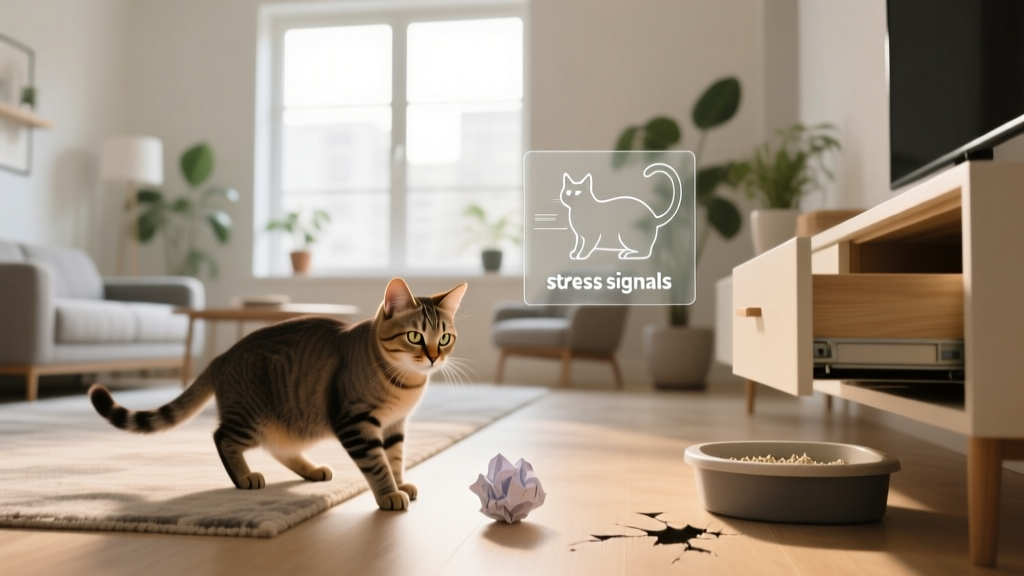
Worse, punishment triggers the amygdala-driven fight-flight-freeze response. A cat who swats when startled may escalate to biting if cornered. One who avoids the litter box due to urinary discomfort may begin urinating on your bed—a high-value, scent-rich surface—to signal distress. Punishment doesn’t eliminate behavior; it suppresses it temporarily while amplifying the underlying driver: pain, fear, boredom, or environmental stress.
Real-world example: Luna, a 3-year-old rescue Siamese, began urine-marking doorframes after her owner started using a water spray bottle when she jumped on countertops. Within two weeks, marking spread to laundry piles and pillows. A veterinary exam revealed early-stage interstitial cystitis—a painful bladder condition exacerbated by stress. Once treated medically and paired with environmental enrichment (vertical space, pheromone diffusers, scheduled play), marking ceased in 11 days. The ‘bad behavior’ wasn’t disobedience—it was a cry for help.
5 Evidence-Based Alternatives That Actually Work
Forget correction—focus on communication, redirection, and environmental design. These five strategies are validated by peer-reviewed research, clinical case studies, and decades of applied ethology (the science of animal behavior).
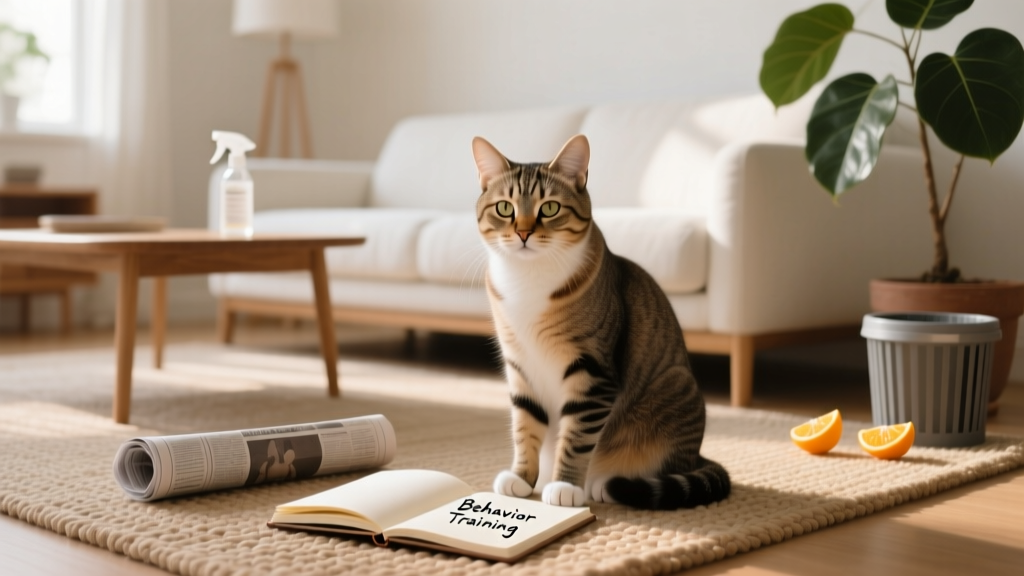
- Identify & Remove the Trigger: Before reacting, ask: What happened right before the behavior? What changed in the environment? Was there a new pet, visitor, loud noise, or routine shift? Cats are exquisitely sensitive to subtle shifts. A neighbor’s new dog barking outside may trigger territorial spraying. A change in litter brand can cause aversion. Keep a 7-day behavior log: time, location, antecedent (what preceded it), behavior, consequence (your reaction). Patterns emerge fast.
- Redirect, Don’t Repress: When your cat scratches furniture, don’t shout—immediately offer an appealing alternative: a sisal post placed next to the couch, sprinkled with catnip and topped with a dangling feather toy. Reward engagement with gentle praise and a treat while they’re using it. Timing matters: reward must occur within 1–2 seconds of the desired action.
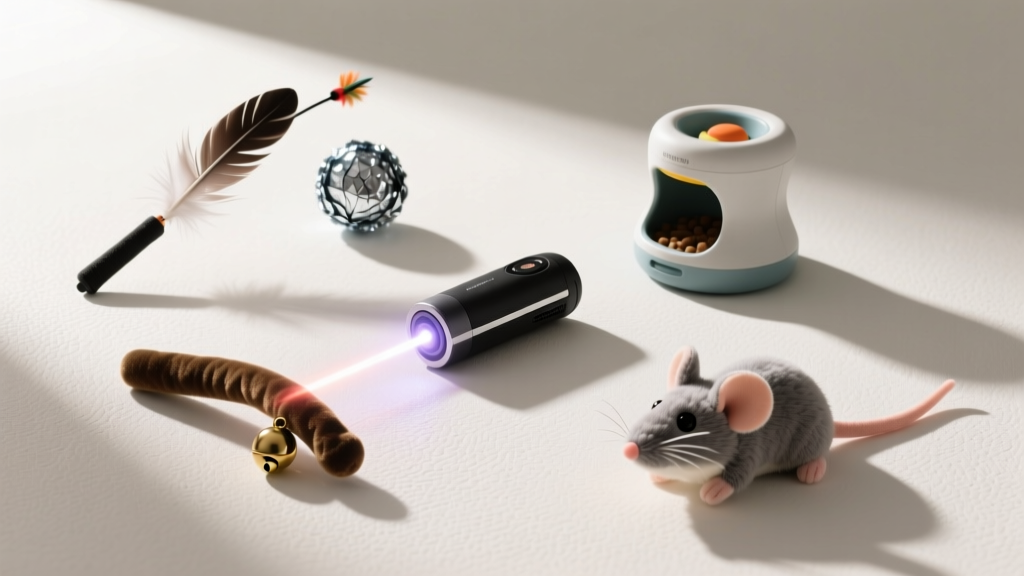
- Enrich the Environment—Not Just the Diet: Indoor cats need 3–4 hours of daily mental/physical engagement—broken into 10–15 minute bursts. This isn’t optional; it’s biological necessity. Understimulation causes redirected aggression, overgrooming, and destructive chewing. Rotate toys weekly, hide kibble in puzzle feeders, install window perches overlooking bird feeders, and use timed laser pointers (always end with a tangible ‘kill’—a treat or toy—to prevent frustration).
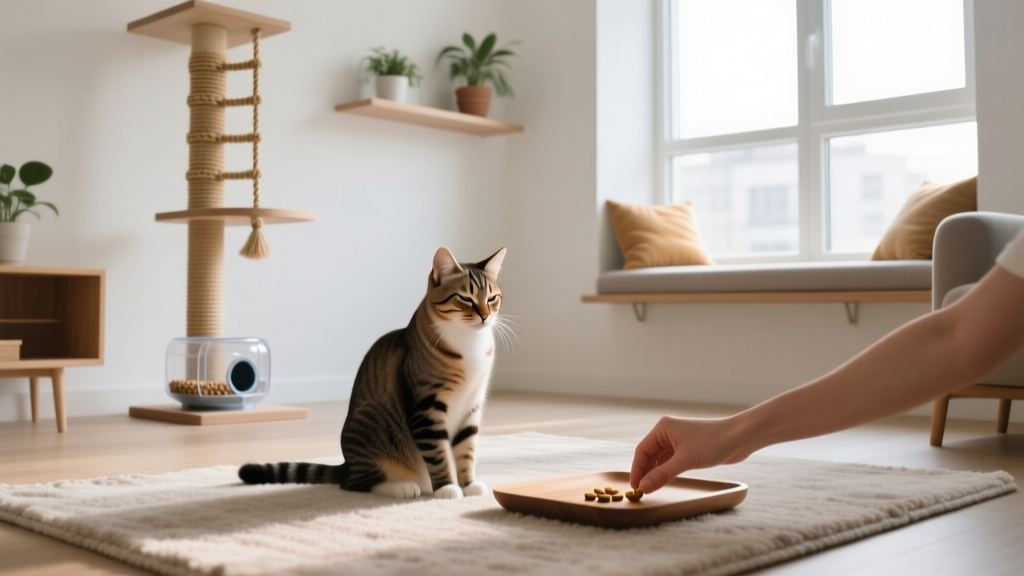
- Use Positive Reinforcement Strategically: Reward what you want, not just what you don’t want. If your cat sits calmly while you cook instead of begging, toss a treat without breaking eye contact. If they use the scratching post instead of your armrest, click (or say “yes!”) and deliver a high-value treat (freeze-dried chicken > kibble). Consistency beats intensity: 3x/day for 1 minute is more effective than one 10-minute session.
- Consult Professionals Early—Not as a Last Resort: If behavior persists beyond 2–3 weeks despite consistent environmental adjustments, rule out medical causes first. Then seek a certified cat behavior consultant (IAABC or CCPDT credential) or board-certified veterinary behaviorist (DACVB). These specialists conduct functional assessments—not guesswork—and build custom plans. Most offer remote video consultations starting at $120–$250 (often covered partially by pet insurance).
When ‘Bad Behavior’ Is Really a Medical Red Flag
Up to 40% of so-called behavioral issues in cats have underlying medical roots—especially in senior cats or those with sudden onset. According to the American Association of Feline Practitioners (AAFP), common culprits include:
- Arthritis: Causes reluctance to jump into litter boxes with high sides → inappropriate elimination
- Dental disease: Leads to food guarding, aggression when handled near mouth, or dropping food
- Hypertension or hyperthyroidism: Triggers restlessness, vocalization at night, and irritability
- Cognitive dysfunction syndrome (feline dementia): Causes disorientation, staring into corners, forgetting litter box location
- Urinary tract infections or stones: Results in frequent, painful urination attempts, blood in urine, or urinating outside the box
Rule-out protocol: Any new or worsening behavior warrants a full veterinary workup—including bloodwork, urinalysis, blood pressure check, and dental exam. Never assume it’s ‘just behavioral.’ As Dr. Tony Buffington, DVM, PhD and pioneer of the ‘Indoor Pet Initiative,’ states: “A cat doesn’t choose to pee on your pillow. It chooses the safest, most accessible place to relieve itself when something hurts—or when its world feels dangerously unpredictable.”
What to Do *Right Now*: A Step-by-Step Response Framework
When unwanted behavior occurs, pause. Breathe. Then follow this 4-step framework—designed for real-time application:
| Step | Action | Why It Works | Time Required |
|---|---|---|---|
| 1. Pause & Observe | Stop all movement. Count silently to 5. Note body language (dilated pupils? flattened ears? tail flicks?), environment (open window? dog barking?), and timing (post-meal? pre-storm?) | Prevents reactive escalation; builds your observational muscle—the #1 skill of successful cat guardianship | 5–10 seconds |
| 2. Interrupt Gently | Use a neutral sound (a soft “psst” or clap behind you—not at the cat) or toss a soft toy *away* from the target (e.g., throw a plush mouse across the room to break focus from the curtain) | Startles without threatening—activates orienting reflex, not fear. Avoids associating you with punishment | 2–3 seconds |
| 3. Redirect & Reward | Guide to appropriate outlet: lead to scratching post, open a puzzle feeder, or initiate play with a wand toy. Deliver treat or praise *during* the replacement behavior | Builds new neural pathways: ‘Scratching post = good things happen.’ Strengthens your relationship as a source of safety and reward | 30–60 seconds |
| 4. Prevent Recurrence | Modify environment *within 24 hours*: cover furniture with double-sided tape, add vertical space, install motion-activated deterrents (e.g., SSSCAT spray—uses compressed air, not chemicals), or adjust feeding schedule to reduce hunger-driven attention-seeking | Removes opportunity + reduces motivation = sustainable long-term change. Addresses root cause, not symptom | 10–20 minutes |
Frequently Asked Questions
Can I use a spray bottle to stop my cat from jumping on counters?
No—and here’s why: Spray bottles teach cats to avoid you or the kitchen, not countertops. In controlled studies, cats exposed to spray bottles showed increased hiding, reduced interaction, and elevated cortisol (stress hormone) levels for up to 48 hours post-spray. Instead, make counters unappealing (place aluminum foil or plastic carpet runners, nubby-side up) and provide equally rewarding alternatives—like a dedicated ‘counter perch’ with a view and treats delivered there during calm moments.
My cat bites me when I pet them—does that mean they don’t love me?
Not at all. This is almost always ‘petting-induced aggression’—a sensory overload response. Cats have finite tolerance thresholds for touch, especially around the base of the tail, belly, or hind legs. Watch for early warning signs: tail thumping, skin twitching, flattened ears, or slow blinking cessation. Stop petting *before* the bite—not after. Use interactive play (not hands!) to burn energy, then offer gentle strokes only on the head and cheeks for 5–10 seconds max. Over time, gradually increase duration as trust builds.
Will ignoring bad behavior make it worse?
It depends. Ignoring *attention-seeking* behaviors (meowing incessantly at 4 a.m., pawing at your face) works—if you’re 100% consistent and pair it with enriching daytime routines. But ignoring *fear-based* or *pain-driven* behaviors (hissing at visitors, eliminating outside the box) is dangerous. Those signals demand investigation—not dismissal. Ask: Is this behavior getting my cat something it wants (food, access, attention)? Or is it protecting them from something they fear (a person, noise, pain)? Your response must match the function.
Are clicker training and treats effective for adult cats?
Absolutely—and research confirms it. A 2021 University of Lincoln study found that cats aged 2–12 years learned novel behaviors (like targeting a stick or entering a carrier) 68% faster with clicker + treat pairing versus verbal praise alone. Start with low-distraction environments, use high-value rewards (tuna paste, chicken slivers), and keep sessions under 90 seconds. Patience pays: most cats engage meaningfully within 5–7 days.
What’s the fastest way to stop my cat from scratching furniture?
There’s no ‘fast’ fix—but the most effective 72-hour plan is: (1) Cover scratched areas with double-sided tape or aluminum foil for immediate deterrence; (2) Place sturdy, upright scratching posts (9+ inches tall) beside every piece of furniture they target, rubbing with catnip and attaching dangling toys; (3) Play with them vigorously for 15 minutes twice daily, ending with a ‘hunt’ where they ‘catch’ a treat hidden in a cardboard box. Consistency for 2 weeks typically yields >90% reduction.
Common Myths About Cat Discipline
Myth #1: “Cats need to know who’s boss.”
False. Cats are solitary hunters—not pack animals. They respond to predictability, safety, and resource control—not dominance hierarchies. Forcing submission (holding down, staring down, scruffing) triggers acute stress and erodes trust.
Myth #2: “If I don’t punish, my cat will walk all over me.”
Also false. Boundaries are set through environmental design and positive reinforcement—not intimidation. A cat who reliably uses a scratching post, comes when called for treats, and settles on their own bed does so because it’s rewarding—not because they fear consequences.
Related Topics (Internal Link Suggestions)
- Understanding Cat Body Language — suggested anchor text: "cat tail positions and ear signals"
- Best Scratching Posts for Destructive Cats — suggested anchor text: "top-rated sisal and cardboard scratchers"
- How to Introduce a New Cat Without Aggression — suggested anchor text: "step-by-step feline introduction guide"
- Signs of Anxiety in Cats and How to Help — suggested anchor text: "silent stress signals in indoor cats"
- Veterinary Behaviorist vs. Cat Trainer: What’s the Difference? — suggested anchor text: "when to call a DACVB specialist"
Conclusion & Your Next Step
So—how to punish my cat for bad behavior? You don’t. Not if you value their well-being, your peace of mind, or the profound, quiet bond that makes cats such irreplaceable companions. Punishment is a dead end. But understanding, observation, and compassionate intervention? That’s where transformation begins. Your next step isn’t buying a spray bottle—it’s grabbing a notebook and logging one behavior for 48 hours. Notice patterns. Ask ‘what need is unmet?’ Then choose one strategy from this article to implement tomorrow: maybe adding a window perch, swapping litter brands, or scheduling two 5-minute play sessions. Small, science-backed actions compound. Within weeks, you’ll see less ‘bad behavior’—and more purring, kneading, and slow blinks. Because when cats feel safe, understood, and enriched, they don’t need punishing. They simply thrive.