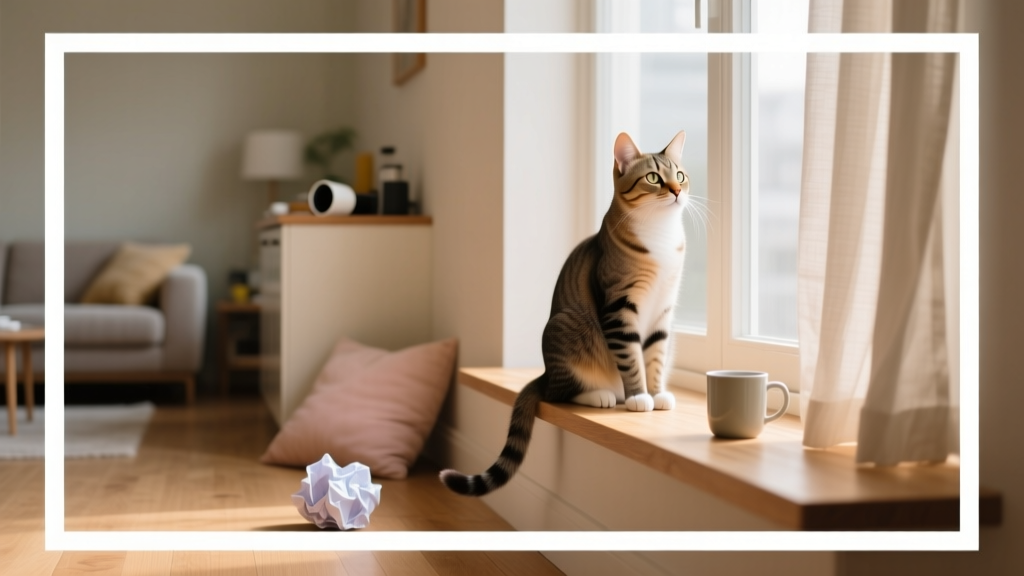
How to Interpret Cat Behavior for Indoor Cats
Why Understanding Your Indoor Cat’s Behavior Isn’t Optional—It’s Essential
If you’ve ever wondered how to interpret cat behavior for indoor cats, you’re not overthinking—you’re paying attention to one of the most critical aspects of feline well-being. Indoor cats live in a world designed by humans: limited territory, artificial lighting, scheduled feeding, and no natural outlets for hunting or territorial patrol. Without the ability to express instinctive behaviors freely, they communicate distress, boredom, anxiety, or unmet needs through subtle, often misread signals. Misinterpreting a slow blink as indifference—or mistaking tail-twitching for playfulness instead of rising frustration—can lead to chronic stress, litter box avoidance, redirected aggression, or even urinary tract issues. In fact, a 2023 study published in Frontiers in Veterinary Science found that 68% of behavior-related veterinary consults for indoor cats stemmed from owners misreading early stress indicators. This guide cuts through the guesswork with science-backed decoding, real-life case studies, and actionable frameworks you can apply today.
Decoding the Silent Language: Body Language Beyond the Obvious
Cats don’t speak English—but they broadcast constantly through posture, ear position, pupil dilation, and micro-expressions. The problem? Many signals contradict human intuition. A ‘relaxed’ cat isn’t always relaxed—and a ‘playful’ pounce may be a cry for environmental enrichment.
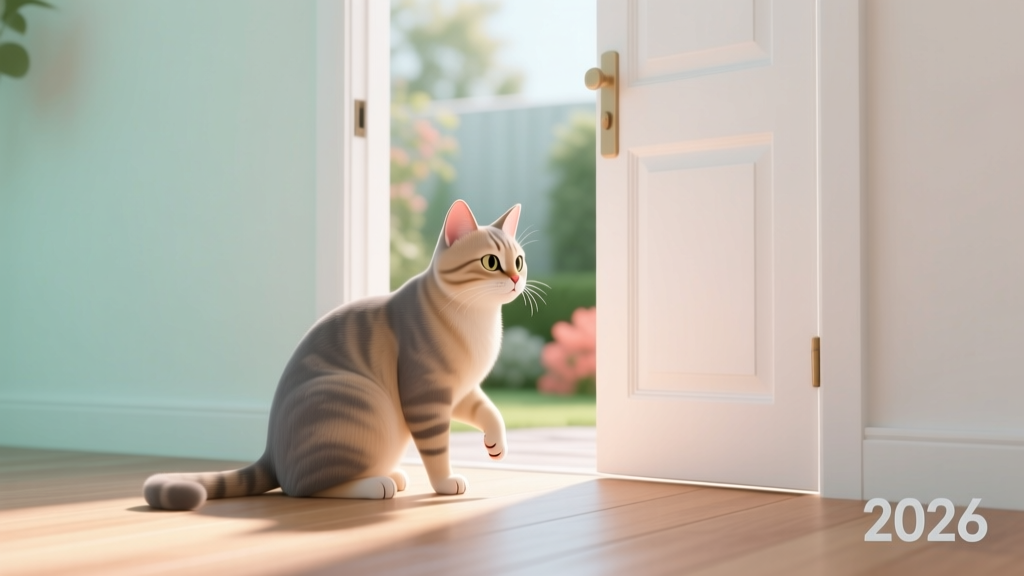
Take tail language: Most assume a raised tail means happiness. While true in greeting contexts, a stiffly vertical tail with a slight quiver often signals intense arousal—not joy, but focused anticipation (e.g., before stalking a toy or reacting to an unseen stimulus outside the window). Conversely, a gently swaying tail tip while sitting indicates calm curiosity; a rapid, whip-like flick is a clear ‘back off’ warning.
Ears tell an even richer story. Forward-facing ears signal engagement—but if they’re slightly tilted forward with tension around the eyes, your cat may be assessing a potential threat. Flattened ears aren’t just ‘angry’; they indicate acute fear or pain. And those half-back ‘airplane ears’? Often overlooked, this position signals low-grade anxiety—common in multi-cat homes where resources are unevenly distributed or when new furniture rearranges scent maps.
Dr. Sarah Lin, DVM and certified feline behavior consultant with the International Association of Animal Behavior Consultants (IAABC), emphasizes: “Cats rarely escalate to hissing or swatting without giving at least three earlier, subtler warnings—like lip licking, sudden grooming, or turning their head away. If you’re only noticing the ‘big’ signals, you’ve missed the first chapter of their story.”
Vocalizations: What Your Cat Is Really Saying (and What They’re Not)
Indoor cats vocalize far more than outdoor or feral cats—because they’ve learned it works with humans. But each meow, chirp, trill, or yowl carries distinct intent, shaped by context and history.
- Short, high-pitched meows at the food bowl: A learned request—not hunger per se, but a conditioned cue for routine. Studies show cats adjust pitch and duration based on owner responsiveness (University of Sussex, 2021).
- Chirps/chatters at windows: Often mislabeled as ‘frustration,’ but research using infrared thermography reveals these sounds correlate with elevated brain activity in predatory centers—not agitation, but intense, focused motivation. It’s not ‘I’m mad I can’t hunt’—it’s ‘My neurology is fully online and ready.’
- Long, low-pitched yowls at night: Especially in senior cats, this may indicate cognitive dysfunction syndrome (feline dementia) or hypertension. A 2022 Cornell Feline Health Center review found nocturnal vocalization was the #1 presenting sign in cats later diagnosed with systolic blood pressure >180 mmHg.
- Purring: Not always comfort. Cats purr during labor, injury recovery, and even euthanasia. The 25–150 Hz frequency range has documented tissue-regeneration properties—but also serves as a self-soothing mechanism during stress. If purring occurs alongside flattened ears, dilated pupils, or tucked legs, it’s likely a coping strategy, not contentment.
Pro tip: Record your cat’s vocalizations for 3 days alongside timestamps and observed context (e.g., ‘7:03 a.m., standing at bedroom door, tail upright, soft meow’). Patterns emerge fast—and you’ll spot mismatches between sound and body language that reveal underlying needs.
The Hidden Rhythms: Sleep, Territory & Routine as Behavioral Clues
Indoor cats operate on a polyphasic sleep cycle—15–20 naps per day, each lasting 15–30 minutes. But changes in nap location, duration, or depth are powerful diagnostic tools. A cat who suddenly sleeps exclusively in high, hidden places (top of bookshelves, inside closets) may be avoiding perceived threats—a new pet, remodeling noise, or even persistent odors (like laundry detergent residue on bedding). Conversely, excessive sleeping (>20 hrs/day) combined with reduced grooming can signal pain, depression, or systemic illness.
Territorial behavior is equally revealing. Indoor cats establish ‘safe zones’—not just beds, but specific sunbeams, cardboard boxes, or even the space under your desk chair. When a cat begins urine-marking *only* near doors or windows, it’s rarely ‘spite’—it’s scent-based boundary reinforcement triggered by outdoor cats visible through glass. Dr. Lin notes: “Cats don’t mark because they’re ‘mad at you.’ They mark because their sense of security is compromised—and they’re trying to reassert control over sensory input they can’t escape.”
Routine is non-negotiable. Cats thrive on predictability: same feeding time, same litter box cleaning schedule, same play session duration. Deviations—even minor ones like switching brands of litter or moving the scratching post—can trigger stress-induced cystitis within 48–72 hours in predisposed individuals. A case study from the UC Davis Veterinary Medical Teaching Hospital tracked 12 indoor cats with recurrent lower urinary tract disease; 9 showed symptom onset within 2 days of household changes (new roommate, construction noise, or even a change in owner’s work-from-home schedule).
Interpreting Context: The 3-Point Framework That Prevents Misreads
Never interpret a single behavior in isolation. Use this evidence-based triad:
- What’s happening in the environment? (e.g., construction noise, new pet, seasonal light shifts)
- What’s your cat’s baseline? (e.g., Does she usually nap on your lap? Now she’s hiding under the bed.)
- What other signals accompany it? (e.g., Tail flick + flattened ears + lip licking = escalating stress—not ‘playful energy’)
This framework transformed how Maya, a Portland-based cat guardian, understood her 4-year-old rescue, Jasper. He’d begun knocking items off her desk daily. Initial assumption: ‘boredom.’ But applying the triad revealed: (1) Her home office now faced a neighbor’s bird feeder, (2) Jasper previously ignored windows, and (3) His knocking always followed intense staring + tail-tip twitching + rapid blinking. She installed opaque window film—knocking stopped in 48 hours. No training, no punishment—just accurate interpretation.
| Behavior Observed | Most Likely Meaning (Indoor Context) | Action to Take Within 24 Hours | Red Flag If Present After 3 Days |
|---|---|---|---|
| Excessive licking/grooming (especially belly/legs) | Stress-induced displacement behavior or early-stage dermatitis | Assess recent changes (litter, cleaner, new person); add vertical space (cat tree) | Visible hair loss, skin redness, or sores |
| Scratching outside litter box | Litter aversion (texture, scent, depth) or box placement issue | Offer 2nd box with unscented, clumping litter in quiet location | Urination/defecation outside box OR blood in urine |
| Sudden hiding for >12 hrs/day | Acute pain, fear response, or environmental stressor | Check for new smells/noises; offer covered hidey-hole with familiar blanket | No eating/drinking, lethargy, or vocalizing while hidden |
| Aggression toward owner’s hands/feet | Overstimulation during petting or redirected prey drive | End petting before tail flicks begin; initiate structured play sessions pre-dawn & dusk | Bites break skin, growling precedes all contact, or attacks occur without triggers |
| Staring blankly at walls/windows for >5 mins | Visual stimulation (insects, shadows) or early cognitive decline (senior cats) | Provide interactive wand toys; for cats >10 yrs, schedule vet wellness check | Disorientation, getting stuck in corners, or forgetting litter box location |
Frequently Asked Questions
Why does my indoor cat knead me but not my partner?
Kneading is a neonatal behavior linked to nursing—it releases oxytocin and signals safety. Your cat likely associates your scent, voice, or touch patterns with deep security. It’s not rejection; it’s neurochemical specificity. Try having your partner sit quietly beside you while you stroke the cat—over time, the positive association may transfer.
Is it normal for my cat to ‘gift’ me dead bugs or toys?
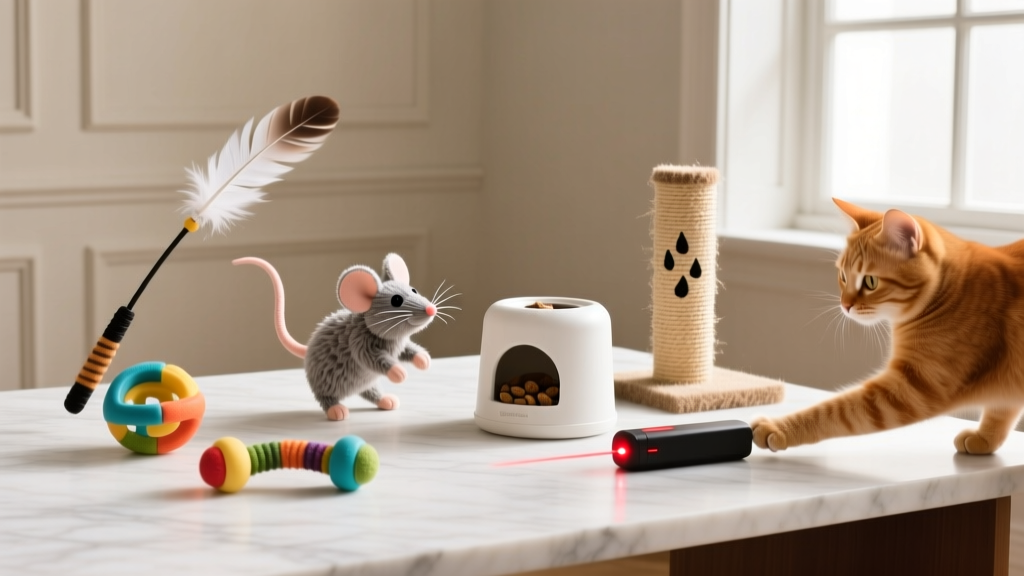
Absolutely—and it’s a high-compliment. In feral colonies, kittens receive ‘tutoring’ hunts from mothers. Your cat views you as part of their social group and is practicing teaching behavior. Redirect with play: when they drop a bug, immediately engage with a feather wand to simulate the ‘hunt-catch-consume’ sequence.
My cat stares at me silently for minutes. Should I worry?
Not if accompanied by slow blinks, relaxed posture, and normal routine. This is often ‘social gazing’—a trust signal. However, if staring coincides with dilated pupils, rigid posture, or occurs after environmental changes (e.g., new baby), monitor for other stress signs. Chronic silent staring without blinking can indicate anxiety or vision changes.
Does my cat know I love them?
Yes—but not in human terms. Cats recognize your voice, scent, and routine as sources of safety. They reciprocate through proximity, head-butting (bunting), and allogrooming. Research from the University of Lincoln (2020) confirmed cats form secure attachments to caregivers—measured by reduced stress vocalizations when reunited after separation.
How long does it take to learn my cat’s unique ‘language’?
Most guardians identify consistent patterns within 2–3 weeks of dedicated observation. Keep a simple log: date/time, behavior, location, environment, your action, cat’s response. By week 4, you’ll spot cause-effect links with >80% accuracy. Consistency—not intensity—is key.
Common Myths About Indoor Cat Behavior
Myth #1: “Cats are solitary animals—they don’t need interaction.”
Reality: Domestic cats evolved from colonial ancestors (Felis lybica) and thrive on predictable, low-pressure social bonds. Solitude causes chronic stress in many individuals—evidenced by elevated cortisol in saliva samples from single-cat households vs. multi-cat homes with proper resource distribution.
Myth #2: “If my cat eats and uses the litter box, they must be fine.”
Reality: These are survival behaviors—cats mask illness and distress until severely compromised. A 2021 study in Journal of Feline Medicine and Surgery found 73% of cats with early-stage kidney disease showed zero appetite or litter box changes for 3–6 weeks before diagnosis.
Related Topics (Internal Link Suggestions)
- Enrichment Ideas for Indoor Cats — suggested anchor text: "indoor cat enrichment ideas"
- Best Litter Boxes for Multi-Cat Households — suggested anchor text: "best litter box for multiple cats"
- Signs of Stress in Cats — suggested anchor text: "cat stress symptoms"
- How to Introduce a New Cat Safely — suggested anchor text: "introducing cats slowly"
- Feline Cognitive Dysfunction Guide — suggested anchor text: "cat dementia symptoms"
Conclusion & Your Next Step
Learning how to interpret cat behavior for indoor cats isn’t about becoming a mind-reader—it’s about becoming a fluent observer. Every tail flick, blink, and vocalization is data. When you decode it accurately, you transform uncertainty into empathy, prevent avoidable vet visits, and deepen the bond in ways words never could. Start tonight: spend 10 minutes watching your cat without interacting. Note one behavior you’ve never named before—and use the 3-Point Framework to investigate its context. Then, share your insight in our free Cat Behavior Journal template (PDF download), designed with input from veterinary behaviorists to help you track patterns and spot shifts early. Your cat isn’t broken—they’re speaking a language you’re now empowered to understand.