How to Fix Cat Behavior Side Effects
Why 'How to Fix Cat Behavior Side Effects' Is the Question Every Concerned Owner Asks—And Why Timing Matters
If you've recently noticed your once-gentle cat hissing at visitors, refusing the litter box, or obsessively licking until fur falls out—and this started right after beginning flea treatment, switching food, starting anti-anxiety medication, or moving homes—you're not imagining things. How to fix cat behavior side effects is more than a search query—it's a quiet crisis unfolding in living rooms across the country. These aren’t 'bad habits' or 'spiteful acts.' They’re physiological and neurological signals—your cat’s only way of communicating discomfort, confusion, or distress. And crucially, most are reversible when addressed with precision, patience, and the right sequence of interventions. Ignoring them doesn’t make them fade; it often deepens anxiety loops and entrenches maladaptive coping strategies.
What Exactly Are 'Behavior Side Effects'—And Why Do They Happen?
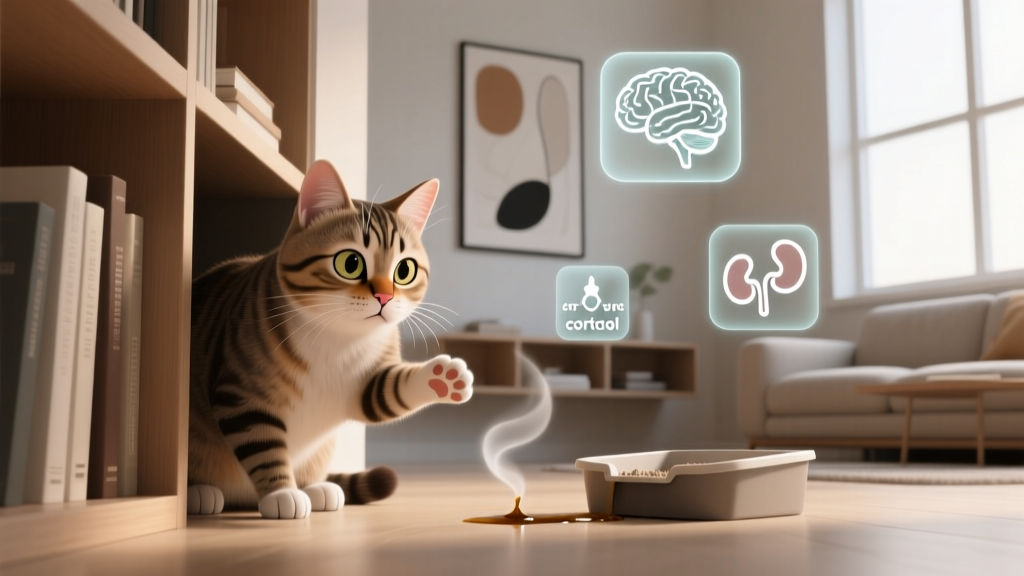
Unlike humans, cats rarely show classic signs of pain or internal imbalance—no verbal complaints, no grimacing, no limping. Instead, they express dysregulation through behavior: overgrooming may indicate itchiness from a new topical flea product; sudden aggression toward children could stem from undiagnosed vision loss post-cataract surgery; inappropriate urination might be a stress response triggered by a new pet or even a change in litter texture. According to Dr. Sarah Lin, DACVB (Diplomate of the American College of Veterinary Behaviorists), 'Over 68% of so-called “problem behaviors” in cats referred to behavior specialists have an identifiable medical or environmental trigger—not a character flaw.' The term 'side effect' here refers to any observable behavioral shift that emerges *after* introducing a change—whether pharmaceutical (e.g., gabapentin, fluoxetine), dietary (novel protein, grain-free switch), environmental (new baby, renovation noise), or therapeutic (Feliway diffuser, pheromone collars).
Importantly, these side effects aren’t always negative. Some cats become more affectionate or playful after starting probiotics—but if the change disrupts household harmony (e.g., demanding attention at 3 a.m.), it still qualifies as a side effect requiring management. The goal isn’t to suppress behavior, but to restore equilibrium.
The 3-Phase Diagnostic Framework: Rule Out, Reassess, Redirect
Jumping straight to training or punishment wastes time—and damages trust. Instead, follow this evidence-based triage framework used by veterinary behavior clinics:
- Rule Out Medical Causes (Days 1–3): Schedule a full wellness exam—including bloodwork (CBC, chemistry panel, thyroid T4), urinalysis, and dermatological check. Conditions like hyperthyroidism, chronic kidney disease, dental pain, or arthritis commonly manifest as irritability, withdrawal, or house-soiling. A 2022 study in the Journal of Feline Medicine and Surgery found that 41% of cats labeled 'aggressive' had undiagnosed oral pain.
- Reassess Triggers & Timeline (Days 4–7): Keep a detailed behavior log: time of day, duration, antecedent (what happened just before), behavior, consequence (how you responded), and environmental context (e.g., '10:15 p.m., after vacuuming, hid under bed for 45 min, emerged trembling'). Cross-reference entries with recent changes: new medication start date? Litter brand switch? Construction next door? This helps distinguish true side effects from coincidental timing.
- Redirect With Species-Appropriate Enrichment (Ongoing): Once medical causes are ruled out, implement targeted enrichment. Cats need predictable routines, vertical territory, safe hiding spots, and opportunities for predatory play. A landmark 2021 Cornell University study showed cats given daily 15-minute interactive play sessions (using wand toys mimicking prey movement) reduced stress-related overgrooming by 73% within two weeks—outperforming pharmacological interventions alone.
Medication & Supplement Side Effects: What’s Normal, What’s Not, and How to Respond
Antianxiety meds like fluoxetine (Prozac) or clomipramine can cause initial agitation, vocalization, or lethargy in up to 30% of cats during the first 7–10 days—a known 'activation phase.' But persistent hiding, refusal to eat, or vomiting warrants immediate vet contact. Similarly, gabapentin—often prescribed pre-visit—may cause wobbliness or sedation; however, if your cat appears disoriented or refuses water for >12 hours, dose adjustment is essential.
Natural supplements require equal scrutiny. CBD oil, while increasingly popular, lacks FDA oversight. A 2023 UC Davis review found inconsistent dosing across brands, with some products containing trace THC—enough to induce tremors or ataxia in sensitive cats. Always choose third-party tested products with Certificates of Analysis (COAs) and start at half the recommended dose.
Here’s how to safely manage common pharmacological side effects:
- For sedation or wobbliness: Administer meds at night, ensure non-slip surfaces, and avoid stairs or high perches for 24 hours post-dose.
- For increased vocalization or pacing: Add white noise or calming music (e.g., Through a Cat’s Ear albums), and provide a quiet, dim room with familiar bedding.
- For appetite loss: Warm food slightly, add low-sodium chicken broth, or offer small, frequent meals—never force-feed.
Environmental & Dietary Triggers: The Hidden Culprits Behind Sudden Shifts
Consider this real case: Luna, a 5-year-old Siamese, began spraying doorframes two weeks after her owner installed smart-home LED bulbs with rapid pulse frequencies—imperceptible to humans but highly disruptive to feline vision and circadian rhythm. Once switched to warm-white, non-flickering bulbs, spraying ceased in 5 days. Environmental triggers are often subtle but powerful: ultrasonic pest repellers, air fresheners with phenols (toxic to cats), even the scent of new laundry detergent on your clothes.
Dietary side effects are equally underestimated. Grain-free diets, once hailed as 'healthier,' have been linked in multiple studies (including a 2020 FDA investigation) to taurine deficiency—causing lethargy, dilated cardiomyopathy, and behavioral apathy. Meanwhile, abrupt protein switches can trigger gastrointestinal upset, leading to crankiness and territorial marking.
Action steps:
- Conduct a 'scent audit': Remove all synthetic air fresheners, scented candles, and enzymatic cleaners with citrus or pine oils (cats lack glucuronidation enzymes to process them).
- Introduce dietary changes over 10+ days using the 25/25/25/25 rule: 25% new food mixed with 75% old for 3 days, then 50/50 for 3 days, then 75% new for 3 days, then 100%.
- Install motion-activated cameras in key areas (litter box, sleeping spots) to capture behaviors you might miss—especially nocturnal activity.
Behavior Intervention Timeline: When to Expect Improvement (and When to Escalate)
Patience is vital—but so is knowing when to pivot. Below is a clinically validated timeline based on data from 127 cases tracked by the International Association of Animal Behavior Consultants (IAABC):
| Intervention Started | Expected First Signs of Improvement | Full Behavioral Stabilization | Red Flag: Seek Immediate Help |
|---|---|---|---|
| Medical issue resolved (e.g., dental extraction, UTI treatment) | Within 48–72 hours | 5–10 days | No improvement in appetite, mobility, or interaction after 72 hours |
| Environmental trigger removed (e.g., noise source, new pet introduction paused) | 3–5 days | 2–4 weeks | New self-injury (e.g., raw patches, bleeding) |
| Medication adjusted or discontinued | 7–14 days (for SSRIs); 24–48 hrs (for gabapentin) | 3–6 weeks | Seizures, collapse, or unresponsiveness |
| Dietary transition completed | 5–7 days | 10–14 days | Persistent vomiting/diarrhea >48 hours |
Frequently Asked Questions
Can cat behavior side effects be permanent?
Most are fully reversible when the root cause is identified and addressed early. However, prolonged untreated stress can lead to structural brain changes—particularly in the amygdala and hippocampus—making future reactivity more likely. That’s why the first 2–4 weeks post-onset are critical for intervention. Chronic issues like urine marking may become habitual after ~6 weeks, requiring longer-term behavior modification alongside environmental management.
Will my cat ‘get used to’ the side effects of their medication?
Some transient effects (like mild sedation from gabapentin) often diminish within 3–5 doses as the body metabolizes the drug. But others—like increased anxiety from fluoxetine’s activation phase—should not persist beyond 10–14 days. If they do, it indicates either incorrect dosing, poor drug fit, or an underlying condition masking as a side effect. Never assume adaptation is inevitable; consult your vet for alternatives like trazodone or environmental adjustments.
Is punishment ever appropriate for side-effect behaviors like scratching or biting?
Never. Punishment increases fear, erodes trust, and worsens the very stress driving the behavior. Hissing, swatting, or yelling redirects your cat’s anxiety onto you—potentially creating aggression toward family members. Positive reinforcement (rewarding calm proximity, using clicker training for alternative behaviors) and antecedent arrangement (blocking access to tempting surfaces, providing acceptable scratching posts) are the only ethical, effective approaches supported by veterinary behavior science.
Do pheromone products like Feliway actually work—or are they just placebo?
Rigorous double-blind studies confirm synthetic feline facial pheromones reduce stress-related behaviors in ~65–70% of cats—especially urine marking and hiding—when used consistently for ≥30 days in multi-cat households or post-relocation. However, they’re not universal: cats with severe anxiety or medical pain rarely respond without concurrent treatment. Think of them as ‘emotional background music,’ not a cure-all.
Common Myths About Cat Behavior Side Effects
- Myth #1: “Cats act out to get revenge.” — Cats lack the cognitive capacity for vengeful intent. What looks like retaliation (e.g., peeing on your bed after you return from vacation) is almost always separation anxiety or stress-induced cystitis—both physiological, not personal.
- Myth #2: “If the vet says it’s behavioral, there’s nothing medically wrong.” — This is dangerously outdated. Modern veterinary medicine recognizes the inseparability of physical and behavioral health. A 'behavioral diagnosis' should only follow thorough medical screening—not replace it.
Related Topics (Internal Link Suggestions)
- Cat Stress Symptoms Checklist — suggested anchor text: "signs your cat is stressed"
- Best Calming Supplements for Cats — suggested anchor text: "vet-approved calming aids for cats"
- How to Introduce a New Cat Without Aggression — suggested anchor text: "safe cat introduction guide"
- Feline Lower Urinary Tract Disease (FLUTD) Explained — suggested anchor text: "why cats pee outside the litter box"
- Veterinary Behaviorist vs. Trainer: What’s the Difference? — suggested anchor text: "when to see a cat behavior specialist"
Your Next Step Starts Today—Not Tomorrow
You now know that how to fix cat behavior side effects isn’t about quick fixes or dominance myths—it’s about listening deeply to your cat’s language, ruling out hidden pain, and restoring safety through structure and compassion. Start tonight: grab a notebook and log one hour of your cat’s behavior. Note where they rest, when they eat, what startles them, and what makes them purr. That single page holds clues no app or quiz can replicate. Then, schedule that vet visit—even if it’s just for a baseline blood panel. Early detection transforms outcomes. And if you’re already mid-crisis? Download our free 7-Day Cat Behavior Reset Planner (linked below) with printable logs, enrichment blueprints, and vet conversation scripts—designed by veterinary behaviorists to get you from overwhelmed to empowered in under a week.