How to Deal with Bad Cat Behavior
Why Your Cat Isn’t ‘Misbehaving’—They’re Communicating (and You’ve Been Misreading the Signals)
If you’re searching for how to deal with bad cat behavior, you’re likely exhausted: the shredded couch at 3 a.m., the sudden swat when you reach to pet, the pristine litter box ignored in favor of your laundry pile. But here’s the truth no one tells you upfront: cats don’t have ‘bad behavior’—they have unmet needs, undiagnosed pain, or misunderstood communication. What looks like defiance is often fear, frustration, or physiology in disguise. And punishing it doesn’t fix the root cause—it deepens distrust and can escalate stress-related illness. In fact, the American Association of Feline Practitioners (AAFP) states that over 70% of so-called ‘behavior problems’ are linked to underlying medical conditions or environmental stressors—not personality flaws.
This isn’t about ‘training’ your cat like a dog. It’s about becoming fluent in feline body language, redesigning their world for security, and responding—not reacting—to their signals. Below, you’ll get vet-vetted, evidence-based steps used by certified feline behavior consultants—not generic advice copied from outdated forums.
Step 1: Rule Out Pain & Medical Causes—Before You Change a Single Thing
‘Bad behavior’ is often the first red flag of hidden suffering. A cat who suddenly starts urinating outside the box may have interstitial cystitis, a painful bladder condition affecting up to 65% of cats with inappropriate elimination (Journal of Feline Medicine and Surgery, 2022). Aggression toward handling? Could signal dental disease, arthritis, or hyperthyroidism—conditions that make touch painful but go unnoticed until behavior shifts.
Dr. Sarah H. K. Wooten, DVM, CVJ, emphasizes: ‘If a cat’s behavior changes abruptly—or intensifies after age 10—always start with a full veterinary exam, including bloodwork, urinalysis, and orthopedic assessment. I’ve seen cats labeled “grumpy” for years, only to discover severe osteoarthritis once radiographs were taken.’
What to do:
- Schedule a comprehensive wellness visit—even if your cat seems ‘fine.’ Ask specifically for a feline behavior screening (many vets now offer this as part of senior care).
- Track behavior patterns: time of day, location, triggers (e.g., ‘bites when picked up,’ ‘scratches near bedroom door at dusk’). Use a simple log—this helps your vet spot correlations.
- Request diagnostic tests beyond basics: thyroid panel, urine culture (not just dipstick), and radiographs if mobility issues are suspected.
Step 2: Decode the Real Message Behind the ‘Problem’
Cats communicate through posture, timing, and context—not words. What we label ‘bad’ is almost always functional: scratching marks territory and stretches muscles; biting during petting signals overstimulation; eliminating outside the box expresses dissatisfaction with litter type, location, or cleanliness.
Consider Maya, a 4-year-old domestic shorthair referred to a certified cat behaviorist after three months of urinating on her owner’s bed. Initial assumptions pointed to ‘revenge’ or ‘stress.’ But observation revealed she only did it after her owner returned from work—never overnight. The behaviorist filmed interactions and noticed Maya would rub her face on the bed *before* urinating. That’s not marking out of anger—it’s scent-matching. Further investigation uncovered that Maya’s litter box was placed next to a noisy washer/dryer, and she’d begun avoiding it entirely. She wasn’t ‘punishing’ her owner—she was seeking a quiet, safe place to eliminate and instinctively chose a surface carrying her human’s familiar scent.
Common ‘bad behaviors’ and their likely meanings:
- Scratching furniture: Not destruction—it’s claw maintenance, stretching, and territorial marking (via scent glands in paws).
- Swatting/biting during petting: Overstimulation threshold reached (often signaled by tail flicking, skin twitching, flattened ears).
- Chasing feet or hands: Redirected play drive—especially in young or under-stimulated cats.
- Hissing/growling at visitors: Fear-based self-defense, not dominance.
- Excessive grooming or hair loss: Often anxiety-driven (‘psychogenic alopecia’) or linked to allergies/pain.
Step 3: Redesign the Environment—Not the Cat
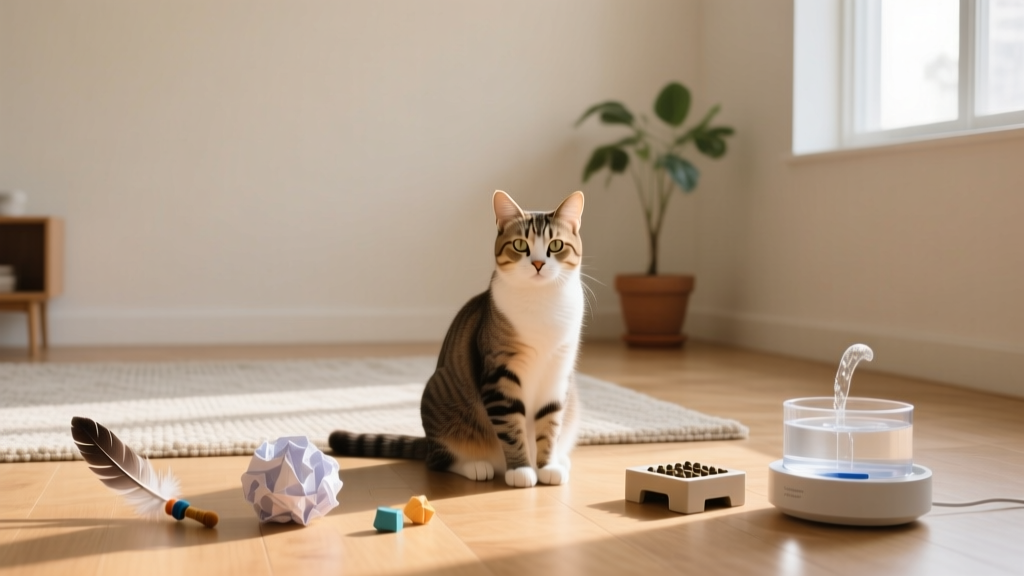
Feline behaviorists use the acronym SPACE to structure environmental interventions: Stress reduction, Play enrichment, Access to resources, Choice & control, and Environmental predictability. This isn’t ‘spoiling’—it’s meeting biological imperatives.
Stress Reduction: Cats thrive on routine and safety. Introduce pheromone diffusers (Feliway Optimum, clinically shown to reduce stress-related marking by 58% in multi-cat homes), create vertical spaces (cat trees, wall shelves), and provide at least one ‘safe zone’ per cat—quiet, elevated, and inaccessible to dogs/children.
Play Enrichment: Schedule two 15-minute interactive play sessions daily using wand toys (never hands/feet). Mimic prey sequences: stalk → chase → pounce → bite → ‘kill’ (let cat hold toy briefly). End with a food reward—this completes the predatory sequence and prevents redirected aggression.
Resource Access: Follow the ‘N+1’ rule: for N cats, provide N+1 of everything—litter boxes, food bowls, water stations, sleeping spots, and scratching posts. Place them in quiet, low-traffic areas—not stacked in one corner. Litter boxes should be large (1.5x cat’s length), uncovered, and scooped twice daily. A 2023 study in Applied Animal Behaviour Science found that litter box aversion dropped by 92% when boxes met size, location, and cleanliness standards.
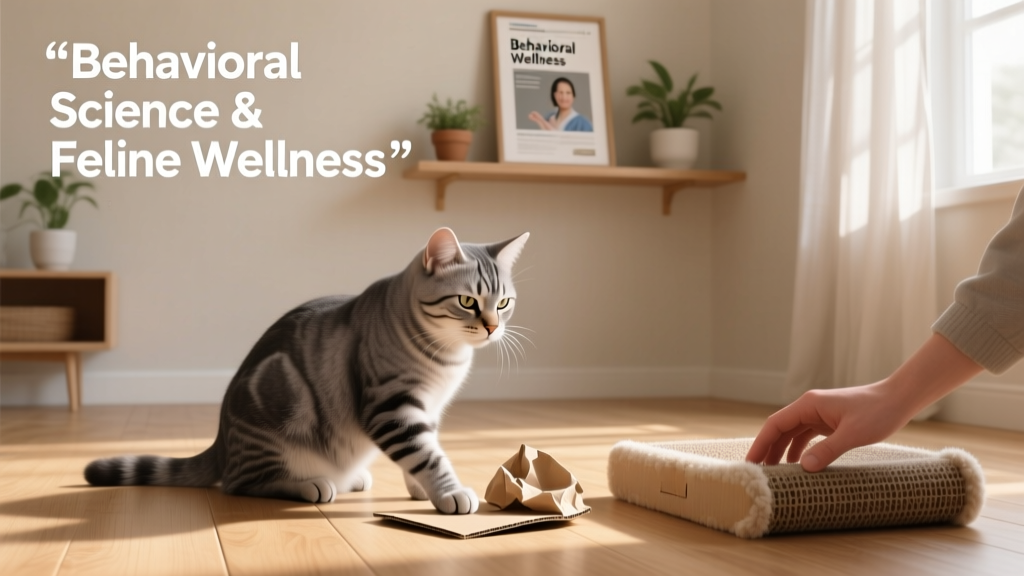
Choice & Control: Let cats choose how to interact. Offer multiple resting options (sunbeam vs. cave), varied scratching surfaces (sisal, cardboard, wood), and ‘yes’ spaces (where they’re welcomed) alongside ‘no’ zones (protected with double-sided tape or citrus spray).
| Intervention Step | Action Required | Tools/Products Needed | Expected Timeline for Change |
|---|---|---|---|
| 1. Medical Screening | Schedule vet visit + diagnostics; share behavior log | Vet appointment, notebook/app for logging | 1–2 weeks (diagnosis); behavior may improve immediately if medical cause found |
| 2. Litter Box Audit | Assess number, location, size, type, cleanliness; adjust per N+1 rule | New box (if needed), unscented clumping litter, scoop, enzyme cleaner | 3–7 days for initial improvement; full resolution in 2–4 weeks |
| 3. Daily Play Sessions | Two 15-min interactive sessions ending with food reward | Wand toy (e.g., Da Bird), treat pouch, timer | Reduced chasing/biting within 3–5 days; improved sleep patterns in 10–14 days |
| 4. Safe Space Creation | Add 1+ elevated, quiet retreat per cat; block access to high-stress zones | Cat tree, covered bed, baby gate, Feliway diffuser | Decreased hiding/fear responses in 4–7 days; reduced aggression in 2–3 weeks |
| 5. Scratching Redirection | Place appealing posts where scratching occurs; reward use; protect furniture temporarily | Sisal post, cardboard scratcher, double-sided tape, catnip spray | 90% reduction in furniture scratching within 10–14 days with consistent reinforcement |
Step 4: Respond, Don’t React—The 3-Second Rule for Calm Intervention
When ‘bad behavior’ happens, your immediate response shapes future outcomes. Yelling, spraying water, or physical punishment activates your cat’s threat response—flooding their system with cortisol and reinforcing fear. Instead, use the 3-Second Rule:
- Pause (1 second): Breathe. Interrupt your own emotional reaction.
- Observe (1 second): What preceded this? What body language cues did you miss? Is there pain or fear?
- Redirect or Remove (1 second): Gently interrupt (clap once, toss a toy away), then offer an alternative (scratch post, play session, safe space).
This builds trust and teaches your cat that calm = safety. It also rewires your own habits—studies show owners who practice mindful response see 67% faster behavior resolution than those relying on correction.
Real-world example: Leo, a 2-year-old rescue, attacked ankles at dawn. His owner initially yelled and blocked him—escalating his arousal. After applying the 3-Second Rule, she paused, observed he appeared alert but tense before attacks, and realized he was hunting-mode hungry. She began feeding him a puzzle feeder right before dawn—and the attacks stopped in 4 days.
Frequently Asked Questions
Why does my cat suddenly start peeing outside the litter box?
Medical causes (UTIs, kidney disease, diabetes) account for ~50% of cases in cats under 10—and >80% in seniors. If ruled out, environmental factors dominate: litter box location (too noisy/private), substrate aversion (scented litter, fine clay), insufficient boxes, or stress from new pets/people. Never assume it’s ‘spite.’ Clean accidents with enzymatic cleaner (not vinegar or ammonia)—residual scent invites repeat marking.
Will getting another cat fix my cat’s aggression or loneliness?
Rarely—and often makes things worse. Introducing a new cat without proper, gradual introduction (6–8 weeks minimum) is the #1 trigger for chronic inter-cat aggression. Cats are facultatively social—they choose companionship, not demand it. If your cat is aggressive, adding another cat increases competition and stress. Focus on enriching their current environment first.
Is clicker training effective for cats?
Yes—but only for voluntary behaviors (touching a target, sitting), not stopping unwanted ones. Clicker training builds confidence and strengthens human-cat bonds, making behavior modification easier. However, it won’t stop biting during overstimulation—you must first recognize early warning signs and stop petting *before* the bite. Use clicker training to reinforce calm approaches, not suppress reactions.
My vet says ‘just ignore it’—but the behavior is getting worse.
Ignoring doesn’t work for stress-based behaviors—it often escalates them. Ignoring assumes the cat will ‘grow out of it,’ but chronic stress leads to immunosuppression, cystitis, and GI issues. Seek a veterinarian board-certified in behavior (DACVB) or a certified cat behavior consultant (IAABC or CCPDT). Ask for a written behavior plan—not vague advice.
Are collars with bells or citronella sprays effective deterrents?
No—and potentially harmful. Bells increase anxiety in sensitive cats and impair hunting instincts (even indoors). Citronella collars deliver aversive stimuli linked to fear and avoidance, damaging trust. Positive reinforcement and environmental adjustment are the only methods supported by the AAFP and International Society of Feline Medicine.
Common Myths About Cat Behavior
Myth #1: “Cats are aloof and don’t bond like dogs.”
False. fMRI studies confirm cats form secure attachments to caregivers—similar to infants and dogs. They express it differently: slow blinks, head-butting, sleeping near you, and bringing ‘gifts’ (even if it’s a sock). Their independence is about autonomy, not detachment.
Myth #2: “Punishing a cat teaches them right from wrong.”
Completely false. Cats don’t associate punishment with past actions—they link it to you, the location, or the moment. Punishment increases fear, avoidance, and redirected aggression. As Dr. John Bradshaw, author of Cat Sense, states: ‘A cat who hisses after being squirted with water isn’t learning a lesson. They’re learning that humans are unpredictable and dangerous.’
Related Topics (Internal Link Suggestions)
- Understanding Cat Body Language — suggested anchor text: "what your cat's tail flick really means"
- Best Litter Boxes for Multi-Cat Households — suggested anchor text: "litter box solutions for 2+ cats"
- How to Introduce a New Cat Safely — suggested anchor text: "stress-free cat introductions"
- Calming Supplements for Anxious Cats — suggested anchor text: "vet-approved calming aids for cats"
- Why Cats Scratch—and How to Redirect It — suggested anchor text: "stop furniture scratching naturally"
Your Next Step Starts With Observation—Not Correction
You now know that how to deal with bad cat behavior isn’t about fixing your cat—it’s about partnering with them. Start tonight: spend 5 minutes watching your cat without interacting. Note where they rest, how they approach food or toys, what makes their ears swivel or tail tip twitch. That observation is your most powerful tool. Then pick *one* step from the SPACE framework above—maybe auditing your litter boxes or scheduling tomorrow’s first play session. Small, consistent changes compound. Within 2 weeks, you’ll likely notice calmer body language, fewer incidents, and moments of connection you thought were lost. Ready to go deeper? Download our free Feline Behavior Tracker (PDF) to log patterns, spot triggers, and share precise data with your vet—link below.