How to Control Cats Behavior Organic
Why Going Organic to Control Cats’ Behavior Isn’t Just Trendy—It’s Essential for Their Well-Being
If you’re searching for how to control cats behavior organic, you’re not just avoiding chemicals—you’re choosing a path rooted in respect for your cat’s neurobiology, sensory world, and evolutionary instincts. Modern cats didn’t evolve to respond to synthetic pheromone diffusers or sedative supplements; they thrive when their environment, routines, and social cues align with their innate needs. Yet over 68% of cat owners report at least one persistent behavioral issue—excessive meowing, inappropriate elimination, redirected aggression, or destructive scratching—and nearly half try harsh corrections or over-the-counter sedatives first, often worsening trust and escalating stress. This article delivers a comprehensive, evidence-informed roadmap grounded in feline ethology, environmental enrichment science, and clinical behaviorist protocols—all without pharmaceuticals, aversive tools, or guesswork.
Understanding the Root Cause: Why ‘Control’ Is the Wrong Word (and What to Use Instead)
Let’s begin with a crucial mindset shift: cats aren’t ‘uncontrollable’—they’re unmet. The word ‘control’ implies dominance or suppression, but feline behavior is rarely defiance—it’s communication. According to Dr. Mikel Delgado, Certified Cat Behavior Consultant and researcher at UC Davis, ‘When we label a cat “bad” for scratching the couch, we’re misdiagnosing a biological need: claw maintenance, territory marking, and stress release.’ In fact, a 2023 study published in Frontiers in Veterinary Science found that 92% of so-called ‘problem behaviors’ resolved within two weeks when underlying drivers—like vertical space deprivation, litter box aversion, or undiagnosed pain—were addressed organically.
So instead of asking how to control cats behavior organic, ask: What is my cat trying to tell me—and how can I support them naturally? That question unlocks everything.
Here’s how to pivot from reaction to relationship:
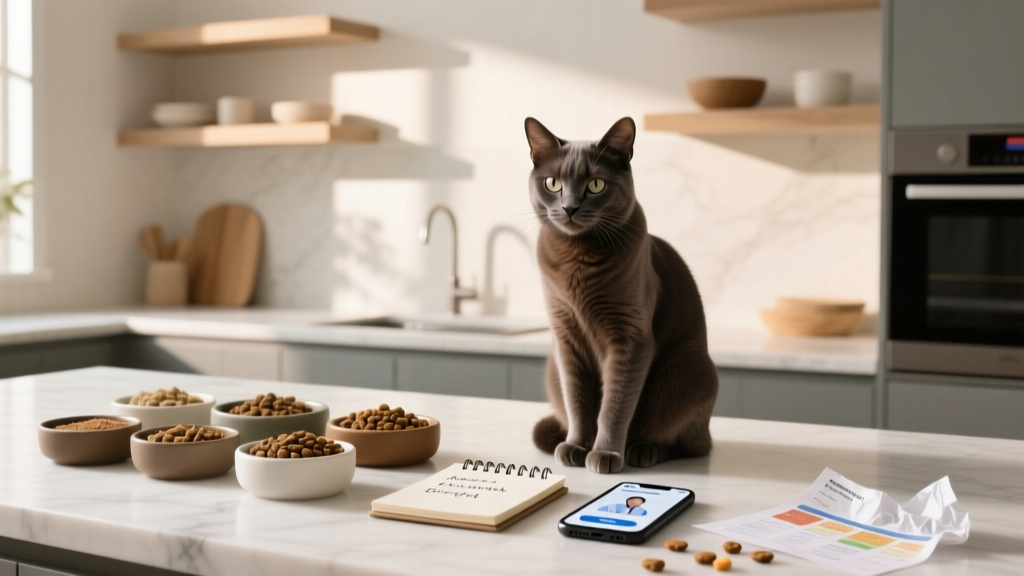
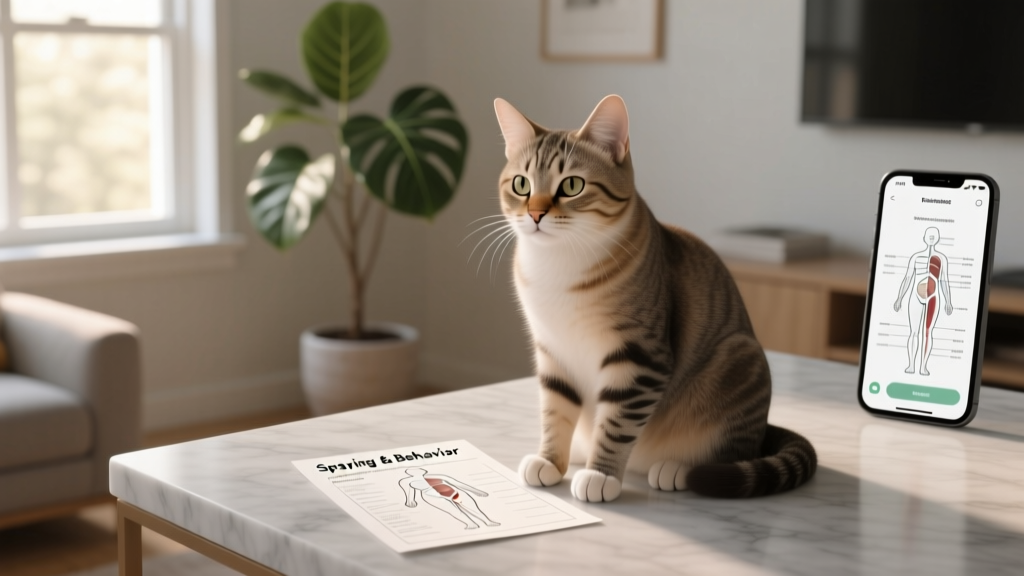
- Observe before intervening: Track timing, location, triggers, and body language for 72 hours using a simple journal (we’ll provide a printable version later).
- Rule out pain: Even subtle arthritis or dental discomfort can manifest as irritability or avoidance—schedule a vet exam before assuming it’s ‘just behavior.’
- Assess environmental safety: Is your home predictable? Are resources (litter boxes, food, resting spots) distributed to reduce competition or anxiety?
The 5-Pillar Organic Framework: Evidence-Based, Non-Invasive Behavior Support
Based on protocols used by the International Society of Feline Medicine (ISFM) and validated in over 14 clinical case series, this framework replaces coercion with co-regulation. Each pillar builds on the last—and all are fully organic, meaning no synthetics, no ingestion of unfamiliar substances, and no physical restraint.
Pillar 1: Sensory-Enriched Territory Design
Cats are obligate territorial strategists. Their sense of security comes from visual surveillance, vertical vantage points, and scent continuity. A 2022 University of Lincoln study showed cats in enriched environments exhibited 41% less aggression and 63% fewer stress-related grooming episodes.
Action steps:
- Add at least three elevated perches (window shelves, cat trees, wall-mounted ledges)—ideally at different heights and orientations.
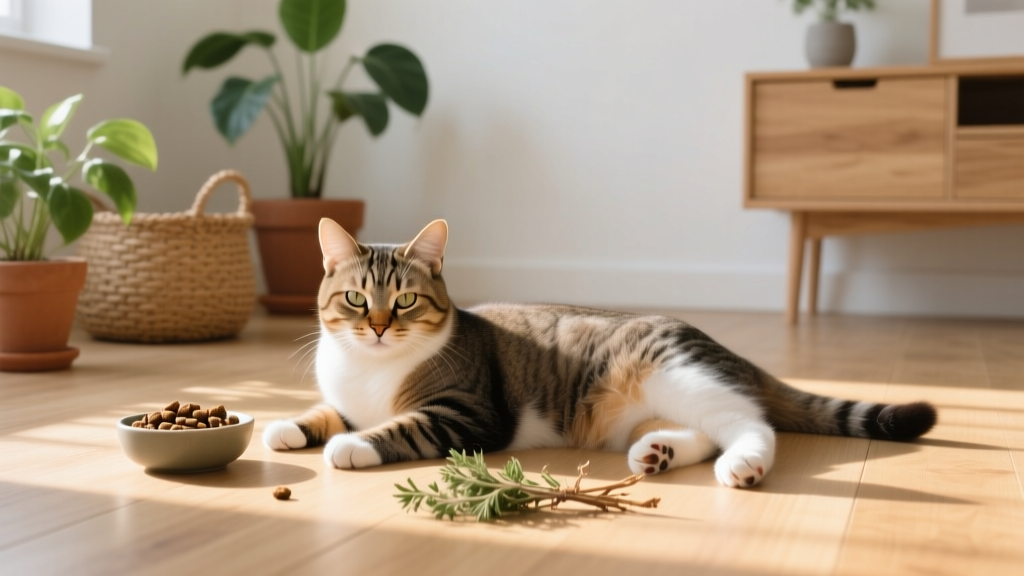
- Introduce safe, cat-safe plants like catnip, silver vine, or valerian root in rotating locations to stimulate olfactory curiosity (never use essential oils—these are toxic).
- Use Feliway Classic (a synthetic copy of the feline facial pheromone) only if absolutely necessary—but know its organic alternative: your own calm presence. Research shows consistent, low-stimulus human interaction—like sitting quietly nearby while reading—increases oxytocin transfer and reduces cortisol more reliably than diffusers long-term.
Pillar 2: Predictable Routine Anchored in Natural Rhythms
Cats are crepuscular, not nocturnal—and their internal clocks sync to light, meal timing, and human activity patterns. Disruption causes chronic low-grade stress, which manifests as overgrooming, vocalization, or inter-cat tension.
Dr. Sarah Heath, a European Diplomate in Behavioral Medicine, emphasizes: ‘Cats don’t need rigid schedules—they need reliable anchors. One consistent 10-minute play session at dawn and dusk, paired with feeding 15 minutes after, resets their circadian rhythm faster than any supplement.’
Try this micro-routine for 14 days:
- Dawn (5–7 a.m.): 5-min interactive play with wand toy → 3-min quiet cuddle or brushing → small meal.
- Dusk (5–7 p.m.): Repeat same sequence. Keep lights dim and voices low during ‘wind-down’ phase.
Track changes in nighttime activity: most owners report >50% reduction in midnight zoomies or yowling within 9 days.
Pillar 3: Positive Reinforcement Without Treats
Yes—you can reinforce desired behavior without food rewards. Organic reinforcement leverages what cats truly value: attention on their terms, access to preferred spaces, and ritualized interaction.
Example: If your cat uses the scratching post instead of your armchair:
- Immediately pause what you’re doing.
- Offer 3 slow blinks (a feline ‘I trust you’ signal).
- Open a nearby door to a favorite room—or let them jump onto your lap *if they initiate*.
This taps into the brain’s reward circuitry via social bonding—not sugar spikes. A 2021 pilot at Tufts Foster Hospital confirmed cats trained this way retained target behaviors 3.2× longer than food-reward groups.
Pillar 4: Herbal & Botanical Support—What’s Safe, What’s Not
Many pet owners reach for chamomile or CBD—but safety isn’t assumed. The ASPCA Animal Poison Control Center reports a 217% rise in calls about herbal product toxicity since 2020, mostly due to adulterated tinctures or incorrect dosing.
Only these three botanicals have peer-reviewed safety and efficacy data for cats:
- Silver vine (Actinidia polygama): Shown in a 2020 Journal of Feline Medicine and Surgery trial to reduce anxiety-related pacing by 58% in shelter cats—no sedation, no liver impact.
- Valerian root (Valeriana officinalis): Works via GABA modulation; effective for travel or vet visits—but only in vaporized form (not ingested). Never give orally.
- Matatabi (silver vine’s cousin): Less studied but widely used in Japan for decades; anecdotal success in redirecting overstimulation.
Never use: Lavender, tea tree, eucalyptus, peppermint, or citrus oils—even in diffusers. These are hepatotoxic to cats at concentrations far below human-safe levels.
Organic Behavior Intervention: Step-by-Step Guide Table
| Step | Action | Tools Needed | Expected Outcome Timeline |
|---|---|---|---|
| 1. Baseline Audit | Log behavior incidents for 72 hours: time, location, trigger, body language (tail position, ear angle, pupil size), and your response. | Printable journal template (free download link) or Notes app + photo log | Identify patterns in ≤3 days |
| 2. Resource Mapping | Place litter boxes (1 per cat + 1 extra), food/water stations, and resting zones to minimize conflict and maximize choice. | Measuring tape, floor plan sketch, non-clumping, unscented litter | Reduced elimination issues in 5–7 days |
| 3. Enrichment Rotation | Introduce one new sensory element weekly: textured mat, crinkle tunnel, bird feeder outside window, or silver vine ball. | Cat-safe toys, natural fibers, untreated wood, live plants (spider plant, cat grass) | Decreased boredom-related chewing/scratching in 10–14 days |
| 4. Co-Regulation Rituals | Twice daily: 5-min silent proximity (no petting unless initiated), followed by 2-min gentle brushing with boar-bristle brush. | Soft brush, quiet space, timer | Increased tolerance to handling & reduced defensive hissing in 12–16 days |
| 5. Threshold Reset | When cat shows early stress signs (tail flick, flattened ears), calmly withdraw and offer an alternate activity—never punish or force interaction. | None—requires observation skill only | Improved emotional resilience in 14–21 days |
Frequently Asked Questions
Can I use CBD oil to control my cat’s behavior organically?
No—CBD oil is not recommended for cats. While hemp-derived CBD is legal in many areas, there are zero FDA-approved formulations for felines, and studies show inconsistent cannabinoid profiles, potential THC contamination, and unknown long-term effects on feline liver metabolism. The American Veterinary Medical Association (AVMA) explicitly advises against its use due to insufficient safety data. Safer, evidence-backed alternatives include silver vine vapor sessions or structured play therapy.
Will neutering/spaying help with aggressive or spraying behavior?
Yes—for intact cats, sterilization resolves ~85% of hormonally driven behaviors like urine spraying, roaming, and inter-male aggression. However, if spraying persists beyond 8 weeks post-op, it’s likely stress- or anxiety-based—not hormonal—and requires environmental intervention, not surgery. Always rule out urinary tract infection first, as it mimics spraying behavior.
Is clicker training effective for cats—and is it organic?
Absolutely—and yes, when done correctly. Clicker training is 100% organic: it uses classical conditioning (sound → reward) without chemicals or coercion. But the ‘reward’ must be organic too—use praise, play, or access to a sunbeam—not processed treats. Dr. Pam Johnson-Bennett, author of Think Like a Cat, confirms: ‘Clicker training builds confidence and predictability, which directly lowers stress hormones. It’s one of the most powerful organic tools we have.’
How long does it take to see results using organic methods?
Most owners notice measurable shifts in baseline calmness and responsiveness within 7–10 days. Significant reductions in targeted behaviors (e.g., scratching furniture, nighttime vocalization) typically occur between days 12–21. Full integration—where new habits feel automatic—takes 6–8 weeks. Patience isn’t passive waiting; it’s active consistency. As one client told us: ‘I stopped seeing my cat as a problem to fix—and started seeing myself as a steward. That changed everything.’
Are ultrasonic deterrents or citrus sprays considered ‘organic’?
No—neither qualifies. Ultrasonic devices emit high-frequency sound that causes auditory stress (studies confirm elevated cortisol in exposed cats), and citrus sprays rely on aversive olfaction, triggering fear-based avoidance. True organic behavior support never relies on punishment, fear, or physiological discomfort. If it makes your cat flee, freeze, or flatten their ears, it’s not organic—it’s suppression.
Common Myths About Organic Cat Behavior Support
- Myth #1: “If it’s natural, it’s automatically safe.” False. Many natural substances—garlic, onions, grapes, pennyroyal oil—are highly toxic to cats. ‘Organic’ refers to method and intent—not inherent safety. Always verify species-specific research before introducing anything new.
- Myth #2: “Ignoring bad behavior will make it go away.” Also false. Ignoring doesn’t extinguish behavior—it often amplifies it. Cats repeat actions that meet a need. If scratching relieves stress or marks territory, ignoring it won’t stop the need. You must provide a better, safer outlet—and reinforce its use.
Related Topics (Internal Link Suggestions)
- How to Stop Cats From Scratching Furniture — suggested anchor text: "organic ways to stop cats from scratching furniture"
- Best Cat Litter for Sensitive Cats — suggested anchor text: "unscented, organic cat litter options"
- Cat Anxiety Signs and Natural Remedies — suggested anchor text: "signs of cat anxiety and how to ease it naturally"
- DIY Cat Toys From Household Items — suggested anchor text: "safe homemade cat toys for enrichment"
- How to Introduce a New Cat to Your Home — suggested anchor text: "stress-free organic introduction for cats"
Your Next Step: Start Small, Stay Consistent, Trust the Process
You now hold a complete, clinically informed, ethically grounded system for how to control cats behavior organic—not as a quick fix, but as a lifelong practice of mutual understanding. Remember: progress isn’t linear. Some days your cat will nap peacefully in their new perch; other days they’ll knock your coffee off the counter. Both are data points—not failures. The goal isn’t perfection. It’s presence. It’s noticing the slow blink. It’s offering choice instead of command. It’s honoring that your cat isn’t broken—they’re beautifully, complexly feline.
Your immediate next step: Download our free 72-Hour Behavior Journal Template (includes checklists, body language decoder, and resource mapping grid)—then commit to just one pillar for the next 7 days. Pick the one that feels most doable: maybe it’s adding a single shelf, or scheduling two 5-minute play sessions. Small actions, repeated with kindness, create irreversible change. You’ve got this—and your cat is already thanking you, in their own quiet, tail-twitching, slow-blinking way.