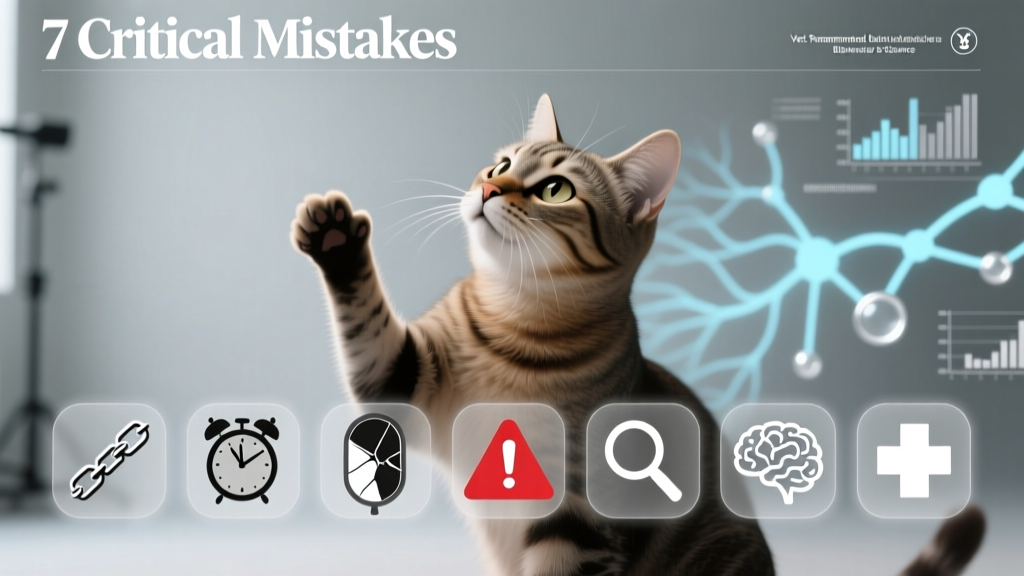
How to Change Cat Behavior Dangers
Why 'How to Change Cat Behavior Dangers' Is the Question Every Responsible Owner Should Be Asking
If you've ever searched how to change cat behavior dangers, you're not just looking for quick fixes—you're likely feeling anxious, frustrated, or even scared. Maybe your cat suddenly started biting when petted, spraying outside the litter box after a move, or hissing at visitors—behaviors that seem inexplicable and potentially hazardous to family members, other pets, or the cat’s own well-being. What many owners don’t realize is that the *methods* used to change behavior often carry greater risks than the behavior itself. Punishment-based tactics, abrupt environmental shifts, or misreading feline body language can escalate fear into aggression, suppress warning signals until a bite occurs without warning, or even trigger stress-induced illnesses like feline idiopathic cystitis (FIC). This isn’t hypothetical: A 2023 study in the Journal of Veterinary Behavior found that 68% of cats referred for aggression had undergone at least one aversive intervention (e.g., spray bottles, yelling, scruffing) prior to consultation—and 92% of those cases worsened before improving with ethical behavior modification.
The Hidden Dangers of Common 'Quick Fix' Tactics
Cats aren’t small dogs—and they don’t respond to dominance-based training, scolding, or physical correction. Their nervous systems are wired for vigilance, and their primary coping strategies are freeze, flee, or fight. When we misinterpret subtle stress signals (like flattened ears, slow blinking avoidance, tail flicking, or lip licking) and push forward with coercion, we override their ability to communicate discomfort—until they resort to overt aggression or shutdown. Dr. Sarah Heath, a European College of Veterinary Behavioural Medicine (ECVBM) diplomate, emphasizes: “A cat who stops growling before biting hasn’t ‘calmed down’—they’ve stopped signaling. That silence is the most dangerous phase.”
Here’s what commonly goes wrong—and why:
- Punishment-based corrections: Spraying water, clapping, or tapping the nose doesn’t teach the cat what to do instead—it teaches them that humans are unpredictable threats. Result: increased hiding, redirected aggression, or chronic low-grade stress that elevates cortisol and suppresses immunity.
- Forced socialization: Holding a fearful cat for prolonged petting or forcing interaction with children or dogs violates their autonomy and erodes trust. One case study from Cornell’s Feline Health Center documented a previously friendly 3-year-old domestic shorthair who developed full-body alopecia and ulcerative dermatitis within six weeks of daily ‘desensitization’ sessions involving restraint.
- Litter box punishment: Taking a cat to the soiled area or rubbing their nose in urine doesn’t convey cause-and-effect—it creates negative associations with the location, the owner, and sometimes the entire room. This frequently leads to substrate aversion or location avoidance, worsening inappropriate elimination.
- Ignoring medical underpinnings: Up to 40% of behavior changes in cats over age 10 stem from undiagnosed pain (e.g., arthritis, dental disease, hyperthyroidism) or neurocognitive decline. Assuming ‘bad behavior’ without vet evaluation is not only ineffective—it’s medically negligent.
The 4-Step Safety-First Framework for Ethical Behavior Change
Changing cat behavior isn’t about control—it’s about collaboration. The gold standard approach, endorsed by the American Veterinary Society of Animal Behavior (AVSAB), follows this sequence: Rule Out Medical Causes → Assess Environmental Triggers → Modify Human Response → Reinforce Desired Alternatives. Let’s break it down:
- Rule out medical causes first: Schedule a full wellness exam—including bloodwork, urinalysis, and orthopedic assessment—with a veterinarian experienced in feline medicine. Ask specifically about pain indicators: reluctance to jump, decreased grooming, litter box posture changes, or vocalizing when handled. Don’t skip this step—even if your cat seems ‘fine.’ As Dr. Tony Buffington, Professor Emeritus at Ohio State’s College of Veterinary Medicine, states: “When a cat’s behavior changes, assume pain until proven otherwise.”
- Map the ABCs of the behavior: For 3–5 days, record every occurrence using the Antecedent-Behavior-Consequence model. What happened *right before* (Antecedent)? What did the cat *do* (Behavior)? What happened *immediately after* (Consequence)? Example: Antecedent = child reaches toward sleeping cat; Behavior = swatting + flattened ears; Consequence = child cries, owner scoops cat away. This reveals patterns—and often shows that the ‘consequence’ (being removed) unintentionally reinforces the aggression.
- Modify your response—not theirs: Instead of reacting to the behavior, adjust the antecedent or consequence. In the example above: Teach the child to observe resting cats from 3 feet away; reward the cat with treats *before* the child approaches (creating positive association); and never remove the cat post-swat—that teaches them aggression works. Replace reactivity with predictability.
- Reinforce alternatives with precision: Use high-value rewards (e.g., tuna paste, chicken baby food) delivered *within 1 second* of the desired behavior. Target tiny approximations: If your cat avoids guests, reward eye contact from across the room → then one step closer → then sitting calmly while guest stands still. Never reward during or after aggression—this reinforces escalation.
When to Call a Professional—and What Credentials Actually Matter
Not all behavior help is equal. Misinformation abounds online—from ‘cat whisperers’ with no formal training to trainers promoting outdated dominance theory. Here’s how to identify qualified support:
- Veterinary Behaviorists (Dip ACVB or ECVBM): Board-certified DVMs with 3+ years of specialized residency training. They can diagnose medical contributors, prescribe anti-anxiety medication (e.g., fluoxetine, gabapentin), and design comprehensive treatment plans. Only ~120 exist in North America—find them via dacvb.org.
- CAABs (Certified Applied Animal Behaviorists): Hold PhDs in animal behavior and require 5+ years of supervised experience. They focus on learning theory and ethology—not just training techniques.
- Feline-Friendly Certified Professionals: Look for Fear Free Certified Trainers or IAABC (International Association of Animal Behavior Consultants) members with feline specialization and verifiable continuing education in feline neurobiology and stress physiology.
Avoid anyone who recommends alpha rolls, shock collars, citronella sprays, or ‘establishing dominance.’ These violate AVSAB’s position statement on punishment and correlate strongly with increased aggression in peer-reviewed studies.
What to Do Right Now: A 72-Hour Safety Protocol
If your cat is currently exhibiting dangerous behavior (e.g., unprovoked biting, resource guarding, or severe fear aggression), follow this immediate action plan:
- Day 1: Create Safe Zones — Block access to high-risk areas (e.g., bedrooms with toddlers, kitchens with open flames). Install baby gates, use closed doors, and provide escape routes (perches, covered beds, cardboard boxes) in every room.
- Day 2: Suspend All Handling — No forced petting, nail trims, or brushing until baseline stress levels drop. Observe from a distance: Is your cat eating, using the litter box, and sleeping normally? If not, contact your vet immediately—these are red flags for underlying illness.
- Day 3: Introduce Choice-Based Interaction — Place treats on the floor near you—but don’t reach. Let your cat decide if, when, and how close to approach. Reward any voluntary proximity with quiet praise and a treat. This rebuilds agency—the #1 predictor of long-term behavioral success.
This protocol isn’t passive—it’s strategic de-escalation. It reduces cortisol spikes, prevents rehearsal of aggressive sequences, and resets the human-cat relationship foundation.
| Intervention Method | Risk Level (1–5) | Time to See Results | Evidence Strength | Key Danger |
|---|---|---|---|---|
| Punishment (spray bottle, yelling) | 5 | None (often worsens behavior) | Strong evidence of harm (AVSAB 2015) | Increased fear-based aggression; suppressed warning signals |
| Medication + Behavior Modification | 2 | 2–8 weeks | High (multiple RCTs) | Requires veterinary supervision; mild GI side effects possible |
| Environmental Enrichment Only | 1 | 4–12 weeks | Moderate (observational & cohort studies) | May be insufficient for severe cases; requires consistency |
| Force-Based Desensitization | 5 | None or negative | Strong evidence of harm (J Vet Behav 2021) | Learned helplessness; trauma bonding disruption |
| Clicker Training + Targeting | 1 | 1–3 weeks (for simple behaviors) | High (controlled trials in shelter cats) | Requires timing skill; ineffective without reinforcement history |
Frequently Asked Questions
Can changing my cat’s behavior cause long-term psychological damage?
Yes—if done incorrectly. Cats subjected to chronic fear, coercion, or unpredictability can develop lasting anxiety disorders, including generalized anxiety, separation-related distress, or noise phobias. Neuroimaging studies show chronic stress alters amygdala and hippocampal function in felines, impairing learning and emotional regulation. However, ethical, reward-based protocols not only avoid harm—they actively repair neural pathways associated with safety and trust. Recovery is possible at any age, but early intervention yields faster, more resilient outcomes.
My cat bites when I pet them—even though they seek attention. Is this normal?
Yes—and it’s extremely common, but it’s not ‘just how cats are.’ This is called petting-induced aggression, triggered by overstimulation of sensitive nerve endings (especially along the back and base of the tail). The danger lies in misreading early cues: tail twitching, skin rippling, flattened ears, or sudden stillness. Stop petting *before* these appear—not after. Use short, predictable sessions (5–10 seconds), focus on safe zones (chin, cheeks), and pair touch with treats. Over time, you’ll extend tolerance—but never force it.
Will neutering/spaying fix aggression or spraying?
It may reduce hormonally driven behaviors—especially inter-male aggression or urine marking in intact males—but it won’t resolve fear-based, anxiety-driven, or learned aggression. A 2022 review in Frontiers in Veterinary Science found neutering reduced spraying in 85% of intact male cats, but had no effect on 72% of females with anxiety-related marking. Always rule out medical causes and address environmental stressors first.
How do I know if my cat’s behavior change is due to dementia?
Feline Cognitive Dysfunction (FCD) affects ~28% of cats aged 11–14 and 50% over age 15. Key signs include disorientation (staring at walls, getting stuck in corners), altered sleep-wake cycles (yowling at night), decreased interaction, and house-soiling despite clean litter boxes. Crucially, FCD rarely causes aggression—but confusion can lead to defensive reactions. A veterinary neurologist can assess via MRI and rule out brain tumors or metabolic encephalopathy. Early intervention with antioxidants, environmental consistency, and medications like selegiline improves quality of life significantly.
Is it safe to use CBD oil or calming supplements to change behavior?
Current evidence is limited and inconsistent. While some small-scale studies show reduced cortisol in stressed cats given specific hemp-derived CBD isolates, dosing is unregulated, product purity varies widely (with THC contamination risks), and interactions with common medications (e.g., gabapentin, fluoxetine) are poorly studied. The ASPCA and AAHA advise against using supplements as standalone solutions—and never without veterinary guidance. Proven non-pharmacological tools (Feliway diffusers, vertical space, predictable routines) remain safer first-line options.
Common Myths About Changing Cat Behavior
- Myth #1: “Cats don’t need training—they’re independent.” Reality: Independence ≠ inability to learn. Cats excel at operant conditioning—they learn rapidly which behaviors produce outcomes (food, attention, safety). What they resist is coercion—not structure. Ignoring training means missing opportunities to prevent danger and deepen connection.
- Myth #2: “If I ignore bad behavior, it will go away.” Reality: Ignoring doesn’t extinguish behavior unless the reinforcer is truly removed. If your cat scratches the couch because it feels good (sensory reinforcement) or marks territory (olfactory reinforcement), ignoring does nothing. You must replace the behavior *and* eliminate the reinforcer (e.g., cover couch with double-sided tape, provide appealing scratching posts).
Related Topics (Internal Link Suggestions)
- Feline Stress Signals — suggested anchor text: "subtle signs your cat is stressed"
- Litter Box Aversion Solutions — suggested anchor text: "why cats stop using the litter box"
- Introducing Cats Safely — suggested anchor text: "how to introduce a new cat without fighting"
- Senior Cat Behavior Changes — suggested anchor text: "is my old cat developing dementia?"
- Best Calming Aids for Cats — suggested anchor text: "vet-approved anxiety relief for cats"
Your Next Step Starts With Observation—Not Intervention
You now know that how to change cat behavior dangers isn’t about finding a faster trick—it’s about honoring your cat’s neurobiology, prioritizing safety over speed, and partnering with professionals who respect feline autonomy. The most powerful behavior change tool you own isn’t a clicker or a treat pouch—it’s your ability to pause, observe without judgment, and ask, ‘What is my cat trying to tell me?’ Today, commit to one concrete action: Grab a notebook and log three ABC sequences (Antecedent-Behavior-Consequence) over the next 48 hours. Don’t try to fix anything yet—just witness. That act of compassionate attention is where real, lasting, and *safe* transformation begins. When you’re ready, schedule that vet visit—and mention you’d like a behavior-focused wellness check. Your cat’s well-being—and your peace of mind—depends on starting there.