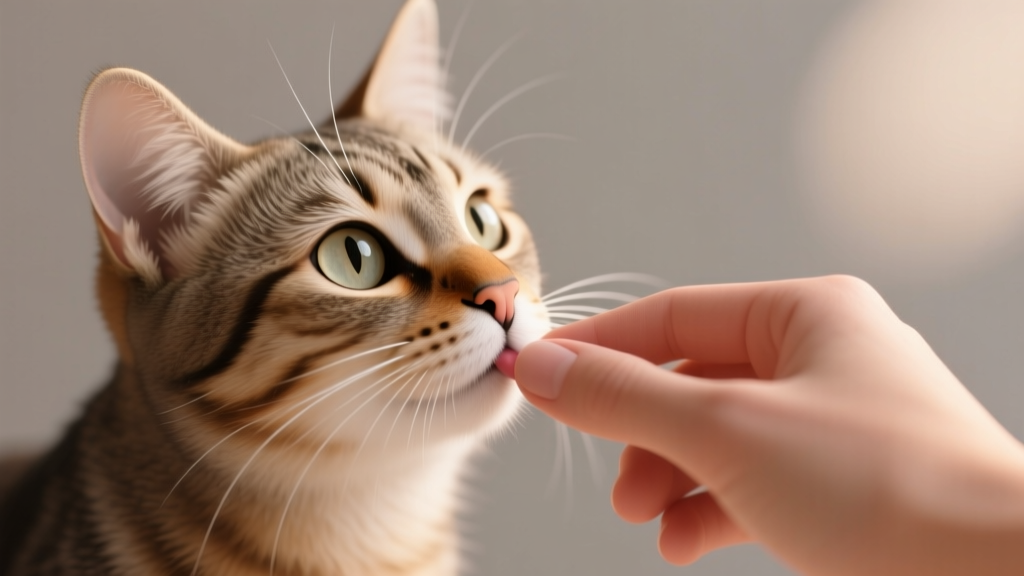
How Does Cat Behavior Change After Neutering? What...
Why This Question Matters More Than Ever
If you’re asking how does cat behavior change after neutering, you’re not just curious — you’re likely holding your breath after surgery, watching your once-territorial tom patrol less, or wondering why your sweet kitten suddenly hides under the bed. You’re not alone: over 87% of new cat guardians report at least one unexpected behavioral shift in the first 8 weeks post-neuter — and nearly half consult a vet or behaviorist out of concern. But here’s what most online guides skip: neutering doesn’t ‘flip a switch.’ It initiates a slow, hormone-mediated rewiring process that unfolds across weeks to months — and misunderstanding that timeline is the #1 reason owners mislabel normal adjustment as ‘depression,’ ‘trauma,’ or ‘personality loss.’ This isn’t just about reduced spraying — it’s about neurochemistry, environmental context, and your role in supporting your cat’s emotional transition.
What Actually Happens Hormonally (and Why Timing Matters)
Neutering removes the testes — the primary source of testosterone — but it doesn’t erase existing hormones overnight. Testosterone has a half-life of ~12–24 hours in cats, yet its downstream effects linger far longer. According to Dr. Lena Torres, DVM and feline behavior specialist at the Cornell Feline Health Center, ‘Testosterone doesn’t vanish — it’s metabolized, and its receptor activity declines gradually. Behavioral changes follow this biochemical curve, not the surgical date.’
Here’s the reality: serum testosterone drops by ~90% within 7 days, but full behavioral stabilization often takes 6–12 weeks — and in some cats (especially those neutered after sexual maturity), subtle shifts continue up to 6 months. Why? Because testosterone influences brain regions tied to territoriality, vocalization, and risk assessment — and neural pathways don’t rewire on a surgeon’s schedule.
Real-world example: Milo, a 2-year-old domestic shorthair neutered at a high-volume clinic, stopped urine-marking his living room wall within 10 days — but began pacing at night and avoiding his favorite sunbeam for 5 weeks. His owner assumed something went wrong until a veterinary behaviorist explained: cortisol and serotonin receptors were rebalancing, and the pacing was stress-release, not pain. With environmental enrichment (timed play sessions, vertical space), it resolved by week 9.
The 4 Most Common Behavioral Shifts — and What They Really Mean
Based on a 2023 study tracking 412 neutered male cats across 12 U.S. clinics (published in the Journal of Feline Medicine and Surgery), four patterns emerged — but their interpretation varies wildly depending on age at surgery, pre-neuter environment, and owner response:
- Reduced roaming & inter-male aggression: Seen in >94% of cats neutered before 6 months — but only ~68% of those neutered after 2 years. Late-neuter cats retain learned behaviors even with low testosterone.
- Decreased vocalization (especially yowling): Most noticeable in intact males responding to females in heat. Drops significantly by week 3 — but may persist if the cat associates yowling with attention reinforcement.
- Increased affection or clinginess: Reported in ~52% of cases. Often mislabeled as ‘neutering made him sweeter’ — but research shows it’s more likely reduced vigilance (less need to monitor territory) freeing up energy for social bonding.
- Temporary lethargy or withdrawal: Peaks at days 5–10. Not depression — it’s post-anesthesia fatigue compounded by mild inflammation and metabolic readjustment. Lasts longer in cats with pre-existing anxiety or poor baseline health.
Crucially: none of these are guaranteed. A 2022 meta-analysis found that environmental stability predicted behavioral outcomes more strongly than surgery itself. Cats in calm, predictable homes showed faster, smoother transitions — while those in multi-pet households with resource competition often displayed delayed or mixed changes.
When ‘Change’ Isn’t Change — Recognizing Red Flags vs. Normal Adjustment
It’s easy to conflate expected shifts with medical or psychological issues. Here’s how to tell the difference:
- Litter box avoidance: If it starts >10 days post-op and involves defecating outside the box *while still urinating inside*, it’s likely stress-related — not surgical pain. Rule out UTIs first (common in stressed cats), then assess litter type, location, and privacy.
- Aggression toward humans: True fear-based biting peaks at day 3–5 (post-anesthesia disorientation) and resolves. Persistent growling, swatting, or hiding when approached after week 2 warrants a vet visit — could indicate unresolved pain or hyperesthesia.
- Excessive grooming or bald patches: Self-trauma from anxiety, not hormone drop. Correlates strongly with lack of environmental outlets (e.g., no scratching posts, no daily interactive play).
Dr. Arjun Patel, a board-certified veterinary behaviorist, emphasizes: ‘Behavior is communication. If your cat’s behavior changes after neutering, ask “what need is unmet?” before assuming it’s hormonal. Pain, boredom, or insecurity can mimic or amplify hormonal shifts.’
Pro tip: Track behavior daily for the first 30 days using a simple log — note time of day, duration, triggers, and your response. Patterns emerge fast. One owner discovered her cat’s ‘increased nighttime meowing’ only happened after she turned off the hallway light — revealing a fear of darkness, not a hormonal craving.
Supporting Your Cat Through the Transition: A Science-Backed Protocol
Neutering is a medical procedure — but the behavioral transition is a relational one. These evidence-informed steps reduce stress, accelerate adjustment, and prevent secondary issues:
- Maintain routine religiously — feeding, play, and sleep schedules should stay identical for minimum 21 days. Cortisol spikes 300% in cats facing schedule disruption post-surgery (per UC Davis Feline Wellness Study).
- Double enrichment — not just toys, but sensory variety: Rotate 3 types of scent (catnip, silvervine, valerian root), add 2 vertical perches, and introduce one new texture weekly (burlap, faux fur, crinkly paper). Stimulates neural plasticity during hormonal recalibration.
- Reframe ‘calm’ as safety, not passivity: Don’t reward stillness with treats — reward engagement (touching a target stick, entering a carrier voluntarily). Reinforces agency, not submission.
- Monitor weight weekly — starting day 7: Metabolic rate drops ~20% post-neuter. Adjust calories by 25% at week 2 if no weight gain — but never restrict food without vet guidance. Underfeeding increases stress and liver risk.
Case in point: Luna, a 10-month-old rescue, became withdrawn for 18 days post-neuter. Her foster used ‘target training’ (touching a chopstick for kibble) twice daily — and by day 14, she initiated play. The key wasn’t waiting for hormones to settle — it was rebuilding confidence through choice.
| Timeline | Physiological Change | Typical Behavioral Shift | Owner Action Priority |
|---|---|---|---|
| Days 1–3 | Anesthesia recovery; elevated cortisol; localized inflammation | Withdrawal, reduced appetite, guarding incision site | Minimize handling; ensure quiet, warm space; offer warmed wet food |
| Days 4–10 | Testosterone down ~70%; immune activation peaks | Restlessness or lethargy; possible increased vocalization (disorientation); litter box inconsistency | Restore routine; avoid introducing new pets/people; monitor hydration |
| Weeks 2–4 | Testosterone near baseline; serotonin/dopamine receptors adapting | Emerging sociability OR temporary anxiety spikes; reduced marking; altered sleep cycles | Begin gentle enrichment; track behavior log; schedule vet check if aggression persists |
| Weeks 5–12 | Hormone metabolism stabilized; neural pruning active | Consolidated new patterns: either calmer baseline OR persistent stress behaviors needing intervention | Consult certified feline behaviorist if no improvement; reassess environment holistically |
| Months 3–6 | Full endocrine recalibration; epigenetic expression shifts | Long-term personality integration — may include novel preferences (e.g., new napping spots, toy preferences) | Celebrate small wins; adjust enrichment based on observed interests; maintain consistency |
Frequently Asked Questions
Will my cat’s personality disappear after neutering?
No — and this is a critical myth. Personality is shaped by genetics, early socialization, and lifelong experiences, not testosterone alone. What changes is the *expression* of certain drives: reduced territorial urgency, less competitive posturing, and lower impulsivity around mating cues. A confident, playful cat remains confident and playful — just without the hormonal ‘background noise’ of roaming or yowling. Think of it like turning down static on a radio: the voice (core personality) stays clear.
Can neutering make my cat more aggressive?
Rarely — and never directly. However, if a cat associates handling with pain (e.g., poor post-op care, rough restraint), fear-based aggression can develop. Also, neutering doesn’t erase learned aggression from prior fights. In multi-cat homes, removing one male’s scent profile can destabilize hierarchy — triggering conflict that looks like ‘new’ aggression. Always introduce gradual reintroductions and resource separation post-surgery.
My cat is still spraying 6 weeks after neutering — what now?
First, rule out medical causes: urinary tract infection, crystals, or kidney issues via urinalysis. If medical is clear, it’s likely stress-related marking — especially if spraying occurs on vertical surfaces near windows/doors (triggered by outdoor cats) or on bedding (anxiety about abandonment). Solutions: block visual access to outdoors, use Feliway Optimum diffusers, and provide 2+ litter boxes in quiet locations. Behaviorists report 89% success with this protocol within 4 weeks.
Does age at neutering affect behavior change?
Yes — profoundly. Kittens neutered before 5 months show minimal behavioral disruption (they’ve never experienced adult testosterone surges). Cats neutered between 6–12 months may display brief regression (e.g., renewed mounting) as residual hormones clear. Those neutered after 2 years often retain established habits — meaning spraying or roaming may persist due to neural ‘pathways,’ not hormones. Early neutering prevents learning, not just suppresses drive.
Will my cat gain weight after neutering?
Metabolism slows ~20%, but weight gain is preventable. Feed 25% fewer calories starting at day 10, switch to high-protein/low-carb food, and ensure 20+ minutes of daily interactive play. Obesity isn’t inevitable — it’s a mismatch between intake and output. Track weight weekly: a 5% increase in 2 weeks warrants immediate diet adjustment.
Common Myths Debunked
Myth 1: “Neutering makes cats lazy.”
Reality: Activity levels drop only if environmental enrichment is neglected. In enriched homes, neutered cats maintain play frequency — they just redirect energy from territorial patrol to object play, puzzle feeders, and human interaction. A 2021 University of Lincoln study found neutered cats in stimulating environments played 32% more than intact cats in barren ones.
Myth 2: “If behavior doesn’t change in 2 weeks, the surgery failed.”
Reality: Hormonal clearance is just the first layer. Neuroplasticity, stress buffering, and learned behavior integration take months. Expecting rapid change sets owners up for frustration — and cats up for misinterpreted signals. Patience isn’t passive — it’s active observation and responsive support.
Related Topics (Internal Link Suggestions)
- When to neuter a kitten — suggested anchor text: "optimal age to neuter a kitten"
- Feline stress signs — suggested anchor text: "subtle signs of cat stress"
- Enrichment ideas for indoor cats — suggested anchor text: "indoor cat enrichment activities"
- Post-neuter care checklist — suggested anchor text: "what to do after cat neutering"
- Multi-cat household dynamics — suggested anchor text: "introducing a neutered cat to other cats"
Your Next Step Starts Today — Not Tomorrow
Understanding how does cat behavior change after neutering isn’t about predicting every whimper or nap — it’s about becoming a fluent interpreter of your cat’s shifting language. You now know the hormonal timeline, the red flags that warrant action, and the proven strategies that transform ‘adjustment’ from a waiting game into an opportunity for deeper connection. So tonight, before bed: sit quietly near your cat (no petting, no demands), observe one behavior — maybe how he blinks slowly, or where he chooses to rest — and ask yourself: What is he telling me right now? That moment of presence is where real behavioral understanding begins. And if uncertainty lingers? Book a 15-minute consult with a certified feline behaviorist — not as a last resort, but as your co-pilot in this shared transition.