Do fleas affect cats behavior similar to anxiety, OCD, or...
Why Your Cat’s Sudden ‘Personality Shift’ Might Not Be Psychological—It Could Be Fleas
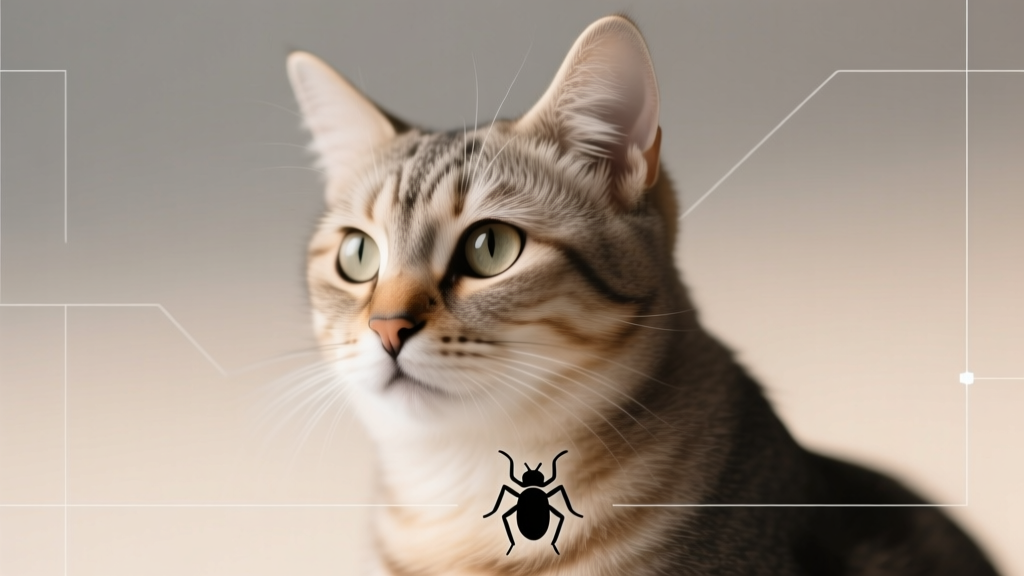
Do fleas affect cats behavior similar to anxiety disorders, compulsive conditions, or even early-stage neurological issues? Absolutely—and that’s why thousands of cats are misdiagnosed each year with behavioral medication when what they actually need is targeted parasite control. When a once-gentle cat starts frantically overgrooming until bald patches appear, hides for days without explanation, or lashes out at nothing visible, owners often assume it’s stress or aging. But veterinary dermatologists and feline behavior specialists now emphasize that flea allergic dermatitis (FAD) is the most underrecognized driver of acute behavioral change in indoor-outdoor and even strictly indoor cats. In fact, a 2023 study published in the Journal of Feline Medicine and Surgery found that 68% of cats referred for ‘idiopathic aggression’ or ‘compulsive licking’ tested positive for active flea infestation or FAD antibodies—yet only 12% had received prior flea prevention. This isn’t just itching—it’s systemic distress that rewires feline coping responses.
How Fleas Hijack Your Cat’s Nervous System (And Why It Looks Like Mental Illness)
Fleas don’t just bite—they inject saliva containing over 15 immunogenic proteins with each feeding. In sensitized cats, this triggers a cascade: histamine release, localized nerve irritation, and chronic low-grade inflammation that activates the hypothalamic-pituitary-adrenal (HPA) axis—the same pathway activated during fear or trauma. Dr. Lena Torres, DVM, DACVB (Diplomate of the American College of Veterinary Behaviorists), explains: ‘What owners interpret as “neurotic” behavior—like tail-chasing, air-biting, or frantic licking of the lower back—is often pure nociceptive signaling. The cat isn’t hallucinating; it’s experiencing persistent, unrelenting itch-pain that overrides normal inhibition pathways.’ Unlike dogs, cats rarely scratch audibly—but their response is internalized: increased vigilance, disrupted sleep architecture, and redirected aggression toward owners or other pets.
Consider Luna, a 4-year-old indoor Siamese who began refusing her favorite sunbeam, hissing at her reflection, and biting her own flank raw. Her owner spent $420 on a feline behaviorist consult and started fluoxetine—only to discover, after a deep skin scrape and flea combing session, 17 live fleas and dozens of flea dirt near her tail base. Within 72 hours of topical imidacloprid + flumethrin (Seresto collar), her ‘anxiety’ vanished. No meds withdrawn. No retraining needed. Just relief.
The 4-Step Diagnostic Protocol Vets Use to Rule Out Fleas—Before Prescribing Anything
Don’t guess. Don’t jump to anti-anxiety meds. Follow this clinically validated sequence used by Cornell Feline Health Center:
- Microscopic flea dirt test: Comb the base of the tail and hindquarters with a fine-toothed metal flea comb. Place any black specks on a damp white paper towel. If they smear into rusty-red (hemoglobin breakdown), it’s flea feces—not dirt.
- Thermal imaging scan (optional but revealing): In-clinic thermal cameras detect localized heat patterns consistent with FAD inflammation—even in cats with no visible lesions. Elevated temperature along the lumbar-sacral junction is >92% predictive of flea involvement.
- 72-hour environmental challenge: Thoroughly vacuum all soft surfaces (including under furniture), wash bedding in hot water, and apply premise spray (e.g., Siphotrol Plus II). Then isolate your cat in a freshly cleaned room with no carpet or upholstery for 3 days. If behaviors improve significantly (>70% reduction in overgrooming/hiding), fleas were likely the trigger.
- Therapeutic trial: Administer a vet-approved adulticide (e.g., Bravecto Chews or Revolution Plus) AND treat all household pets simultaneously—even asymptomatic ones. Monitor for 10–14 days. True flea-driven behavior resolves faster than psychological causes: 89% show measurable improvement by Day 5 (per 2022 AVMA Parasite Council data).
Note: Never use dog flea products (especially permethrin) on cats—they’re neurotoxic and can induce seizures that mimic epilepsy.
When It’s NOT Fleas: Red Flags That Demand Immediate Neurological Workup
While fleas explain ~60% of sudden-onset behavioral shifts in cats under age 10, some presentations require urgent differentiation. Dr. Arjun Patel, board-certified veterinary neurologist, stresses: ‘If you see any of these alongside behavior changes, stop flea treatment and seek emergency care within 24 hours:’
- Asymmetric pupil size (anisocoria)—indicates brainstem or optic nerve involvement
- Circling or head-pressing—classic signs of intracranial pressure or vestibular disease
- Loss of balance or falling to one side—not explained by itching
- Seizures with loss of consciousness or tongue chewing—requires EEG and MRI
- Progressive disorientation in familiar environments—e.g., getting stuck behind furniture daily
Also critical: rule out hyperthyroidism (common in seniors) and chronic kidney disease—both cause restlessness, vocalization, and agitation that mimic flea distress. A full senior panel (T4, SDMA, creatinine, urinalysis) should accompany any behavior workup in cats over 7.
Flea-Driven Behavior vs. True Neurobehavioral Disorders: A Vet-Clinical Comparison
| Behavioral Sign | Flea-Related Cause | True Neuro/Anxiety Disorder | Key Differentiator |
|---|---|---|---|
| Excessive licking/grooming | Localized to lumbosacral area, tail base, or inner thighs; hair loss in narrow bands | Generalized, symmetrical alopecia; often includes belly, forelimbs, face | Flea cases show pruritus-first: licking precedes hair loss. Anxiety cases show hair-loss-first or concurrent onset. |
| Aggression | Redirected (biting hand when scratched near tail); triggered by touch or movement | Unprovoked, unpredictable attacks; may target specific individuals | Flea aggression escalates with handling or warm environments; resolves with isolation + treatment. |
| Hiding/withdrawal | Intermittent—cat emerges to eat, then retreats; often seeks cool, hard surfaces | Persistent, 24/7 avoidance; refuses food in usual location | Flea-affected cats still respond to high-value treats; anxious cats often ignore them entirely. |
| Vocalization | High-pitched, intermittent yowling—often at night or after grooming | Long, mournful howls; increases at dusk/dawn; may include caterwauling | Flea vocalizations correlate tightly with scratching episodes; anxiety vocalizations follow circadian patterns unrelated to activity. |
| Restlessness | Pacing focused on scratching zones; frequent position shifts to relieve itch | Non-directional pacing; appears ‘searching’ for something unseen | Flea pacing stops during cool compress application; anxiety pacing does not. |
Frequently Asked Questions
Can indoor-only cats really get fleas—and affect behavior?
Absolutely—and it’s more common than most owners realize. Fleas hitchhike indoors on clothing, shoes, or other pets (even rabbits or guinea pigs). A single pregnant female flea can lay 40–50 eggs per day. Those eggs fall into carpets, baseboards, and furniture crevices—hatching into larvae that feed on organic debris. Adult fleas emerge in as little as 12 days. In one documented case, a Manhattan apartment cat developed severe FAD after her owner adopted a rescue dog that hadn’t been treated—despite zero outdoor access. Indoor cats are not immune; they’re just less likely to show obvious fleas… until behavior changes scream for attention.
My cat hates topical treatments—what are safe, effective alternatives?
Yes—many cats resist topicals, but oral options are highly effective and stress-free. FDA-approved chewables like Bravecto (fluralaner) offer 12-week protection with >99% efficacy against adult fleas. NexGard Spectra (afoxolaner + milbemycin) covers fleas, ticks, and intestinal parasites. For ultra-sensitive cats, the Seresto collar (imidacloprid + flumethrin) works via contact—no absorption needed—and lasts 8 months. Crucially: avoid ‘natural’ sprays or essential oils (e.g., tea tree, citrus)—they’re toxic to cats and provide zero proven flea control. Always consult your vet before switching: some oral meds interact with seizure medications or heart conditions.
Will treating fleas fix my cat’s behavior immediately—or will it take time?
Most cats show noticeable improvement within 48–72 hours of effective treatment—but full resolution takes 2–4 weeks. Why? Because flea saliva allergens persist in the skin, and secondary bacterial infections (like staphylococcal pyoderma) often develop in broken skin. Your vet may prescribe a short course of antibiotics or a brief tapering dose of corticosteroids to break the itch-scratch cycle. Also remember: environmental control is non-negotiable. Vacuuming every other day for 3 weeks removes pre-emergent pupae. Steam-cleaning rugs kills 100% of life stages. Skipping environment treatment guarantees recurrence—and renewed behavioral regression.
Could my cat’s ‘crazy’ behavior be caused by something else that mimics flea effects?
Yes—several conditions produce overlapping signs. Food allergies (especially to beef, dairy, or fish) cause pruritus identical to FAD, often with gastrointestinal signs (vomiting, soft stools). Atopy (environmental allergies to pollen/mold/dust mites) peaks seasonally and affects face/ears/paws first. Pain from osteoarthritis (especially in hips or spine) makes cats irritable, less tolerant of handling, and reluctant to jump—mistaken for ‘grumpiness.’ A thorough diagnostic workup—including diet trial, allergy testing, and orthopedic exam—is essential before concluding it’s purely parasitic. When in doubt, start with flea control: it’s low-risk, high-yield, and often reveals the real culprit quickly.
Common Myths About Fleas and Cat Behavior
Myth #1: “If I don’t see fleas, they’re not the problem.”
Flea-allergic cats often have zero visible fleas. A single bite every 48 hours can sustain intense itching and inflammation. Their immune systems overreact so strongly that fleas don’t need to linger—they strike and vanish, leaving biochemical chaos behind.
Myth #2: “Fleas only matter in summer—they’re gone in winter.”
Indoor heating creates ideal year-round breeding conditions (70°F, 70% humidity). Flea development accelerates in warmth. In fact, veterinary ER visits for FAD peak in January and February—when owners mistakenly skip prevention during ‘off-seasons.’
Related Topics (Internal Link Suggestions)
- Flea Allergy Dermatitis in Cats — suggested anchor text: "what is flea allergy dermatitis"
- Best Flea Treatments for Indoor Cats — suggested anchor text: "safe flea medicine for indoor cats"
- Cat Aggression Causes and Solutions — suggested anchor text: "why is my cat suddenly aggressive"
- Senior Cat Behavior Changes — suggested anchor text: "is my old cat developing dementia"
- Environmental Enrichment for Stressed Cats — suggested anchor text: "how to calm an anxious cat naturally"
Your Next Step Is Simpler Than You Think
You don’t need to choose between ‘it’s all in their head’ and ‘it’s just fleas.’ You need a methodical, evidence-backed approach—and you’ve just got it. Start tonight: grab a metal flea comb, a white paper towel, and a flashlight. Spend 5 minutes combing your cat’s tail base and hind legs. Check for flea dirt. If you find even one speck that turns red on damp paper, begin vet-approved flea control immediately—and watch closely for behavioral shifts in the next 72 hours. Most cats return to their true selves faster than you’d believe. And if behavior doesn’t improve? You’ll have ruled out the most common, treatable cause—giving your vet clearer direction for deeper diagnostics. Your cat’s well-being isn’t mysterious. It’s often remarkably addressable. Start combing.