Do Cats Behavior Change With Seasons? Yes
Why Your Cat Suddenly Naps All Day in January (and Stalks Shadows at 3 a.m. in May)
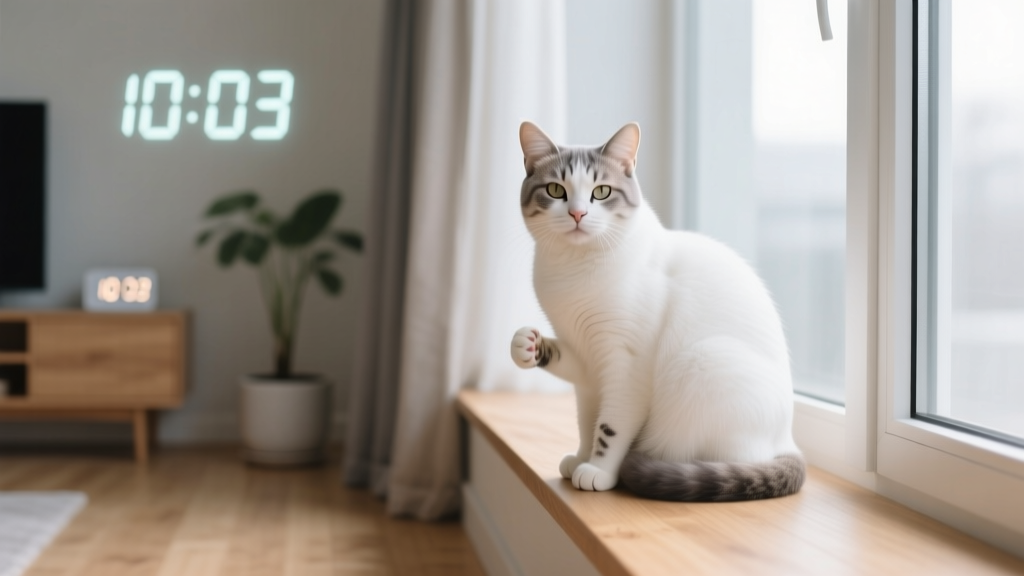
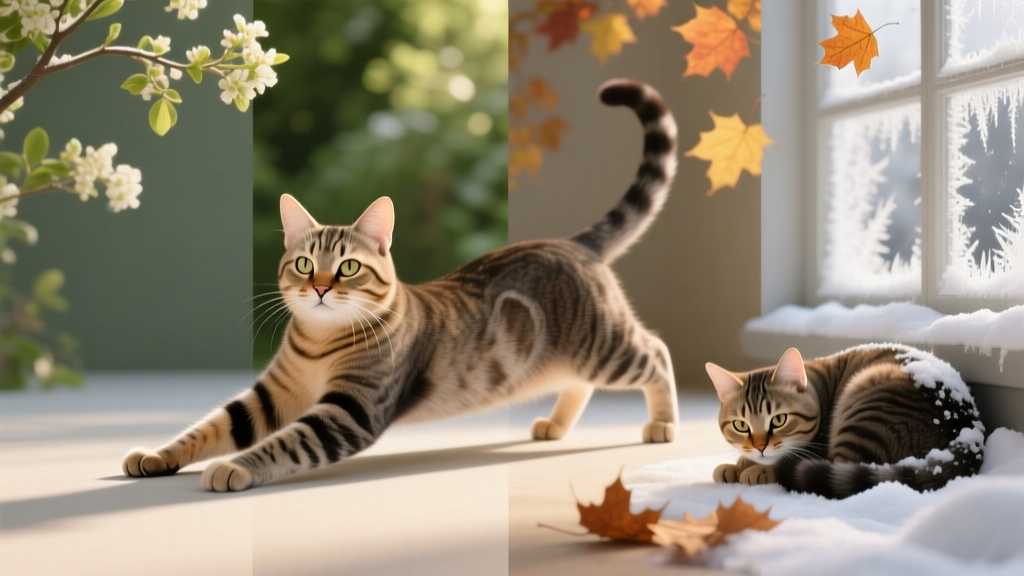
Do cats behavior change with seasons? Absolutely — and it’s far more profound than just shedding more fur in spring. Modern feline ethology research confirms that domestic cats retain deep-rooted photoperiodic and thermoregulatory instincts inherited from their wild ancestors, causing predictable, biologically driven shifts across all four seasons. These aren’t quirks — they’re evolutionary adaptations influencing everything from when your cat chooses to hunt (even if only imaginary prey), how intensely they bond with you, and whether they’ll suddenly start scratching the sofa at midnight. Ignoring these patterns doesn’t just mean puzzling over odd habits — it can lead to undetected stress, redirected aggression, or missed early signs of seasonal anxiety disorders.
How Light, Temperature, and Scent Drive Seasonal Shifts
Cats are photoperiod-sensitive — meaning their internal biological clocks respond directly to changes in day length, not calendar dates. As Dr. Sarah Halls, a certified feline behaviorist and researcher at the Cornell Feline Health Center, explains: “Cats don’t have calendars — they have retinas wired to melatonin rhythms. Even indoor cats exposed only to artificial light show measurable hormonal fluctuations tied to natural daylight shifts outside.” This affects three core systems:
- Neuroendocrine signaling: Longer days suppress melatonin, increasing serotonin and dopamine availability — boosting play drive and exploratory behavior.
- Thermoregulatory behavior: Cats seek microclimates: sunbeams in winter, cool tile floors in summer — but also adjust resting duration and location to conserve or dissipate heat.
- Olfactory-driven activity: Seasonal plant blooms, insect emergence, and even rain-dampened soil release volatile organic compounds that stimulate hunting instincts — even in sterilized indoor cats.
A 2022 University of Lincoln study tracked 127 indoor-outdoor cats via GPS collars and environmental sensors for 18 months. Results showed peak outdoor activity increased by 68% during vernal equinox (March–April), correlating strongly with rising ambient temperatures *and* pollen counts — suggesting scent-based triggers may be as powerful as light or warmth.
Season-by-Season Breakdown: What to Expect & How to Respond
Understanding each season’s behavioral signature helps you anticipate needs — and prevent problems before they escalate.
Spring: The Awakening Phase (March–May)
This is when cats experience their most dramatic surge in energy and sensory engagement. Increased daylight triggers reproductive hormones (even in spayed/neutered cats), elevating curiosity, vocalization, and object-directed play. You may notice your cat suddenly batting at dust motes in sunbeams, bringing ‘gifts’ (toys or crumpled paper), or meowing persistently at windows — especially at dawn.
Actionable tip: Redirect this energy with structured enrichment. Rotate puzzle feeders weekly, introduce new textures (crinkly paper tunnels, grass mats), and schedule two 10-minute interactive sessions daily using wand toys that mimic erratic prey movement. Avoid punishment for ‘annoying’ behaviors — they’re biologically hardwired.
Summer: The Heat-Adapted Slowdown (June–August)
Contrary to popular belief, cats don’t simply ‘laze around’ in summer — they strategically conserve energy. Core body temperature regulation becomes priority #1. Most cats reduce voluntary activity by 30–45% between 11 a.m. and 4 p.m., shifting peak activity to cooler hours: pre-dawn and late evening. Indoor cats often develop new ‘cool zones’ — bathroom tiles, basement floors, or even refrigerators (yes, some learn to nudge open fridge doors!).
But here’s the nuance: high humidity disrupts evaporative cooling, causing subtle stress. Watch for panting (rare in cats), excessive grooming of belly fur (to expose skin), or avoidance of favorite beds. A 2023 study in Journal of Feline Medicine and Surgery linked sustained indoor temps above 82°F (28°C) with elevated cortisol levels in 63% of sampled cats — even without visible symptoms.
Actionable tip: Install a smart thermostat set to 72–76°F during peak heat, add ceramic or marble cooling pads (not gel-filled — they lose efficacy fast), and offer frozen treats like tuna ice cubes (1 tsp tuna juice + water, frozen in silicone molds).
Fall: The Preparation & Withdrawal Phase (September–November)
As daylight shortens, melatonin production rises — triggering instinctual preparation for scarcity. Indoor cats may begin hoarding toys under furniture, sleeping deeper and longer, or showing increased clinginess (especially older cats). Outdoor-access cats dramatically increase scent-marking behavior — rubbing cheeks on doorframes, scratching posts near exits — reinforcing territorial boundaries before winter.
This season also brings the highest incidence of ‘seasonal reactivity’: sudden hissing at familiar people or objects, likely due to heightened sensory vigilance. Dr. Lena Cho, veterinary neurologist at UC Davis, notes: “Shorter days recalibrate threat thresholds. A vacuum cleaner that was ignored in July may provoke full defensive posturing in October — not because the cat is ‘scared,’ but because its nervous system is prioritizing environmental scanning.”
Actionable tip: Maintain routine rigorously — feed, play, and bedtime within 15-minute windows. Introduce calming pheromone diffusers (Feliway Optimum) 2 weeks before Daylight Saving Time ends. If your cat begins hiding more, add covered beds in quiet corners — never force interaction.
Winter: The Conservation & Bonding Mode (December–February)
Low light and cold temperatures shift cats into metabolic conservation mode. Average daily activity drops 22% compared to summer, per data from the 2022 Lincoln study. But crucially, social behavior often intensifies: cats sleep closer to owners, knead more frequently, and initiate more head-butts. This isn’t just ‘cuddling’ — it’s thermoregulatory cooperation and oxytocin-driven bonding reinforcement.
However, reduced outdoor stimulation combined with static indoor environments increases risk of boredom-related issues: overgrooming, fabric chewing, or nighttime yowling. Notably, indoor-only cats show higher rates of winter-onset stereotypies (repetitive, functionless behaviors) than outdoor-access cats — underscoring the need for environmental dynamism year-round.
Actionable tip: Simulate seasonal novelty: rotate ‘winter scent kits’ (dried pine needles in breathable sachets, cinnamon sticks), install a bird feeder outside a safe window, and use laser pointers *only* with a physical ‘catch’ reward (e.g., end each session with a treat or feather toy) to prevent frustration.
| Season | Key Behavioral Shifts | Physiological Triggers | Proactive Support Strategies |
|---|---|---|---|
| Spring | ↑ Dawn/dusk activity; ↑ vocalization; ↑ object play; ↑ window watching | Rising daylight → ↓ melatonin → ↑ serotonin/dopamine | Rotate 3 puzzle feeders weekly; add vertical space (cat trees near windows); use wand toys mimicking birds/insects |
| Summer | ↓ Midday activity; ↑ nocturnal restlessness; ↑ seeking cool surfaces; ↑ grooming intensity | Heat stress → ↑ cortisol; humidity disrupting thermoregulation | Install cooling pads; freeze wet food treats; run dehumidifier if RH >65%; avoid midday play |
| Fall | ↑ Scent marking; ↑ hiding; ↑ clinginess; ↑ startle response | Shortening days → ↑ melatonin → ↑ vigilance pathways | Use Feliway Optimum 2 weeks pre-DST; maintain strict feeding/play schedule; add covered beds in low-traffic areas |
| Winter | ↑ Co-sleeping; ↑ kneading; ↓ overall movement; ↑ nighttime vocalization | Low light → ↑ melatonin → ↑ oxytocin; cold → ↑ thermal bonding | Introduce seasonal scents (pine, cedar); install bird feeders; end laser sessions with tangible rewards; add heated beds |
Frequently Asked Questions
Do indoor-only cats really experience seasonal behavior changes?
Yes — decisively. A landmark 2021 study published in Applied Animal Behaviour Science monitored 92 strictly indoor cats across 12 months using motion-activated cameras and owner logs. 87% exhibited statistically significant seasonal patterns in activity onset, vocalization frequency, and resting location choice — proving that even minimal light exposure through windows and circadian cues from human routines (e.g., earlier wake times in summer) are sufficient to entrain feline biological clocks.
Can seasonal behavior changes signal illness?
They can — and often do. While gradual, predictable shifts are normal, abrupt or extreme deviations warrant veterinary attention. Examples: a cat who suddenly stops eating entirely in fall (possible dental disease masked by seasonal lethargy); overnight cessation of grooming in winter (early kidney disease sign); or persistent nighttime yowling *without* other winter behaviors (possible cognitive dysfunction or hyperthyroidism). Always rule out medical causes first — especially in cats over age 10.
Should I adjust my cat’s diet seasonally?
Not for caloric needs — cats’ metabolic rates remain stable year-round — but consider nutrient timing. In winter, slightly increase omega-3s (fish oil) to support skin barrier health against dry air. In summer, ensure hydration: add water to wet food or offer circulating fountains. Never restrict food based on activity level — underfeeding risks hepatic lipidosis. As Dr. Halls emphasizes: “Seasonal behavior isn’t about calorie burn — it’s about neurological and hormonal rhythm. Feed consistently; enrich dynamically.”
Do kittens and senior cats experience seasonal shifts differently?
Yes. Kittens (<6 months) show amplified spring/summer activity — their developing nervous systems are highly responsive to photoperiod cues. Seniors (>12 years) exhibit blunted seasonal responses but greater vulnerability to winter-related joint stiffness and anxiety. A 2023 geriatric feline study found seniors were 3.2x more likely to develop winter-onset separation anxiety, likely due to combined sensory decline and disrupted circadian entrainment.
Is seasonal behavior change more pronounced in certain breeds?
Not significantly — but temperament modulates expression. Highly active breeds (Abyssinians, Bengals) display more observable shifts in play drive; reserved breeds (Ragdolls, Persians) show subtler changes, often limited to sleep pattern adjustments. The underlying biology is universal; the behavioral output reflects individual personality, not breed genetics.
Common Myths About Seasonal Cat Behavior
- Myth #1: “Cats don’t care about seasons — they’re just lazy in winter.” Reality: Winter lethargy is an active metabolic conservation strategy, supported by elevated melatonin and lower thyroid hormone T4 levels measured in seasonal blood panels. It’s adaptive, not apathetic.
- Myth #2: “If my cat goes outside, seasonal changes won’t affect them.” Reality: Outdoor cats show *more* pronounced seasonal shifts — including migration-like territory expansion in spring and hibernation-style denning in deep winter — proving environmental input amplifies, rather than eliminates, innate rhythms.
Related Topics (Internal Link Suggestions)
- Why does my cat stare at nothing for hours? — suggested anchor text: "cat staring behavior explained"
- How to stop cat nighttime yowling — suggested anchor text: "stop cat yowling at night"
- Best puzzle feeders for indoor cats — suggested anchor text: "top puzzle feeders for cats"
- Cat anxiety signs and solutions — suggested anchor text: "cat anxiety symptoms"
- When to worry about cat behavior changes — suggested anchor text: "red flags in cat behavior"
Your Next Step: Start Your 30-Day Seasonal Behavior Journal
You now know seasonal shifts aren’t random — they’re your cat’s silent language, revealing their biological needs and emotional state. The most powerful tool isn’t expensive gear or supplements — it’s observation. Grab a simple notebook or use our free downloadable Seasonal Behavior Tracker to log just three things daily for 30 days: when your cat sleeps longest, where they choose to rest, and what time they’re most vocal or playful. Patterns will emerge — and with them, clarity. Within weeks, you’ll move from wondering “Do cats behavior change with seasons?” to confidently anticipating and supporting your cat’s natural rhythm — transforming seasonal confusion into compassionate, science-backed care.