Cat Whisker Language: What Position Tells You
Why Whisker Position Matters
Cat whiskers are more than just decorative features — they are sophisticated sensory tools that communicate your cat's emotional state. Understanding whisker positions can help you read your cat's mood in real time.
Forward-Pointing Whiskers
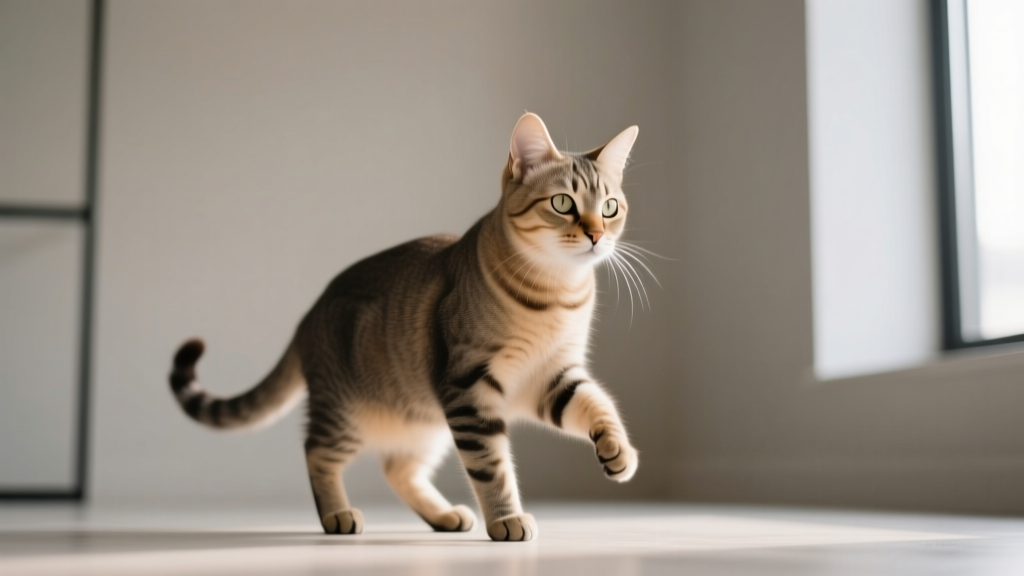
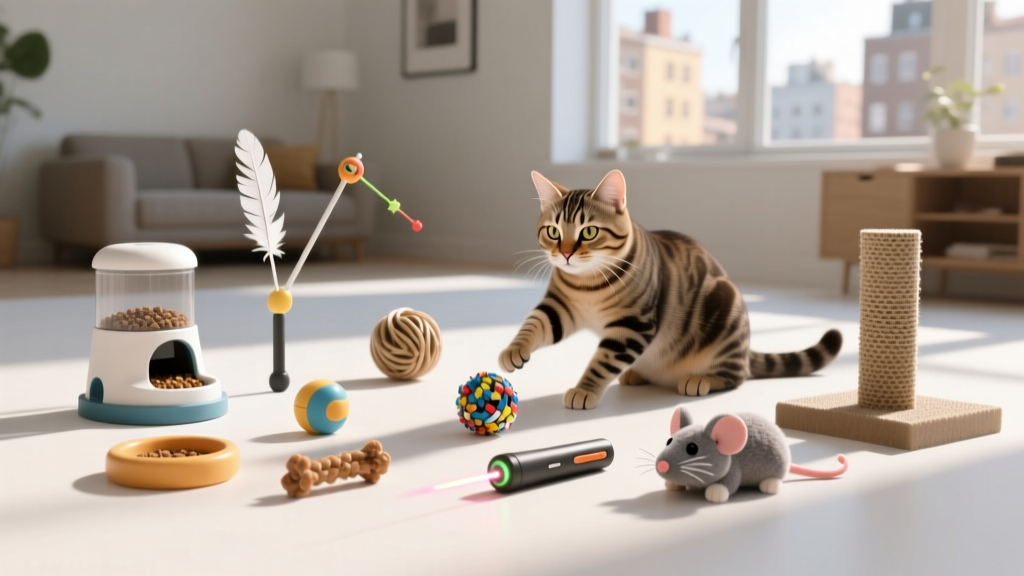
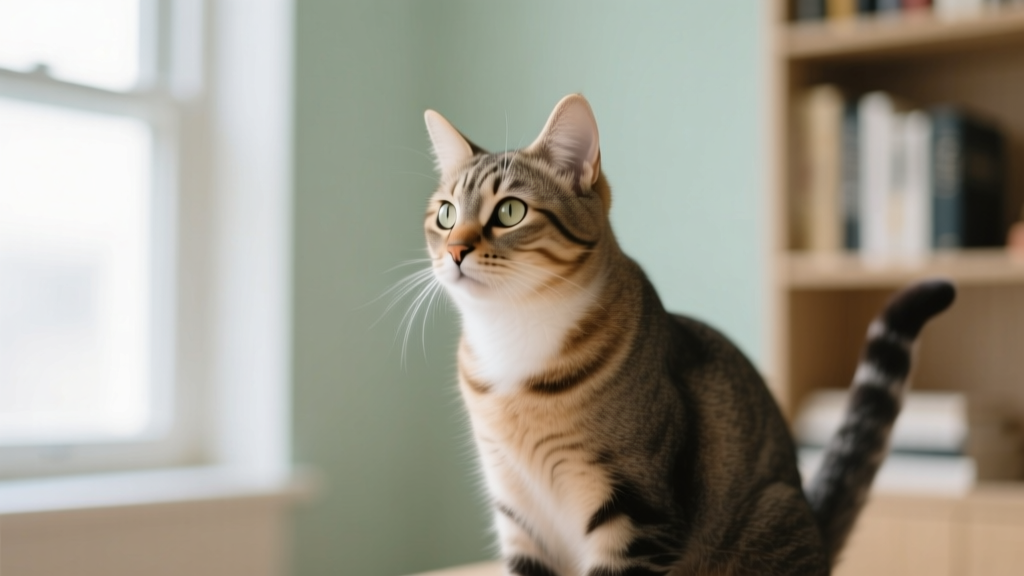
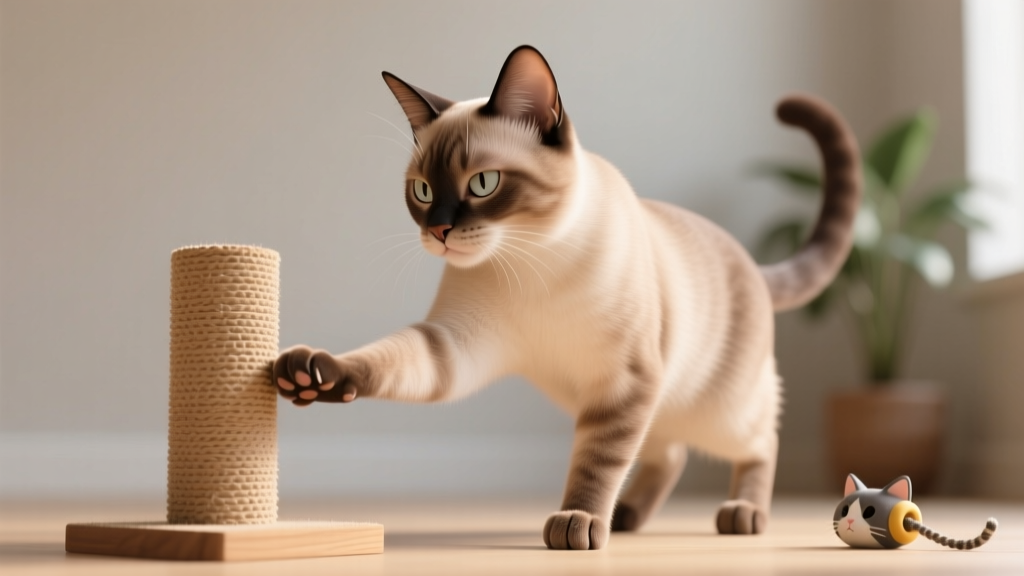
When whiskers fan forward, your cat is curious or excited. This happens during play, when investigating new objects, or when watching prey through a window. Forward whiskers signal engagement and alertness.
Relaxed, Sideways Whiskers
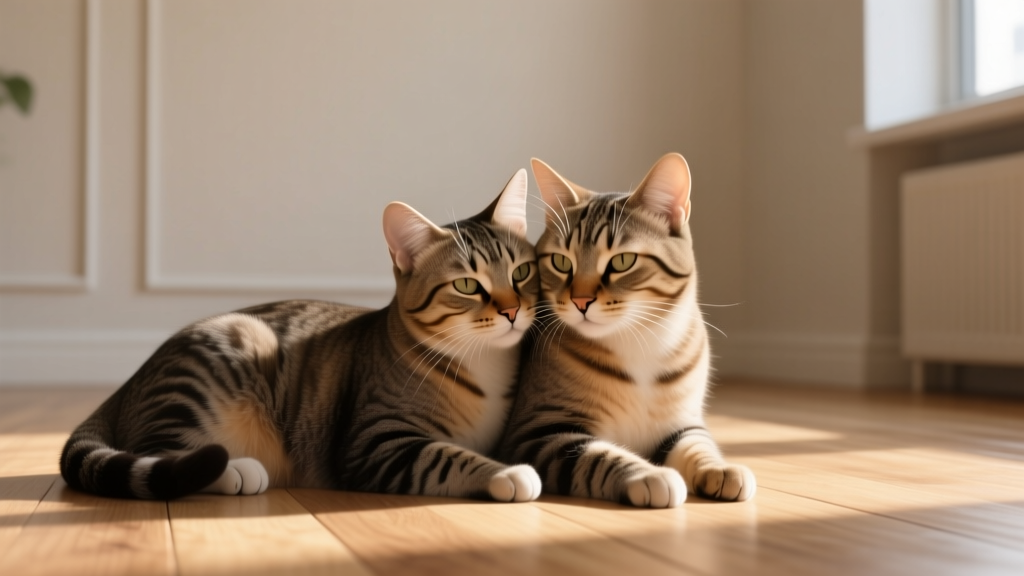
A content cat holds whiskers loosely to the sides. This neutral position means your cat feels safe and comfortable. You will often see this during gentle petting sessions or when your cat is resting nearby.
Flattened Whiskers
Whiskers pulled back tightly against the face indicate fear, aggression, or overstimulation. If you see this during play or handling, give your cat space immediately. Ignoring this signal can lead to scratches or bites.
Twitching Whiskers
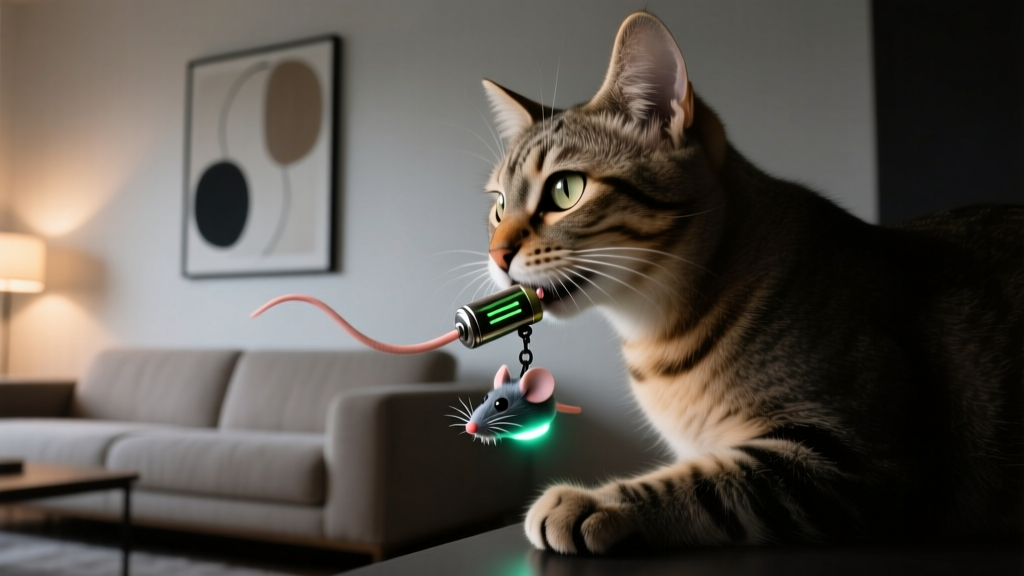
Rapid whisker movement often accompanies hunting behavior or intense focus. You might notice this when your cat watches birds or tracks a toy. It shows peak sensory engagement.
Quick Reference Guide
- Forward: Curious, engaged, playful
- Sideways: Relaxed, content, safe
- Flattened: Scared, aggressive, overstimulated
- Twitching: Focused, hunting mode
When to Be Concerned
If your cat's whiskers appear droopy on one side or your cat seems unable to move them, consult a veterinarian. Whisker fatigue from narrow food bowls can also cause discomfort — switch to wide, shallow dishes.