Cat Sunbeam Tracking: Moving With Light Throughout Day
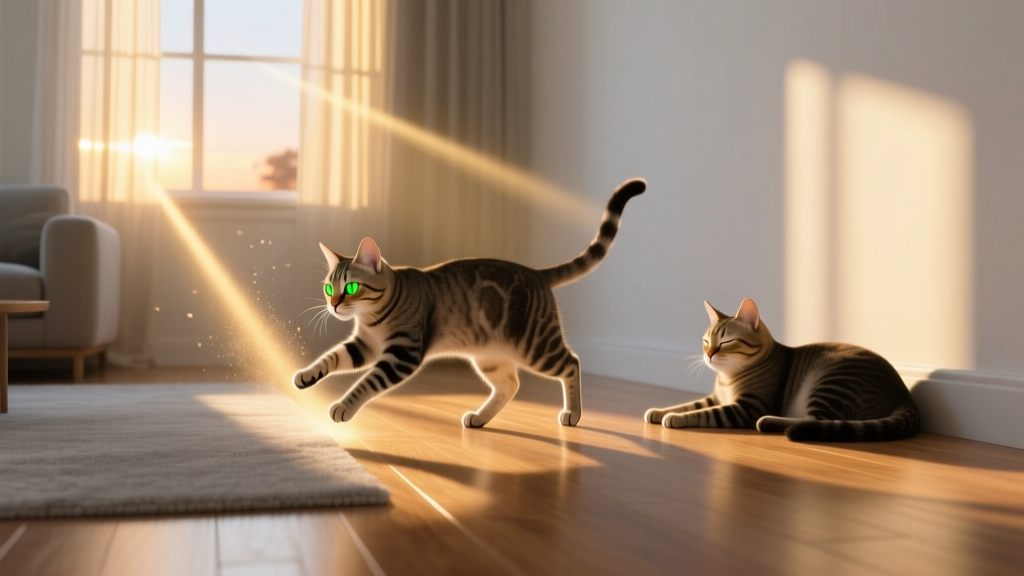
It starts innocently: you pour coffee, glance over, and your cat is arranged like a warm, furry croissant in a perfect rectangle of sunlight. An hour later, you look again—same cat, same serene expression… different spot. By lunchtime, they’ve migrated across the room like a tiny solar-powered Roomba. You didn’t move them. They didn’t even look like they “got up.” Somehow, the sunbeam shifted and your cat shifted with it.
If you’ve ever joked that your cat is “photosynthesizing,” you’re not far off in spirit. Sunbeam tracking—when a cat repeatedly repositions to stay in the brightest, warmest patch of light—may look like pure laziness. But it’s also a beautifully logical behavior rooted in feline biology, evolution, and a cat’s deep love of comfort and control.
Why Cats Track Sunbeams: The Science and Evolution Behind the “Solar Nap”
Cats are heat-seekers by design. Domestic cats descended from desert-dwelling wildcats (notably Felis lybica), and while your living room isn’t exactly a Saharan plain, their bodies still carry a strong preference for warm resting spots.
Cats also run a little “hotter” than we do—their normal body temperature is typically around 100.5–102.5°F (38–39.2°C). Maintaining that temperature costs energy. Any time your cat can borrow warmth from the environment (like a sunbeam), they can conserve calories and rest more efficiently. This is especially useful for a species built around short bursts of athletic effort followed by long recovery periods.
There’s also a behavioral angle: in the wild, warmth and safety often overlap. A comfortable basking spot can be a secure spot—elevated, dry, and offering a good view. Sunbeams in our homes frequently land in “advantageous” places too: near windows (great viewing), on couches (soft), or on beds (quiet, predictable territory).
In short: sunbeam tracking is part energy management, part comfort seeking, part environmental strategy.
How Sunbeam Tracking Looks in Real Life (and Why the Context Matters)
Not all sunbeam tracking is the same. The meaning can shift depending on where it happens, who else is around, and what your cat does before and after.
1) The Window Wanderer
Your cat follows sun patches along the window line: from the rug to the sill to the arm of the chair. This version is often a mix of warmth-seeking and “neighborhood watch.”
What you’ll notice: ears swiveling at outdoor sounds, slow blinks when you pass, occasional chirps at birds. The cat may nap lightly and wake quickly.
2) The Silent Relocation
You swear your cat teleported. They were in the sunbeam, then the sunbeam moved, and your cat is now precisely inside the new sunny outline.
What you’ll notice: minimal stretching, minimal drama. These cats are efficiency experts. They’ll wake just enough to adjust, then melt right back into rest.
3) The “Sunbeam + Soft Blanket” Combo
If your cat drags you into this ritual—meowing until you place a blanket in “the correct sun spot”—congratulations. You have a cat with strong comfort preferences and excellent staff training skills.
What you’ll notice: kneading, purring, drool, biscuit-making intensity. This is peak cozy behavior.
4) The Multi-Cat Sunbeam Negotiation
In a multi-cat household, sunbeams can become valuable real estate. Some cats share. Others treat the sun patch like a private resort.
What you’ll notice: subtle body blocking, slow-motion edging, one cat “accidentally” stretching a paw to expand their personal boundary. If tension exists, you may see staring, tail flicking, or one cat leaving abruptly.
5) The “I’m Cold” Tracker
Older cats, kittens, and slender or short-haired cats may track warmth more intensely.
What you’ll notice: tighter curling posture, seeking heat sources beyond sunbeams (radiators, laptops, warm laundry), and longer nap durations in warm areas.
What Sunbeam Tracking Says About Your Cat’s Mood
Most of the time, sunbeam tracking is an emotional green flag. Here’s what it commonly communicates:
- Contentment and safety: Cats nap deeply in places where they feel secure. A cat stretched out belly-up in the sun is basically telling you, “I trust this environment.”
- Low stress: A relaxed, sunbathing cat is generally not in fight-or-flight mode. You’ll often see loose muscles, slow blinking, and calm breathing.
- Healthy self-soothing: Warmth can be comforting. Many cats use heat like we use a cozy hoodie—regulating their internal “ahhh” level.
- Territorial confidence: Choosing a prime patch of light in a central room can be a quiet way of saying, “This is my home base.”
That said, the way a cat tracks sunbeams can offer extra clues. A cat who repeatedly repositions but seems restless, hypervigilant, or unable to settle might be responding to something else (noise, conflict with another pet, discomfort). The sunbeam is the clue—not always the whole story.
Related Behaviors You Might Notice
Sunbeam tracking rarely travels alone. If your cat is a light-chaser, you may also see:
- Heat-source magnetism: Radiators, heating vents, warm electronics, fresh laundry, heated blankets (with supervision), or the top of the fridge.
- “Loafing” and tight curling: Compact postures conserve heat. Paws tucked under the chest are the feline equivalent of putting your hands in your pockets.
- Window rituals: Morning window patrols, chattering at birds, scent-marking the sill with cheek rubs.
- Sun-induced grooming: Cats often groom in warm spots—comfort plus good lighting for fur maintenance.
- Nighttime heat-seeking: If your cat is a daytime sun tracker, they may also become an expert at finding the warmest spot on your bed at 3 a.m.
When Sunbeam Tracking Is Normal… and When It Might Be a Concern
Normal:
- Your cat moves a few times a day to stay in warm light.
- They appear relaxed, eat and drink normally, and engage in typical play (even if “typical play” is a 45-second sprint).
- They sunbathe more in colder months and less in hot weather.
Potentially concerning (worth a closer look or vet chat):
- Sudden obsession with heat: If your cat never cared about sunbeams and now constantly seeks warmth, consider pain or illness. Cats with arthritis, dental pain, or other discomfort may gravitate to heat for relief.
- Restlessness or inability to settle: Repeated shifting paired with panting, hiding, vocalizing, or agitation can signal stress, overheating, or medical issues.
- Overheating signs: Drooling, rapid breathing, lethargy, weakness, or bright red gums are not “sun nap vibes.” Move your cat to a cooler area and contact a vet urgently.
- Mobility changes: If tracking the sunbeam involves stiff movement, hesitation to jump, or yelping, arthritis or injury could be in play.
A simple rule: cozy and calm is normal; cozy and “off” is information. Trust your instincts if something feels different.
How to Respond (and How to Encourage It in a Cat-Friendly Way)
Sunbeam tracking is one of the sweetest “easy wins” in cat care because it supports rest, reduces stress, and gives your cat predictable comfort. A few ways to make it even better:
- Place a cozy mat in the sun path: A folded blanket, a cat bed, or a soft rug where sunlight lands can create a daily “charging station.” Bonus points if it’s near a window for enrichment.
- Create multiple warm options: If you have more than one cat, provide more than one sun-friendly spot to reduce competition. Two sun mats in different rooms can prevent silent standoffs.
- Offer a safe perch: A sturdy cat tree near a sunny window lets your cat combine warmth with security and a good view.
- Use gentle routines: If your cat naps in the sun at predictable times, try scheduling play before the nap window. Many cats enjoy a hunt-play-snack-sleep rhythm.
- Mind the temperature: In very hot weather, close blinds during peak heat, ensure fresh water access, and provide cool resting places too.
- Respect the sun trance: Some cats in a deep sun nap startle easily if touched. Speak softly before petting, and let them opt in.
Fun Facts and Research Nuggets About Sun-Loving Cats
- Warmth supports rest efficiency: When ambient temperature is comfortable, animals generally spend less energy on thermoregulation—meaning your cat can relax more fully.
- Cats have a “comfort zone” that often runs warmer than ours: Many cats prefer ambient temperatures that humans find a bit toasty, which is why that sun patch feels like luxury.
- Sunbathing can be social-proof of trust: Cats that stretch out in exposed positions (side-lying, belly partly up) are often demonstrating they feel safe in the household.
- Sunbeam tracking is environmental mapping: Cats are excellent at noticing tiny changes in their surroundings. That shifting patch of light is predictable, and predictability is calming.
FAQ: Common Questions About Cat Sunbeam Tracking
Is my cat sunbathing because they’re cold?
Sometimes, yes—especially kittens, seniors, and short-haired cats. But often it’s simply comfort and preference. Warmth feels good, and cats are experts at choosing “maximum cozy for minimum effort.”
Can cats get sunburned through windows?
They can, particularly light-colored cats or cats with thin fur on the ears and nose. Some window glass blocks UV, but not all. If your cat bakes in intense sun daily and has pale ears or a pink nose, talk to your vet about risk reduction (shading, limiting peak sun exposure, and monitoring skin).
Why does my cat move exactly when the sun moves?
Cats are highly sensitive to temperature and pattern changes. As the warmest spot shifts, your cat notices the difference quickly—even if it seems subtle to you. They adjust to stay in the “best” zone.
My cat guards the sunbeam and swats my other cat. What should I do?
Think of the sunbeam as a prized resource. Add more warm resting stations, create vertical options (cat trees, shelves), and avoid forcing “sharing.” If conflict persists, consider a behavior consult to address underlying tension.
Is it normal for my cat to nap all day in sunbeams?
Adult cats commonly sleep 12–16 hours a day (sometimes more). Sunbeams are prime nap locations. If your cat is otherwise eating, drinking, grooming, and interacting normally, it’s usually fine. If sleep increases suddenly or your cat seems withdrawn, schedule a vet check.
Should I buy a heated bed if my cat loves sunbeams?
It can be a great idea, especially in winter or for older cats—just choose a pet-safe option designed to avoid overheating, and place it in a quiet area. Many cats still prefer the “real sun,” but heated beds can provide reliable comfort when sunlight disappears.
Sunbeam tracking isn’t just a cute quirk—it’s a window into how your cat balances comfort, security, and energy. When you notice your cat migrating with the light, you’re watching a small daily ritual that says: “This home is safe, and I know exactly how to enjoy it.”
Does your cat have a favorite sunbeam schedule—kitchen mornings, living room afternoons, bedroom golden hour? Share your sunbeam stories (and your best “my cat moved three inches but acted like it was a major journey” moments) with fellow cat lovers over at catloversbase.com.