Cat Slow Walk vs Quick Walk: Body Language Reading
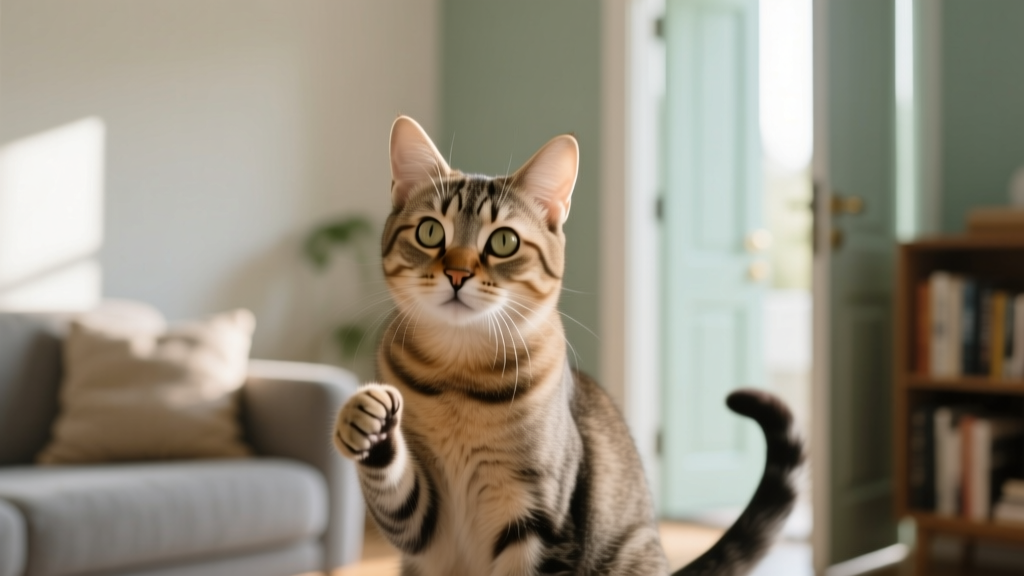
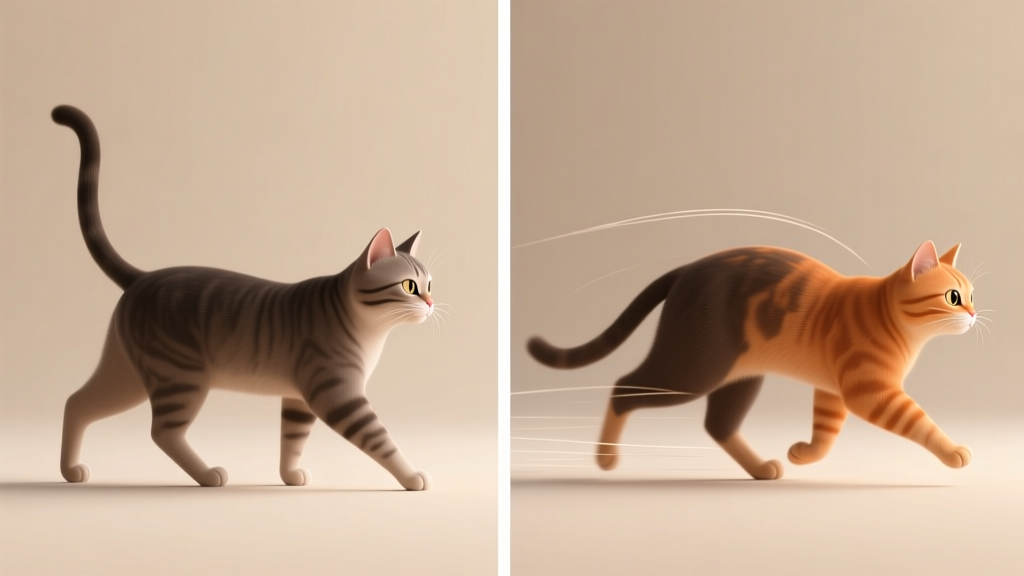
You’re on the couch, and your cat appears in the doorway like a tiny, furry stage actor. Sometimes they glide in with an unhurried, deliberate slow walk—tail gently lifted, paws placed with almost dramatic care—like they own the whole building. Other times, they zip past you in a quick walk (or a near-trot), eyes focused, body streamlined, as if they’ve just remembered an urgent appointment in the kitchen.
Same cat. Same hallway. Completely different vibe.
If you’ve ever wondered, “What does it mean when my cat walks like that?” you’re already reading cat body language the right way. A cat’s pace is communication. It’s not just about getting from point A to point B—it’s about emotion, intention, confidence, comfort, and sometimes even health. Here’s how to tell what your cat is “saying” with a slow walk versus a quick walk, and how to respond in a way that builds trust.
Why Cats Walk This Way: A Scientific (and Slightly Sneaky) Explanation
Cats are built for two main jobs: efficient hunting and careful survival. Even the fluffiest indoor cat is running ancient software—predator instincts layered with a prey animal’s caution.
- Predator programming: Cats stalk. They conserve energy, move quietly, and choose the pace that best supports their goal—approach, pounce, observe, retreat.
- Prey-animal awareness: Cats are also vulnerable to bigger predators. That means they’re wired to scan for threats, avoid confrontation, and move in ways that keep them safe.
- Energy economics: A cat’s body is designed for short bursts of speed, not marathon running. Slow walking can be energy-efficient and controlled; quick walking is often purpose-driven (food, play, escape, curiosity).
- Social signaling: Cat movement communicates mood and intent to other animals—yes, including humans. Pace plus posture is like a sentence with punctuation.
So when your cat changes speed, they’re not being random. They’re adapting to context—and offering you clues.
Slow Walk vs Quick Walk: A Context-by-Context Breakdown
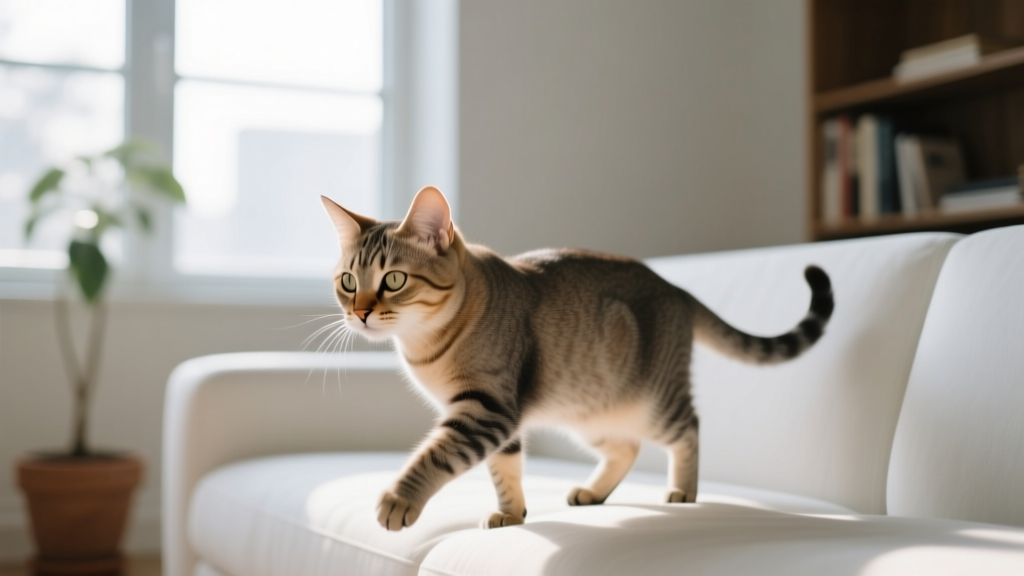
The “Slow Walk” (The Glide, The Stroll, The Casual Parade)
A slow walk usually looks smooth and controlled. Your cat may place paws carefully, shift weight subtly, and keep their body relaxed. Common scenarios:
- Slow-walking toward you: This can be friendly confidence. They may be approaching for attention, a head bump, or to flop nearby like a Victorian fainting couch enthusiast.
- Slow-walking through a familiar area: Often a sign of comfort. They know the territory, so there’s no rush.
- Slow-walking while looking around: Investigation mode. They’re gathering information—scent, sound, movement—without committing to any action yet.
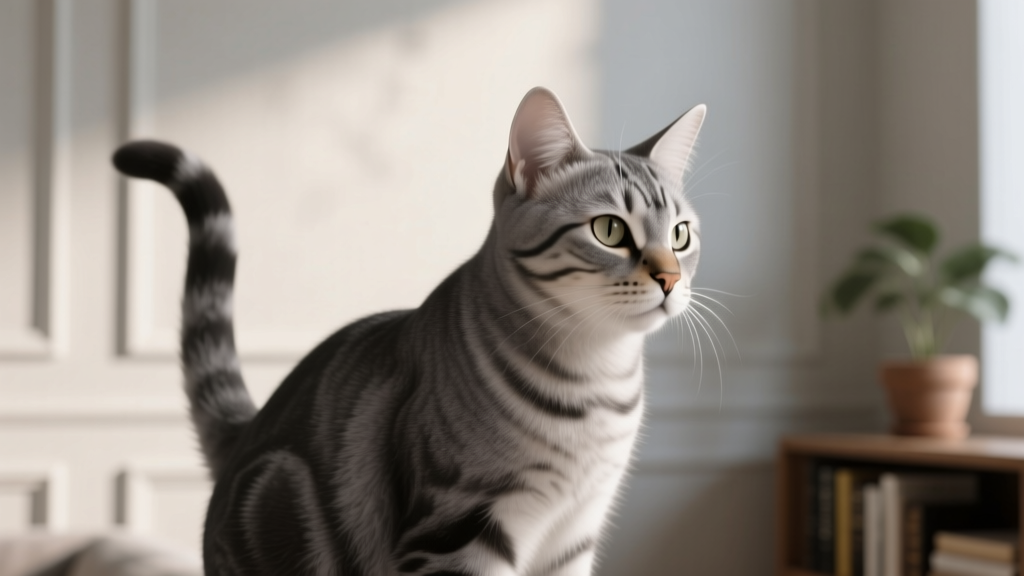
- Slow-walking with a high tail: Social openness. Tail-up is often a “hello” signal, especially if the tip is gently curled.
- Slow-walking and pausing frequently: Caution or uncertainty. Something in the environment might feel “off” (a new object, a strange sound, a visitor).
Classic example: You bring home a cardboard box. Your cat slow-walks toward it like a detective entering a questionable alley, pauses, sniffs the air, then circles with intense seriousness.
The “Quick Walk” (The Purpose March, The Hustle, The I’m-Busy Strut)
A quick walk is typically more direct: head forward, body streamlined, fewer pauses, a sense of intention. Common scenarios:
- Quick-walking to the food area: Anticipation, routine, or hunger. If it’s near mealtime, your cat may be running on schedule like a furry commuter.
- Quick-walking away from something: Avoidance. This could be as mild as “I don’t feel like being petted right now” or as strong as “that noise scares me.”
- Quick-walking during play: Pre-pounce arousal. Many cats quick-walk before switching to a crouch or a sudden sprint.
- Quick-walking after the litter box: Some cats get a burst of energy afterward (yes, it’s a thing). It’s often relief + excitement + a desire to reset their scent footprint elsewhere.
- Quick-walking with ears angled back or body low: Stress or uncertainty. Speed plus tension is a different message than speed plus confidence.
Classic example: You open the treat drawer. Your cat appears instantly, quick-walking with laser focus, as if the hallway has become an airport moving walkway.
What the Pace Says About Your Cat’s Mood
Pace is only one piece of body language, so pair it with posture, tail, ears, eyes, and overall “muscle tone.” Here are the most common emotional translations.
Slow Walk: Common Emotional Meanings
- Calm and secure: Loose body, neutral ears, soft eyes. This is the “I feel safe here” stroll.
- Social and friendly: Tail up, perhaps a little chirp, maybe a slow blink as they approach.
- Curious and assessing: Slow pace with frequent sniffing, head turns, and pausing.
- Uncertain or wary: Slow pace with a lower body, cautious foot placement, ears swiveling like satellite dishes.
Quick Walk: Common Emotional Meanings
- Motivated and goal-oriented: “I’m going somewhere.” Often seen in routine-based cats.
- Excited or playful: Quick walk that escalates into a trot or a pounce, with bright eyes and forward attention.
- Overstimulated or avoiding contact: Quick walk away after petting can mean “that’s enough.” Respecting this helps prevent swats or bitey moments.
- Nervous: Quick movement plus tension—tail low, ears partially back—can indicate stress.
Quick decoding tip: A relaxed cat can move quickly. A stressed cat can also move quickly. The difference is in the “tightness” of the body. Relaxed looks smooth; stressed looks rigid or low-to-the-ground.
Related Behaviors You Might Notice (and How They Connect)
Once you start watching walking pace, you’ll notice your cat rarely communicates with just one signal. Here are some common add-ons:
- Tail position changes: Tail up often pairs with friendly slow walking; tail low or tucked may appear with cautious quick movement away.
- Slow blink while approaching: A calm, affiliative signal—often paired with that gentle “slow walk toward you.”
- Freezing mid-walk: A sudden stop can mean they heard something, are deciding whether to approach, or are unsure.
- Arched back “Halloween” posture: Not a walking style so much as a whole-body exclamation point—fear, defensive play, or startled excitement.
- Sideways crab walk: Often playful (especially in kittens), sometimes defensive. Context matters.
- Meowing while walking: Some cats narrate their movements (“I’m coming!” “Follow me!” “Notice me!”), especially social or routine-driven cats.
When Slow or Quick Walking Might Be a Concern (Versus Totally Normal)
Most pace changes are normal communication. But walking can also reveal discomfort or illness. Watch for patterns, not single moments.
Potential Concern Signs
- Sudden slowdown with stiffness: Could indicate pain (arthritis, injury), especially if your cat hesitates to jump.
- Quick walking that looks frantic or disoriented: If paired with yowling, confusion, or pacing, check with a veterinarian—especially in older cats.
- Uneven gait or limping: Always worth a vet check, even if it “comes and goes.”
- Walking very low and hiding more: Can signal fear, illness, or pain.
- New avoidance routes: If your cat suddenly speeds around an area they used to stroll through, something there may be scaring them (another pet ambush, loud appliance, conflict zone).
Rule of thumb: If the pace change comes with appetite changes, hiding, litter box changes, vocal changes, or obvious stiffness—treat it like a health clue, not just a personality quirk.
How to Respond (and Encourage the Good Stuff)
Your best tool is respectful observation. Cats love being understood—even if they pretend they don’t need anyone.
If Your Cat Is Slow-Walking Toward You
- Offer a soft greeting: Blink slowly. Turn your body slightly sideways (less intense than facing head-on).
- Let them close the distance: Reaching too fast can change a friendly stroll into a cautious retreat.
- Reward connection: If they rub on you or sit nearby, reinforce with gentle petting (if they enjoy it) or a treat.
If Your Cat Quick-Walks Away
- Respect the exit: This is how cats keep interactions peaceful. Following can escalate stress.
- Check for overstimulation: If they leave after a few strokes, try shorter petting sessions, focusing on head/cheeks rather than full-body petting.
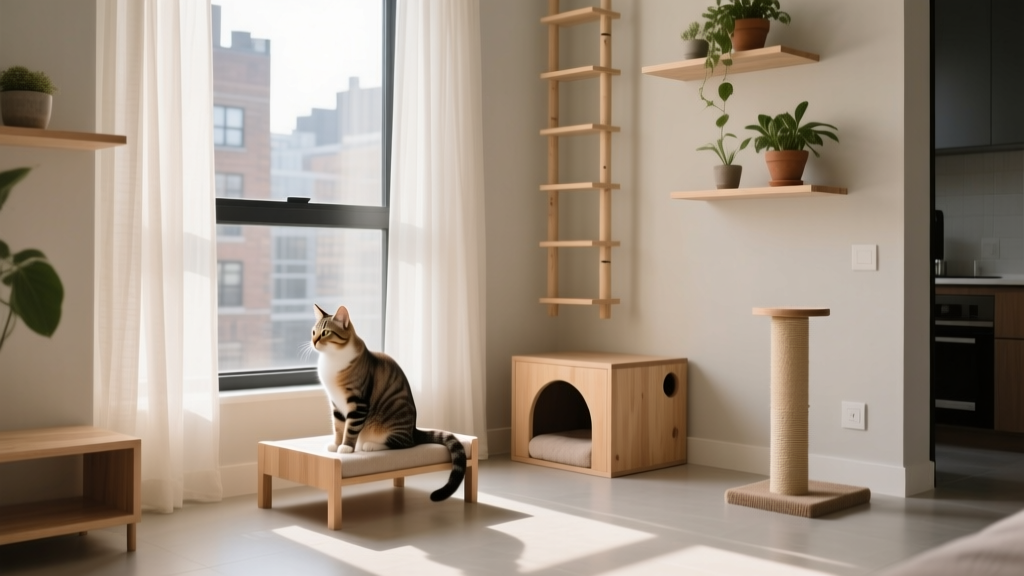
- Adjust the environment: If your cat is quick-walking away from certain areas, consider whether they need more hiding spots, vertical space, or quieter zones.
If Your Cat Quick-Walks with Purpose (Food, Play, Routine)
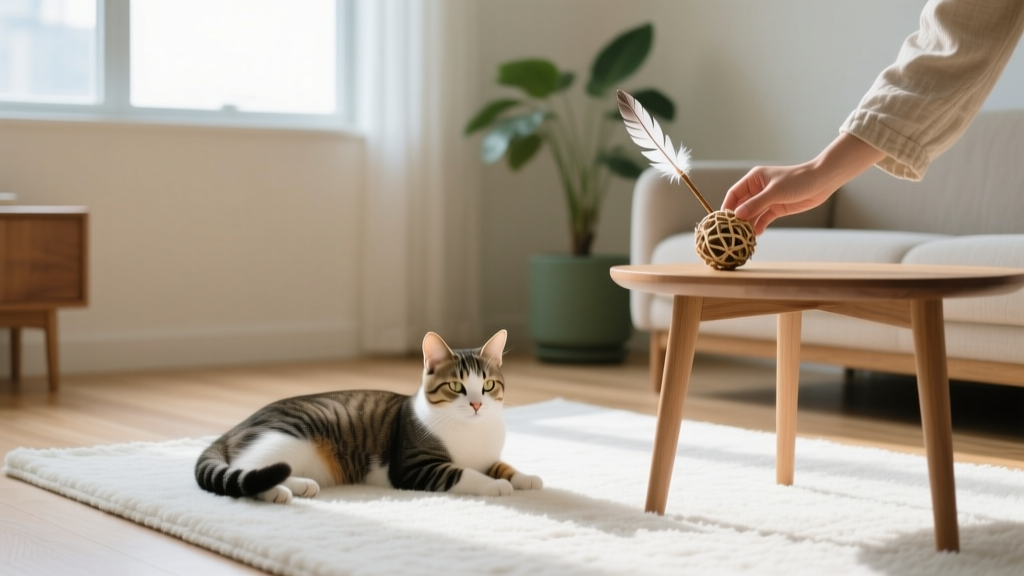
- Use it as enrichment: Set up a short “hunt path” with a treat puzzle or toss a toy to channel that energy appropriately.
- Build predictable routines: Many cats find comfort in knowing what happens when—especially around meals and playtime.
Fun Facts and Research-Flavored Nuggets
- Cats optimize effort: Movement choices often reflect energy conservation. A slow walk can be a strategic “no wasted motion” approach, not laziness.
- Confident cats take up space: A relaxed, unhurried walk through open areas can signal that a cat feels safe in their territory.
- Pace is part of the “distance conversation”: Cats constantly negotiate proximity—how close is comfortable, how long, and under what conditions. Walking speed is one of their negotiation tools.
- Indoor environments change the script: In small homes, cats may quick-walk simply because there’s less distance between “spots,” while a slow walk might show up more often in multi-room territories where they can patrol.
FAQ: Cat Slow Walk vs Quick Walk
Why does my cat slow walk and stare at me?
Often it’s a combination of curiosity and social attention-seeking. If their body looks loose and the ears are neutral/forward, they may be inviting interaction. If the body is tense or low, they may be uncertain and assessing what you’ll do next.
My cat quick-walks away when I pet them. Are they mad?
Not necessarily. Many cats walk away to prevent overstimulation or to keep control of the interaction. Try fewer strokes, pause sooner, and watch for early “I’m done” signs like skin twitching, tail swishing, or ears rotating back.
Is a slow walk always a sign my cat is relaxed?
No—slow can also mean cautious. A relaxed slow walk looks fluid, with normal posture and soft eyes. A cautious slow walk often includes frequent pauses, a lower body, and scanning ears.
Why does my cat quick-walk after using the litter box?
This is common and usually normal. Some cats experience a burst of energy after elimination—relief, arousal, or a desire to move away from the litter area quickly. If it’s paired with straining, crying, or frequent trips, contact your vet.
My older cat is walking more slowly lately—should I worry?
A gradual slowdown can be normal aging, but it can also suggest arthritis or other discomfort—especially if jumping decreases or stiffness appears after rest. A vet check and a comfort-focused home setup (ramps, soft beds, easy-access litter boxes) can make a big difference.
How can I tell the difference between “quick walk = playful” and “quick walk = stressed”?
Look at the whole body: playful quick walking often comes with bright eyes, forward attention, and bouncy transitions into pouncing. Stressed quick walking tends to look tight, low, and vigilant, with ears angled back and a tail held low or tucked.
Your cat’s walking pace is a little window into their internal world—confidence, curiosity, excitement, avoidance, or comfort. The more you notice patterns (what happens right before and right after), the more “fluent” you become in cat.
Have a cat who does a dramatic slow stroll when guests arrive, or a quick purposeful march the moment you stand up? Share your cat’s funniest walking habits and your best “cat body language” discoveries with the community at catloversbase.com.