Cat Slow Blink: What It Means and How to Use It
The Science Behind the Slow Blink
A 2020 University of Sussex study confirmed: slow blinking is genuine cat-human communication. Cats who received slow blinks were more likely to blink back and approach unfamiliar hands.
What a Slow Blink Communicates
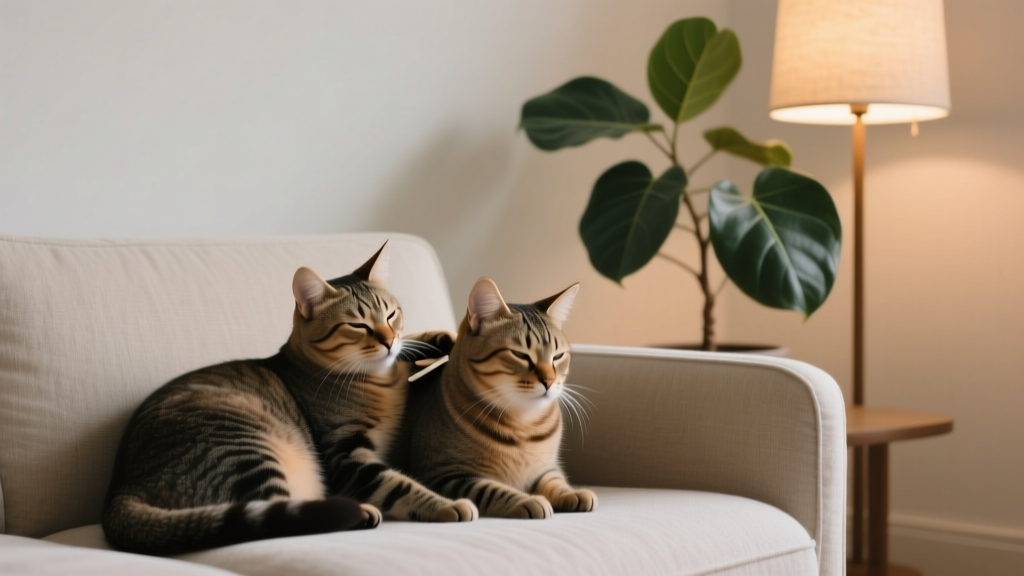
Closing the eyes signals trust and lack of threat. Direct staring is aggressive — predators lock eyes before attacking. Slow blinking says "I feel safe with you." When you blink back, you speak their language.
How to Slow Blink Properly
- Position yourself at or below your cat's eye level.
- Make soft eye contact (not a hard stare).
- Slowly close your eyes over 2-3 seconds.
- Keep them closed for a brief moment.
- Slowly open them again over 2-3 seconds.
- Repeat 2-3 times, then look away gently.
Reading Your Cat's Response
Positive: Blinks back, turns head away, or approaches you. They accept the communication.
No response: Looks away or walks off. Not rejection — they may not be in the mood.
Negative: Dilated pupils, ears back, tail lashing. Cat is stressed. Give them space.
When to Use Slow Blinking
- Meeting a new cat: Reduces threat of direct gaze.
- During vet visits: Can help stressed cats calm down.
- Building trust with shy cats: Often works when other approaches fail.
- Daily bonding: Strengthen the human-cat bond.
Limitations
Not all cats slow blink. Some don't use this behavior, which doesn't mean they don't trust you. Look for other signals: kneading, head-butting, purring in your presence.