Cat Paw Touching Water Bowl Before Drinking
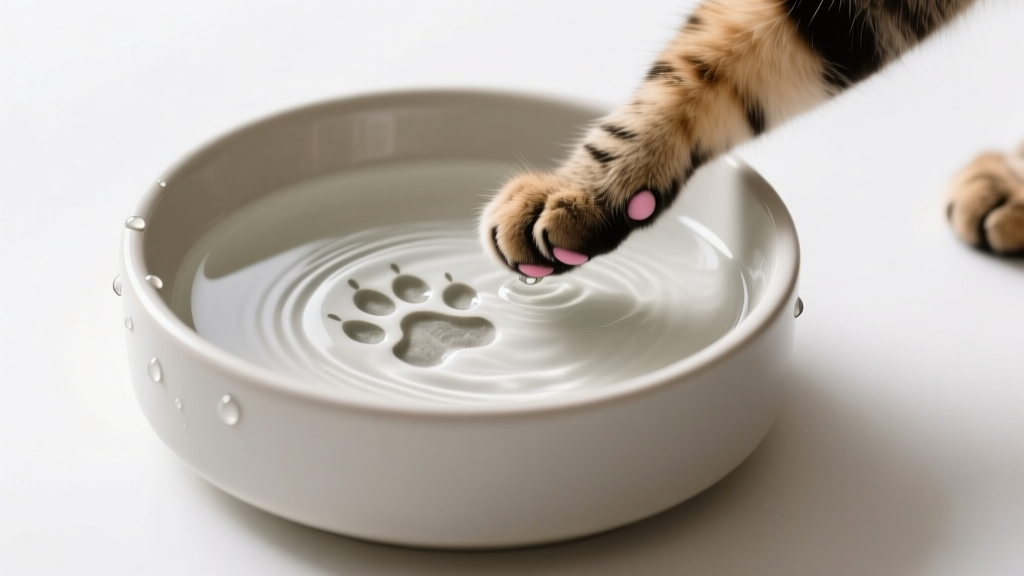
You pour fresh water into your cat’s bowl. They trot over like they’re parched from crossing a desert. Then… they stop. They stare at the surface like it’s suspicious. One paw lifts, slow and deliberate, and tap tap—they touch the water (or the rim) before taking a sip. Sometimes they repeat it several times. Sometimes they even “stir” the water like a miniature barista. Meanwhile you’re standing there thinking, “Are you testing it for poison? Are you… washing your hands?”
If this sounds like your home, you’re in good company. Paw-touching before drinking is one of those classic cat behaviors that looks quirky and random—until you see it through a feline lens. It’s usually normal, often smart, and occasionally a clue that your cat is picky about their environment.
1) The Scientific & Evolutionary Reasons Cats Paw at Water
Cats didn’t evolve as big “water seekers” the way dogs did. Domestic cats descend from desert-adapted ancestors (think: Middle Eastern wildcats) who got much of their moisture from prey. That evolutionary background matters because it shaped how cats approach water: cautiously, efficiently, and with a strong preference for safety.
Here are the main science-backed ideas behind the paw-tap:
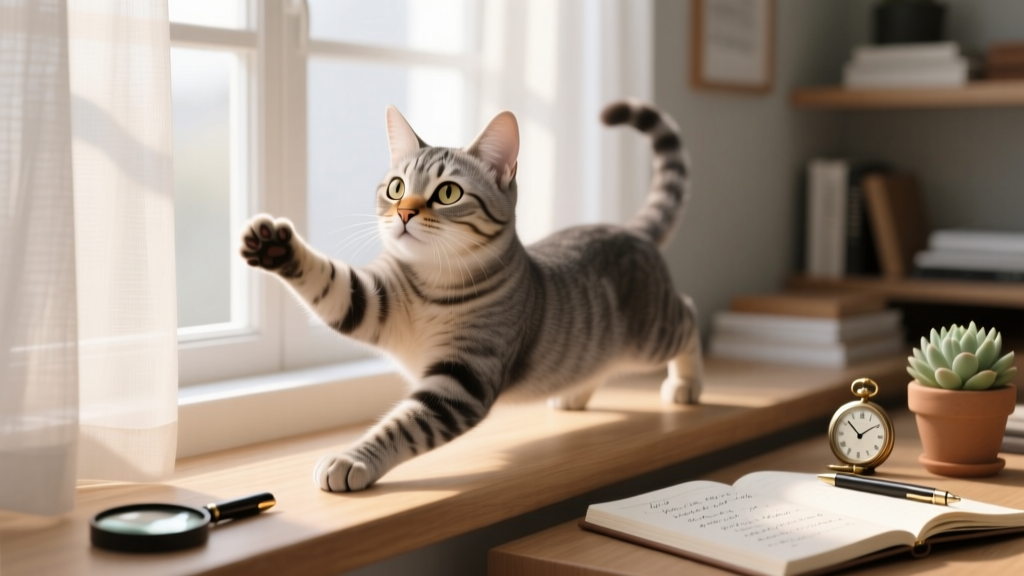
- Depth and surface testing: Still water can be visually tricky for cats, especially in certain lighting. A reflective surface can look like “nothing” or like a mirror. Tapping creates ripples, giving the brain better cues: “Yes, that’s water, and it’s right here.”
- Safety check: In the wild, stagnant water can be contaminated. Cats are naturally suspicious of anything that might be unsafe. A paw touch can be a quick “inspection” ritual before committing their face to it.
- Whisker comfort (whisker stress): Many cats dislike their whiskers brushing the sides of a narrow or deep bowl. Touching the water with a paw can help them gauge the level or avoid dunking their face too far.
- Control and predictability: Cats feel calmer when they can predict outcomes. A paw tap makes the water’s behavior more predictable (ripples, sound, movement). Your cat isn’t being dramatic—this is feline problem-solving.
- Hunting instincts in disguise: Movement triggers a cat’s attention system. By making the water move, they’re engaging the same “track and assess” circuitry used for prey.
So no, your cat isn’t trying to annoy you. They’re running a tiny, ancient software program labeled: “Confirm this is safe and usable.”
2) A Detailed Breakdown: Different Contexts, Different Meanings
Not all paw-taps are the same. The details matter—how they touch the bowl, what their body looks like, and what happens next.
They tap the water once, then drink normally
This is the most common version: a quick ripple, then a sip. Think of it like knocking on a door before entering. It’s typically just confirmation that the water is there and at the right level.
They repeatedly “pat” or “stir” the water
If your cat swirls their paw and watches the surface closely, they may be trying to make the water more visible (especially if the bowl is shiny or the room lighting creates glare). Some cats also do this when the water is very still and they prefer a hint of movement.
They touch the rim or the outside of the bowl
This often shows up when cats are uncertain about the bowl setup: a new bowl, a moved location, a strange smell (new dish soap, anyone?), or a slippery floor. The rim-touch can be a “stability check.” Cats like sturdy, non-wobbly resources.
They scoop water and lick it off their paw
This is a big one. Some cats genuinely prefer paw-drinking. Reasons include:
- They dislike getting their face close to the water (whiskers, reflections, or perceived vulnerability).
- The bowl is too narrow or deep, pressing on whiskers.
- They’ve learned it works and… it’s kind of fun.
If your cat is scooping and licking calmly, it can be completely normal. Messy, yes. Wrong, no.
They paw at the water and then walk away
This can mean the water didn’t “pass inspection.” Common culprits: stale water, food crumbs floating, a strong odor, a bowl too close to the litter box, or a location that feels unsafe (busy hallway, loud appliance nearby).
They paw at the water aggressively and splash everywhere
This can be play behavior, stress displacement (a little “I don’t know what to do with my feelings”), or frustration. Watch the rest of the body language to interpret it accurately.
3) What Paw-Touching Says About Your Cat’s Mood
Cats communicate with posture, pace, and tiny choices. Here’s what the water-tap can reveal:
- Calm and curious: Slow tap, relaxed tail, soft face, then drinking. Your cat is comfortable and simply gathering information.
- Cautious or mildly unsure: Pauses, repeated tapping, ears swiveling, scanning the environment. They’re not panicking—just carefully evaluating.
- Playful or energized: Fast taps, little pounces, watching splashes. Often happens with kittens or young cats, or when they’re under-stimulated.
- Stressed or tense: Jerky movements, low crouch, tail flicking, leaving quickly. This suggests something about the setup feels “off.”
One of my favorite ways to think about it: the water bowl is a resource, and cats take resources seriously. Their “quirks” are often their strategy for feeling secure.
4) Related Behaviors You Might Also Notice
If your cat taps the water before drinking, you may see other “quality control” behaviors too:
- Staring at the bowl for a long time before taking a sip (checking reflections, movement, safety).
- Drinking from the faucet or begging for running water (movement is easier to see; many cats prefer fresher-tasting water).
- Knocking the bowl slightly to make ripples (same visibility trick).
- Dragging toys to the water bowl (play + fascination with water movement).
- Preference for wide, shallow dishes (whisker comfort).
- Drinking from “weird” places like a plant saucer or shower floor (cats often prefer novelty or different mineral tastes—though those sources aren’t always safe).
5) Normal vs. Concerning: When to Pay Closer Attention
Paw-touching is usually normal. But any drinking-related change deserves a quick mental checklist, because hydration is tied closely to kidney and urinary health.
Usually normal:
- They’ve always done it.
- They tap once or twice, then drink.
- They’re otherwise eating, playing, and using the litter box normally.
Potential concern (call your vet if you notice these):
- Sudden new obsession with water (drinking much more than usual).
- Pawing and refusing to drink for a day, or drinking dramatically less.
- Drooling, pawing at the mouth, bad breath, or visible oral discomfort (dental pain can make drinking awkward).
- Frequent urination, accidents, or straining in the litter box (urgent, especially for male cats).
- Lethargy, vomiting, weight loss alongside changes in drinking behavior.
Also consider simple environmental causes before you panic: a new cleaning product smell on the bowl, a moved water station, a different water source, or a bowl that’s suddenly sliding around.
6) How to Respond (and When to Encourage It)
You don’t need to “train out” paw-tapping. Your goal is to make drinking comfortable and appealing while respecting your cat’s preferences.
Upgrade the bowl situation
- Choose a wide, shallow bowl (often helps whisker-sensitive cats).
- Use ceramic or stainless steel (less odor retention than plastic; easier to clean thoroughly).
- Place it on a non-slip mat so the bowl doesn’t wobble or skid (many cats hate unstable dishes).
Consider water placement like a cat would
- Keep water away from the litter box and ideally away from the food bowl too (many cats prefer separation).
- Offer multiple water stations in quiet areas, especially in multi-cat homes.
Make water more “interesting” (the healthy way)
- Try a cat water fountain if your cat likes movement (many do).
- Refresh daily and wash bowls regularly—cats notice stale flavors you can’t smell.
If your cat scoops water with their paw
It’s usually fine—just manage the mess. Use a waterproof mat and keep the bowl in an easy-clean area. If scooping starts suddenly, consider whether the bowl shape or whisker discomfort is pushing them toward paw-drinking.
7) Fun Facts & Research-Style Nuggets
- Still water can be visually challenging. Cats rely heavily on motion cues. Ripples provide contrast and depth information, especially in bright rooms where the surface reflects light.
- Cats are “micro-managers” of resources. Food, water, litter—these aren’t casual items to a cat. Small changes can trigger investigation rituals like tapping, sniffing, or watching.
- Whiskers are sensory tools, not decorations. They help cats navigate space. A narrow bowl can overstimulate whiskers, leading to avoidance, pawing, or picky drinking habits.
8) FAQ: Common Questions Cat Owners Ask
Why does my cat touch the water before drinking?
Most commonly to create ripples and confirm the water’s location and depth, or to check that the water feels safe and accessible. It can also be related to whisker comfort or preference for movement.
Is my cat being playful or anxious?
Watch body language. Slow, relaxed tapping followed by normal drinking suggests curiosity. Fast splashing, tense posture, tail flicking, or walking away repeatedly can suggest stress, frustration, or that something about the setup is bothering them.
Should I switch to a fountain?
If your cat prefers moving water (or seems to tap repeatedly to “make” movement), a fountain can be a great solution. Keep it clean—fountains can build up slime if neglected, and cats will notice.
Why does my cat scoop water with their paw instead of drinking normally?
This can be a whisker comfort issue, a preference for control, or a learned habit. Try a wider, shallower bowl first. If it’s a sudden change, rule out dental pain or other discomfort with your vet.
My cat paws at the bowl and then won’t drink—what should I do?
Refresh the water, wash the bowl (unscented soap, rinse well), move the station to a quieter spot, and try a different bowl material. If your cat avoids drinking for 24 hours or shows other symptoms, contact your vet.
Is pawing at water ever a sign of illness?
By itself, usually no. The concern is when it’s paired with major changes in thirst, appetite, urination, energy, or signs of mouth pain. Any big shift in drinking behavior is worth a vet check.
Better Water Habits, Better Cat-Human Relationships
The sweetest part of understanding a behavior like this is realizing your cat isn’t “being weird” just to be weird. They’re problem-solving. They’re trying to drink in a way that feels safe, comfortable, and predictable. When you adjust the environment—bowl shape, location, freshness—you’re speaking your cat’s language: “I see you. I’ll make this easier.”
Does your cat tap the water like they’re performing a tiny science experiment? Or do they scoop it with a paw and drip across the floor like a proud little goblin? Share your cat’s water-bowl rituals and stories with the Cat Lovers Base community at catloversbase.com—we want to hear all about your household’s strangest hydration habits.