Cat Paw Resting on the Pet Carrier: Territory Mark
You pull the pet carrier out of the closet and—like magic—your cat appears. Maybe they’re suddenly “just in the area,” or maybe they’re outright glued to it. You’re trying to zip the flap, and there it is: one deliberate paw placed on the carrier like a tiny hand claiming a suitcase. Sometimes they sit beside it with a paw draped over the edge. Sometimes they tap it and leave the paw there, staring at you as if to say, “Yes, this is mine.”
If you’ve ever wondered whether that paw is a territorial power move, a comfort-seeking gesture, or a subtle protest against the vet appointment you haven’t even mentioned yet—good instincts. That simple paw-rest can be a surprisingly rich piece of feline communication.
Why Cats Do This (The Science and the Wild-Ancestor Logic)
Cats are territorial by design. Their wild relatives survived by controlling access to resources—food, safe resting spots, and escape routes. To maintain that control without constant fighting, cats evolved a sophisticated “scent-based messaging system.”
Here’s the key idea: to a cat, ownership isn’t just about sitting on something. It’s about smell. Cats carry scent glands in multiple places, including:
- Paws (between the toes and on the paw pads)
- Cheeks (facial pheromones used for friendly marking)
- Chin and lips
- Tail base
When a cat places a paw on an object—especially a high-interest object like a pet carrier—they may be doing a mild version of marking. Not always a dramatic scratch-and-spray statement, but more like: “This is part of my environment. It smells like me. It’s safe (or it should be).”
The carrier itself is a fascinating trigger. It’s portable, it changes locations, and it’s associated with unusual events. From a feline perspective, that’s suspicious. A paw resting on it can be your cat’s attempt to “anchor” the carrier into their known territory by adding their scent and body contact.
A Detailed Breakdown: Different Contexts, Different Messages
The same behavior can mean different things depending on what’s happening in the room. Here are common scenarios cat owners recognize immediately.
1) The Carrier Comes Out: “I’m Monitoring This Situation”
You pull the carrier out and your cat approaches, places one paw on it, and watches you closely. This can be a low-key vigilance behavior—investigating, claiming, and gathering information. Cats often prefer to keep a “paw” (literally) on novel or suspicious items while they assess risk.
What you’ll notice: slow sniffing, stillness, ears swiveling, maybe a cautious tail tip twitch.
2) The Carrier Has Been “Reactivated”: “You’re Not Taking My Safe Smell Away”
If the carrier was recently used, it may carry a strong mix of scents: vet clinic, disinfectant, other animals, even stress pheromones. Your cat may place a paw on it as part of “reclaiming” it—adding familiar scent back onto a contaminated object.
What you’ll notice: cheek rubbing, rolling near it, kneading nearby, or deliberate paw placement followed by grooming.
3) Multi-Cat Home: “This Belongs to Me (Not Them)”
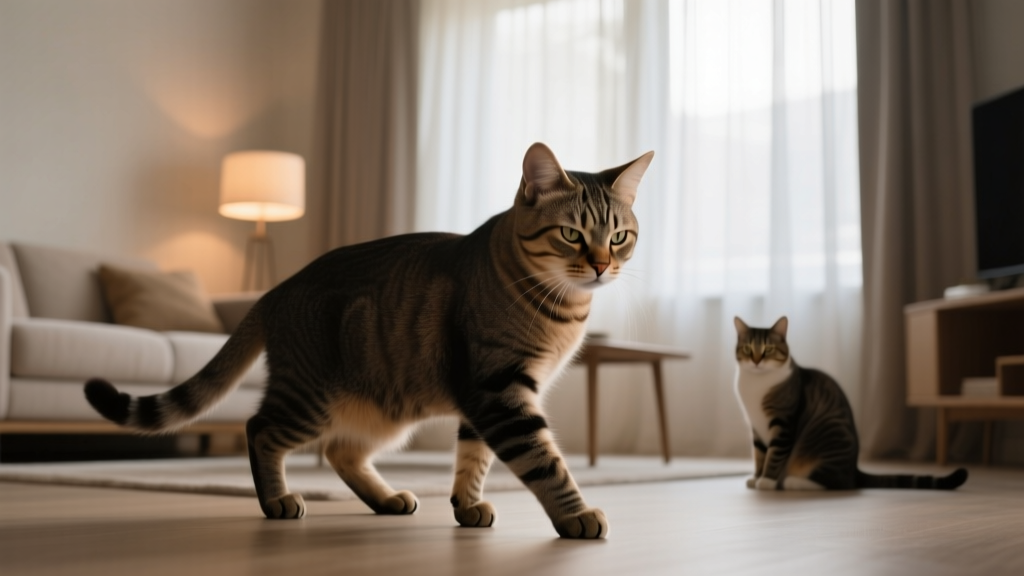
In homes with multiple cats, carriers can become contested resources—like beds or window perches. One cat may rest a paw on the carrier when another cat is nearby as a subtle ownership cue. It can be a quiet “dibs” without escalating to a swat.
What you’ll notice: body blocking, sitting between the carrier and the other cat, slow blinking that looks calm but comes with a stiff posture.
4) “Please Don’t Make Me Go”: A Gentle Protest
Some cats learn that carrier = travel = vet. If your cat places a paw on the carrier while watching you, it can be part of a hesitation ritual. Not necessarily panic—more like cautious negotiation. “I see what you’re doing. I’m not thrilled.”
What you’ll notice: pausing, backing up after sniffing, low meows, crouching, or lingering near the carrier while refusing to enter.
5) Comfort and Familiarity: “This Is Part of My Routine”
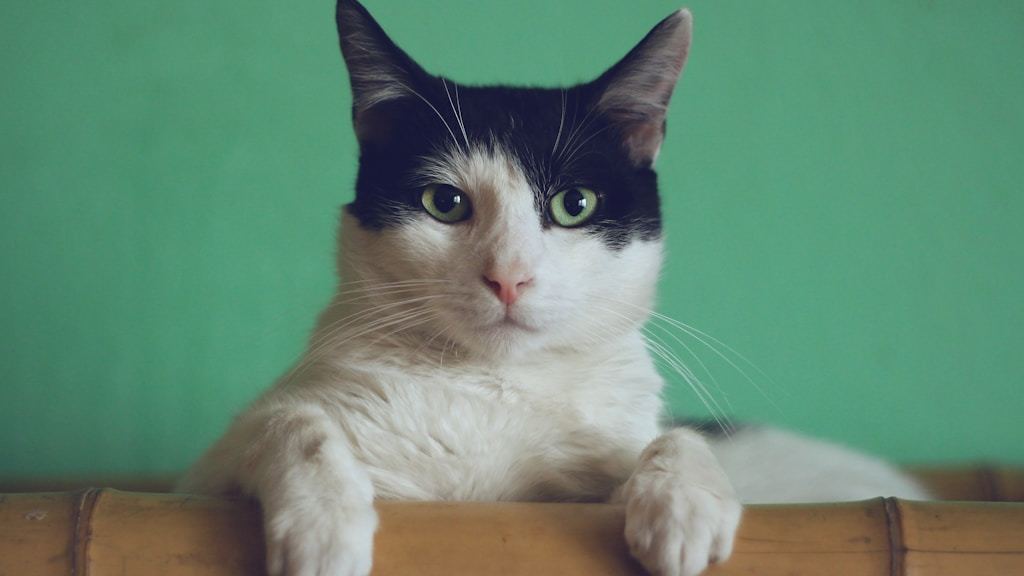
If you leave the carrier out all the time and make it cozy, the paw-rest can be as simple as relaxed lounging. Cats often drape paws over edges when they’re comfortable and feel secure—like we hang an arm over a couch armrest.
What you’ll notice: half-closed eyes, loose posture, slow breathing, maybe a nap with one paw still touching the carrier.
What It Says About Your Cat’s Mood and Feelings
Think of the paw-rest as a “mood caption.” Pair it with body language to decode the emotional tone.
- Relaxed claim: soft eyes, loose whiskers, tail resting, paw draped casually = “I’m comfortable. This is mine and it’s fine.”
- Cautious control: ears angled sideways, body slightly tense, paw placed firmly, intense stare = “I’m not sure about this, but I’m managing it.”
- Possessive guarding: stiff posture, blocking the carrier, growl or hard stare at another pet = “Back off. I’m not sharing.”
- Anxious association: crouched body, dilated pupils, tucked tail, paw touching then retreating = “This thing predicts something I don’t like.”
In many cases, the paw touch is self-soothing. Physical contact with an object can help a cat feel more in control. Control equals safety in cat logic.
Related Behaviors You Might Also Notice
If your cat is a carrier-paw person, you may see these companion behaviors too:
- Cheek rubbing (bunting): “Friendly” pheromones deposited on the carrier handle or corners.
- Kneading on or near the carrier: comfort behavior that can also spread scent from the paws.
- Scratching the carrier: partly nail maintenance, partly visual and scent marking.
- Sitting in the carrier when nobody asked: the ultimate plot twist—“You can’t take me anywhere if I live here now.”
- Rolling beside the carrier: rubbing scent glands along the body and declaring it part of the home territory.
When It’s Normal vs. When It Might Be a Concern
Normal: A calm paw-rest, casual rubbing, gentle investigation, or lounging on/near the carrier. These are healthy ways cats manage novelty and claim objects in their environment.
Worth a closer look:
- Sudden obsession with the carrier paired with agitation (pacing, growling, swatting). Could indicate stress, inter-cat tension, or a negative learned association with travel.
- Carrier guarding that leads to fights in multi-cat homes. That’s a resource conflict, not “being cute.”
- Fearful behavior when the carrier appears: hiding, panting, drooling, trembling, or frantic escape attempts.
- New sensitivity to touch or limping when the paw is placed on the carrier. That’s not behavioral—it’s a potential paw injury (nail issue, pad irritation, arthritis) and deserves a vet check.
If your cat seems distressed specifically around the carrier, the goal isn’t to “stop the paw thing.” The goal is to change what the carrier predicts.
How to Respond (And How to Encourage the Good Version of This Behavior)
If your cat rests a paw on the carrier, you can use that moment to build a healthier relationship with the carrier and with handling in general.
1) Reward Investigation, Not Just Entry
If your cat approaches and touches the carrier with a paw, that’s a brave step. Toss a treat near the carrier. Then another treat slightly closer. You’re teaching: carrier presence = good things.
2) Make the Carrier a Furniture Item
Leave it out year-round. Add a soft blanket that smells like home. If the carrier only appears before scary events, it becomes an instant stress signal. A “normal” carrier is much less alarming.
3) Use Pheromone Support (When Needed)
A feline facial pheromone spray (used as directed) can help reduce anxiety for cats who associate the carrier with stressful travel. Spray and let it air out before your cat investigates.
4) Create a Scent-First Carrier Reset
After vet visits, wipe the carrier with a mild, unscented cleaner if needed, then reintroduce familiar scent:
- Rub a clean cloth on your cat’s cheeks and then on the carrier edges.
- Place a worn T-shirt (yours or theirs) inside.
5) For Multi-Cat Homes: Add More “Claimable” Stuff
If the carrier becomes a prize, add resources: extra beds, boxes, perches, and yes—more than one carrier. When resources are plentiful, cats often stop arguing about any single object.
6) Avoid the Chase-and-Stuff Routine
If the carrier only appears right before you grab your cat, they’ll learn fast. Instead, practice tiny, non-eventful sessions: treat near the carrier, treat inside, door closes for one second, treat, door opens. Build trust in small steps.
Fun Facts and Research Notes
- Cat paws aren’t just for walking. The paw pads contain glands that can leave scent traces, which is one reason scratching is both a visual and scent-based signal.
- Cats prefer familiar scents when stressed. Studies on feline stress responses support what owners observe: familiar scent cues can help cats feel safer in changing environments (like travel and vet visits).
- “One paw on it” is a common control strategy. Many animals, cats included, use light physical contact to gather information and maintain a sense of stability around uncertain objects.
FAQ: Cat Paw Resting on the Pet Carrier
Is my cat marking the carrier with their paw pads?
Sometimes, yes—especially if the paw rest is paired with kneading, scratching, or repeated touching. It can also simply be a comfort/contact behavior. Context and body language tell the story.
My cat only does this when the carrier comes out. Do they know they’re going to the vet?
Many cats learn patterns quickly. If the carrier predicts travel, your cat may show monitoring behaviors (like paw resting, staring, hovering) because they’re anticipating the next step.
Should I stop my cat from touching the carrier?
No need. If your cat is calm, touching is a good sign—they’re engaging rather than fleeing. Use it as an opportunity to reinforce a positive carrier association with treats or play.
Why does my cat put one paw on the carrier and stare at me?
That often reads as “I’m watching what you’re doing with this object.” It can be curiosity, mild suspicion, or a learned response to what the carrier usually means.
My cat guards the carrier from my other cat. What should I do?
Treat it like resource guarding: add more carriers and resting spots, feed and play separately if needed, and reduce competition. If tension is escalating, a cat behavior professional can help you create a peaceful plan.
My cat is suddenly pawing the carrier a lot. Could it be medical?
If you notice limping, chewing at the paw, sensitivity, or changes in nail/pad appearance, a vet check is wise. Behavioral changes sometimes start with discomfort.
The next time you see that tiny paw draped over the carrier edge, think of it as your cat’s way of making sense of a weird object that moves between worlds: home and “not home.” Whether they’re claiming it, calming themselves, or quietly lobbying for a different plan, it’s communication—and it’s valuable information for you.
Has your cat ever “claimed” the carrier like it’s prime real estate, or acted like the carrier personally offended them? Share your stories (and the funniest carrier standoffs) with the Cat Lovers Base community at catloversbase.com.