Why Cats Sit on the Roof Eaves Safe Ledge
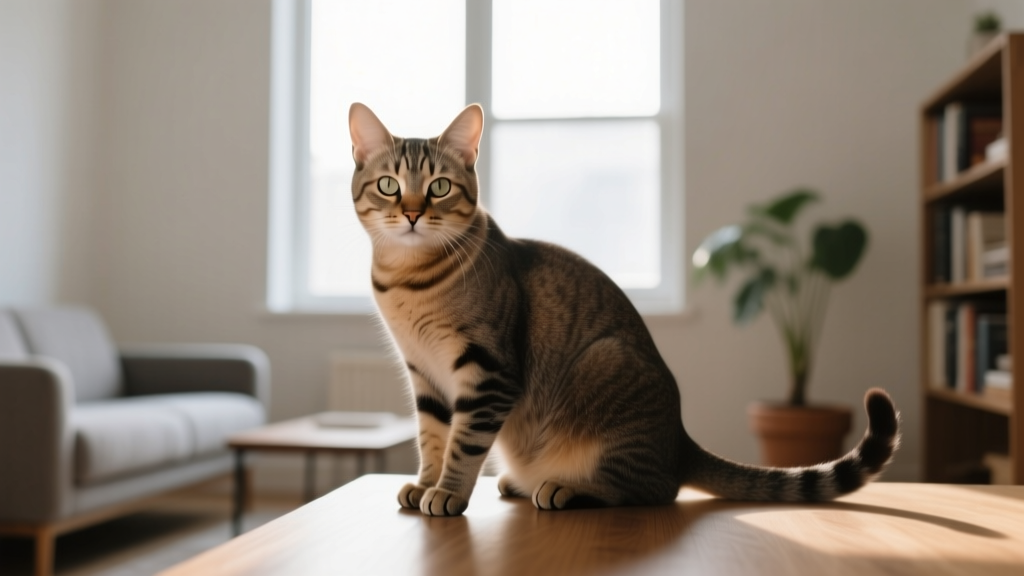
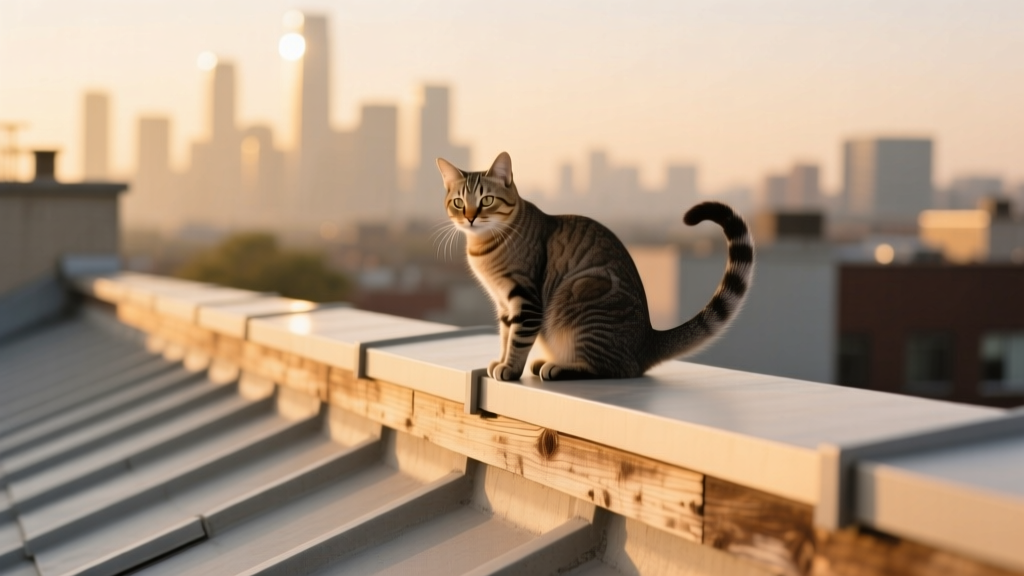
You glance out the window to do a quick “cat count” and your heart drops—there’s your cat, perched on the roof eaves like a tiny gargoyle, tail wrapped neatly around their paws, staring at the neighborhood like they own it. Meanwhile, you’re imagining dramatic rescue missions, angry roof tiles, and the inevitable “How did you even get up there?” lecture you’ll deliver the moment they decide to come down.
If you’ve ever watched your cat choose the narrow ledge under the roofline—the eaves, the gutter edge, the porch overhang—you’re not alone. This is classic cat behavior: part instinct, part strategy, and part “I can, therefore I will.” The good news is that in many cases it’s normal. The even better news is that understanding why they love that spot can help you keep them safer and strengthen your relationship.
1) The scientific (and evolutionary) reason cats love roof eaves
Cats are built for three things that roof eaves provide in one neat package: height, security, and information.
Height taps into a predator’s advantage. Even well-fed house cats still have the brain wiring of a small hunter. Elevated perches let them scan for movement—birds, squirrels, neighborhood cats—without working very hard. In the wild, higher ground can mean earlier detection of prey… and earlier detection of danger.
Security comes from controlling access. Many roof eaves are naturally “defensible” because they’re narrow. That sounds scary to us, but to a cat, narrow spaces can feel like a filter: big threats can’t easily follow. A ledge can also provide a sense of backing—an edge behind them and open space in front—so they can keep their eyes on what matters.
Information is the big one. Cats are surveillance specialists. From an eave, your cat can monitor scent trails, territory boundaries, and daily patterns: the dog that barks at 3 p.m., the mail carrier route, the neighbor cat who crosses the driveway. This isn’t boredom—it’s environmental management.
In behavior terms, roof perching is often an expression of a cat’s natural “perch preference,” similar to why cats gravitate toward tall cat trees, shelves, and the top of the fridge. The roof eaves are simply the deluxe version.
2) A detailed breakdown: different contexts, different motivations
Cats don’t sit on roof eaves for only one reason. The same behavior can serve different goals depending on the day, the weather, and what’s happening in their social world.
Territory patrol: “This is my block.”
If your cat sits on the eaves at the same time each day—often dawn or dusk—they may be doing a routine territory check. Cats are crepuscular by nature (most active at dawn and dusk), and those times are when wildlife and other cats tend to move. Your cat might be quietly tracking “who was here” and “who might come by.”
What it looks like: steady staring, slow head turns, ears swiveling like satellite dishes. Little to no vocalization. Calm posture.
Hunting mode: “I see you, little fluttery thing.”
Roof edges can be prime bird-watching real estate. Sometimes cats choose the eaves because they’re near nests, gutters where insects gather, or trees where birds hop around. Even if your cat never catches anything, the stalking sequence is rewarding on its own.
What it looks like: crouched body, intense gaze, tail tip twitching, chattering sounds, focused stillness followed by quick micro-movements.
Temperature control: “This spot is perfectly warm (or perfectly cool).”
Eaves can be shaded, breezy, and sheltered. In warm weather, an eave can provide shade while still offering a view. In cooler weather, roof surfaces can hold heat. Cats are expert comfort engineers; they will choose a location that solves “view + temperature + safety.”
What it looks like: relaxed loaf position, half-closed eyes, minimal scanning, slow blinking.
Social avoidance: “I need space.”
Some cats climb up high to avoid social pressure—an energetic puppy, a visiting toddler, a new cat in the home, or even just a loud vacuum cleaner. Height is a common feline coping strategy. From above, they can observe without engaging.
What it looks like: staying up longer than usual, watchful posture, hesitating to come down, darting away if approached.
Curiosity and novelty: “New angle, new smells.”
Cats are drawn to environmental changes—new construction sounds, a neighbor moving in, fresh scents after rain. The roof eaves provide a “command center” for taking it all in.
What it looks like: frequent repositioning, sniffing, peering over the edge, exploring nearby roof sections.
3) What sitting on the eaves can reveal about your cat’s mood
A cat on the roof isn’t automatically “naughty” or “trying to scare you.” Their body language tells you a lot about how they’re feeling.
- Relaxed and content: loose posture, paws tucked, slow blinking, ears mostly forward, tail still or gently wrapped. This cat is enjoying the view.
- Alert and interested: upright posture, ears rotating, head tracking movement, whiskers forward. Curiosity is driving the behavior.
- Confident and territorial: sitting tall, calm scanning, occasional scent rubbing on a nearby surface if accessible. This cat feels “in charge.”
- Anxious or overstimulated: crouched low, tail flicking more sharply, dilated pupils, freezing when you call them, rapid scanning. This cat may be seeking distance and safety.
- Frustrated (often hunting frustration): chattering, twitchy tail, tense shoulders, repeated focus on unreachable birds. Not dangerous on its own, but it can increase restless energy.
One key idea: cats often choose elevation to feel in control. Control reduces stress. So if your cat suddenly starts spending a lot of time up there, consider what changed in their environment.
4) Related behaviors you might also notice
If your cat loves roof eaves, you may recognize a whole “high places” personality profile:
- Top-of-the-cabinet sleeping or making a nest on the highest shelf.
- Window sentry duty—especially at dawn and dusk.
- Shoulder perching (for the brave humans with stable balance).
- Doorway and hallway “checkpoints” where they monitor traffic.
- Cat tree obsession, especially the highest platform.
- Observing from stairs—a perfect elevated runway with escape routes.
These behaviors often cluster because they all satisfy the same needs: observation, safety, and mental stimulation.
5) When roof eave sitting is normal… and when it’s a concern
Often normal:
- Your cat is agile, healthy, and experienced outdoors.
- The ledge is wide enough for stable footing and not slippery.
- Your cat can get up and down easily (not stranded, not yowling).
- The behavior is occasional and your cat remains responsive and calm.
Potentially concerning:
- Sudden change in behavior: A cat who never climbs high suddenly starts living on the roof. This can signal stress, conflict with another pet, or fear indoors.
- Physical limitations: Senior cats, cats with arthritis, vision issues, or balance problems are at higher risk of falls.
- Risky surfaces: steep pitches, wet mossy tiles, icy gutters, or fragile roofing materials.
- Heat danger: hot roofs in summer can burn paw pads or contribute to overheating.
- Storms and wind: gusts, thunder, or slick rain can turn a “safe ledge” into a hazard.
- Escape patterns: If your cat bolts to the roof whenever something happens inside (arguments, guests, another animal), that’s a clue they don’t feel safe at ground level.
If your cat seems stuck, panicked, or unusually vocal, treat it as a safety issue first. And if the roof behavior coincides with appetite changes, hiding more than usual, aggression, or litter box issues, it’s worth checking with a veterinarian and considering a behavior plan.
6) Tips for responding (and safer ways to meet the same needs)
You can respect your cat’s instincts without turning your roof into a daily stress test.
Stay calm and avoid the “chase”
Chasing a cat on a roof often makes them move faster and take bigger risks. If you need them down, keep your voice soft, move slowly, and avoid cornering them. Many cats will come down on their own once things are quiet.
Offer a better perch than the roof
Give your cat a high, stable, approved lookout:
- A tall cat tree placed near a window with a view
- Wall-mounted shelves (staggered like steps)
- A secure window hammock
- A screened “catio” or enclosed porch area
The goal is to provide the function of the roof eaves (height + view + safety) without the danger.
Increase indoor enrichment
If the roof is their entertainment channel, bring the entertainment inside:
- Daily interactive play (wand toys that mimic prey movement)
- Food puzzles or scatter feeding
- Bird feeders placed where your cat can watch safely from indoors (never within pouncing range of an open door)
Address social stressors
If roof time increases when the house is busy, add more “safe zones” indoors: covered beds, quiet rooms, vertical routes that allow your cat to move without being approached. For multi-cat homes, ensure enough resources (litter boxes, feeding stations, resting spots) to reduce conflict.
Make roof access harder (if needed)
If you decide roof access is too risky, look for the “cat ladder” they’re using: a fence, stacked bins, a shed roof, a tree near the house. Adjusting those access points (moving objects, blocking climbing routes, trimming branches) is usually more effective than trying to teach a cat “don’t.”
7) Fun facts and research-friendly nuggets
- Cats are natural vertical strategists. Studies of feline behavior consistently show that access to vertical space can reduce stress and help cats feel more secure, especially in multi-cat homes.
- Perching is a form of mental enrichment. Watching movement—prey, people, other animals—engages a cat’s predatory sequence in a low-effort way.
- Crepuscular timing is real. If your cat is most roof-obsessed at dawn and dusk, that aligns with typical feline activity peaks.
- “Narrow is safe” is very cat logic. Cats often feel safer where large animals can’t easily follow, even if humans see the same spot as precarious.
FAQ: Roof eaves perching in cats
1) Is it normal for cats to sit on the roof eaves?
It can be normal, especially for confident, agile cats who spend time outdoors. Cats like high vantage points for observation and security. The main question is whether the spot is safe and whether your cat can get down easily.
2) Do cats understand the risk of falling?
Cats are excellent at judging distances and balancing, but they’re not risk-proof. Slippery surfaces, sudden loud noises, wind, other animals, or a misstep can cause falls. Age, arthritis, and vision changes also increase risk.
3) Why does my cat ignore me when they’re on the roof?
When a cat is focused on scanning or hunting, their attention narrows. Also, if they suspect you’ll rush toward them, they may avoid responding to prevent being “caught.” Calm voice, patience, and giving them space helps more than repeated calling.
4) My cat seems calmer on the roof than inside. What does that mean?
Often it means the cat feels more in control up high. Inside may feel unpredictable—noise, other pets, visitors, or limited escape routes. Adding indoor vertical space and quiet retreats can help your cat feel safer indoors too.
5) Should I try to lure my cat down with treats?
If your cat is calm and not panicked, treats can help. Toss a treat to a safe landing area (like a porch roof or wide surface) rather than encouraging risky movement along a narrow edge. Avoid standing directly under them and reaching up, which can make them shift their weight unexpectedly.
6) Is roof sitting a sign my cat is unhappy?
Not necessarily. Many cats simply enjoy the view and the fresh air. It becomes more concerning if it’s a sudden new habit, they’re avoiding the home, or you see other stress signs (hiding, appetite changes, aggression, litter box issues).
Understanding the “safe ledge” mindset
To you, the roof eaves look like a dangerous daredevil act. To your cat, it can feel like the perfect combination of lookout tower and private balcony: high enough to see everything, narrow enough to feel protected, and quiet enough to think important cat thoughts.
If you can give your cat safe, elevated alternatives and pay attention to the mood behind the behavior, you’ll meet their instincts halfway—without needing to become your neighborhood’s unofficial roof-rescue specialist.
Has your cat claimed the roof eaves as their personal throne? Share your story (and what finally worked to keep them safe) with fellow cat lovers on catloversbase.com—we’d love to hear about your little rooftop explorer.