Cat Paw Resting on the Dog Bed: Dominance Signal
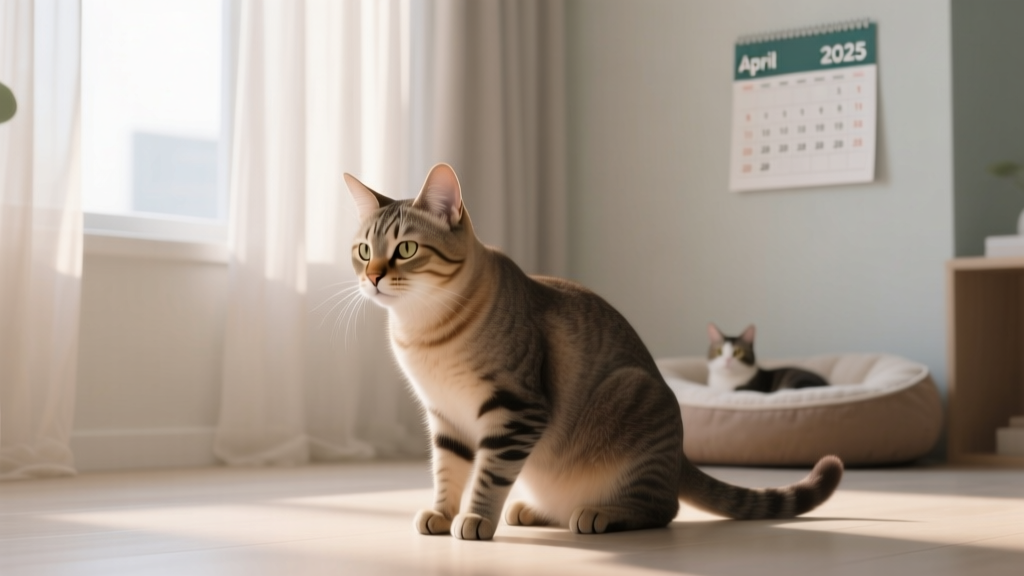
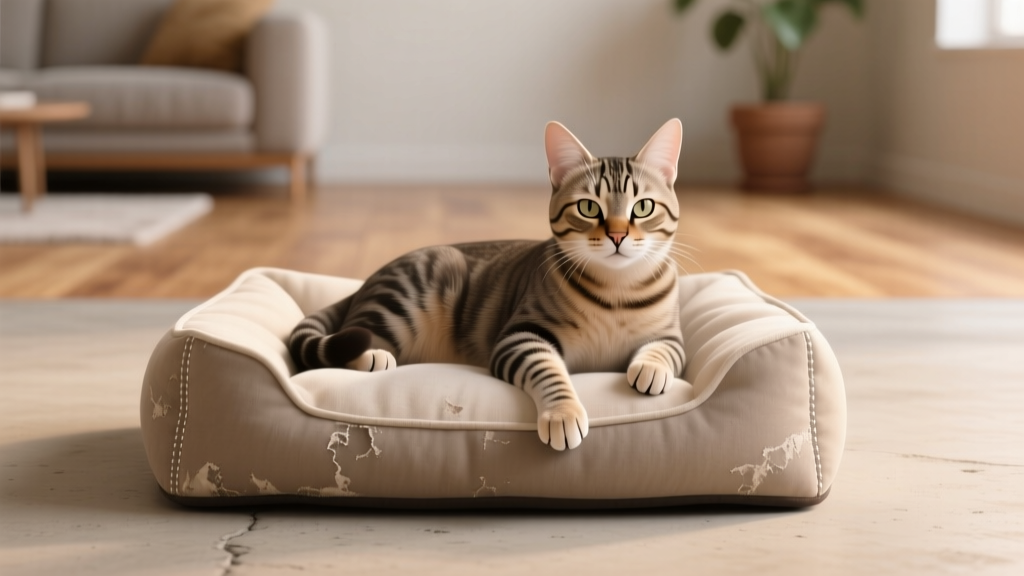
You walk into the living room and freeze for a second because it looks like your pets are in a sitcom scene. The dog is curled up in their plush bed, looking very pleased with life. Your cat is nearby—sometimes not even fully on the bed—just one paw placed gently (or pointedly) on the edge of the dog bed like they’re signing a document. The cat’s face says, “Yes, this is mine too.” The dog’s face says, “I… guess?”
If you’ve ever wondered whether that single paw is a tiny power move, you’re not alone. Cat owners see this all the time: a paw on the dog bed, a paw on the dog, a paw on the dog’s toy. It’s subtle, hilarious, and occasionally a little tense. So is it dominance? Affection? Curiosity? A boundary marker? Usually it’s a blend—and the context tells the real story.
Why Cats Do This: The Scientific & Evolutionary Backstory
Cats are both predators and, historically, potential prey. That combination shaped a brain that’s big on control of space and predictability. In feline psychology, “territory” isn’t just a map of the house—it’s a set of valuable resources: sleeping spots, warm places, pathways, view points, and yes… the dog’s bed.
In multi-animal homes, cats often manage social tension through small, low-risk signals rather than all-out confrontations. A paw placed on an object can function like a quiet claim, a test, or a boundary—without escalating into chasing or swatting. It’s the behavioral equivalent of lightly putting your hand on the last slice of pizza while making eye contact.
There’s also the sensory angle. Cats gather information through touch and scent. They have scent glands in their paws, and while “scent marking with paws” is most obvious when they scratch, gentle paw contact can still leave a faint olfactory signature. Plus, cats love to test texture, warmth, and vibration. A dog bed can smell like comfort, routine, and a big, warm friend—basically a fuzzy billboard of interesting information.
A Detailed Breakdown: What “Paw on Dog Bed” Can Mean in Different Contexts
That single paw can be doing several jobs at once. Watch the whole scene: the cat’s body, tail, ears, and what the dog is doing. Here are the most common contexts I see in multi-pet homes.
1) The “I Was Here First” Resource Claim
What it looks like: Cat approaches calmly, places a paw on the bed edge, maybe sits upright like a statue. Tail is neutral or slightly raised. Eyes are soft but watchful.
What it means: This is a quiet ownership statement—less “I am your ruler” and more “I’m comfortable asserting access to this resource.” Cats like shared ownership. Your cat may not even want the bed right now; they just want it to remain an option.
2) The Social Pressure Test (A Very Cat Negotiation)
What it looks like: Cat approaches while the dog is in the bed, pauses, extends a paw slowly, then waits. The cat may blink slowly or stare. The dog may look away, lick lips, or shift.
What it means: This can be a social test: “Will you move if I ask politely?” It’s not necessarily aggression. It’s a tiny experiment in social influence. Some cats do this with humans too—placing a paw on your arm like, “You’re done scrolling now.”
3) The “I Want In” Invitation
What it looks like: Cat’s body is relaxed, whiskers forward, tail softly upright. The paw touches the bed and stays there, as if anchoring the cat in place. The cat may knead the edge or sniff, then settle near the dog.
What it means: This is often affiliative. Your cat is testing closeness and checking whether the dog is okay with sharing. The paw acts like a bridge between “my space” and “your space.”
4) Comfort-Seeking and Heat-Chasing
What it looks like: Dog bed is in a sunbeam, near a heater, or extra plush. The cat might stretch one paw onto it and half-doze, as if sampling the cozy.
What it means: Cats are professional comfort engineers. The paw is a “quality check.” If the bed passes inspection, the rest of the cat may follow.
5) Playful Mischief (Yes, Sometimes It’s That Simple)
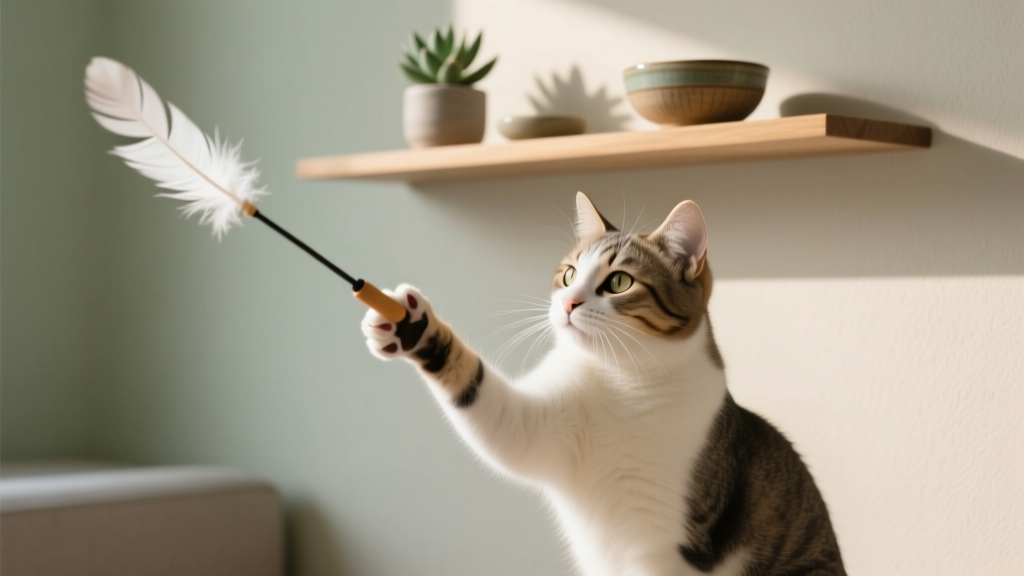
What it looks like: Cat taps the bed edge, does a tiny “butt wiggle,” or flicks the tail tip. The dog bed might have a dangling tag or toy nearby.
What it means: The bed is an object in the environment, and cats interact with objects. The presence of a dog just makes it more interesting—especially if the dog reacts.
What This Behavior Suggests About Your Cat’s Mood
Think of the paw as a single word. The tone depends on the rest of the “sentence” (body language).
- Relaxed confidence: Soft eyes, slow blinks, neutral ears, loose body. Your cat feels secure and socially comfortable.
- Curiosity: Sniffing, whiskers forward, head tilts, gentle paw placement. Your cat is investigating, not challenging.
- Mild possessiveness: Staring, blocking, sitting tall, tail held still. Your cat is guarding access, but not necessarily about to fight.
- Low-level tension: Stiff body, ears angled sideways (“airplane ears”), tail twitching, fast grooming, intense staring. This is “I’m not sure about this, but I’m trying to manage it.”
- Escalation warning: Growling, hissing, swatting, puffed tail, stalking posture. The paw was just the opening act—step in and redirect.
Related Behaviors You Might Also Notice
If your cat is the type to place a paw on the dog bed, you may recognize these other “subtle claim” or “social test” behaviors:
- Sitting in the dog’s path (doorways, hallways) as a calm “speed bump.”
- Taking the dog’s spot the moment the dog stands up—classic resource opportunism.
- Gently tapping the dog’s tail as if checking if it’s still attached.
- Blocking access to toys or bowls without eating or playing—more about control than the item itself.
- “Mirroring” the dog by sleeping nearby or matching posture, which can be social bonding or cautious monitoring.
When It’s Normal (and When It Might Be a Concern)
Usually normal: The paw-on-bed behavior is common in peaceful multi-pet households. If both pets can disengage easily and there’s no fear, it’s just communication.
Potential concern signs:
- The dog consistently looks stressed (lip licking, yawning, whale eye, freezing, leaving the bed frequently).
- The cat is frequently blocking resources (food, litter box access, favorite resting spots) and the dog is shrinking their world to avoid conflict.
- The cat escalates to swatting, stalking, or ambushing when the dog approaches the bed.
- Either pet is unable to relax—constant vigilance, pacing, or hiding.
- The behavior appears suddenly alongside other changes (household stressors, new pet, moving, health issues).
One more important note: if your cat becomes unusually possessive, irritable, or touch-sensitive, consider a vet check. Pain (arthritis, dental pain) can make cats more defensive about resting places. Stress-related conditions can also change social behavior.
How to Respond: Practical Tips That Support Harmony
You don’t need to “correct” the paw gesture in most cases. Instead, aim to make resources abundant and interactions predictable.
1) Create Multiple High-Value Resting Spots
If there’s only one “best bed” in the room, you’re inviting negotiations. Add a cat bed, a perch, a heated pad, or a folded blanket on a chair. Cats love vertical options; dogs usually prefer ground-level. That simple separation reduces friction.
2) Use Positive Associations Around Sharing
If your cat places a paw on the dog bed and both animals remain calm, reinforce the calmness. Offer your dog a treat for staying relaxed. Toss your cat a treat away from the bed to encourage disengagement. You’re teaching: “We can be near each other and good things happen.”
3) Protect the Dog’s Ability to Rest
Dogs need safe, uninterrupted rest just as much as cats do. If the dog bed is the dog’s primary decompression zone and the cat repeatedly pressures them, give the dog a separate resting area (or a gated space) where the cat can’t intrude.
4) Watch the Dog’s Signals, Not Just the Cat’s
Many dogs tolerate mild social pressure but build stress over time. If your dog keeps leaving the bed when the cat approaches, that’s valuable information. Consider adjusting the environment before it becomes a bigger issue.
5) Don’t Force “Cuddling” or “Sharing”
If you pick up the cat and place them on the dog bed, or encourage the dog to stay when they want to leave, you can accidentally create conflict. Let consent guide the vibe in your living room.
Fun Facts & Research-Adjacent Nuggets
- Cats are masters of “low-intensity” communication. Compared to many social species, cats often prefer small signals that maintain control without risking injury.
- Touch can be a boundary tool. A gentle paw can function like a “keep-out” tape that isn’t actually aggressive—just informative.
- Scent matters more than we think. Cats rely heavily on scent-based familiarity. A dog bed is soaked in smell, which can make it oddly comforting and oddly important.
- Sleep spots are top-tier resources. From an evolutionary perspective, a safe resting place supports survival. It’s not dramatic for a cat to care about who gets the premium nap real estate.
FAQ: Cat Paw on the Dog Bed
Is my cat trying to dominate my dog?
Sometimes it’s a mild status test, but “dominance” is usually too blunt a label. In many homes it’s simply resource communication: your cat is signaling access and comfort. Look for relaxed body language versus stiff, controlling behavior.
My dog moves away when the cat does it. Should I intervene?
If your dog calmly chooses to move and seems otherwise relaxed, it may be fine. If your dog looks stressed or is losing access to rest, intervene by adding separate resting areas, using gates, and reinforcing calm disengagement.
Why does my cat only do this when guests are over?
Stress changes how cats manage space. When the environment feels less predictable, cats often increase “control behaviors” like claiming prime resting spots or monitoring other pets more closely.
My cat puts a paw on the bed and stares at the dog. Is that aggression?
A stare can be pressure. It’s not always aggression, but it can be a warning sign if paired with a stiff posture, twitching tail, or ears angled sideways. Redirect with treats or a toy, and give both pets more space options.
Should I stop my cat from going near the dog bed?
Not necessarily. If both animals are comfortable, allowing casual sharing can support peaceful cohabitation. If it’s causing tension, manage access with environmental changes rather than punishment.
Could this mean my cat likes my dog?
It can. A relaxed paw placement near a resting dog sometimes indicates trust and social curiosity. Think of it as your cat saying, “I’m comfortable being close… on my terms.”
If your cat has ever done the dramatic “one paw claim” on the dog bed (or any other object they clearly don’t need), share the story with fellow cat people at catloversbase.com. The tiny, weird things cats do are half the fun—and the other half is figuring out what they’re trying to tell us.