Cat Paw Resting on the Cat Window Perch
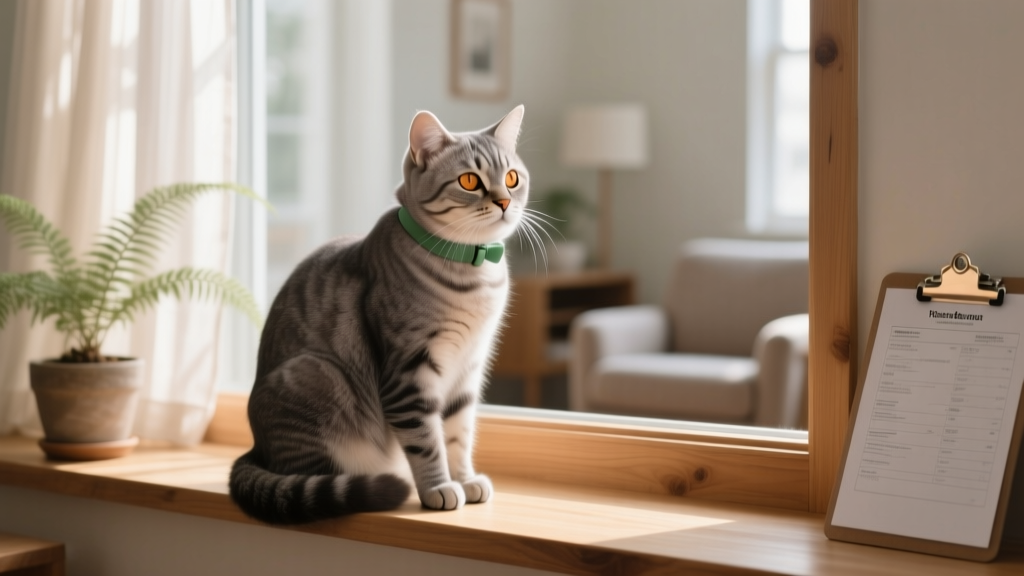
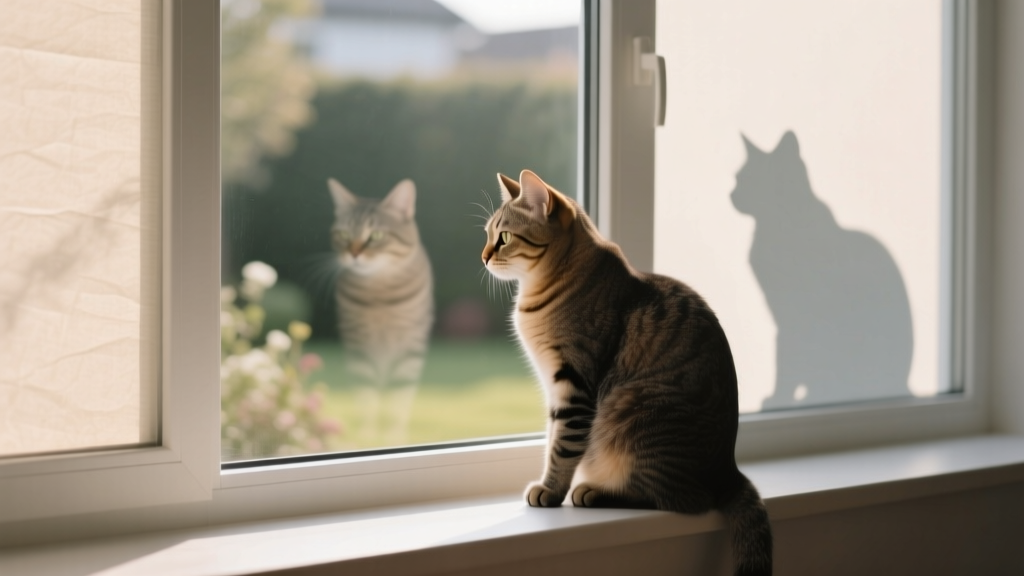
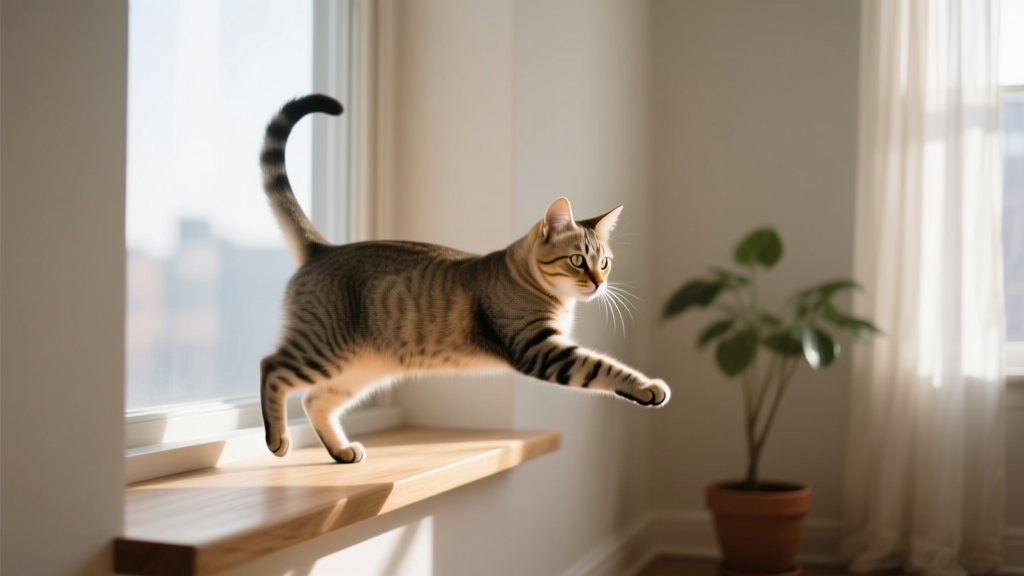
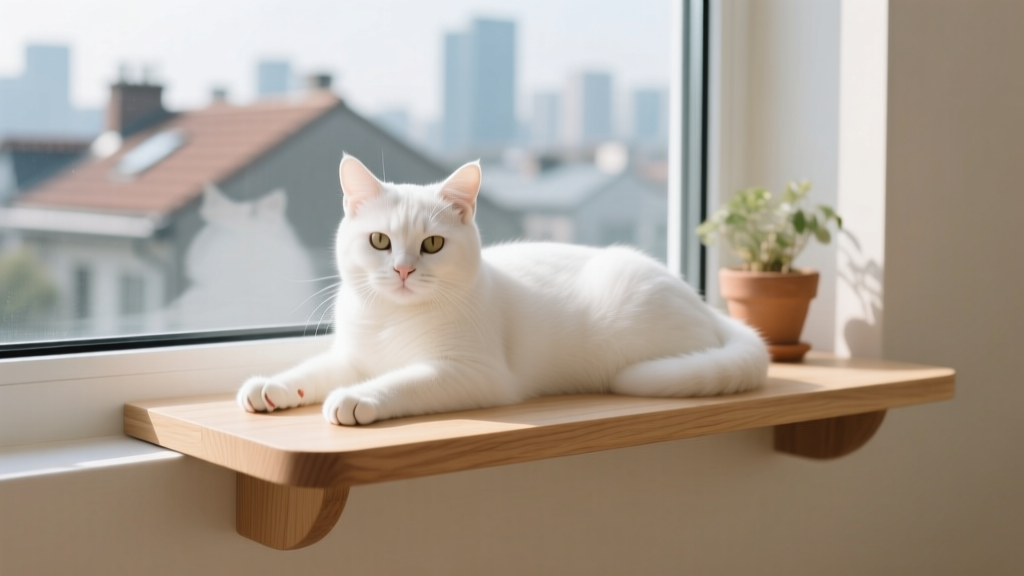
You glance over at the window and there’s your cat—perched like a tiny apartment security guard—watching birds, pedestrians, or that suspicious leaf that keeps moving. Everything looks perfectly normal… except one paw. Just one little paw is draped over the edge of the cat window perch, hanging there as if your cat is casually “owning” the whole view.
If you’ve ever wondered, “Is my cat relaxed? Bored? Plotting something? Why the single paw?” you’re in excellent company. This paw-resting pose is one of those small, quiet behaviors that can tell you a surprising amount about how your cat feels in that moment—and how their instincts are still running the show, even in the coziest home.
The science (and evolution) behind the dangling paw
Cats are both predators and, in the wild, sometimes prey. That double identity shaped a body language system built on readiness. Even when a cat looks like they’ve melted into a cushion, part of their brain is still scanning: “If something happens, can I react fast?”
Resting one paw on the edge of a window perch can be explained by a few overlapping instincts:
- Stability and control: Cats like to feel anchored. Draping a paw can provide a subtle brace—like a human resting a hand on an armrest—especially on narrow perches where balance matters.
- Readiness to act: A front paw placed forward or over an edge is a “half-ready” position. If a bird flutters close or a neighborhood cat appears, your cat can shift instantly from lounging to alert.
- Comfortable muscle engagement: Cats constantly adjust posture to distribute weight and relax certain muscle groups. One paw over the edge may simply be the most comfortable way to let a shoulder and wrist loosen.
- Scent and territory cues: Cats have scent glands in their paws and between their toes. While the perch-drape isn’t the same as scratching or kneading, paws are still “identity tools.” Window areas are high-value real estate, and cats often mark or claim them through repeated body contact.
In other words, the paw isn’t random. It’s your cat balancing comfort, vigilance, and a sense of ownership—like a tiny, furry landlord overseeing their domain.
A detailed breakdown: different contexts where you’ll see it
The meaning of “paw on the perch” shifts depending on the rest of your cat’s body language and what’s happening outside the window. Here are the most common scenarios cat owners recognize.
1) The “sun-drunk lounge” paw
It’s warm. The sunbeam hits the perch just right. Your cat’s eyes are half-closed, whiskers neutral, breathing slow. One paw hangs over the edge like they’ve forgotten it exists.
What’s going on: Pure relaxation. The paw is likely a comfort choice—an easy way to release tension in the shoulder and forearm. Think of it as your cat’s version of kicking one leg out from under a blanket.
2) The “bird TV” paw
Your cat is upright or semi-upright, ears swiveling, eyes wide, tail tip twitching. The paw drapes forward, and you might see tiny toe movements.
What’s going on: Controlled excitement. That paw is the starting line for a pounce that will never happen (because glass), but the instinct is real. Toe flexing can be a sign of arousal and focus—like your cat is mentally rehearsing the perfect leap.
3) The “social but not needy” paw
You’re in the room. Your cat looks at you slowly, maybe blinks, then returns to staring out the window. The paw stays draped as if they’re saying, “I’m here. You’re there. We’re good.”
What’s going on: Calm connection. Cats often choose a resting posture that allows them to monitor both the environment and their people. The paw-rest can be part of a loose, confident posture: relaxed, but engaged.
4) The “I heard something” paw freeze
Your cat is quiet, suddenly still. One paw is suspended or placed over the edge. Ears pivot. Body tightens slightly.
What’s going on: Assessment mode. Cats pause movement to gather information. The paw may be mid-adjustment, but they freeze to listen. If the body remains tense for a while, your cat may be uncertain or mildly anxious about a sound or movement outside.
5) The “perch is a bit wobbly” paw
Some window perches flex, especially suction-cup styles. Your cat positions one paw over the edge or presses down in a way that looks deliberate.
What’s going on: Testing and bracing. Cats are engineers with fur. They’ll subtly probe surfaces for stability. A paw draped or placed forward can serve as both a counterbalance and a confidence check.
What this behavior says about your cat’s mood
Here’s the quick mood decoder. Don’t look at the paw alone—pair it with eyes, ears, tail, and overall posture.
- Relaxed/content: Soft body, slow blinking, ears neutral, paw dangling loosely. You may see a gentle tail drape or stillness.
- Interested/entertained: Upright posture, forward ears, focused stare, paw draped “ready,” tail tip twitching. This is happy stimulation.
- Confident/territorial: Sprawled posture, taking up space, paw over the edge like an armrest. Confident cats look like they own furniture (because in their minds, they do).
- Uncertain or on alert: Tighter muscles, ears flicking back and forth, sudden stillness, paw held stiffly. Your cat is gathering information and deciding whether the scene is safe.
A paw draped with a calm face usually means “I’m comfortable.” A paw draped with a laser-focused stare and twitchy tail means “I’m hunting… spiritually.”
Related behaviors you might also notice
The window perch is a hotspot for instinctive behaviors. If your cat rests a paw on the edge, you may also see:
- Toe flexing (“making biscuits” without kneading): Tiny paw movements when watching prey outside.
- Chattering or chirping: That funny clicking sound some cats make at birds—often tied to frustration or excitement.
- Tail-tip twitching: A sign of focused arousal (not necessarily irritation).
- Slow blinking at you: A friendly signal that often happens when a cat feels safe in their perch.
- Face rubbing on the window frame/perch edges: Scent marking with facial glands—claiming the best seat in the house.
- Sudden zoomies after window time: Predatory energy build-up that needs an outlet.
When paw-on-the-perch is normal… and when to pay attention
In most homes, this behavior is delightfully normal. Still, context matters. Here’s when it’s likely fine—and when it might be worth a closer look.
Normal (and charming)
- Loose, comfortable paw drape during rest or bird-watching
- Occasional paw shifts, stretches, and posture adjustments
- Alternating paws on different days (cats rotate comfort positions like tiny yoga instructors)
Potential concerns
- Repeatedly holding one paw up (not resting it) or consistently avoiding weight on it
- Limping, shaking the paw, or licking it intensely after perch time
- Sudden change in window behavior—a cat who loved the perch but now won’t use it, or seems tense and hypervigilant there
- Perch insecurity: If the perch wobbles and your cat looks nervous, they may be stressed rather than relaxed
If you suspect pain—especially if your cat avoids jumping, seems sensitive when you touch the leg, or is hiding more than usual—check in with your veterinarian. A “cute pose” can sometimes mask discomfort, particularly in cats who are masters of acting fine.
How to respond (and how to encourage the good version of this behavior)
If your cat is paw-draping on the window perch, you’re already doing something right: you’ve provided a safe vantage point. Here’s how to make it even better.
1) Make the perch feel secure
- Stability first: Ensure suction cups are tight, brackets are solid, and weight limits are respected.
- Add traction: A non-slip mat or a cover with grip can prevent micro-slips that make cats tense.
- Size matters: A wider perch encourages full-body relaxation—more sprawl, less bracing.
2) Support “window enrichment”
- Bird feeder placement: If possible, place a feeder outside (at a safe distance from the glass) for natural entertainment.
- Rotate the view: Open blinds at different windows at different times to create novelty.
- Add a second perch: Multi-cat homes benefit from multiple viewpoints to reduce social tension.
3) Channel hunting energy afterward
If your cat gets revved up (tail twitching, intense staring, chirping), follow with a short play session using a wand toy. This helps complete the “hunt sequence” in a healthy way and can reduce frustration-related behaviors like zoomies at 2 a.m.
4) Respect the perch as a safe zone
If your cat is resting with the paw draped and eyes soft, it’s not the moment for belly rub attempts or surprise cuddles. Think of the perch as your cat’s meditation corner. Let them choose interaction.
Fun facts and research tidbits
- Cats prefer elevated vantage points because height increases their sense of safety and control. Many behaviorists recommend vertical territory (cat trees, shelves, perches) to reduce stress and improve confidence—especially in multi-cat households.
- “Relaxed but ready” is a feline specialty. Cats can shift from rest to action faster than we can process what happened. That’s one reason subtle “ready positions” (like a forward paw) show up even during lounging.
- Window time is real enrichment. Visual stimulation, scent currents near windows, and the chance to observe “territory traffic” can reduce boredom and support emotional well-being—particularly for indoor cats.
FAQ: Cat paw resting on the window perch
Why does my cat dangle one paw instead of curling up normally?
Usually because it’s comfortable and gives a sense of balance or readiness. If the rest of your cat’s body looks loose and calm, it’s simply a preferred lounging posture—like a human hanging an arm off the couch.
Is paw-draping a sign my cat trusts me?
It can be. Cats tend to relax more openly in places where they feel safe. If your cat is comfortable enough to “sprawl” and leave a paw hanging, that often suggests the environment (and the household) feels secure.
My cat’s paw twitches while it hangs over the perch. What does that mean?
Toe twitching often shows excitement or focus, especially during bird-watching. It’s common alongside tail-tip twitching or chirping—signs your cat is mentally engaged in hunting behavior.
Should I pet my cat when they’re in that pose?
If your cat welcomes it—yes. Look for signals like slow blinking, leaning into your hand, or purring. If your cat stiffens, stops blinking, flicks the tail sharply, or turns the head quickly toward your hand, give them space. The perch is often “me time.”
My cat suddenly stopped using the window perch. Could it be related?
Possibly. It may be a stability issue (the perch shifted), a change outside (a new cat in the neighborhood), or a physical issue (jumping discomfort). Check the perch setup first, then consider whether your cat seems sore or stressed. If the change is abrupt or paired with other symptoms, talk with your vet.
Is it okay if my cat sleeps with a paw hanging off for a long time?
Yes, as long as they’re otherwise moving normally and not showing signs of pain. Cats change positions frequently; a long, deep nap with a dangling paw is usually just a sign they’re very comfortable.
That single paw resting on the edge of the window perch is one of those small feline details that can make you feel like you’re living with a mysterious little roommate—part hunter, part philosopher, part decorative throw pillow. If you start watching the whole-body picture (ears, eyes, tail, posture), you’ll get better and better at reading what your cat is feeling in the moment.
Seen your cat do a particularly dramatic “one paw over the edge” pose—or do they have a signature window-perch ritual? Share your stories (and photos, if you’ve got them) with the Cat Lovers Base community at catloversbase.com. We’d love to hear what your window-watcher is up to.