Cat Paw Resting on the Cat Carrier: Territory Claim
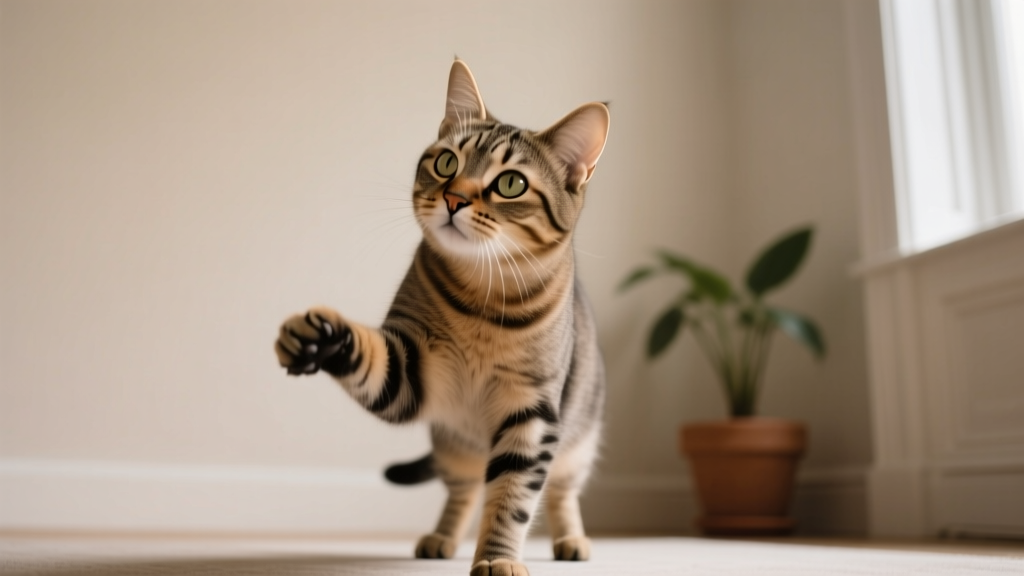
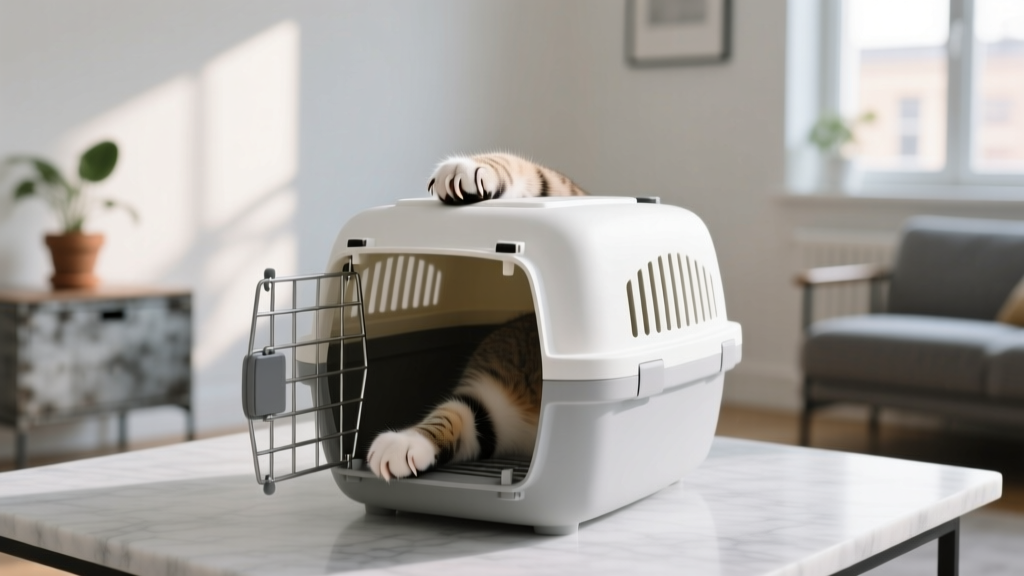
You’re standing by the door with the cat carrier out—maybe for a vet visit, maybe because you’re cleaning, maybe because you had the nerve to move furniture. Your cat appears like a furry little supervisor. They stroll over, give the carrier a sniff… and then place one paw on it. Not a dramatic swat. Not a frantic scramble. Just a calm, deliberate “hand” resting on the carrier like they’re claiming a parking spot.
If you’ve ever thought, “Is my cat… holding the carrier?”—you’re not alone. This small, oddly meaningful gesture often has a lot to do with territory, confidence, and how cats manage their feelings about weird objects that smell like travel, change, and suspiciously clean plastic.
Why Cats Do This (Scientific & Evolutionary Backstory)
Cats are territorial by nature. In the wild (and in our living rooms), territory isn’t just “space.” It’s a map made of scent and safety. Cats rely heavily on chemical communication—pheromones and scent markers—to decide what belongs to them and what might be a threat.
A cat’s paws aren’t just for walking and dramatic midnight sprints. They contain scent glands between the toes, and the act of touching and pressing objects can deposit scent. That’s one reason scratching is such a big deal: it leaves both a visual mark and a scent signature.
Resting a paw on an object can be a subtle, low-effort version of the same concept: contact + ownership + information gathering. In feline terms, it can mean:
- “This is part of my territory.”
- “I’m monitoring this.”
- “I’m not sure about this, but I’m keeping it under control.”
The carrier is especially loaded because it’s usually associated with leaving home—aka leaving the core territory. Even if your cat doesn’t mind travel, the carrier carries scents of clinics, unfamiliar animals, and stress hormones. Your cat may be trying to “rewrite” that story with their own scent and body language.
A Detailed Breakdown: Different Contexts, Different Meanings
That paw-on-carrier moment can look similar from the outside, but context changes everything. Here are common situations and what may be going on inside your cat’s head.
1) The Carrier Comes Out = “Excuse Me, What’s Happening?”
You pull the carrier from the closet and your cat is suddenly very involved. Paw rests on the carrier. Maybe a long stare. Maybe a slow blink. This is often a combination of:
- Vigilance: “I see you. I see that object. I remember.”
- Territory check: “This belongs in my home, so I’m updating it with me.”
- Emotional control: Gentle touch can be a self-soothing strategy.
2) Paw on Carrier During Sniffing: “I’m Gathering Intel”
Some cats sniff first, then place a paw. That sequence often signals cautious curiosity. The paw provides a sense of control—like putting your hand on a door before opening it. Your cat is essentially saying, “I’m engaging, but on my terms.”
3) Paw on Carrier When You Approach It: “Don’t Touch My Stuff”
If your cat places a paw on the carrier and watches you closely as you move toward it, it can be a mild blocking behavior. Not aggressive—more like an understated boundary. Some cats do this when the carrier has become a favorite nap spot, or when it has absorbed their scent over time.
4) Paw on Carrier While Lying Next to It: “This Is Part of My Safe Zone”
This is common when you leave the carrier out all the time. Your cat may nap beside it, drape a paw over the edge, and look impossibly pleased with themselves. That’s often a sign the carrier has been fully integrated into the cat’s safe territory—like a piece of furniture rather than a travel device.
5) Multi-Cat Homes: “I Called It”
In households with multiple cats, one cat might place a paw on the carrier when another cat is nearby—especially if the carrier is new or has a blanket that smells like one cat more than the other. It can be a subtle claim: “This is mine.” You might also see cheek rubbing, sitting inside it, or blocking the entrance.
What It Means About Your Cat’s Mood and Feelings
Think of the paw rest as a feline “emotional indicator light.” It’s often gentle communication rather than a big alarm. Here’s how to read it:
- Calm confidence: Relaxed body, soft eyes, loose tail, paw draped casually. The carrier is “theirs,” and they feel secure.
- Cautious curiosity: Slow movements, sniffing, ears forward but swiveling, paw placed carefully. Your cat is assessing safety.
- Low-level concern: Body slightly tense, ears angled sideways, tail tucked or still, paw placed firmly (sometimes with a little press). They’re trying to manage unease.
- Possessiveness: Staring at you or another pet, positioning their body between the carrier and the “other,” paw like a placeholder. It’s a soft “mine.”
The key is the rest of the body. A paw on the carrier is a single word; posture, ears, tail, and breathing give you the full sentence.
Related Behaviors You Might Also Notice
If your cat is a carrier-claimer, you may spot a few cousin behaviors:
- Cheek rubbing (bunting) on the carrier: Facial pheromones are a big “safe and familiar” signal.
- Rolling near the carrier: A friendly scent transfer and comfort display.
- Kneading on the carrier blanket: Comfort + scent marking via paws.
- Sitting in the carrier entrance like a bouncer: Ownership and control of access.
- Scratching near the carrier: Upgrading the territory claim with stronger scent deposition.
- “Helping” you pack: If the carrier is associated with travel, some cats respond by inserting themselves into the process.
When It’s Normal vs. When It Might Be a Concern
Most of the time, paw-on-carrier is perfectly normal—often a healthy sign your cat is engaging with the object rather than avoiding it. But context matters.
Normal
- Your cat approaches the carrier willingly.
- Body language is mostly relaxed or mildly curious.
- The behavior is occasional, especially when the carrier is moved or brought out.
- Your cat can disengage easily and go about their day.
Potential Concern
- High stress signals: crouching low, wide pupils, panting, drooling, trembling, or bolting when you move the carrier.
- Resource guarding in multi-cat homes: hissing, swatting, blocking another cat from passing, or escalating conflict around the carrier.
- Compulsive or repetitive behavior: constant pawing/pressing coupled with agitation, over-grooming, or inability to settle.
- Sudden behavior change: if your cat never cared about the carrier and now intensely guards it or seems distressed, consider pain, anxiety, or a recent scary association (like an unpleasant vet visit).
If you’re seeing significant fear or aggression, it’s worth consulting your veterinarian (to rule out pain) and a qualified behavior professional. Sometimes “carrier stress” is really “I feel vulnerable and I don’t know how to cope.”
Tips for Responding to (and Encouraging) This Behavior
If you want a cat who doesn’t vanish when the carrier appears, that paw-resting moment is a golden opportunity. Your cat is interacting. You can build on that.
1) Leave the Carrier Out (Yes, Really)
A carrier that only appears before the vet becomes a symbol of doom. Make it a normal piece of furniture. Put a soft blanket inside, ideally something that already smells like your cat or you.
2) Reward Carrier Curiosity
If your cat approaches and rests a paw on it, quietly toss a treat nearby or inside the carrier. You’re not bribing—you’re changing the emotional association from “uh-oh” to “oh, nice.”
3) Add Familiar Scents
Rub a soft cloth on your cat’s cheeks (gently, if they enjoy it) and wipe the carrier interior. This helps the carrier “smell like home.” Some cats also respond well to synthetic feline facial pheromone products applied as directed.
4) Avoid Sneaky Ambush Loading
Chasing your cat into the carrier teaches them the carrier is a trap. When possible, use gradual acclimation: treats, play near it, brief sits inside, then calm exits.
5) In Multi-Cat Homes, Prevent Carrier Politics
If one cat guards the carrier, offer multiple cozy options: more than one carrier or similar hideaways. Use feeding stations and resting places to reduce competition, and consider separate carrier training sessions.
6) Practice “Carrier = Short, Neutral Events”
Occasionally close the door for a few seconds, treat, then open. Lift the carrier, set it down, treat. A calm routine beats a once-a-year wrestling match.
Fun Facts & Research-Adjacent Findings
- Paws have scent glands: Cats can deposit scent from their feet, which is one reason scratching and kneading can function as territorial marking as well as comfort behavior.
- Carrier training reduces stress: Many feline-handling guidelines emphasize carrier acclimation as a practical way to reduce fear during transport and vet visits—less stress for cats and humans alike.
- Cats manage uncertainty with “control points”: Behaviorists often look for small actions that give a cat a sense of influence (touching, perching, blocking, retreating). A paw on the carrier can be a tiny control point in a confusing moment.
- Scent is memory in cat form: A carrier that smells like your cat is more likely to be treated like familiar territory than a sterile, plastic box that only smells like disinfectant and adrenaline.
FAQ: Cat Paw Resting on the Cat Carrier
1) Is my cat claiming the carrier as territory?
Often, yes—at least in a mild, feline way. That paw contact can deposit scent and signals, “This object is part of my space.” It can also be a confidence move: your cat is interacting rather than avoiding.
2) Does this mean my cat likes the carrier?
Not always. Some cats rest a paw on the carrier because they’re curious or slightly uneasy and want to keep tabs on it. Look at the full body language: relaxed posture suggests comfort; tense posture suggests concern.
3) My cat does this right before a vet visit—are they anxious?
Possibly. If the carrier predicts travel, your cat may be feeling anticipatory stress. The paw rest can be a self-soothing “I’m staying in control” gesture. Pair the carrier with treats and calm practice sessions when you’re not going anywhere.
4) Why does my cat put a paw on the carrier when I try to move it?
That can be a gentle blocking behavior: “Hold on, I’m monitoring this.” It doesn’t necessarily mean aggression—more like your cat is negotiating. Move slowly, reward calm behavior, and avoid turning it into a tug-of-war.
5) Should I pet my cat when they do it?
If your cat seems relaxed and enjoys touch, gentle petting can reinforce calm feelings. If they look tense (stiff body, twitching tail, ears sideways), give space and use treats to create a positive association instead of adding more stimulation.
6) What if my cats fight over the carrier?
Treat it like any valued resource: add more carriers or cozy hideouts, spread resources out, and avoid forcing sharing. If conflict is frequent, separate training and a behavior consult can help.
That simple paw resting on the carrier is one of those tiny cat gestures that feels oddly human—like they’re saying, “This belongs here. I belong here.” Whether it’s confidence, curiosity, or a subtle attempt to rewrite the carrier’s reputation, your cat is communicating in the quietest way possible.
Has your cat ever “claimed” something in a hilariously understated way—one paw, one stare, full ownership? Share your stories (and carrier drama) with fellow cat people on catloversbase.com.