Cat Paw Patting Your Hand on the Mouse Pad
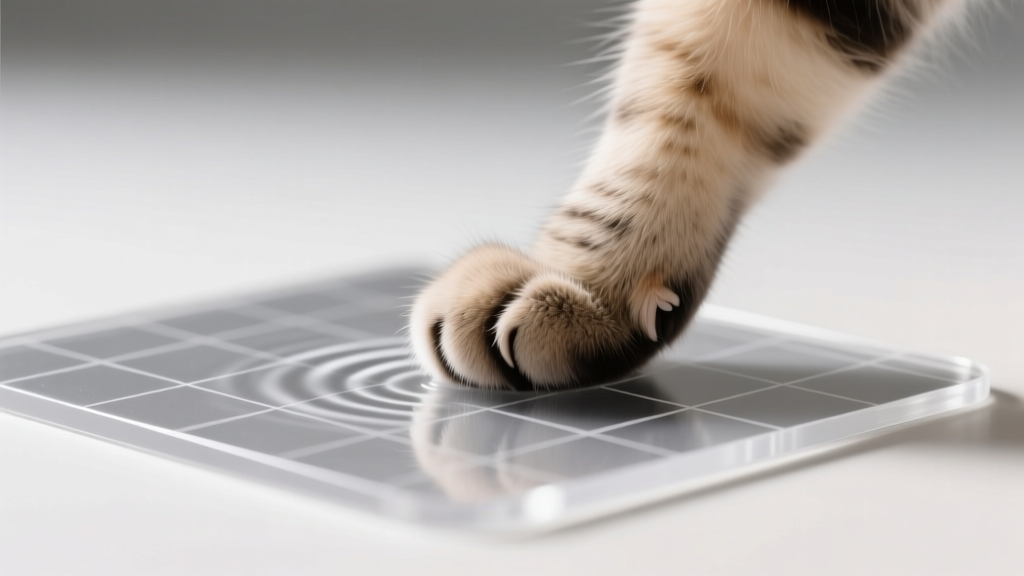
You’re working (or pretending to). Your hand is on the mouse, your eyes are on the screen, and your cat—who has been peacefully loafing nearby—suddenly strolls over and places a paw on your hand. Not a swipe. Not a full-on smack. More like a soft, deliberate “pat… pat.” Sometimes it’s one gentle tap. Sometimes it’s a series, like your cat is trying to press an invisible button: Excuse me. You. Now.
If you’ve ever wondered why your cat chooses the mouse pad as the stage for this tiny drama, you’re not alone. This behavior is incredibly common, oddly specific, and surprisingly meaningful once you learn to read it. The good news: in most cases, it’s not your cat being “needy” so much as your cat being… well, a cat with instincts, preferences, and a very personal opinion about how your attention should be distributed.
Why Cats Do This: The Science (and Evolution) Behind the Pat
Cats are built to interact with the world through their paws. In the wild, those paws do more than just walk—they test, measure, trap, and manipulate. Domestic cats inherited this toolkit, and they use it on us because we’re the most interesting objects in the home (and the ones most likely to respond).
Here are the big drivers behind paw-patting behavior:
- Tactile exploration: Cats don’t have hands, so their paws are their “feelers.” They gather information through touch, especially when something is moving—like your mouse hand.
- Attention-seeking learned behavior: Cats are excellent pattern learners. If pawing your hand makes you look at them, speak to them, pet them, or get up (even to shoo them away), it’s been rewarded.
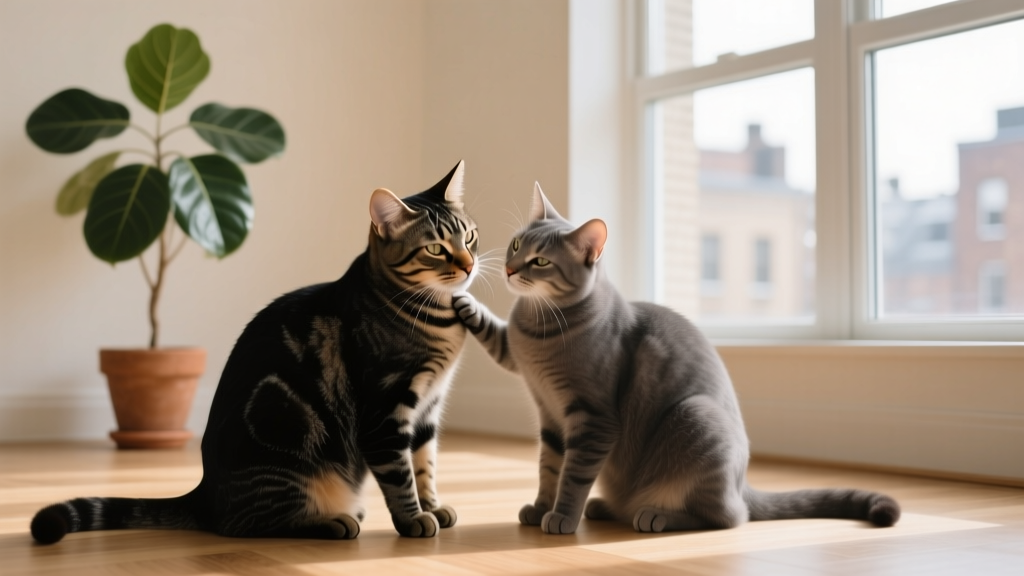
- Social bonding: Gentle paw contact can function like a soft social tap—similar to how cats touch each other to initiate play or closeness.
- Resource control: Your attention is a resource. When your focus is locked on a screen, your cat may “interrupt” to redirect that resource back to them.
- Predatory sequence echoes: The “tap” resembles a tiny version of how cats test prey or objects before committing. A moving hand is fascinating in the same way a twitching leaf is fascinating.
So yes, your cat might be interrupting your email because of love, curiosity, habit, and a sprinkle of ancient predator instincts. Multitasking runs in the species.
A Detailed Breakdown: Different Contexts, Different Meanings
The same paw pat can mean different things depending on the setup. Look at the whole scene—body language, timing, and what happens next.
1) The “Polite Reminder” Pat
Scenario: Your cat approaches calmly, pupils normal, tail relaxed or gently upright. They pat your hand once or twice, then look at your face.
What it often means: “Hi. I’d like a little connection.” This is common when you’ve been focused for a long stretch. Your cat is checking in and requesting a social moment.
2) The “Stop Doing That” Pat
Scenario: The pat is firmer. Your cat may pin their ears slightly to the side (“airplane ears”) or flick their tail. They might also target the moving cursor or the mouse cable.
What it often means: “That movement is annoying/interesting, and I want it to end or become play.” Some cats get overstimulated by repetitive movement, clicking sounds, or the constant micro-motions of your hand.
3) The “Pre-Play” Pat
Scenario: Your cat crouches, wiggles slightly, or does the classic butt-up, head-low posture. The pat turns into rapid taps or a grabby paw.
What it often means: “Play with me.” The mouse pad becomes a mini hunting ground: moving hand, moving cursor, slippery surface—perfect.
4) The “I’m Marking You” Pat
Scenario: Gentle paw contact paired with rubbing their cheek on your wrist or nudging your hand. They may purr, blink slowly, or knead nearby.
What it often means: “You’re mine.” Cats spread scent from glands in their face and paws. Touching you can be part of a comforting, affiliative ritual.
5) The “I Want Something Specific” Pat
Scenario: The pat is followed by leading you somewhere, staring at the food area, or vocalizing. They repeat the pat if you return to the mouse.
What it often means: “We have a situation.” Food bowl too empty, water not fresh enough, litter box needs attention, or a favorite toy is trapped under the couch. Your hand is simply the fastest way to file the complaint.
What This Says About Your Cat’s Mood (and Feelings About You)
Paw patting is often a sign of comfort and confidence. Most cats won’t casually reach out to someone they distrust. A cat who feels safe around you is more likely to initiate contact—even if that contact is an interruption.
Here’s a quick mood decoder:
- Soft paw, relaxed body: Affectionate, socially engaged, calm curiosity.
- Soft paw + purr + slow blink: Bonding, contentment, “I like you and I want your attention.”
- Quick repeated pats + alert posture: High energy, play motivation, boredom.
- Firm pat + tail flick + tense face: Frustration or mild overstimulation; your hand movement may be too stimulating.
- Pat + nibble (gentle): Play invitation or affectionate “love bite” style communication (still worth managing so it doesn’t escalate).
In plain terms: your cat is communicating. The pat is their version of tapping you on the shoulder—except their shoulder tap comes with claws they may or may not remember to fully retract.
Related Behaviors You Might Also Notice
If your cat is a “hand patter,” you may also see these classic office-assistant-cat moves:
- Sitting on the mouse pad or keyboard: Warmth, attention, and “if I block it, you’ll look at me.”
- Attacking the cursor: Visual prey drive—moving objects on screens can trigger hunting instincts.
- Grabbing your wrist with both paws: Play capture behavior, sometimes paired with bunny kicks (more common in young cats).
- Cheek rubbing on your hand or mouse: Scent marking and social bonding.
- Kneading near your arm: Comfort behavior carried from kittenhood, often tied to feeling safe.
When It’s Normal (and When It Might Be a Concern)
Most paw patting is perfectly normal. That said, it’s worth paying attention to changes in intensity, frequency, or your cat’s overall demeanor.
Usually normal:
- Gentle tapping with relaxed body language
- Patting at predictable times (when you start working, when they want dinner, when the house is quiet)
- Playful tapping without aggression (no hissing, no hard biting)
Potential concern signs:
- Sudden increase in attention-seeking paired with yowling, pacing, or restlessness (could signal stress, boredom, or discomfort)
- Hard swatting, growling, or repeated biting (could be overstimulation, fear, pain, or redirected aggression)
- Pawing accompanied by limping, sensitivity, or reluctance to jump (possible pain issue—paws, joints, or nails)
- Compulsive, repetitive pawing that looks frantic or trance-like (stress-related behavior worth discussing with a vet or behavior professional)
If your cat’s patting feels “new” and comes with other changes—appetite shifts, hiding, litter box changes, unusual aggression—loop in your veterinarian. Behavior is often the first place cats show us something isn’t quite right.
How to Respond (and Encourage the Cute Version)
If you love the gentle pats and want to reduce the “I’m going to grab your whole forearm” version, your response matters. Cats repeat what works.
- Reward the polite pat: If your cat taps gently, give a quick, calm response—two seconds of petting, a soft greeting, or a toss of a toy. You’re teaching them that gentle communication works.
- Don’t accidentally reward roughness: If the pat turns into claws-out grabbing, pause your attention. Slowly remove your hand, avoid yanking (which can trigger chase instincts), and redirect with a wand toy or kicker toy.
- Schedule “cat breaks”: A 5-minute play session before you start working can prevent mid-meeting paw taps. Many cats pat because they’re under-stimulated.
- Offer an approved “desk buddy” spot: A small bed, folded blanket, or heated pad near your workspace can satisfy the need to be close without blocking the mouse.
- Teach an alternate behavior: Reward your cat for sitting on a nearby mat or perch. Over time, “sit here” becomes the default request instead of “tap the hand.”
- Keep nails trimmed: Even affectionate pats can sting if nails are sharp. Regular trimming makes all forms of paw communication safer.
One practical trick: keep a small stash of “desk toys” (a spring, a crinkle ball) and toss one when the pat begins. You’re saying, “I hear you,” while steering the behavior into a healthier outlet.
Fun Facts and Research-Flavored Bits
- Cats have scent glands in their paws: When cats scratch or knead, they’re not just moving muscles—they’re also depositing scent. Paw contact can be part of their “this is my safe zone” routine.
- Cats are skilled at human-training: Studies on cat-human communication show cats adjust their behavior based on what gets a response. If paw patting consistently makes you react, it becomes a reliable tool.
- Gentle touch can be a social bridge: In multi-cat homes, friendly cats often initiate interaction with soft physical contact. Your cat may treat you like a very large, slightly clumsy cat roommate.
- The mouse pad is prime real estate: It’s near your hands (warm), near your attention (valuable), and usually in a consistent location (predictable). Cats love predictable.
FAQ: Cat Paw Patting Your Hand on the Mouse Pad
1) Is my cat trying to stop me from working?
Sometimes, yes—in the sense that your cat wants your attention redirected. But it’s usually not “spite” or sabotage. It’s communication: boredom, affection, a request, or curiosity about movement.
2) Why does my cat only do this when I’m on the computer?
Your posture changes, your hand moves in repetitive ways, and your attention becomes intensely focused on something that isn’t your cat. That combination is a powerful trigger for cats who like interaction or stimulation.
3) Does paw patting mean my cat loves me?
Often it’s a positive sign—comfort with you, social confidence, and a desire for connection. Look for relaxed body language, purring, slow blinks, and gentle touch to confirm it’s affectionate.
4) My cat uses claws when patting. Is that aggression?
Not automatically. Many cats partially extend claws during play or excitement. If the rest of the body language is playful (no hissing, no stiff posture), it’s more likely over-enthusiastic play or poor “paw manners.” Nail trims and redirection help.
5) How do I stop the behavior without upsetting my cat?
Give your cat an alternative that works just as well: a nearby bed, a timed play session, and occasional attention for calm behavior. Ignore or calmly disengage from rough patting so it stops paying off.
6) Could my cat be trying to tell me something is wrong?
Yes—if the behavior is new, intense, or paired with other changes (appetite, litter box habits, hiding, irritability). Cats often use attention-seeking to communicate discomfort. When in doubt, check in with your vet.
If your cat is a dedicated “mouse pad hand-patter,” you’ve got company—this is one of the most classic modern-cat behaviors, right up there with sitting on laptops and attending Zoom meetings uninvited. It’s a small gesture, but it carries a lot of information about what your cat wants, how they feel, and how they’ve learned to get a response from their favorite human.
Have a cat who does a particularly dramatic pat—maybe with eye contact, a chirp, or a slow-motion tap like they’re dialing in a request? Share your story (and your funniest “my cat stopped my workday” moments) on catloversbase.com—cat people everywhere will understand.