Cat Paw Patting Your Ankle: Wake-Up Call
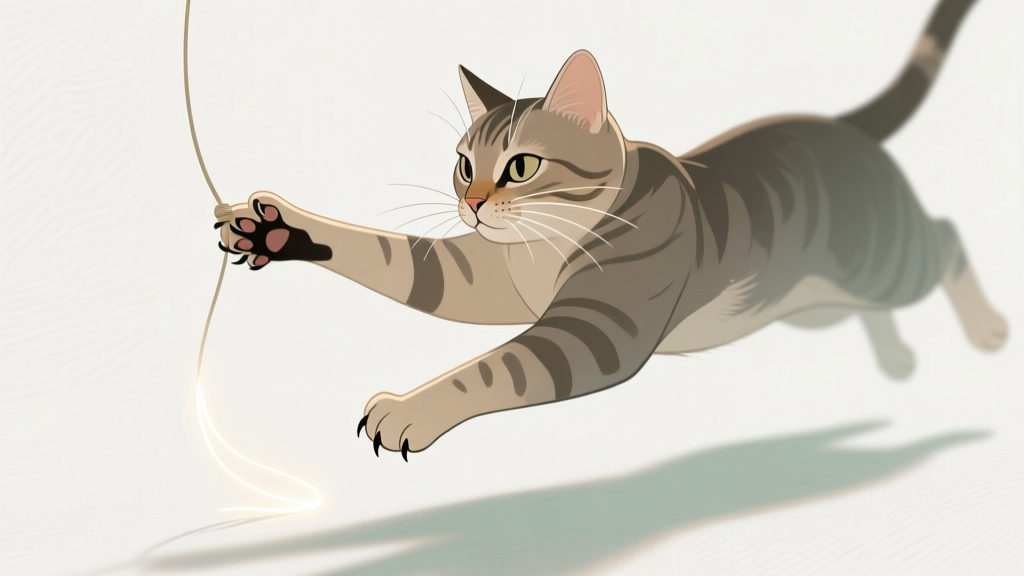
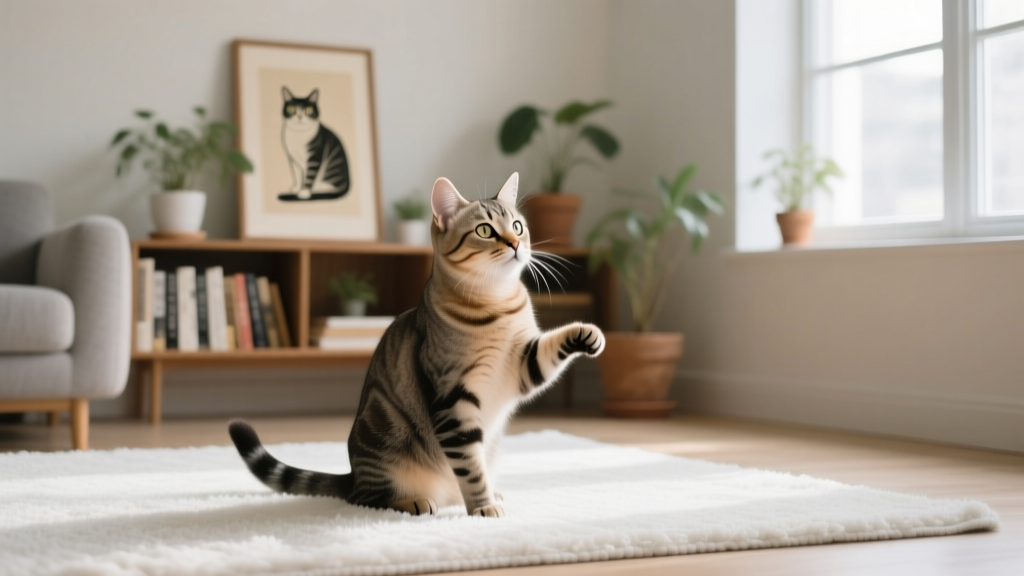
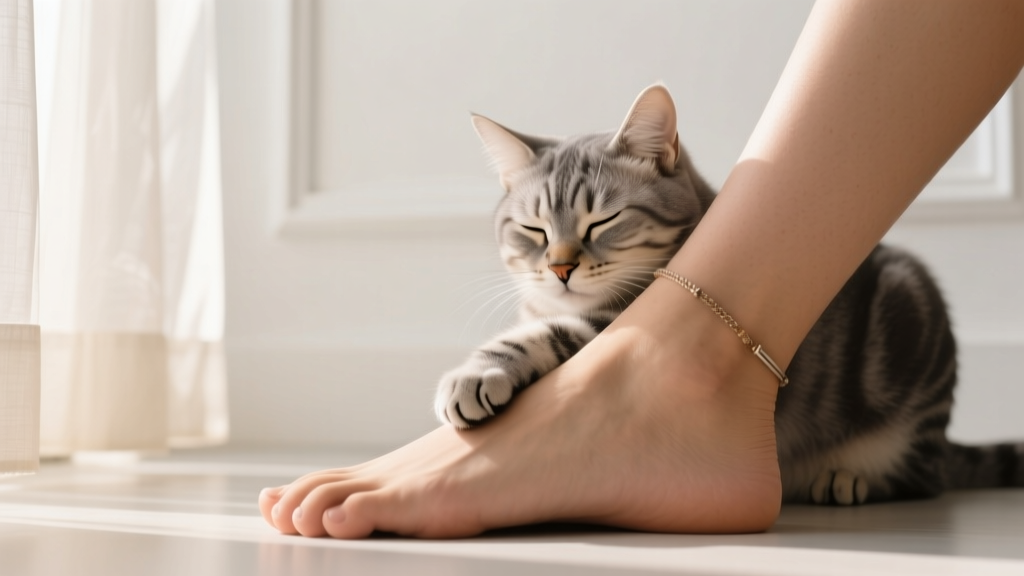
It’s 6:12 a.m. You’re half-asleep, one leg dangling off the bed, and you’re trying to pretend you don’t hear the soft thump of a cat landing on the floor. Then it happens: a gentle tap-tap-tap on your ankle. Not a scratch. Not a bite. Just a polite little paw pat—like your cat is knocking on the door of your body to request customer service.
If you live with a cat, you’ve probably experienced this “ankle pat wake-up call” at least once. Some cats do it with the delicacy of a librarian. Others pat like they’re testing a tomato at the grocery store—firm, repeated, and increasingly urgent. Either way, it’s a charmingly specific behavior, and it’s rarely random. Cats are excellent communicators; they just speak a different language than we do, with paws, whiskers, and timing.
Why Cats Do This (The Science and the Ancient Cat Brain)
From an evolutionary perspective, cats are crepuscular hunters—most naturally active around dawn and dusk. That “too-early” morning energy isn’t your cat being dramatic; it’s the schedule their nervous system was built for. In nature, early morning is prime hunting time, and the body is primed to move, scan, and act.
Domestic cats also learn quickly what works. If patting your ankle has ever resulted in food, attention, a door opening, or you simply getting up, your cat’s brain files it under: successful strategy. This is basic learning theory in action—behaviors that lead to rewarding outcomes get repeated. Your cat doesn’t need a complex plan. They just need one memory of “paw pat = human responds.”
There’s also a social angle. Cats may be more independent than dogs, but they’re still socially tuned. Many cats form strong attachment bonds and use “contact behaviors” to check in, request interaction, or guide you to what they want. The ankle is accessible, reliable, and attached to the part of you that stands up and makes things happen.
A Detailed Breakdown: Different Contexts, Different Meanings
Not all ankle pats are the same. The meaning depends on the full picture: time of day, body language, intensity, and what happens next.
1) The “Breakfast Reminder” Pat
What it looks like: Your cat pats your ankle, then walks toward the kitchen. They may glance back to make sure you’re following. The pats can escalate if you don’t move fast enough.
What’s driving it: Anticipation and routine. Cats are habitual. If breakfast is usually at 7:00 and it’s 6:45, your cat may feel like they’re being very reasonable by sending an early calendar notification.
2) The “Get Up and Play” Pat
What it looks like: Pat, then a bounce. Possibly a chirp. Maybe a dramatic flop or a sprint down the hallway. You might even get a toy dropped nearby like a formal invitation.
What’s driving it: High arousal energy and social play. Some cats use the ankle pat as a safe way to initiate interaction without biting or pouncing.
3) The “Pay Attention to Me, Specifically” Pat
What it looks like: Gentle patting paired with purring, slow blinks, or weaving around your legs once you stand. The mood feels warm and affiliative.
What’s driving it: Social bonding. Your cat may be seeking closeness, reassurance, or just a little morning connection.
4) The “I Need Something” Pat (Not Always Food)
What it looks like: Patting followed by leading behavior—your cat walks a few steps, pauses, looks back, and repeats until you follow. They may take you to a water bowl, a window, a litter box area, or a closed door.
What’s driving it: Problem-solving and communication. Cats learn to recruit humans as “helpers” for things they can’t do alone, like opening doors or refilling resources.
5) The “Please Stop That” Pat
What it looks like: You’re doing something your cat dislikes—typing, packing, petting too long, brushing them—and they pat your ankle or foot as you move away. The pat might be firmer and paired with a tense body.
What’s driving it: Boundary-setting. It can be a mild “interrupt” signal: change what you’re doing.
What the Ankle Pat Says About Your Cat’s Mood
Your cat’s paw pat is a message, but the emotional tone is written in their body language:
- Relaxed, friendly mood: Soft paws (claws sheathed), upright tail with a hook at the tip, slow blinking, normal ears, purring. This usually means “Hi” or “Come with me.”
- Excited, energetic mood: Quick pats, bouncy movement, dilated pupils, play-crouch, zoomies after. This often means “Play now!”
- Frustrated, demanding mood: Repeated pats that escalate, vocalizing, pacing, tail flicking. This can mean “You’re late” or “I need it and I need it now.”
- Anxious or unsettled mood: Patting combined with hiding, startled reactions, flattened ears, or clinginess. This could be “I don’t feel safe” or “Something’s off.”
One key detail: the paw is a relatively “polite” tool. When a cat chooses patting over biting or clawing, they’re attempting controlled communication. That’s useful information about their social skills—and a nice sign you’ve built some trust.
Related Behaviors You Might Also Notice
Cats often bundle behaviors together. If your cat is an ankle-patter, you may also see:
- Leg weaving (figure-eights): A friendly greeting and scent-marking behavior using facial glands.
- Leading you somewhere: The classic “follow me” look-back behavior, often paired with small chirps.
- Trilling or short meows: Social vocalizations many cats use with trusted humans.
- Gentle pawing at your face or hair: A more direct wake-up tactic—less subtle than ankle patting.
- Tap-and-run: A play invitation that can turn into “tag” if you react dramatically.
When Paw Patting Is Normal… and When It Might Be a Concern
Most ankle patting is normal, healthy, and even adorable. But pay attention to sudden changes.
Generally normal
- Your cat has a consistent routine (morning pats, dinner-time pats).
- The paw is gentle, claws mostly in.
- Your cat’s body language looks relaxed or playfully excited.
- They’re eating, drinking, and using the litter box normally.
Possible concern signals
- New, clingy patting behavior: Especially if your cat suddenly becomes more demanding or anxious.
- Patting paired with yowling at night: Could suggest stress, cognitive changes in seniors, or a medical issue.
- Patting that turns into biting or aggressive swatting: May reflect overstimulation, fear, or frustration.
- Patting to lead you to the litter box repeatedly: This can indicate urinary discomfort—worth a prompt vet call, especially if you notice straining, frequent trips, or accidents.
- Increased hunger and relentless wake-ups: Sometimes seen with hyperthyroidism (especially in older cats) or other health changes.
If your cat’s behavior shifts quickly, becomes intense, or comes with changes in appetite, thirst, weight, grooming, or litter box habits, involve your veterinarian. Behavior is often the first clue that something physical is going on.
How to Respond (Without Accidentally Training 5:30 a.m. Wake-Ups)
You can appreciate the cuteness and shape the behavior so it works for both of you.
If you enjoy the ankle pats
- Reward the “polite ask”: Offer attention, a few pets, or a toy when the pat is gentle. You’re reinforcing good manners.
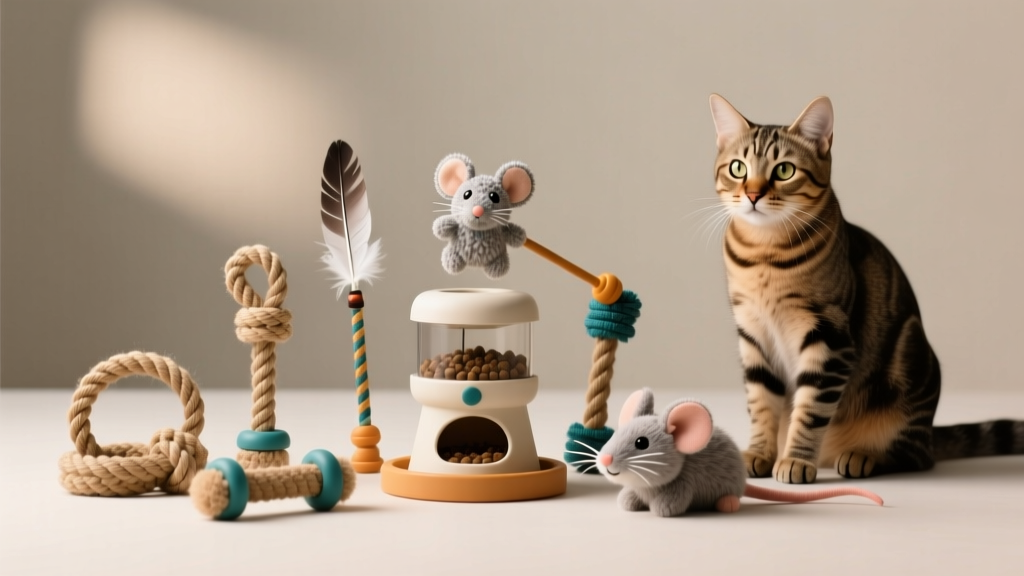
- Give your cat an appropriate next step: If the pat means play, toss a toy away from your feet to prevent ankle-targeting games from turning into pouncing.
- Build a predictable routine: Cats relax when life is consistent. A regular breakfast time and a short morning play session can reduce frantic wake-up tactics.
If the wake-up calls are getting out of hand
- Stop rewarding early pats with food: If you immediately feed your cat after being woken up, you’re teaching them that this strategy works. Instead, wait until your chosen time.
- Use an automatic feeder: This is one of the best tools for “my cat thinks I’m the food dispenser.” It shifts the association away from your ankles.
- Increase evening enrichment: A play session before bed (think: wand toy “hunt,” then a small meal) can help your cat sleep longer.
- Keep your reaction boring: Big reactions—laughing, talking, dramatic movements—can be rewarding. Calmly stand up only when you’re ready, or gently redirect with a toy if needed.
- Don’t punish the behavior: Yelling or swatting will often increase anxiety and can escalate to defensive behavior. Cats learn best through reinforcement and routine, not fear.
Fun Facts and Research-Rooted Nuggets
- Cats are excellent at reading human patterns: They may not understand clocks, but they notice the sequence of events—alarm, bathroom, kitchen, breakfast—and they try to speed-run the parts they like.
- Paws are communication tools: Cats use pawing in social play, object exploration, and interaction with kittens. Gentle patting can be a socially “safe” contact behavior.
- Crepuscular energy is real: Many cats naturally become active at dawn. Indoor life doesn’t erase the rhythm; it just relocates it to your hallway.
- Cats can be surprisingly strategic: If patting works on one person but not another, many cats will tailor their approach. Some households accidentally create “the easy human” without realizing it.
FAQ: Cat Paw Patting Your Ankle
Why does my cat pat my ankle instead of meowing?
Some cats are more physical communicators than vocal ones. Paw patting is direct, effective, and doesn’t require raising their voice. Your cat may also have learned that you respond faster to touch than to sound.
Is ankle patting a sign my cat loves me?
It can be. Gentle pawing often appears in friendly, affiliative contexts—especially when paired with relaxed body language, purring, or weaving around your legs. That said, cats also paw to request food or play, so look at the whole pattern.
My cat pats my ankle and then bites it—what does that mean?
This often happens when a cat is over-aroused (excited play energy) or frustrated. If ankle patting turns into biting, redirect play to a toy, increase daily enrichment, and avoid using your feet or hands as play objects.
How do I stop my cat from waking me up by patting my ankles?
Don’t feed immediately after being woken. Use an automatic feeder if possible, add an evening play-and-snack routine, and keep your response low-key. Over time, many cats shift their wake-up strategy when it stops working.
Why is my older cat suddenly pawing at me more?
Sudden behavior changes in senior cats can be stress-related, medical (like pain, thyroid changes), or cognitive. If this is new or accompanied by appetite/weight/litter box changes, schedule a vet check to rule out physical causes.
Does paw patting mean my cat is trying to “train” me?
In a way, yes—just like you train your cat. Cats repeat behaviors that get results. If ankle patting reliably produces food, attention, or movement, it becomes a habit. The good news: you can shape the habit by changing what gets rewarded.
That little ankle tap is your cat’s way of saying, “Hey, human—are you available?” Sometimes it’s affection, sometimes it’s breakfast negotiations, and sometimes it’s pure morning chaos in a fur coat. The more you pay attention to the context, the more fluent you become in your cat’s unique dialect.
Does your cat have a signature wake-up move—ankle pats, face boops, dramatic singing, or the classic “stare into your soul” routine? Share your stories (and your funniest early-morning cat moments) with our community at catloversbase.com.