Cat Paw Bumping the Cabinet: Hunger Signal
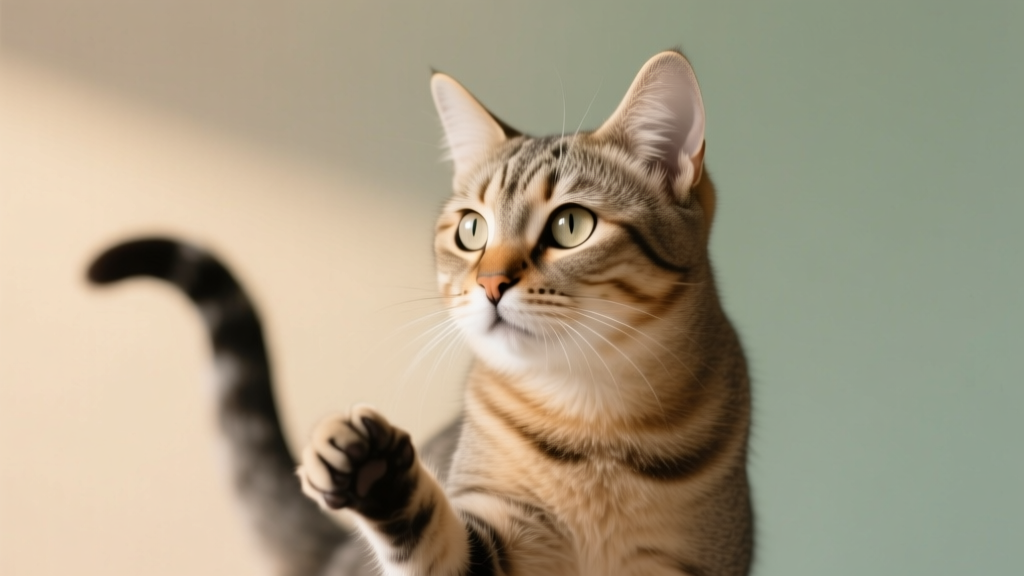
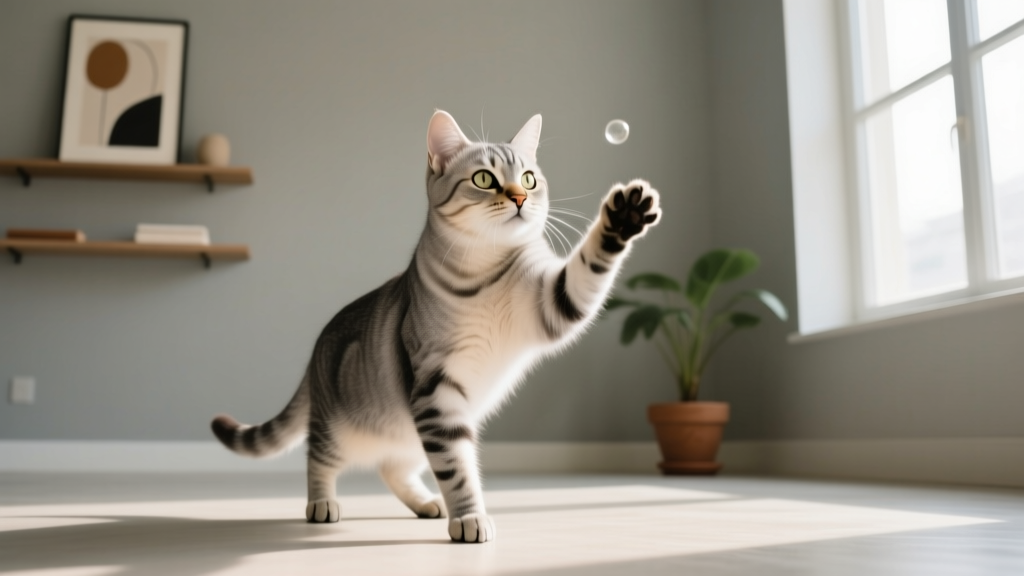
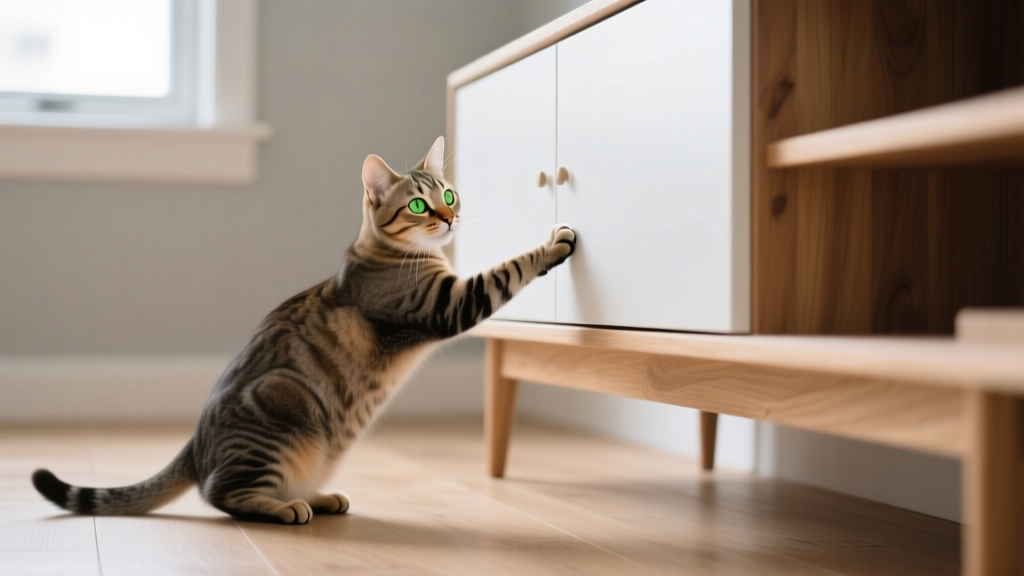
You’re on the couch, finally settling in. The house is quiet—too quiet. Then you hear it: tap… tap… tap. Your cat is posted up by the kitchen cabinet like a tiny percussionist, pawing the door with deliberate little thunks. If you ignore it, the tapping gets bolder. If you look over, your cat pauses, makes eye contact, and—without breaking the stare—taps again. The message feels obvious… but also a little ridiculous. Is your cat really “knocking” for snacks?
Yes. Sometimes it truly is that simple. A lot of cats paw-bump cabinets (or pantries, drawers, even the fridge) because they’ve learned it works as a hunger signal—and because their brains are wired to repeat behaviors that get results. But there’s more going on than “feed me.” That cabinet-tapping can also reveal how your cat communicates, how they problem-solve, and how they’re feeling in the moment.
Why Cats Do This: The Science and the Wild-Cat Backstory
Cats are natural opportunists. In the wild, food is scattered, unpredictable, and worth investigating. Your domestic cat may live in a world of scheduled meals and tidy cupboards, but their instincts still say: Search, test, poke, and see what happens.
Here are the big forces behind cabinet paw-bumping:
- Operant conditioning (aka “this worked once, so I’ll do it again”): If your cat pawed the cabinet and you got up—especially if they got fed—your cat’s brain filed that under effective strategy. The behavior is reinforced.
- Cause-and-effect intelligence: Cats are surprisingly good at learning sequences: cabinet → human looks → human moves → food appears. That paw bump becomes a “button” that summons you.
- Scent and memory cues: Cabinets that store food carry powerful smells, even if you can’t detect them. Cats have an excellent sense of smell and strong location-based memory. The “food cabinet” becomes a landmark.
- Predatory persistence: Hunting involves repeated, patient attempts. Your cat’s gentle “knocking” is a domesticated version of persistence—try, pause, reassess, try again.
So while it looks like a quirky habit, cabinet tapping is often a smart blend of instinct and learning. Your cat has identified a resource zone and developed a communication routine around it.
A Breakdown of the Behavior: Different Contexts You’ll Recognize
Not all cabinet paw bumps are created equal. The context (and the style of the paw bump) matters.
1) The Scheduled-Meal Tap
This is the classic: your cat starts tapping 10–30 minutes before their usual mealtime. They may pace between you and the cabinet, glance at their bowl, then return to their “knocking station.” The rhythm is steady, polite-ish, and timed like an alarm clock with whiskers.
What’s happening: Your cat has a strong internal routine and expects predictability. They’re not just hungry—they’re anticipating the ritual.
2) The “I Heard a Bag” Tap
You crinkle a snack bag in another room and suddenly your cat appears like they teleported. They run to the cabinet and start pawing it, sometimes with excited little chirps or trills.
What’s happening: Sound cues are powerful. Many cats learn that certain noises predict treats. The cabinet becomes the place where the treat magic happens, so they go there to “activate” it.
3) The “Your Attention, Please” Tap
Your cat taps the cabinet, then looks back at you, then taps again—almost like they’re checking whether you’re paying attention. Sometimes they’ll add a meow that sounds suspiciously like a complaint.
What’s happening: This is communication, not just hunger. Your cat is intentionally directing your attention to a location with meaning.
4) The Boredom/Enrichment Tap
Some cats tap cabinets when they’re under-stimulated. You’ll see it more on slow afternoons, rainy days, or when a household routine changes. The tapping may be followed by your cat trying to open the door, sticking a paw under it, or roaming the kitchen like they’re on patrol.
What’s happening: Investigation is enrichment. The cabinet is an interactive “puzzle,” and your cat is seeking something to do (food is a bonus).
5) The “I Can Smell It In There” Tap
This one is intense. Your cat targets a specific cabinet—often where treats are stored—and paws at it with focus. They may sniff the seam, press their nose to the crack, or even try to wedge a paw inside.
What’s happening: Smell is driving the behavior. Even tightly sealed foods can leave trace odors.
What Cabinet Paw-Bumping Says About Your Cat’s Mood
Think of cabinet tapping as your cat’s emotional “tone of voice.” The same behavior can mean different things depending on body language.
- Calm confidence: Tail neutral or gently upright, ears forward, relaxed body. Your cat expects you to respond. This is the feline version of ordering at a familiar café.
- Excited anticipation: Tail up with a little quiver, quick taps, bright eyes, maybe a chirp. Your cat is happy and energized about food or the feeding ritual.
- Mild frustration: Faster, louder tapping; ears rotate back; more vocal. Your cat believes you’re late and wants to “fix” the situation.
- Anxiety or agitation: Dilated pupils, tense body, crouching, or startled reactions to small sounds. If cabinet tapping is paired with restlessness, it may be less about hunger and more about stress or insecurity around resources.
Most of the time, cabinet paw-bumping is a healthy sign your cat feels comfortable communicating with you. They’ve learned you’re responsive—and that the kitchen is a place where good things happen.
Related Behaviors You Might Also Notice
If your cat taps cabinets for food, you may also see a few familiar “supporting acts”:
- Bowl staring: Sitting beside the bowl like it’s going to refill itself out of respect.
- Counter hovering: Hanging around prep areas, sniffing cutting boards, or checking the sink.
- “Guiding” you to the kitchen: Walking a few steps ahead, then stopping to make sure you’re following.
- Mealtime zoomies: A burst of energy right before feeding—common in cats who are excited or slightly over-hungry.
- Food-closet obsession: Waiting near the pantry even when you’re not in the kitchen, especially if treats are frequently given.
- Morning face taps or gentle pawing on you: Same communication style, different target.
When Cabinet Paw-Bumping Is Normal… and When It Might Be a Concern
Normal: Your cat taps around predictable times, stops after feeding, and otherwise behaves normally. Their weight is stable, their thirst is typical, and they’re not acting frantic.
Worth a closer look:
- Sudden increase in hunger behaviors (more cabinet tapping, persistent begging, scavenging) paired with weight loss. This can be seen with issues like hyperthyroidism, diabetes, parasites, or malabsorption—especially in adult and senior cats.
- Constant food-seeking despite regular meals plus increased thirst and urination.
- Nighttime agitation (yowling, pacing) alongside cabinet tapping, particularly in older cats.
- Compulsive or repetitive behavior that seems hard for your cat to “turn off,” especially if they’re stressed or the behavior appears after a major change.
- Destructive escalation: Clawing, chewing doors, trying to break into cabinets, or knocking items down with intensity.
If you’re seeing a dramatic shift—especially with changes in weight, thirst, appetite, or energy—check in with your veterinarian. Hunger signals are real communication, but sometimes they’re also a symptom.
How to Respond (Without Accidentally Training a Tiny Kitchen Gremlin)
You can absolutely honor your cat’s communication while keeping the behavior from spiraling into constant “snack demands.” The goal is to reward the right moments and build a routine that feels fair to both of you.
1) Build predictable meals (and protect them)
If your cat is tapping because their internal clock is strong, consistency helps. Consider:
- Smaller, more frequent meals (if appropriate for your cat’s health plan)
- An automatic feeder for early mornings or when you’re busy
- Feeding at the same general times daily
2) Use a “calm gets fed” rule
If you feed immediately after loud tapping, you may reinforce louder tapping. Instead, wait for a brief pause—two seconds of quiet or four paws on the floor—then feed. Your cat learns: calm behavior makes food happen.
3) Give the paws a job: food puzzles and hunting games
Cabinet tapping often comes from a need to “do something” to earn food. Try:
- Treat balls or rolling feeders
- Hide small portions in multiple spots (a mini “hunt”)
- Snuffle mats designed for cats
4) Add enrichment before the begging starts
A short play session 10–15 minutes before meals can take the edge off. Many cats calm down after they’ve “hunted” (wand toy), “caught” (let them grab), and then “eaten” (meal).
5) Manage access and temptation
- Use childproof latches if your cat is opening cabinets
- Store treats in airtight containers (helps reduce odor cues)
- Don’t keep highly scented treats in easy-to-smell places if your cat fixates
6) Reward communication in a way you like
If you think the tapping is cute and you don’t mind it, you can shape it into a polite routine. You might even pair it with a cue like “Is it snack time?” and then ask for a simple behavior (sit, touch) before giving a small treat. That turns cabinet tapping into a little conversation rather than an escalating demand.
Fun Facts and Research-Adjacent Nuggets
- Cats are excellent at learning “human-controlled” cause-and-effect: Even if they don’t understand cabinets the way we do, they learn that certain places predict certain outcomes—especially when humans consistently respond there.
- Many cats use location-based communication: Instead of “asking” in the abstract, they lead you to the problem (empty bowl) or the solution (food cabinet). It’s efficient and surprisingly logical.
- Some cats adjust their signals based on your reaction: If tapping gets a glance but not food, they may add a meow. If meowing fails, they may tap harder. Your response pattern shapes their strategy.
- Paw use can be individual: Just like people can be right- or left-handed, cats may show paw preference. A “cabinet tapper” might consistently use the same paw when signaling.
FAQ: Cat Paw Bumping the Cabinet
1) Is my cat pawing the cabinet definitely a hunger signal?
Often, yes—especially if it happens near meal times or when you’re in the kitchen. But it can also mean boredom, curiosity, or “I want your attention.” Look for other clues: leading you to the bowl, vocalizing, or stopping once fed.
2) Should I ignore the behavior so it doesn’t get worse?
Ignoring can help if the tapping has become demanding, but it works best when paired with a plan. If you ignore without offering structure (scheduled meals, enrichment, rewarding calm pauses), some cats simply escalate.
3) Why does my cat do it even after they just ate?
It might be treat-seeking (because treats have a different value than meals), routine-based (they expect a post-meal snack), or boredom. If it’s a new behavior and your cat seems ravenous, consider a vet check to rule out medical causes.
4) My cat is waking me up by pawing the cabinet in the morning. How do I stop that?
An automatic feeder timed for early morning is often the fastest fix. You can also shift dinner slightly later, add a bedtime play-and-feed routine, and avoid rewarding early tapping with immediate food from you.
5) Is cabinet tapping a sign my cat is “training” me?
In a way, yes—and you’re also training your cat. Any time behavior leads to an outcome, learning happens. The good news: you can shape the behavior into something polite and predictable.
6) Could my cat be stressed about food?
Possibly. Multi-cat households, inconsistent feeding schedules, or past food insecurity can amplify food-focused behaviors. Feeding cats separately, using multiple feeding stations, and adding enrichment can reduce tension.
That little cabinet paw bump might be your cat’s version of knocking on the kitchen door, submitting a formal request for snacks, or simply saying, “Hey, human—remember the place where good things live?” When you read the context and respond thoughtfully, you turn a quirky habit into clearer communication and a calmer routine.
Does your cat tap a cabinet, paw at the pantry, or “knock” on the treat drawer like they pay rent? Share your funniest (or most dramatic) food-signal stories with the Cat Lovers Base community at catloversbase.com.